Fender Collision Ball
CN → US| HS Code | Tariff Rate | Origin | Destination | Doc |
|---|---|---|---|---|
| 8302498050 | 38.5% | CN | US | Official Doc |
| 8714998000 | 27.5% | CN | US | Official Doc |
| 8302496055 | 90.7% | CN | US | Official Doc |
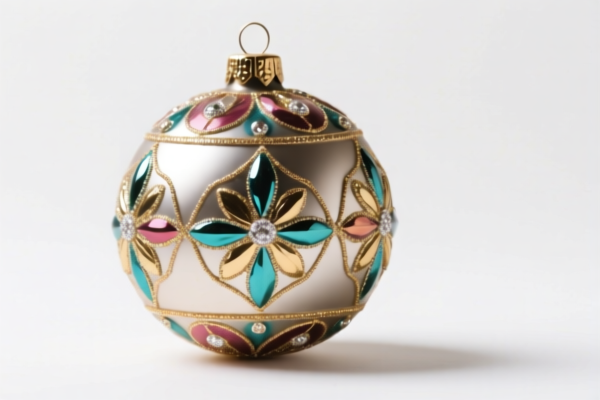
Product Images



AI Analysis
🚲 Fender Collision Ball (Fender Bumpers)
🌐 HS Code Reference & Customs Clearance Guide | 2026 Latest Tariff Analysis | Professional Clearance Strategy
📌 I. Product Definition: What is a "Fender Collision Ball"?
A Fender Collision Ball (also known as a fender bumper, mudguard guard, or anti-collision plug) is a small accessory attached to the mudguards (fenders) of bicycles or motorcycles. Its primary functions are: 1. Protection: Preventing mud, water, and debris from splashing onto the rider. 2. Durability: Absorbing minor impacts to protect the fender structure itself. 3. Decoration: Adding aesthetic value to the bike frame.
In international trade, classification depends heavily on material (metal vs. rubber/plastic) and specific usage context. Below are the three most relevant HS Codes based on the provided data.
📦 II. HS Code Classification Details (Based on Provided Data)
| HS Code | Product Description | Classification Logic | Material Context |
|---|---|---|---|
8302.49.80.50 |
Metal Mounting Accessories | Classified as "Other metal mounting fittings for vehicles." Fits if the ball is made of metal (steel, aluminum, etc.) and acts as a mounting/protective fixture. | Metal (Steel/Aluminum/Copper) |
8714.99.80.00 |
Bicycle Accessories | Classified as "Parts and accessories of bicycles." Fits if viewed strictly as a bicycle accessory with no material conflict, leveraging the "parts/accessories" definition. | Universal (Any material, if viewed as accessory) |
8302.49.60.55 |
Metal Vehicle Mountings | Classified under "Other metal mounting fittings." Specifically targets metal installations. CRITICAL WARNING: Higher tax due to specific metal surcharges. | Metal (Steel/Aluminum/Copper) |
🔍 Key Distinction:
- If your fender balls are metal, they often fall under Chapter 83 (Base metal articles) as "mounting fittings," which may attract higher Section 122 tariffs or steel/aluminum surcharges.
- If you can argue they are purely accessories for the vehicle itself, Chapter 87 (8714) might offer a lower base rate, but this is riskier if customs inspectors deem the material decisive.
💰 III. 2026 Latest Tariff Rate Breakdown (Detailed Tax Clauses)
✅ Applicable Region: US Imports (Based on "Section 122" and "Add-on Tariffs" references)
✅ Origin: China (CN)
✅ Status: Subject to multiple layers of tariffs
🎯 1. 8302.49.80.50 — Metal Mounting Fittings (Recommended for Metal Balls)
| Item | Details |
|---|---|
| Base Duty | 3.5% |
| Add-on Tariff (Section 301/Other) | +25.0% |
| Section 122 Tariff | +10.0% |
| Total Tax Rate | 38.5% |
| Tax Calculation | CIF Value × 38.5% |
| Legal Path | Base Tariff → Add-on Tariff → Section 122 (10%) |
📌 Explanation:
- This is the most balanced option for metal fender balls.
- The base rate is low (3.5%), but the 25% add-on and 10% Section 122 significantly increase the cost.
- No specific metal surcharge mentioned here, making it preferable if you want to avoid the 50% penalty.
🎯 2. 8714.99.80.00 — Bicycle Parts & Accessories
| Item | Details |
|---|---|
| Base Duty | 10.0% |
| Add-on Tariff | +7.5% |
| Section 122 Tariff | +10.0% |
| Total Tax Rate | 27.5% |
| Tax Calculation | CIF Value × 27.5% |
| Legal Path | Base Tariff → Add-on Tariff → Section 122 (10%) |
📌 Explanation:
- This is the LOWEST TAX OPTION (27.5%).
- Risk: You must prove the product is a "part/accessory" of the bicycle (Ch 87) and not merely a "mounting fitting" (Ch 83). If customs disagrees, you may face penalties.
- Suitable For: Products that are clearly integrated into the bike’s function rather than generic metal fittings.
🎯 3. 8302.49.60.55 — Metal Vehicle Mountings (High Risk)
| Item | Details |
|---|---|
| Base Duty | 5.7% |
| Add-on Tariff | +25.0% |
| Section 122 Tariff | +10.0% |
| Steel/Aluminum/Copper Surcharge | +50.0% |
| Total Tax Rate | 90.7% |
| Tax Calculation | CIF Value × 90.7% |
| Legal Path | Base Tariff → Add-on Tariff → Section 122 (10%) → Special Metal Surcharge (50%) |
⚠️ CRITICAL WARNING:
- This is the HIGHEST TAX OPTION.
- The 50% surcharge applies specifically to steel, aluminum, and copper products under specific trade provisions.
- Avoid this code unless you have no choice and the product value is negligible.
- Advice: If your fender balls are made of steel or aluminum, do NOT use this code if you can justify8302.49.80.50or8714.99.80.00.
🛠️ IV. Customs Clearance Practical Advice (Avoiding Pitfalls)
✅ 1. Preparation Checklist
| Document | Required | Notes |
|---|---|---|
| ✅ Product Photos | ✔️ | Show material clearly (metal shine vs. rubber/plastic texture). |
| ✅ Material Declaration | ✔️ | Specify alloy composition if metal. Crucial for avoiding the 50% surcharge. |
| ✅ Commercial Invoice | ✔️ | Description: "Bicycle Fender Bumper (Plastic/Rubber)" or "Metal Fender Guard." |
| ✅ HS Code Justification | ✔️ | If using 8714, emphasize "Bicycle Accessory" function. If using 8302, emphasize "Mounting Fitting." |
| ✅ Origin Certificate | ✔️ | Essential for determining Section 122 applicability. |
✅ 2. Declaration Strategy (Key Tips)
🔥 "Material Matters, Function Defines!"
| Scenario | Recommended HS Code | Why? |
|---|---|---|
| Fender Balls are Plastic/Rubber | 8714.99.80.00 |
Clearly a "Bicycle Accessory." Avoids metal surcharges. Lowest tax (27.5%). |
| Fender Balls are Metal (General) | 8302.49.80.50 |
"Metal Mounting Fitting." Avoids the 50% surcharge if not classified under specific steel/aluminum lists. Tax: 38.5%. |
| Fender Balls are Steel/Aluminum | AVOID 8302.49.60.55 |
Unless you must use Ch 83, try to argue for 8302.49.80.50 (if applicable) or 8714.99.80.00. The 50% surcharge makes 8302.49.60.55 prohibitively expensive (90.7%). |
📌 Important:
- If your product is metal, customs may automatically apply the 50% surcharge if classified under certain metal categories.
- Strategy: If possible, use non-metal materials (rubber, plastic) to qualify for8714.99.80.00(27.5%).
- If metal is mandatory, consult a customs broker to see if8302.49.80.50can be justified to avoid the 50% penalty.
✅ 3. Special Cases
| Situation | Advice |
|---|---|
| Mixed Materials (Metal ball, rubber tip) | Declare based on essential character. If rubber is essential, lean towards 8714.99.80.00. If metal structure is key, use 8302.49.80.50. |
| OEM Custom Parts | Provide drawings showing integration with the bicycle frame. Supports 8714.99.80.00 argument. |
| High-Value Luxury Bike Parts | Ensure accurate valuation to avoid under-declaration penalties. |
🌍 V. Global Market Comparison (2026)
| Country/Region | Recommended HS Code | Est. Tariff (China Origin) | Notes |
|---|---|---|---|
| 🇺🇸 USA | 8714.99.80.00 |
27.5% (Best Option) | Avoid 8302.49.60.55 due to 50% surcharge. |
| 🇺🇸 USA | 8302.49.80.50 |
38.5% | Acceptable if metal mounting fitting is clear. |
| 🇪🇺 EU | 8716.80.00 (Typical) |
0% - 4.7% | EU does not have Section 122. Different classification likely. |
| 🇨🇳 China | 8714.99.00.90 |
5% - 10% | Lower import duties for China. |
📌 Conclusion for US Imports:
-8714.99.80.00(27.5%) is the most cost-effective if you can justify it as a "Bicycle Accessory."
-8302.49.80.50(38.5%) is the second-best for metal products, avoiding the catastrophic 50% surcharge.
- NEVER use8302.49.60.55(90.7%) for standard fender balls unless you have no other option and are prepared for high costs.
📌 VI. Common Mistakes & Pitfalls
❌ Mistake 1: Declaring metal fender balls as 8302.49.60.55
👉 Result: 90.7% tariff. Avoid! This triggers the 50% steel/aluminum surcharge.
❌ Mistake 2: Declaring plastic fender balls as 8302.49.80.50 (Metal Category)
👉 Result: Classification error. Customs may audit, delay shipment, or apply incorrect tax.
❌ Mistake 3: Ignoring Section 122 Tariff
👉 Result: Unexpected 10% add-on. Ensure all HS codes are checked against current Section 122 lists.
✅ Correct Approach:
"Bicycle Fender Bumper, Plastic/Rubber, Accessory for Mountain Bike" →
8714.99.80.00
"Bicycle Fender Guard, Metal, Mounting Accessory" →8302.49.80.50(if surcharge can be avoided)
🎯 VII. Conclusion: Professional Declaration, Cost Optimization
🎯 Remember the Rules:
🔹 "Plastic/Rubber = Accessory (27.5%)"
🔹 "Metal = Mounting Fitting (38.5%)"
🔹 "Steel/Aluminum Mounting = SURCHARGE (90.7%)" → AVOID!🔹 "HS Code Determines Profit, Tariff Saves Millions, Misdeclaration Costs Everything!"
📌 Pro Tip:
If your fender balls are made of steel or aluminum, consult a licensed customs broker to challenge the 50% surcharge classification. You may be able to justify 8302.49.80.50 or even 8714.99.80.00 with strong documentation.
📣 Immediate Action:
📞 Contact a Customs Broker + Provide Material Specs + Request HS Code Pre-Ruling
🚀 Optimize Your Tariff, Clear Customs Smoothly, Maximize Profit!
✨ Professional Clearance Starts with Accurate Classification!
💼 Every Cent Saved in Tariffs is Pure Profit!
Customer Reviews
About HS Code Classification
The Harmonized System (HS) is an internationally standardized nomenclature developed by the World Customs Organization (WCO) to classify traded products. Over 200 countries use the HS system as the basis for customs tariffs, trade statistics, and import/export regulations.
Each HS code follows a hierarchical structure:
- Chapter (2 digits) — Broad category of goods (e.g., Chapter 84: Machinery and Mechanical Appliances)
- Heading (4 digits) — More specific grouping within the chapter
- Subheading (6 digits) — Internationally standardized breakdown, used by all WCO member countries
- National subdivisions (8-10 digits) — Country-specific extensions for further classification, such as US HTSUS 10-digit codes
Correct HS code classification is essential for smooth customs clearance, accurate duty payment, and compliance with trade regulations. Misclassification can lead to customs delays, overpayment of duties, or penalties.
When importing from CN to US, the applicable tariff rates may include:
- Most-Favored-Nation (MFN) rate — The standard duty rate applied to WTO members
- General rate — Applied to countries without trade agreements
- Trade remedy duties — Additional tariffs such as Section 301 (anti-dumping), Section 232 (national security), or countervailing duties
The information provided on this page is for reference purposes only. For official classification, please consult with your local customs authority or a licensed customs broker.