Fiber Carpet
CN → US| HS Code | Tariff Rate | Origin | Destination | Doc |
|---|---|---|---|---|
| 5703310030 | 41.0% | CN | US | Official Doc |
| 5703392090 | 41.0% | CN | US | Official Doc |
| 5702109030 | 35.0% | CN | US | Official Doc |
| 5702322000 | 42.0% | CN | US | Official Doc |
| 5705002090 | 38.3% | CN | US | Official Doc |
Product Images
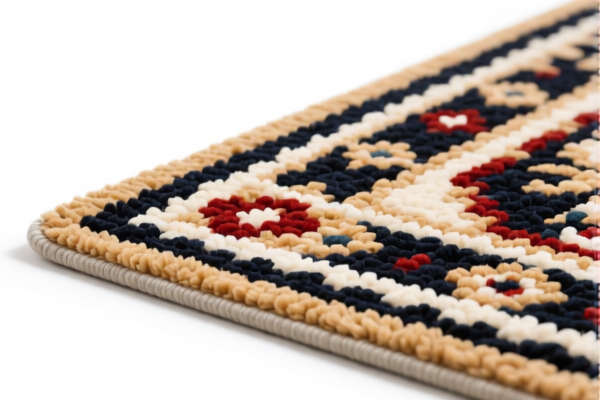
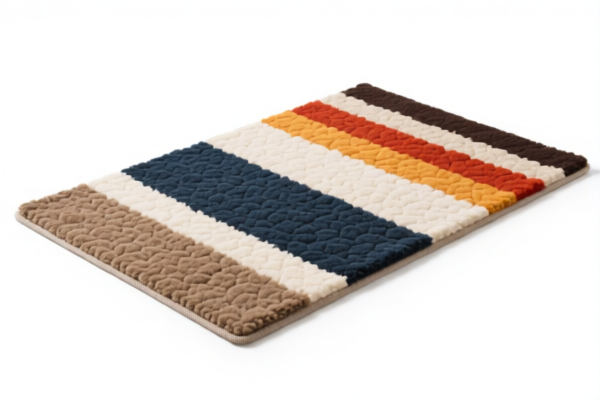
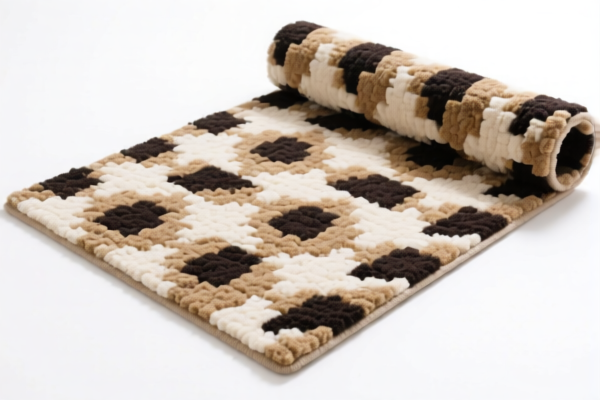
AI Analysis
🧵 Fiber Carpet (Artificial Fiber Carpets & Textile Floor Coverings)
🌐 HS Code Reference & Customs Clearance Guide | 2026 Latest Tariff Analysis | Professional Clearance Strategy
📌 I. Product Definition & Classification: Do You Really Understand "Fiber Carpets"?
Fiber Carpets, in international trade, are broadly classified under Chapter 57 (Carpets and other textile floor coverings). However, the specific HS Code depends heavily on the manufacturing process (Tufted vs. Woven) and the material composition (Synthetic vs. Other Artificial Fibers).
Misclassification here is dangerous because US-China trade tensions have imposed significant Section 301 tariffs and Section 122 tariffs on these goods, drastically increasing costs.
⚠️ Key Distinction:
- Tufted Carpets (簇绒地毯): Produced by inserting yarn into a backing fabric. Usually higher duty due to higher manufacturing complexity and market saturation.
- Woven Carpets (编织地毯): Produced on a loom. Often has a slightly lower base duty but still subject to heavy附加 taxes.
- Other Textile Floor Coverings: Includes non-tufted, non-woven, or specialized rugs.
📦 II. HS Code Classification Details (2026 Latest Tariff Authority)
Based on the provided data, here are the specific HS Codes for artificial fiber carpets and their corresponding tax structures. All codes fall under Chapter 57.
| HS Code | Product Description | Summary | Manufacturing Process |
|---|---|---|---|
5703.31.00.30 |
Artificial Fiber Carpet, Tufted Carpets and Other Textile Floor Coverings | 人造纤维地毯,簇绒地毯及其他纺织地面铺设物 | Tufted (簇绒) |
5703.39.20.90 |
Artificial Fiber Carpet, Carpets and Other Textile Floor Coverings | 人造纤维地毯,地毯和其他纺织地板被覆物 | Other Tufted/Process (其他簇绒/工艺) |
5702.10.90.30 |
Artificial Fiber Carpet, Woven Carpets | 人造纤维地毯,编织地毯 | Woven (编织) |
5702.32.20.00 |
Artificial Fiber Carpet, Carpets of Artificial Textile Materials | 人造纤维地毯,人造纺织材料制成的地毯 | Woven (编织) |
5705.00.20.90 |
Artificial Fiber Carpet, Other Textile Floor Coverings | 人造纤维地毯,其他纺织地板覆盖物 | Other/Non-Tufted/Woven (其他) |
🔍 Critical Reminder:
-5703.xxrefers to Tufted carpets (most common for home decor).
-5702.xxrefers to Woven carpets (often thicker, traditional, or industrial).
-5705.xxis a catch-all for other textile floor coverings not elsewhere specified.
- All items above are subject to a total tariff of 35%–42% due to US trade policies.
💰 III. 2026 Latest Tariff Rate Breakdown (Including Supplementary Taxes)
✅ Applicable Country: United States (US)
✅ Origin: China (CN)
✅ Effective Date: Current Trade Policy (Section 301 & 122)
🎯 1. 5703.31.00.30 & 5703.39.20.90 —— Tufted Carpets (Most Common)
| Item | Details |
|---|---|
| Base Tariff | 6.0% (MFN Rate) |
| Section 301 Supplementary Tariff | +25.0% (US Trade Act Section 301) |
| Section 122 Tariff | +10.0% (Executive Order 13936 / Trade Act) |
| Total Effective Tariff | 41.0% |
| Tax Calculation | CIF Value × 41% |
| De Minimis Exemption Eligible? | ❌ No (High tariff goods are typically excluded from de minimis rules) |
| Legal Basis | Section 301 + Section 122 + HTSUS 5703 |
📌 Explanation:
- The 6% base duty is the standard Most Favored Nation (MFN) rate.
- The 25% Section 301 tariff is the primary punitive tariff on Chinese goods.
- The 10% Section 122 tariff applies to specific steel/aluminum-related imports or other strategic sectors, but in this context, it is explicitly added to these textile codes.
- Total Cost Impact: For every $10,000 of carpets, you pay $4,100 in tariffs alone.
🎯 2. 5702.10.90.30 —— Woven Carpets
| Item | Details |
|---|---|
| Base Tariff | 0.0% (Preferential/Exempt Base Rate) |
| Section 301 Supplementary Tariff | +25.0% |
| Section 122 Tariff | +10.0% |
| Total Effective Tariff | 35.0% |
| Tax Calculation | CIF Value × 35% |
| De Minimis Exemption Eligible? | ❌ No |
📌 Note:
- Although the base duty is 0%, the 35% total effective rate is still very high.
- Woven carpets often have a lower base duty than tufted ones, but the附加 taxes negate most savings.
🎯 3. 5702.32.20.00 —— Artificial Textile Material Carpets (Woven)
| Item | Details |
|---|---|
| Base Tariff | 7.0% |
| Section 301 Supplementary Tariff | +25.0% |
| Section 122 Tariff | +10.0% |
| Total Effective Tariff | 42.0% |
| Tax Calculation | CIF Value × 42% |
| De Minimis Exemption Eligible? | ❌ No |
📌 Note:
- This is the highest tariff category at 42%.
- Typically applies to specific synthetic fiber compositions (e.g., nylon, polyester) woven into carpets.
🎯 4. 5705.00.20.90 —— Other Textile Floor Coverings
| Item | Details |
|---|---|
| Base Tariff | 3.3% |
| Section 301 Supplementary Tariff | +25.0% |
| Section 122 Tariff | +10.0% |
| Total Effective Tariff | 38.3% |
| Tax Calculation | CIF Value × 38.3% |
| De Minimis Exemption Eligible? | ❌ No |
📌 Note:
- Applies to rugs, mats, or coverings that don't fit strictly into "carpet" definitions.
- Still a significant cost burden.
🛠️ IV. Customs Clearance Practical Advice (Live Avoidance Guide)
✅ 1. Documentation Checklist (Non-Negotiable)
| Document | Required | Explanation |
|---|---|---|
| ✅ Product Specification Sheet | ✔️ | Must detail fiber type (Nylon, Polyester, Polypropylene), pile height, density. |
| ✅ Manufacturing Process Statement | ✔️ | Must explicitly state TUFTED vs. WOVEN. This determines the HS Code prefix (5703 vs. 5702). |
| ✅ Commercial Invoice | ✔️ | Must clearly state "Artificial Fiber Carpet" and include HS Code. |
| ✅ Packing List | ✔️ | Include net/gross weight, dimensions. |
| ✅ Certificate of Origin | ✔️ | Essential for proving Chinese origin (if applicable) and handling Section 301/122. |
| ✅ Test Report | ✔️ | Flammability (CA TB 117-2013) is often required for floor coverings in the US. |
✅ 2. Declaration Strategy (Key Mnemonic)
🔥 “Fiber Type First, Process Key, Section 301 Heavy, No De Minimis!”
| Scenario | Correct Declaration | Wrong Approach |
|---|---|---|
| Tufted Carpet (Most common) | 5703.31.00.30 or 5703.39.20.90 |
Misdeclare as Woven → Risk of audit & penalties. |
| Woven Carpet | 5702.10.90.30 or 5702.32.20.00 |
Misdeclare as Tufted → Higher base duty risk. |
| Small Rugs/Mats | 5705.00.20.90 |
Misdeclare as Home Decor → Incorrect HS. |
| Composite Goods (e.g., Carpet + Rubber Backing) | Declare as Carpet if backing is minor | Split declaration → Complex and costly. |
📌 Critical Warning:
- Do NOT try to use De Minimis (Section 321) for these items. The high tariff rates (35-42%) mean they are excluded from the $800 de minimis threshold for Chinese-origin goods.
- Correctly identifying the manufacturing process (Tufted vs. Woven) is the single most important step. A wrong classification can lead to back taxes, fines, and cargo delays.
✅ 3. Special Case Handling
| Situation | Handling Suggestion |
|---|---|
| Mixed Materials | If the carpet contains >50% synthetic fiber, it falls under "Artificial Fiber." If mixed with natural fibers, classification changes significantly. Provide fiber content analysis. |
| Sample Shipments | Even samples for evaluation are subject to full duties if over $800 or from China. Pay duties upfront or use bonded facilities. |
| Re-export from Third Country | If shipped from Vietnam/Mexico but origin is China, DO NOT attempt to hide origin. US Customs (CBP) has rigorous tracing for Section 301 goods. |
🌍 V. Global Market Clearance Comparison (2026 Latest)
| Country/Region | Recommended HS Code | Tariff (China Origin) | Certification | Notes |
|---|---|---|---|---|
| 🇺🇸 USA | 5703.31.00.30 etc. |
35% - 42% | CA TB 117-2013 | Highest cost. Section 301 + 122 apply. |
| 🇨🇳 China | 5703.31.00.30 |
6.0% | CCC (if applicable) | Lower base duty, no US附加 taxes. |
| 🇪🇺 EU | 5703.31.00 |
12.0% | REACH | No Section 301, but standard WTO rates apply. |
| 🇬🇧 UK | 5703.31.00 |
12.0% | UKCA | Post-Brexit rules mirror EU closely. |
| 🇦🇺 Australia | 5703.31.00 |
5.0% | Standard | Low tariff, no major trade wars. |
📌 Conclusion:
- USA is the most expensive market for Chinese fiber carpets due to 35-42% total tariffs.
- Supply Chain Diversification: If targeting the US, consider sourcing from Vietnam, India, or Pakistan to potentially avoid Section 301 tariffs (but ensure no substantial transformation violation).
- Cost Control: Factor in at least 40% of the product's CIF value as tariff cost for US imports.
📌 VI. Common Mistakes & Pitfalls (Blood & Tears Lessons)
❌ Mistake 1: Declaring Tufted Carpet as Woven to save 1% base duty
👉 Consequence: CBP audit reveals process mismatch → Penalties + Back Taxes + Delay.
❌ Mistake 2: Assuming small orders qualify for De Minimis
👉 Consequence: Goods held at customs → Storage fees + Return shipping costs.
❌ Mistake 3: Incorrectly labeling "Artificial Fiber" when it's Natural Fiber (e.g., Wool)
👉 Consequence: Wrong HS Code (Chapter 57 still, but different section) → Tariff Miscalculation.
❌ Mistake 4: Ignoring Section 122 Tariff in cost estimation
👉 Consequence: Budget overruns of 10% on expected profits.
✅ Correct Practice:
"Tufted Artificial Fiber Carpet, Polypropylene Pile, Rubber Backing, Model XYZ, Meets CA TB 117-2013, HS Code: 5703.31.00.30"
🎯 VII. Conclusion: Professional Declaration, Save Time, Reduce Costs!
🎯 Remember the Mnemonic:
🔹 "Tufted 41, Woven 35-42, No De Minimis, Process is Key!"
🔹 "HS Code decides life, Tariff difference is huge, Wrong declaration costs thousands!"
📌 Pro Tip:
If your carpets are not of Chinese origin (e.g., made in Vietnam or India), they may be eligible for lower Section 301 tariffs (often 0-7.5%).
Ensure your Supply Chain is Documented.
Apply for an Advance Ruling if your product is unique (e.g., composite materials) to avoid classification disputes.
📣 Immediate Action:
📞 Contact a Professional Customs Broker + Provide Product Photos + Verify HS Code
🚀 Let your carpets clear customs smoothly, export efficiently, and maximize profits!
✨ Professional Clearance Starts with Accurate Classification!
💼 Every penny of your cost deserves precise calculation!
Customer Reviews
About HS Code Classification
The Harmonized System (HS) is an internationally standardized nomenclature developed by the World Customs Organization (WCO) to classify traded products. Over 200 countries use the HS system as the basis for customs tariffs, trade statistics, and import/export regulations.
Each HS code follows a hierarchical structure:
- Chapter (2 digits) — Broad category of goods (e.g., Chapter 84: Machinery and Mechanical Appliances)
- Heading (4 digits) — More specific grouping within the chapter
- Subheading (6 digits) — Internationally standardized breakdown, used by all WCO member countries
- National subdivisions (8-10 digits) — Country-specific extensions for further classification, such as US HTSUS 10-digit codes
Correct HS code classification is essential for smooth customs clearance, accurate duty payment, and compliance with trade regulations. Misclassification can lead to customs delays, overpayment of duties, or penalties.
When importing from CN to US, the applicable tariff rates may include:
- Most-Favored-Nation (MFN) rate — The standard duty rate applied to WTO members
- General rate — Applied to countries without trade agreements
- Trade remedy duties — Additional tariffs such as Section 301 (anti-dumping), Section 232 (national security), or countervailing duties
The information provided on this page is for reference purposes only. For official classification, please consult with your local customs authority or a licensed customs broker.