Fiber Optic Red Light Pen
CN → US| HS Code | Tariff Rate | Origin | Destination | Doc |
|---|---|---|---|---|
| 9013809100 | 22.0% | CN | US | Official Doc |
| 9013200000 | 35.0% | CN | US | Official Doc |
Product Images
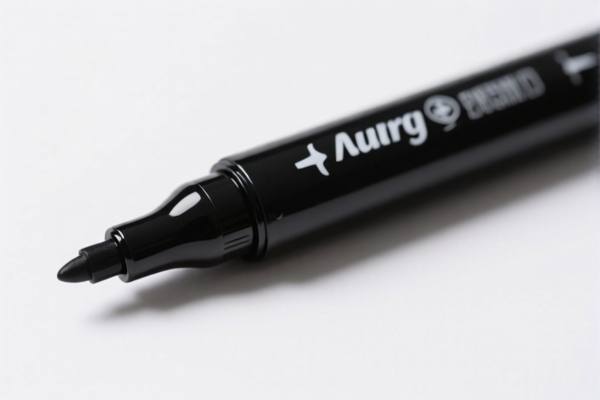
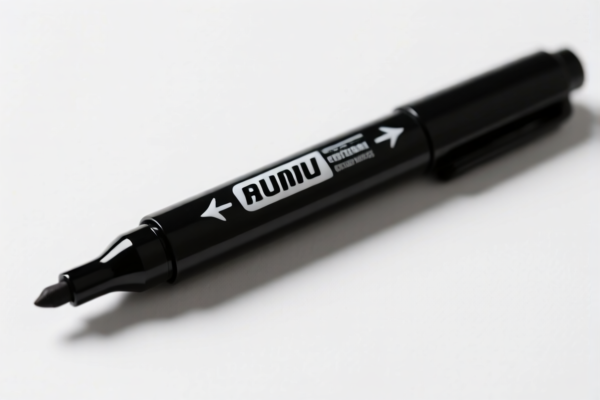

AI Analysis
🔦 Fiber Optic Red Light Pen (Fiber Optic Test Source)
🌐 HS Code Reference & Customs Clearance Guide | 2026 Latest Tariff Analysis | Professional Clearance Strategy
📌 I. Product Definition & Classification: Do You Really Understand the "Red Light Pen"?
A Fiber Optic Red Light Pen (also known as a Visual Fault Locator or VFL) is a diagnostic tool used in telecommunications and network engineering. It emits a visible red laser light (typically 650nm) into fiber optic cables to identify breaks, bends, splices, or connector issues.
In international trade, it is NOT classified as a standard "Display" or "General Optical Instrument." It is strictly categorized under Chapter 90: Optical Appliances and Instruments.
⚠️ Key Distinction:
- Is it a specific Laser Diode device? → Yes, it uses a laser diode to generate light, but the instrument itself is a diagnostic tool. - Is it a Laser (generic) or a Specialized Optical Instrument? → This is the critical legal boundary. - If classified as a "Laser, other than laser diodes" (due to its beam characteristics and safety class), it falls under 9013.20. - If classified as a "General optical appliance/instrument not specified elsewhere," it falls under 9013.80.
📦 II. HS Code Classification Details (2026 Latest Tariff Authority对照)
Based on the provided data, there are two primary classification paths for this product, depending on how customs authorities interpret its nature as a "Laser" vs. "General Instrument."
| HS Code | Product Description | Application Scenario | Laser Type Included? |
|---|---|---|---|
9013.20.00.00 |
Lasers, other than laser diodes | Devices where the primary legal definition is a "Laser" system, even if using diode sources for output. High-risk classification. | ✅ Yes (Legally defined as Laser) |
9013.80.91.00 |
Other devices, appliances and instruments (not specified elsewhere) | Diagnostic tools, testers, and general optical appliances not explicitly listed as "Lasers" in heading 9013.20. | ✅ Yes (But treated as Instrument) |
🔍 Critical Note:
- Many customs brokers mistakenly classify VFLs under 8517 (Communications Equipment) or 9013.80.91.00 as "Other Instruments." - However, if the U.S. CBP (Customs and Border Protection) or USITC determines the device's essential character is that of a Laser (which it is), it may force classification under 9013.20, triggering higher tariffs. - The data provided explicitly lists9013.20.00.00with a 25% additional tax, highlighting the risk of this classification.
💰 III. 2026 Latest Tariff Rate Details (Detailed Breakdown)
✅ Applicable Country: United States (US)
✅ Origin: China (CN)
✅ Effective Date: From November 10, 2025 (including subsequent imports)
🎯 1. 9013.80.91.00 —— Other Optical Appliances/Instruments (General Category)
| Item | Content |
|---|---|
| Base Tariff | 0.0% (ad valorem) |
| Additional Tariff (Section 301/IEEPA) | 0.0% |
| Total Tax Rate | 0.0% |
| Tax Calculation | CIF Value × 0.0% = $0 |
| De Minimis Eligibility | ✅ Yes (if eligible under $800 rule, though commercial imports usually require formal entry) |
| Legal Basis Path | 9013.80.91.00 → No Footnote 9903 application for this specific subheading in the provided data. |
📌 Explanation:
- This classification treats the Red Light Pen as a "General Optical Instrument" not explicitly listed as a "Laser" in the specific heading 9013.20. - Result: ZERO Tariff. This is the ideal classification for cost-saving, provided customs accepts it as a "general instrument" rather than a "laser."
🎯 2. 9013.20.00.00 —— Lasers, Other Than Laser Diodes
| Item | Content |
|---|---|
| Base Tariff | 0.0% |
| Additional Tariff (Section 301/IEEPA) | +25.0% |
| Total Tax Rate | 25.0% |
| Tax Calculation | CIF Value × 25.0% |
| De Minimis Eligibility | ❌ No (High-value or specific HS codes often excluded from de minimis in commercial contexts) |
| Legal Basis Path | 9013.20.00.00 → Subject to USITC Footnote 9903.88.01 or similar IEEPA provisions for lasers. |
📌 Explanation:
- This classification assumes the device is legally defined as a "Laser" (specifically, one that is not just a laser diode module, but a complete laser appliance). - Result: 25% Tariff. This is a significant cost increase. - Why the risk? Because VFLs are lasers. If customs auditors decide that "Lasers" heading 9013.20 takes precedence over "Other instruments" 9013.80, you will be hit with this 25% tax.
🛠️ IV. Customs Clearance Practical Advice (Battle-Tested Pitfall Avoidance)
✅ 1. Document Checklist (Non-Negotiable)
| Document | Must Provide | Explanation |
|---|---|---|
| ✅ Product Specifications | ✔️ | Must clearly state: "Visual Fault Locator (VFL)," "Wavelength: 650nm," "Class 3R/3B Laser Product." |
| ✅ User Manual | ✔️ | Shows it is a diagnostic tool for fiber optics, not a industrial laser cutter or medical laser. This supports the 9013.80 argument. |
| ✅ Laser Safety Certificate | ✔️ | IEC 60825-1 or FDA (CDRH) certification. Proves it is a consumer/industrial safety-compliant device. |
| ✅ Commercial Invoice | ✔️ | Description: "Fiber Optic Diagnostic Pen Light (VFL), Not for Medical or Industrial Cutting Use." |
| ✅ HS Code Justification Letter | ✔️ | If claiming 9013.80.91.00, include a letter explaining why it is an "instrument" and not a "laser appliance" under 9013.20. |
✅ 2. Declaration Strategy (Key Mnemonics)
🔥 "Define as Instrument, Not Laser; Show Diagnostic Purpose, Save 25% Cash!"
| Scenario | Correct Declaration | Wrong Practice |
|---|---|---|
| Standard VFL (Pen Light) | HS: 9013.80.91.00Description: "Fiber Optic Visual Fault Locator" |
HS: 9013.20.00.00Description: "Laser Device" → 25% Tax |
| Industrial Laser Marker | HS: 9013.20.00.00 |
HS: 9013.80.91.00 → Under-declaration, Risk of Penalty |
| Laser Diode Module (Component) | HS: 8541.10.00.00 (Semiconductors) |
HS: 9013.20.00.00 → Wrong Chapter |
📌 Critical Advice:
- Do NOT simply write "Laser Light Pen" on the invoice.
- DO write: "Fiber Optic Test Tool: Visual Fault Locator (VFL), 650nm Red Light, For Network Diagnostics Only." - The keyword "Test Tool" and "Diagnosis" supports the9013.80.91.00(Other Instrument) classification, which has 0% tax. - If you classify it as9013.20.00.00, you pay 25% unnecessarily.
✅ 3. Special Cases Handling
| Situation | Handling Advice |
|---|---|
| OEM/Private Label | Ensure the manual clearly states it is for fiber optic maintenance. Avoid branding it as a "Laser Pointer" (which may be classified as toys or general lasers, risking different HS codes). |
| High-Power VFLs (>5mW) | Still generally 9013.80.91.00 if used for diagnostics. However, ensure safety class is documented to avoid being misclassified as industrial equipment. |
| Bundled with Fiber Tools | Declare the VFL separately. Do not bundle it with "Fiber Optic Cables" (HS 8544) as it may confuse customs into assigning a random HS code. |
🌍 V. Global Market Clearance Comparison (2026 Latest)
| Country/Region | Recommended HS Code | Tariff (China Origin) | Certification Required | Notes |
|---|---|---|---|---|
| 🇺🇸 USA | 9013.80.91.00 |
0.0% | FDA/CDRH (Laser Safety) | Avoid 9013.20.00.00 (25% tax) |
| 🇨🇳 China | 9013.80.91.00 |
0.0% | CCC (if applicable) | Low tariff globally |
| 🇪🇺 EU | 9013.80.91.00 |
0.0% | CE + IEC 60825-1 | No additional tariffs |
| 🇬🇧 UK | 9013.80.91.00 |
0.0% | UKCA | Post-Brexit standard |
| 🇦🇺 Australia | 9013.80.91.00 |
5.0% | RCM | Standard import duty |
📌 Conclusion:
- USA is the only high-risk market due to the potential 25% additional tariff under9013.20.00.00. - Strategy: Push for9013.80.91.00(0% tax) in US imports by emphasizing its role as a diagnostic instrument, not a generic laser.
📌 VI. Common Errors & Pitfall Guide (Blood & Tears Lessons)
❌ Error 1: Labeling as "Laser Pointer"
👉 Consequence: Customs may classify it under Chapter 95 (Toys) or 9013.20 (Laser), leading to 25% tax or seizure for safety violations.
❌ Error 2: Omitting "Fiber Optic" in Description
👉 Consequence: Customs sees "Red Light Pen" and suspects it is a laser pointer for animals/dogs. Detention for further inspection.
❌ Error 3: Using HS 9013.20.00.00 Voluntarily
👉 Consequence: Pay 25% tax when you could have paid 0%. This is a self-inflicted wound.
❌ Error 4: No Laser Safety Certificate
👉 Consequence: FDA/CDRH refusal. The product will be blocked at the border for lack of FDA registration (if >0.39mW).
✅ Correct Approach:
"Visual Fault Locator (VFL), Model XYZ, 650nm, Red Light, For Fiber Optic Network Testing Only. FDA Compliant. HS: 9013.80.91.00."
🎯 VII. Conclusion: Professional Declaration Saves 25%!
🎯 Remember the Mantra:
🔹 "It's a Tester, Not a Laser Gun: 9013.80 is the One!"
🔹 "Avoid 9013.20, Or Your Profit is Gone!"
🔹 "HS Code9013.80.91.00= 0% Tax. HS Code9013.20.00.00= 25% Tax."
📌 Pro Tip:
If your Red Light Pen is produced in Vietnam, Thailand, or Malaysia, you may still qualify for 0% base duty, but check if Section 301 tariffs apply to those origins. Usually, US origin rules determine the 301 tariff, but origin declaration is critical. For China-origin goods, the 0% vs 25% split between the two HS codes is the most important decision.
📣 Immediate Action:
📞 Contact Your Broker: Ask specifically: "Can we classify this VFL under
9013.80.91.00to avoid the 25% laser tariff?"
📄 Submit FDA Registration: Ensure the device is FDA-compliant before shipping.
🚀 Get Your Fiber Optic Tools Through, Duty-Free, and On Time!
✨ Smart Clearance Starts with Smart Classification!
💼 Your 25% Savings are Just One HS Code Away!
Customer Reviews
About HS Code Classification
The Harmonized System (HS) is an internationally standardized nomenclature developed by the World Customs Organization (WCO) to classify traded products. Over 200 countries use the HS system as the basis for customs tariffs, trade statistics, and import/export regulations.
Each HS code follows a hierarchical structure:
- Chapter (2 digits) — Broad category of goods (e.g., Chapter 84: Machinery and Mechanical Appliances)
- Heading (4 digits) — More specific grouping within the chapter
- Subheading (6 digits) — Internationally standardized breakdown, used by all WCO member countries
- National subdivisions (8-10 digits) — Country-specific extensions for further classification, such as US HTSUS 10-digit codes
Correct HS code classification is essential for smooth customs clearance, accurate duty payment, and compliance with trade regulations. Misclassification can lead to customs delays, overpayment of duties, or penalties.
When importing from CN to US, the applicable tariff rates may include:
- Most-Favored-Nation (MFN) rate — The standard duty rate applied to WTO members
- General rate — Applied to countries without trade agreements
- Trade remedy duties — Additional tariffs such as Section 301 (anti-dumping), Section 232 (national security), or countervailing duties
The information provided on this page is for reference purposes only. For official classification, please consult with your local customs authority or a licensed customs broker.