Fiber Reinforced Repair Tape
CN → US| HS Code | Tariff Rate | Origin | Destination | Doc |
|---|---|---|---|---|
| 5603110070 | 35.0% | CN | US | Official Doc |
| 5603120070 | 35.0% | CN | US | Official Doc |
| 3919102010 | 40.8% | CN | US | Official Doc |
| 3919905020 | 40.8% | CN | US | Official Doc |
| 3926905500 | 40.1% | CN | US | Official Doc |
Product Images
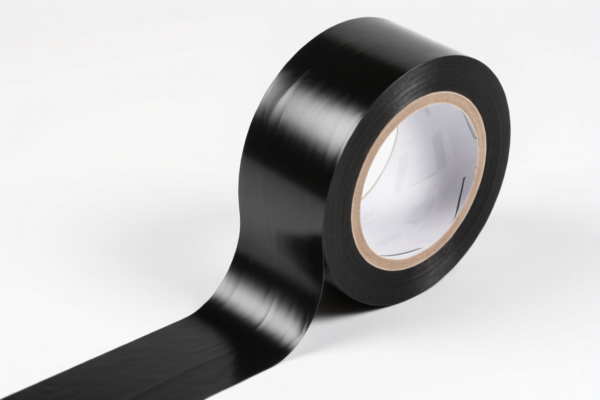
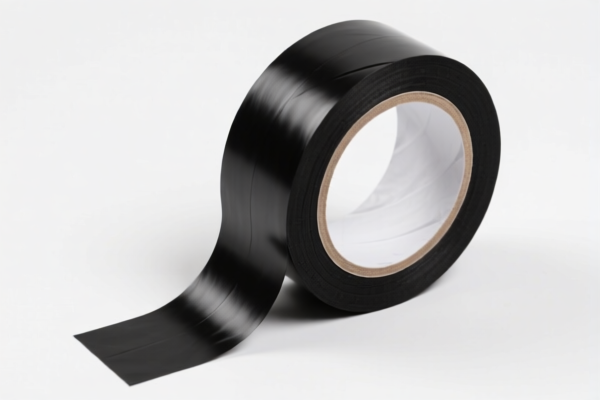
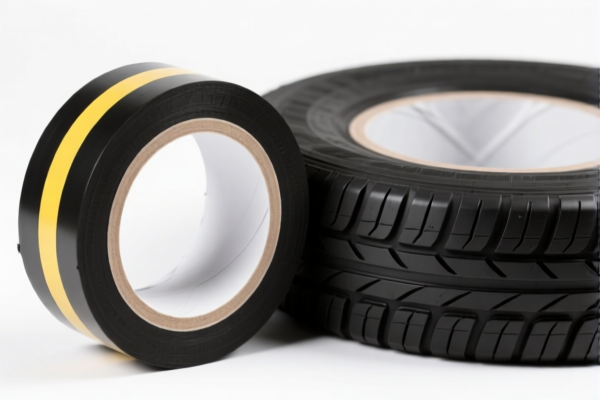
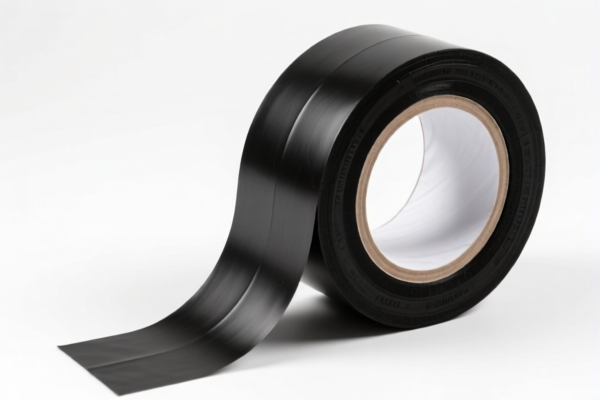
AI Analysis
🛠️ Fiber Reinforced Repair Tape (Fiber-Reinforced Self-Adhesive Tape)
🌐 HS Code Classification & Duty Guide | 2026 Updated Tariff Analysis | Professional Customs Clearance Strategy
📌 One: Product Definition & Classification – What Exactly Is “Fiber-Reinforced Repair Tape”?
Fiber Reinforced Repair Tape is a high-strength, self-adhesive composite tape used for structural repair, reinforcement, and sealing in industrial, automotive, construction, and marine applications. It features:
- Reinforcement Layer: Made of synthetic or artificial long fibers (e.g., polyester, nylon, fiberglass) for tensile strength;
- Adhesive Backing: A pressure-sensitive adhesive layer (often rubber-based or acrylic) that bonds securely to surfaces;
- Roll Form: Typically supplied in roll form, with widths ranging from 25mm to 150mm and lengths up to 30m;
- Application: Used for patching pipes, reinforcing joints, sealing cracks, and repairing composite materials.
⚠️ Critical Distinction:
- If the reinforcement is synthetic/人造 fibers and the tape is non-woven, it falls under non-woven fabric-based tapes.
- If the tape contains a plastic backing with fiber reinforcement, it may be classified under plastic-based tapes.
📦 Two: HS Code Classification Details (2026 Updated Tariff Authority Match)
| HS Code | Product Description | Applicable Use Cases | Fiber Type | Tape Form |
|---|---|---|---|---|
5603.11.00.70 |
Non-woven fabric, made of artificial or synthetic long fibers, not knitted or felted, for use in repair tapes | Industrial repair, pipe patching, temporary fixes | ✅ Artificial/ synthetic long fibers | ✅ Non-woven sheet/tape |
5603.12.00.70 |
Non-woven fabric, made of long fibers (including synthetic), not knitted or felted | Automotive repair, construction reinforcement, DIY kits | ✅ Long fibers (synthetic or natural) | ✅ Non-woven tape |
3919.10.20.10 |
Self-adhesive tapes, with a backing of plastic (e.g., polyethylene, PVC), reinforced with fibers, in roll form | High-strength industrial tapes, marine repair, automotive sealing | ✅ Fiber-reinforced plastic backing | ✅ Roll-form, self-adhesive |
3919.90.50.20 |
Other self-adhesive tapes, not elsewhere specified, with fiber reinforcement, in roll form | General-purpose repair tapes, industrial sealing, packaging | ✅ Fiber-reinforced | ✅ Roll-form, adhesive-backed |
3926.90.55.00 |
Other plastic articles, not elsewhere specified, including fiber-reinforced plastic components | Custom repair tapes, composite repair systems, industrial parts | ✅ Fiber-reinforced plastic | ✅ Non-woven or plastic-based composite |
🔍 Key Insight:
-5603.11.00.70&5603.12.00.70apply when the primary material is non-woven fabric made from synthetic/ artificial fibers — typical for textile-based repair tapes.
-3919.10.20.10&3919.90.50.20apply when the tape has a plastic backing with fiber reinforcement — common in high-performance industrial tapes.
-3926.90.55.00is used when the product is plastic-based and not covered by more specific subheadings.
💰 Three: 2026 Updated Duty Rate Breakdown (Including附加 Taxes & Legal Triggers)
✅ Target Country: United States (US)
✅ Origin: China (CN)
✅ Effective Date: November 10, 2025 (including future imports)
🎯 1. 5603.11.00.70 — Non-Woven Fabric Tape (Artificial/Synthetic Long Fibers)
| Item | Detail |
|---|---|
| Base Tariff | 0% (ad valorem) |
| USITC Additional Duty | +25% (under Section 301 of the Trade Act) |
| IEEPA Additional Duty | +10% (under International Emergency Economic Powers Act) |
| Total Duty Rate | 35.0% |
| Tax Calculation | CIF Value × 35% |
| De Minimis Threshold | ❌ Not applicable (denied de minimis) |
| Legal Basis Path | IEEPA:9903.01.25 → IEEPA:9903.01.24 → USITC:5603.11.00.70 → FOOTNOTE:9903.88.01 |
📌 Explanation:
- The 25% USITC duty stems from the Section 301 investigation on Chinese imports deemed to involve unfair trade practices.
- The 10% IEEPA duty is a national security-related tariff targeting products from China and Hong Kong.
- Total: 35% — one of the highest tariffs on non-woven repair tapes.
🎯 2. 5603.12.00.70 — Non-Woven Fabric Tape (Long Fibers, Not Knitted/Felted)
| Item | Detail |
|---|---|
| Base Tariff | 0% |
| USITC Additional Duty | +25% |
| IEEPA Additional Duty | +10% |
| Total Duty Rate | 35.0% |
| Tax Calculation | CIF × 35% |
| De Minimis | ❌ Not eligible |
| Legal Basis Path | IEEPA:9903.01.25 → IEEPA:9903.01.24 → USITC:5603.12.00.70 → FOOTNOTE:9903.88.01 |
📌 Note:
- Identical to5603.11.00.70in duty treatment — no difference in tariff despite slight wording variation.
- Applies to all non-woven tapes made from long synthetic fibers, regardless of brand or application.
🎯 3. 3919.10.20.10 — Fiber-Reinforced Plastic Self-Adhesive Tape (Roll Form)
| Item | Detail |
|---|---|
| Base Tariff | 5.8% |
| USITC Additional Duty | +25% |
| IEEPA Additional Duty | +10% |
| Total Duty Rate | 40.8% |
| Tax Calculation | CIF × 40.8% |
| De Minimis | ❌ Not eligible |
| Legal Basis Path | IEEPA:9903.01.25 → IEEPA:9903.01.24 → USITC:3919.10.20.10 → FOOTNOTE:9903.88.01 |
📌 Why Higher?
- The 5.8% base tariff reflects the plastic backing classification.
- The same 25% + 10%附加 taxes apply — meaning plastic-based reinforced tapes face higher total duty than textile-based ones.
🎯 4. 3919.90.50.20 — Other Self-Adhesive Tapes (Fiber-Reinforced, Not Elsewhere Specified)
| Item | Detail |
|---|---|
| Base Tariff | 5.8% |
| USITC Additional Duty | +25% |
| IEEPA Additional Duty | +10% |
| Total Duty Rate | 40.8% |
| Tax Calculation | CIF × 40.8% |
| De Minimis | ❌ Not eligible |
| Legal Basis Path | IEEPA:9903.01.25 → IEEPA:9903.01.24 → USITC:3919.90.50.20 → FOOTNOTE:9903.88.01 |
📌 When to Use This Code?
- If the tape does not fit under3919.10.20.10(e.g., unusual fiber type, non-standard backing).
- Often used for custom or niche repair tapes not covered by more specific subheadings.
🎯 5. 3926.90.55.00 — Other Plastic Articles (Fiber-Reinforced, Not Elsewhere Specified)
| Item | Detail |
|---|---|
| Base Tariff | 5.1% |
| USITC Additional Duty | +25% |
| IEEPA Additional Duty | +10% |
| Total Duty Rate | 40.1% |
| Tax Calculation | CIF × 40.1% |
| De Minimis | ❌ Not eligible |
| Legal Basis Path | IEEPA:9903.01.25 → IEEPA:9903.01.24 → USITC:3926.90.55.00 → FOOTNOTE:9903.88.01 |
📌 When to Use This Code?
- For non-tape plastic components with fiber reinforcement, such as repair patches, molded repair sleeves, or composite repair kits.
- Not suitable for standard roll-form tapes — only for non-tape plastic parts.
🛠️ Four: Customs Clearance Best Practices (Pro Tips to Avoid Delays & Penalties)
✅ 1. Required Documentation (Must-Have Checklist)
| Document | Required? | Notes |
|---|---|---|
| ✅ Product Specification Sheet | ✔️ | Include fiber type, backing material, adhesive type, roll dimensions |
| ✅ Material Safety Data Sheet (MSDS) | ✔️ | Especially for industrial/chemical-adhesive tapes |
| ✅ Product Photos (with label & roll end) | ✔️ | Show fiber structure, adhesive layer, roll form |
| ✅ Third-Party Test Report | ✔️ | UL, RoHS, REACH, or ASTM (if applicable) |
| ✅ Commercial Invoice | ✔️ | Clearly state: "Fiber Reinforced Repair Tape, Self-Adhesive, in Roll Form" |
| ✅ Certificate of Origin (CO) | ✔️ | Critical for tariff eligibility; use Form A or CO for China |
| ✅ Packing List | ✔️ | Show total weight, number of rolls, net/gross weight |
✅ 2.申报技巧(Key Pro Tips)
🔥 “Material First, Form Second, Label Accurate, Duty Avoided!”
| Scenario | Correct HS Code | Wrong Code | Risk |
|---|---|---|---|
| Tape made of synthetic fiber non-woven fabric | 5603.11.00.70 or 5603.12.00.70 |
3919.10.20.10 |
35% vs 40.8% → Save 5.8% |
| Tape with plastic backing + fiber reinforcement | 3919.10.20.10 |
5603.11.00.70 |
Wrong classification → penalty |
| Custom tape not fitting standard categories | 3919.90.50.20 |
3926.90.55.00 |
May be rejected if not a "plastic article" |
| Repair patch (non-roll, molded) | 3926.90.55.00 |
3919.10.20.10 |
Wrong form → reclassification |
✅ 3. Special Cases & Solutions
| Situation | Recommended Action |
|---|---|
| Tape labeled “Fiber Tape” but made of plastic | Use 3919.10.20.10 or 3919.90.50.20 — not textile-based |
| Tape with both fabric and plastic layers | Use material composition analysis — if fiber is primary, go with 5603.11/12.00.70 |
| Tape used in medical or aerospace | Apply for special-use exemption — requires technical justification |
| Tape from Vietnam/Mexico/Thailand | Eligible for IEEPA exemption — duty drops to 0%–5% |
🌍 Five: Global Market Duty Comparison (2026 Update)
| Country/Region | Recommended HS Code | Base Duty | Additional Taxes | Total Duty | Certification |
|---|---|---|---|---|---|
| 🇺🇸 USA (China origin) | 5603.11.00.70 |
0% | +25% +10% | 35.0% | FCC, RoHS |
| 🇨🇳 China | 5603.11.00.70 |
5% | None | 5% | CCC, RoHS |
| 🇪🇺 EU | 5603.11.00.70 |
0% | None | 0% | CE, REACH |
| 🇦🇺 Australia | 3919.10.20.10 |
5% | None | 5% | RCM |
| 🇯🇵 Japan | 3919.90.50.20 |
0% | None | 0% | PSE |
📌 Insight:
- USA is the only market imposing 35%+附加 taxes on fiber-reinforced repair tapes.
- China, EU, Japan, Australia have much lower or zero tariffs — ideal for export diversification.
📌 Six: Common Mistakes & How to Avoid Them (Real-World Risks)
❌ Mistake 1: Labeling a plastic-backed tape as "non-woven" →申报 5603.11.00.70
👉 Result: Incorrect HS Code, duty underpayment, penalties + back taxes
❌ Mistake 2: Not distinguishing fiber type — using 5603.11.00.70 for natural fibers
👉 Result: Misclassification — only synthetic/artificial fibers qualify
❌ Mistake 3: Using 3926.90.55.00 for a standard roll tape
👉 Result: Wrong category — only for non-tape plastic components
❌ Mistake 4: Not providing material composition proof
👉 Result: Customs may delay release or request reclassification
✅ Correct Labeling Example:
“Fiber Reinforced Repair Tape, 50mm × 10m, Synthetic Fiber Non-Woven Backing, Self-Adhesive, Roll Form, Model XYZ, RoHS & REACH Certified”
🎯 Seven: Conclusion – Accurate Classification = Lower Cost, Faster Clearance!
🎯 Remember the Golden Rule:
🔹 "Fiber Type First, Backing Material Second, Roll Form Last, Duty Saved!"
🔹 "One wrong HS Code = 5%–10% more in duties — that’s thousands in losses!"
📌 Pro Tip:
✅ Apply for an Advance Ruling (Pre-Decision) with U.S. Customs before shipment — locks in the correct HS Code and avoids disputes.
✅ Consider shifting production to Vietnam, Mexico, or Thailand — eligible for IEEPA exemption → duty drops to 0%–5%.
📣 Take Action Now:
📞 Contact a licensed customs broker + provide product photos + request HS Code pre-ruling
🚀 Ensure your repair tape clears fast, pays less, and stays competitive!
✨ Professional Customs Starts with Precision.
💼 Your Profit Depends on the Right HS Code.
Customer Reviews
About HS Code Classification
The Harmonized System (HS) is an internationally standardized nomenclature developed by the World Customs Organization (WCO) to classify traded products. Over 200 countries use the HS system as the basis for customs tariffs, trade statistics, and import/export regulations.
Each HS code follows a hierarchical structure:
- Chapter (2 digits) — Broad category of goods (e.g., Chapter 84: Machinery and Mechanical Appliances)
- Heading (4 digits) — More specific grouping within the chapter
- Subheading (6 digits) — Internationally standardized breakdown, used by all WCO member countries
- National subdivisions (8-10 digits) — Country-specific extensions for further classification, such as US HTSUS 10-digit codes
Correct HS code classification is essential for smooth customs clearance, accurate duty payment, and compliance with trade regulations. Misclassification can lead to customs delays, overpayment of duties, or penalties.
When importing from CN to US, the applicable tariff rates may include:
- Most-Favored-Nation (MFN) rate — The standard duty rate applied to WTO members
- General rate — Applied to countries without trade agreements
- Trade remedy duties — Additional tariffs such as Section 301 (anti-dumping), Section 232 (national security), or countervailing duties
The information provided on this page is for reference purposes only. For official classification, please consult with your local customs authority or a licensed customs broker.