Fiber Reinforced Tape Corner Protection
CN → US| HS Code | Tariff Rate | Origin | Destination | Doc |
|---|---|---|---|---|
| 3919905020 | 40.8% | CN | US | Official Doc |
| 3926909989 | 22.8% | CN | US | Official Doc |
| 3926905500 | 40.1% | CN | US | Official Doc |
| 3919102010 | 40.8% | CN | US | Official Doc |
| 5603110070 | 35.0% | CN | US | Official Doc |
Product Images
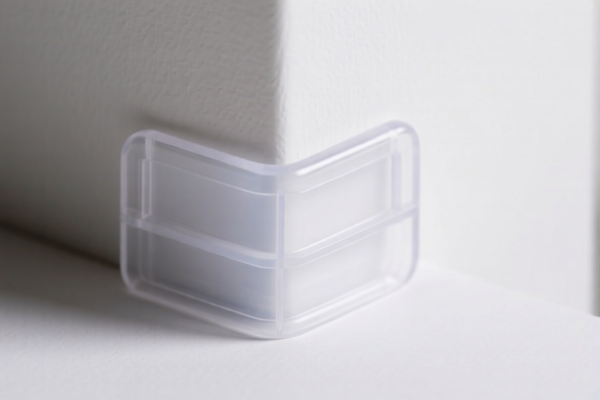
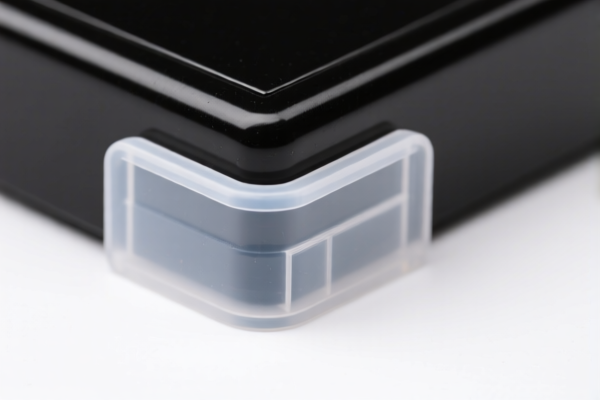

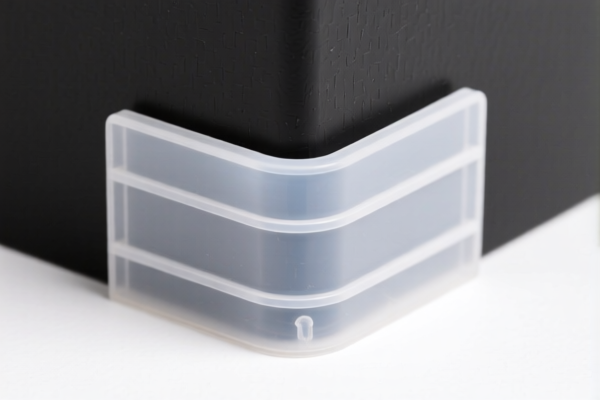
AI Analysis
🛡️ Fiber Reinforced Tape Corner Protection
🌐 HS Code Reference & Customs Clearance Guide | 2026 Latest Tariff Analysis | Professional Clearance Strategy
📌 I. Product Definition & Classification: What Exactly Is "Fiber Reinforced Tape Corner Protection"?
Fiber Reinforced Tape Corner Protection is a specialized industrial packaging and logistics accessory designed to safeguard the fragile edges and corners of cartons, furniture, electronics, and metal profiles during transit. It typically consists of a strong backing material (often PVC, plastic, or paper) reinforced with high-tensile fibers (such as fiberglass, polyester, or nylon) and coated with a pressure-sensitive adhesive.
In international trade, the classification hinges on two critical factors:
1. Material Composition: Is it primarily plastic/polymer? Does it contain textile fibers?
2. Form Factor: Is it in rolls (self-adhesive tape) or cut pieces (other articles)?
⚠️ Key Distinction:
- If the product is pre-cut into specific L-shapes or corner blocks and sold as a "protective article," it leans towards Chapter 39 (Plastics/Articles of Plastics).
- If it is sold in rolls and is primarily identified as a "self-adhesive tape," it falls under Chapter 39 (Rolls/Self-adhesive).
- If the textile/fiber component is dominant in weight or function (non-woven fabric base), it may fall under Chapter 56 (Non-wovens).
📦 II. HS Code Classification Details (2026 Latest Tariff Authority Comparison)
Based on the provided data, here are the 5 potential HS Codes for Fiber Reinforced Tape Corner Protection, ranked by relevance and tax impact.
| HS Code | Product Description | Application Scenario | Tax Rate (Total) |
|---|---|---|---|
3919.90.50.20 |
Fiber-reinforced tapes, material & form match | General fiber-reinforced adhesive tapes, including corner guards if supplied in roll form or similar tape structure | 40.8% |
3926.90.99.89 |
Plastic & other material articles, containing plastic/polymer | Cut corner protectors, molded plastic guards, or non-tape articles made of plastic/polymer | 22.8% |
3926.90.55.00 |
Plastic/other material articles containing textile fibers | Corner guards or articles where textile fibers are embedded in plastic, distinct from simple tape | 40.1% |
3919.10.20.10 |
Fiber-reinforced roll-form self-adhesive tape | Specifically roll-form fiber-reinforced self-adhesive tapes (often used for reinforcing corners by applying tape to the edge) | 40.8% |
5603.11.00.70 |
Man-made filaments/synthetic fiber non-wovens | Corner protection pads made primarily of non-woven fabric with minimal adhesive/plastic coating | 35.0% |
🔍 Critical Note:
- High Tariff Items (40.8%&40.1%): These include most standard fiber-reinforced tapes (3919) and textile-plastic composites (3926.55). These are heavily impacted by Section 301/122 tariffs.
- Lower Tariff Item (22.8%):3926.90.99.89is the best option for pre-molded or pre-cut plastic corner protectors that are not classified as "tapes." If your product is a hard plastic L-profile or a simple foam/plastic corner cap, this code is significantly cheaper.
- Non-Woven Option (35.0%): Only applicable if the base material is explicitly a non-woven fabric (e.g., felt-like pad). If it’s a woven fabric tape, this code is incorrect and risky.
💰 III. 2026 Latest Tariff Rate Breakdown (Including Surcharge & Policy Add-ons)
✅ Applicable Country: United States (US)
✅ Origin: China (CN)
✅ Effective Date: November 10, 2025 onwards (includes subsequent imports)
🎯 1. 3919.90.50.20 & 3919.10.20.10 —— Fiber-Reinforced Tapes
These are the most common codes for fiber-reinforced adhesive tapes used for corner protection.
| Item | Content |
|---|---|
| Base Duty Rate | 5.8% (Ad Valorem) |
| Section 301 Surcharge | +25.0% (Added for Chinese origin goods under USITC) |
| Section 122 Tariff | +10.0% (Additional duty under Section 122) |
| Total Effective Rate | 40.8% |
| Tax Calculation | CIF Value × 40.8% |
| De Minimis Exemption | ❌ Not Eligible (deny_de_minimis) |
| Legal Path | Base Duty: 5.8% + Section 301: 25% + Section 122: 10% |
📌 Explanation:
- The 25% comes from the US Trade Representative (USTR) Section 301 list, targeting specific Chinese goods including plastics and tapes.
- The 10% is a Section 122 duty, often applied to certain industrial materials.
- Total 40.8% is a very high entry barrier. Clearance requires precise documentation to prove the product is not a "textile" (which might have different rules) but a "plastic tape."
🎯 2. 3926.90.99.89 —— Plastic & Other Material Articles
Best for pre-cut corner guards or molded plastic protectors.
| Item | Content |
|---|---|
| Base Duty Rate | 5.3% (Ad Valorem) |
| Section 301 Surcharge | +7.5% (Lower surcharge for "Other plastics articles") |
| Section 122 Tariff | +10.0% |
| Total Effective Rate | 22.8% |
| Tax Calculation | CIF Value × 22.8% |
| De Minimis Exemption | ❌ Not Eligible (deny_de_minimis) |
| Legal Path | Base Duty: 5.3% + Section 301: 7.5% + Section 122: 10% |
📌 Explanation:
- This code is significantly cheaper (22.8% vs 40.8%).
- Strategy: If your "corner protection" is a rigid or semi-rigid plastic L-profile or a pre-cut piece, do not classify it as tape. Classify it as an "Article of Plastic" (3926). This can save 18% in duties per unit.
🎯 3. 3926.90.55.00 —— Plastic Articles with Textile Fibers
| Item | Content |
|---|---|
| Base Duty Rate | 5.1% |
| Section 301 Surcharge | +25.0% |
| Section 122 Tariff | +10.0% |
| Total Effective Rate | 40.1% |
| Tax Calculation | CIF Value × 40.1% |
| De Minimis Exemption | ❌ Not Eligible |
| Legal Path | Base Duty: 5.1% + Section 301: 25% + Section 122: 10% |
📌 Explanation:
- This code applies if the product is a composite article where textile fibers are integrated into the plastic, but it is not considered a "tape" (3919).
- The 25% surcharge makes it nearly as expensive as the tape codes. Only use if the product is clearly an "article" and not a "tape."
🎯 4. 5603.11.00.70 —— Man-made Fiber Non-Wovens
| Item | Content |
|---|---|
| Base Duty Rate | 0.0% |
| Section 301 Surcharge | +25.0% |
| Section 122 Tariff | +10.0% |
| Total Effective Rate | 35.0% |
| Tax Calculation | CIF Value × 35.0% |
| De Minimis Exemption | ❌ Not Eligible |
| Legal Path | Base Duty: 0.0% + Section 301: 25% + Section 122: 10% |
📌 Explanation:
- Only applicable if the product is a non-woven fabric pad (e.g., felt-like corner bumpers).
- If you use woven fabric or plastic film, this code is incorrect. Misclassification can lead to severe penalties.
🛠️ IV. Customs Clearance Practical Advice (Real-World Pitfall Guide)
✅ 1. Required Documentation Checklist (Non-Negotiable)
| Document | Mandatory? | Explanation |
|---|---|---|
| ✅ Product Spec Sheet | ✔️ | Must detail material composition (e.g., "90% PVC, 10% Polyester Fiber"). |
| ✅ Product Photos | ✔️ | Show the adhesive side, the fiber reinforcement structure, and the final corner application. |
| ✅ Commercial Invoice | ✔️ | Must explicitly state: "Fiber Reinforced Plastic Corner Protector" or "Self-Adhesive Tape." Avoid vague terms like "Packaging Material." |
| ✅ Material Declaration | ✔️ | Confirm if it is "Roll Form" (Tape) or "Pre-Cut/Molded" (Article). This determines Chapter 39.19 vs 39.26. |
| ✅ Country of Origin | ✔️ | Must be marked "Made in China" to apply surcharges accurately. |
| ✅ HS Code Pre-Ruling | ✔️ | Highly recommended due to the 18% tax difference between 3919 and 3926.99. |
✅ 2. Classification Strategy (Key Mantra)
🔥 "Shape Determines Code, Material Determines Tax!"
| Scenario | Correct HS Code | Why? | Total Tax |
|---|---|---|---|
| Rolls of Tape used to reinforce corners | 3919.90.50.20 or 3919.10.20.10 |
It is a "Self-Adhesive Tape" in rolls. | 40.8% |
| Pre-cut L-Shaped Plastic Guards | 3926.90.99.89 |
It is an "Article of Plastic," not a tape. | 22.8% ⭐ Best Option |
| Foam/Felt Corner Pads (Non-woven) | 5603.11.00.70 |
Base material is non-woven fabric. | 35.0% |
| Fabric-backed Plastic Sheets | 3926.90.55.00 |
Composite article with textile fibers. | 40.1% |
✅ 3. Special Handling Tips
| Situation | Advice |
|---|---|
| OEM Custom Corner Protectors | Provide design drawings. If the design is a simple molded shape, argue for 3926.90.99.89 to avoid the 25% tape surcharge. |
| Mixed Shipments (Tape + Guards) | Do NOT combine into one line item. Ship separately: Tape under 3919, Guards under 3926.99. Combining them may trigger audit for the entire shipment. |
| Small Packages (< $800) | ❌ No De Minimis. All these codes are deny_de_minimis. Small shipments are NOT exempt. |
| Textile Content > 10% | Ensure the "fiber" is for reinforcement, not the primary aesthetic. If it looks like a fabric band, CBP may challenge 3919 and push for textile codes (different rules). |
🌍 V. Global Market Comparison (2026 Latest)
| Country/Region | Recommended HS Code | Tariff (China Origin) | Notes |
|---|---|---|---|
| 🇺🇸 USA | 3926.90.99.89 (If possible) |
22.8% | Use 3919 only if roll-form. Avoid 3919 if pre-cut guards are feasible. |
| 🇨🇳 China | 3926.90.99.89 |
5% | Standard import duty. No Section 301/122. |
| 🇪🇺 EU | 3926.90.99 |
6.5% | No Section 301. Standard WTO rates apply. |
| 🇬🇧 UK | 3926.90.99 |
6.5% | Post-Brexit tariff structure applies. |
📌 Conclusion:
- USA is the most expensive market due to Section 301 (25%) and Section 122 (10%).
- Cost Saving Strategy: If your product is a rigid or semi-rigid corner guard, classify as3926.90.99.89(22.8%) instead of3919(40.8%). This is an 18% saving.
- If it must be a tape, expect to pay 40.8%.
📌 VI. Common Errors & Pitfalls (Lessons from the Field)
❌ Error 1: Calling pre-cut plastic corner guards "Tape"
👉 Consequence: Classified as 3919 → 40.8% tax. Should have been 3926 → 22.8%.
✅ Fix: Use terms like "Corner Protector," "Edge Guard," or "Molded Plastic Article."
❌ Error 2: Ignoring Section 122
👉 Consequence: Missing the 10% Section 122 surcharge in calculation.
✅ Fix: Always add 10% Section 122 to all plastic/tape imports from China to the US.
❌ Error 3: Misidentifying Non-Wovens
👉 Consequence: Using 5603 for a woven fabric tape.
✅ Fix: Woven = Chapter 59 or 3919 (if plastic-backed). Non-woven = Chapter 56.
🎯 VII. Conclusion: Professional Clearance, Cost Optimization!
🎯 Remember the Mantra:
🔹 "Pre-cut is 3926 (22.8%), Rolls are 3919 (40.8%)."
🔹 "Section 122 adds 10%, Section 301 adds 25% or 7.5%."
🔹 "Don't let your corner protection cost you a fortune!"
📌 Pro Tip:
If you are importing large volumes, consider Advance Rulings from US CBP to lock in the 3926.90.99.89 classification for pre-cut guards. This provides legal certainty and avoids post-import audits.
📣 Immediate Action:
📞 Contact Customs Broker + Provide Product Photos + Specify Material Composition
🚀 Optimize Your HS Code to Save 18% in Duties!
✨ Professional Clearance Starts with Accurate Classification!
💼 Every Percent Saved is Pure Profit!
Customer Reviews
About HS Code Classification
The Harmonized System (HS) is an internationally standardized nomenclature developed by the World Customs Organization (WCO) to classify traded products. Over 200 countries use the HS system as the basis for customs tariffs, trade statistics, and import/export regulations.
Each HS code follows a hierarchical structure:
- Chapter (2 digits) — Broad category of goods (e.g., Chapter 84: Machinery and Mechanical Appliances)
- Heading (4 digits) — More specific grouping within the chapter
- Subheading (6 digits) — Internationally standardized breakdown, used by all WCO member countries
- National subdivisions (8-10 digits) — Country-specific extensions for further classification, such as US HTSUS 10-digit codes
Correct HS code classification is essential for smooth customs clearance, accurate duty payment, and compliance with trade regulations. Misclassification can lead to customs delays, overpayment of duties, or penalties.
When importing from CN to US, the applicable tariff rates may include:
- Most-Favored-Nation (MFN) rate — The standard duty rate applied to WTO members
- General rate — Applied to countries without trade agreements
- Trade remedy duties — Additional tariffs such as Section 301 (anti-dumping), Section 232 (national security), or countervailing duties
The information provided on this page is for reference purposes only. For official classification, please consult with your local customs authority or a licensed customs broker.