Fiber Reinforced Wear Resistant Tape
CN → US| HS Code | Tariff Rate | Origin | Destination | Doc |
|---|---|---|---|---|
| 3919905020 | 40.8% | CN | US | Official Doc |
| 3926909989 | 22.8% | CN | US | Official Doc |
| 3926905500 | 40.1% | CN | US | Official Doc |
| 3919102010 | 40.8% | CN | US | Official Doc |
| 5603110070 | 35.0% | CN | US | Official Doc |
Product Images
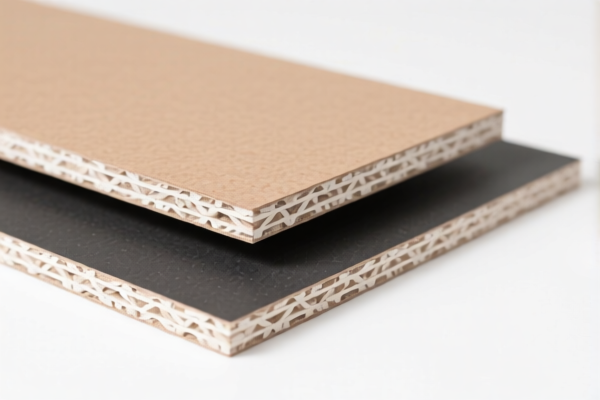
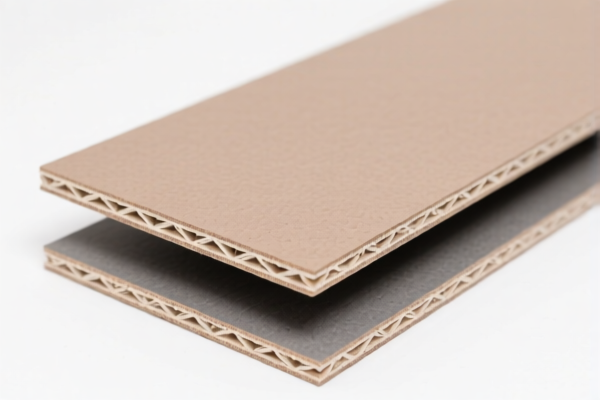
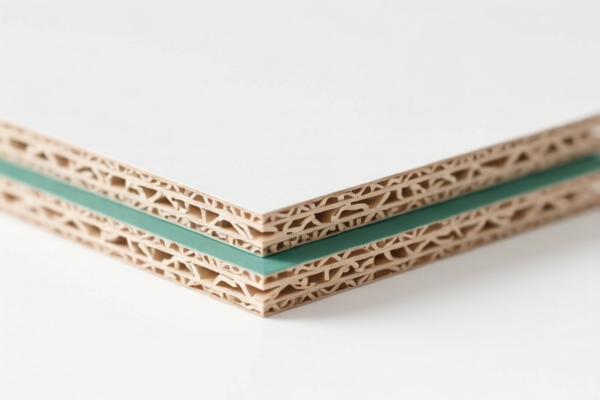
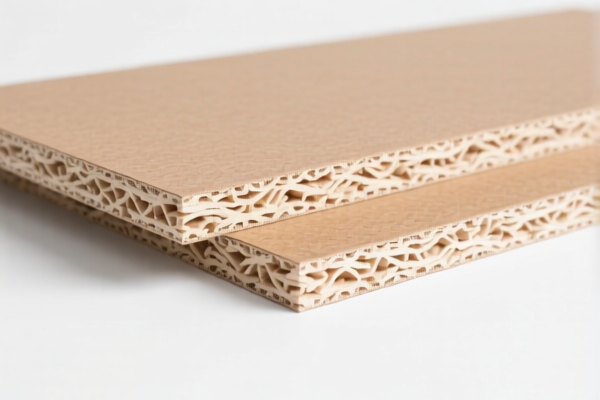
AI Analysis
🛡️ Fiber Reinforced Wear Resistant Tape (Composite Adhesive Tape)
🌐 HS Code Reference & Customs Clearance Guide | 2026 Latest Tariff Analysis | Professional Clearance Strategy
📌 I. Product Definition & Classification: What is "Fiber Reinforced Wear Resistant Tape"?
Fiber Reinforced Wear Resistant Tape is a high-performance industrial adhesive tape. It typically consists of a polymer/plastic base (film or fabric) reinforced with high-strength fibers (such as fiberglass, carbon fiber, or synthetic textiles) and coated with a pressure-sensitive adhesive. It is widely used for pipe wrapping, structural reinforcement, anti-corrosion protection, and wear resistance in harsh environments.
In international trade, its classification hinges on two key factors: 1. Material Composition: Does it contain plastic/polymer? Does it contain textile fibers? 2. Form Factor: Is it in rolls (self-adhesive)? Is it a finished article?
⚠️ Critical Distinction:
- If the primary character is "Plastic/Polymer Tape", it falls under Chapter 39 (Plastics).
- If the primary character is "Textile/Fiber Article", it may fall under Chapter 56 (Non-wovens/Fibers).
- Misclassification Risk: Declaring a plastic-fiber composite as pure textile or pure plastic without justification leads to misdeclaration penalties.
📦 II. HS Code Classification Details (2026 Latest Tariff Authority Mapping)
Based on the specific product attributes (Fiber + Reinforcement + Tape Form), here are the 5 most likely HS Codes with detailed tax breakdowns. Note that US Tariffs (Section 301 + IEEPA) significantly impact these codes.
| HS Code | Product Description | Basis for Classification | Total Tax Rate (China to US) |
|---|---|---|---|
3919.90.50.20 |
Plastic Tape, Other, Fibre-Reinforced | Best Match: Explicitly mentions "Fibre-reinforced" and "Tape". Matches material (plastic/polymer base) and form (roll). | 40.8% |
3919.10.20.10 |
Plastic Tape, Self-Adhesive, Fibre-Reinforced | Strong Match: Matches "Fibre-reinforced" and "Self-adhesive" characteristic. Specific to rolls of uniform width. | 40.8% |
3926.90.55.00 |
Other Plastic Articles, Containing Textile Fibres | Alternative: If the tape is considered an "article" rather than just "tape material". Fits "containing textile fibres". | 40.1% |
3926.90.99.89 |
Other Plastic Articles, Not Elsewhere Specified | Fallback: If it doesn't fit specific "textile-containing" or "fibre-reinforced tape" subheadings. Broad "Other" category. | 22.8% |
5603.11.00.70 |
Non-wovens, Weight ≤ 25g/m², Synthetic Filaments | Textile Angle: If the product is primarily a non-woven fabric (e.g., scrim-reinforced) and not a plastic film tape. | 35.0% |
💰 III. 2026 Latest Tariff Rate Breakdown (Detailed Policy)
✅ Applicable Country: United States (US)
✅ Origin: China (CN)
✅ Effective Time: From November 10, 2025 (and subsequent imports)
🎯 1. 3919.90.50.20 & 3919.10.20.10 — Plastic Tape (Fibre-Reinforced)
| Item | Content |
|---|---|
| Base Tariff | 5.8% (ad valorem) |
| Section 301 Tariff | +25.0% (List 4B items) |
| IEEPA Tariff | +10.0% (China/Hong Kong specific, effective Nov 2025) |
| Total Tariff | 40.8% |
| Calculation | CIF Value × 40.8% |
| De Minimis Exemption | ❌ Denied (deny_de_minimis) |
| Legal Path | USITC:3919.90.50.20 → USITC:3919.10.20.10 → FOOTNOTE:301_LIST4B → IEEPA:9903.01.24 |
📌 Explanation:
- These codes fall under Chapter 39 (Plastics). The "Fibre-Reinforced" designation is explicit in the US tariff schedule.
- High Risk: Both Section 301 (25%) and IEEPA (10%) apply. No exemptions available.
- Total Burden: Over 40% is a significant cost driver.
🎯 2. 3926.90.55.00 — Other Plastic Articles (Containing Textile Fibres)
| Item | Content |
|---|---|
| Base Tariff | 5.1% |
| Section 301 Tariff | +25.0% |
| IEEPA Tariff | +10.0% |
| Total Tariff | 40.1% |
| Calculation | CIF Value × 40.1% |
| De Minimis Exemption | ❌ Denied |
📌 Explanation:
- Used if the tape is classified as an "Article" (e.g., cut pieces, specialized shapes) rather than a roll of "Tape".
- Slightly lower than 3919 codes due to a lower base rate, but still subject to full punitive tariffs.
🎯 3. 3926.90.99.89 — Other Plastic Articles (General)
| Item | Content |
|---|---|
| Base Tariff | 5.3% |
| Section 301 Tariff | +7.5% (Note: Lower Section 301 rate applies to some general "Other" plastic articles) |
| IEEPA Tariff | +10.0% |
| Total Tariff | 22.8% |
| Calculation | CIF Value × 22.8% |
| De Minimis Exemption | ❌ Denied |
📌 Explanation:
- Potential Cost Saver: If you can justify that the product is a "General Plastic Article" and not specifically "Fibre-Reinforced Tape" or "Textile-Containing", the Section 301 rate drops to 7.5%.
- Risk: High audit risk. Must prove it doesn't fit the specific "3919" or "3926.55" definitions.
🎯 4. 5603.11.00.70 — Non-wovens (Fiber-Based)
| Item | Content |
|---|---|
| Base Tariff | 0.0% |
| Section 301 Tariff | +25.0% |
| IEEPA Tariff | +10.0% |
| Total Tariff | 35.0% |
| Calculation | CIF Value × 35.0% |
| De Minimis Exemption | ❌ Denied |
📌 Explanation:
- Only applicable if the product is primarily a non-woven fabric (e.g., fiberglass scrim) and not a plastic tape with adhesive backing.
- If the adhesive and plastic coating dominate, this classification will be rejected by CBP.
🛠️ IV. Customs Clearance Practical Advice (Real-World Pitfall Guide)
✅ 1. Required Documentation Checklist
| Document | Required | Notes |
|---|---|---|
| ✅ Product Specification Sheet | ✔️ | Must clearly state: Base Material (Plastic/Film vs. Textile), Reinforcement (Fiberglass/Carbon), Adhesive Type, Dimensions, Weight. |
| ✅ Material Composition Analysis | ✔️ | Lab report confirming % of plastic vs. fiber. Critical for distinguishing between Ch. 39 and Ch. 56. |
| ✅ Product Photos (Clear & Detailed) | ✔️ | Show cross-section (if possible) to demonstrate layer structure (Plastic + Fiber + Adhesive). |
| ✅ Commercial Invoice | ✔️ | Description: "Fiber Reinforced Plastic Adhesive Tape" or "Reinforced Wear Resistant Tape". Avoid vague terms like "Repair Tape". |
| ✅ Certificate of Origin (CO) | ✔️ | Mandatory for determining US origin rules and tariff eligibility. |
| ✅ HS Code Pre-Ruling Request | ✔️ | Highly Recommended. Submit to CBP before shipment to lock in the HS Code. |
✅ 2. Declaration Strategy (Key Mnemonics)
🔥 “Base Defines Chapter, Reinforcement Defines Subheading, Adhesive Defines Form!”
| Scenario | Correct Declaration | Wrong Approach | Consequence |
|---|---|---|---|
| Plastic Film + Fiberglass + Adhesive | 3919.90.50.20 |
Declare as "Textile Tape" (5603) |
CBP rejects → Re-classified to 3919 → Penalty + Back Tariffs |
| Cut Pieces of Tape (Not Rolls) | 3926.90.55.00 |
Declare as "Tape" (3919) |
Misdeclaration → Penalty |
| Non-Woven Fiberglass Scrim (No Adhesive) | 5603.11.00.70 |
Declare as "Adhesive Tape" | Wrong Code → 35% vs 40.8% discrepancy |
| General Plastic Film (No Fiber) | 3926.90.99.89 |
Declare as "Fibre-Reinforced" | Over-declaration → Audit Risk |
✅ 3. Special Circumstances Handling
| Situation | Handling Advice |
|---|---|
| OEM Custom Tape | Provide client’s technical drawings. If the fiber is incidental, argue for 3926.90.99.89 (22.8%) to save cost. |
| Mixed Shipment | Separate "Plastic Tape" and "Fiber Non-wovens" in different invoices to optimize classification. |
| Duty Drawback | If the tape is used in manufacturing exported goods, apply for Duty Drawback to reclaim the 40.8% tariff. |
| Section 301 Exclusion | Check if your specific product was excluded from Section 301 in previous years. Note: IEEPA 10% is NOT excludable. |
🌍 V. Global Market Comparison (2026)
| Country/Region | Recommended HS Code | Tariff (China Origin) | Certification | Notes |
|---|---|---|---|---|
| 🇺🇸 USA | 3919.90.50.20 |
40.8% | None Specific | Highest Cost. Section 301 + IEEPA. |
| 🇨🇳 China | 3919.90.50.20 |
5.8% | None | Domestic consumption only. |
| 🇪🇺 EU | 3919.90.90 |
6.5% | REACH | No Section 301 equivalent, but VAT applies. |
| 🇬🇧 UK | 3919.90.90 |
6.5% | UKCA | Post-Brexit alignment with EU. |
| 🇯🇵 Japan | 3919.90.90 |
5.0% | PSE (if electrical) | Favorable under JETEP. |
| 🇦🇺 Australia | 3919.90.90 |
5.0% | RCM | GSP benefits may apply if not China-origin. |
📌 Conclusion:
- USA is the most expensive market for this product due to 40.8% total tariffs.
- Supply Chain Shift: Consider sourcing from Vietnam, Thailand, or Malaysia to avoid Section 301 tariffs (though IEEPA may still apply depending on origin rules).
📌 VI. Common Errors & Pitfalls (Lessons Learned)
❌ Error 1: Declaring "Fiber Reinforced Tape" as "Textile Material" (5603)
👉 Result: CBP determines plastic is the essential character → Re-classified to 3919 → Back tariffs + Interest.
❌ Error 2: Ignoring IEEPA 10% Tariff
👉 Result: Many importers only budget for Section 301 (25%), forgetting the additional 10% IEEPA. Total is 40.8%, not 25%.
❌ Error 3: Vague Description "Repair Tape"
👉 Result: CBP assigns highest general duty rate or requests expensive re-classification services.
✅ Correct Declaration:
"Plastic Adhesive Tape, Fiber-Reinforced (Fiberglass), Roll, 2 Inch Width, Wear Resistant, For Pipe Wrapping"
🎯 VII. Conclusion: Professional Declaration, Cost Control
🎯 Key Takeaway:
🔹 "Plastic Base = Chapter 39"
🔹 "Fibre-Reinforced = Specific Subheading (3919/3926)"
🔹 "China Origin = 40.8% Total Tariff (25% + 10% + 5.8%)"
🔹 "De Minimis = DENIED"
📌 Pro Tip:
If your volume is high, apply for a CBP Binding Ruling to secure the 3919.90.50.20 classification. If you can prove the product is a General Plastic Article (3926.90.99.89), you may save 18% in duties, but be prepared for CBP scrutiny.
📣 Immediate Action:
📞 Contact Customs Broker + Provide Material Composition Report + Request HS Code Pre-Ruling
🚀 Minimize Tariff Exposure, Maximize Profit Margin!
✨ Professional Clearance Starts with Accurate Classification!
💼 Every Dollar Saved on Tariffs is Pure Profit!
Customer Reviews
About HS Code Classification
The Harmonized System (HS) is an internationally standardized nomenclature developed by the World Customs Organization (WCO) to classify traded products. Over 200 countries use the HS system as the basis for customs tariffs, trade statistics, and import/export regulations.
Each HS code follows a hierarchical structure:
- Chapter (2 digits) — Broad category of goods (e.g., Chapter 84: Machinery and Mechanical Appliances)
- Heading (4 digits) — More specific grouping within the chapter
- Subheading (6 digits) — Internationally standardized breakdown, used by all WCO member countries
- National subdivisions (8-10 digits) — Country-specific extensions for further classification, such as US HTSUS 10-digit codes
Correct HS code classification is essential for smooth customs clearance, accurate duty payment, and compliance with trade regulations. Misclassification can lead to customs delays, overpayment of duties, or penalties.
When importing from CN to US, the applicable tariff rates may include:
- Most-Favored-Nation (MFN) rate — The standard duty rate applied to WTO members
- General rate — Applied to countries without trade agreements
- Trade remedy duties — Additional tariffs such as Section 301 (anti-dumping), Section 232 (national security), or countervailing duties
The information provided on this page is for reference purposes only. For official classification, please consult with your local customs authority or a licensed customs broker.