Fiberglass Machinery
CN → US| HS Code | Tariff Rate | Origin | Destination | Doc |
|---|---|---|---|---|
| 8475290000 | 35.0% | CN | US | Official Doc |
| 8475210000 | 35.0% | CN | US | Official Doc |
| 8448205010 | 20.8% | CN | US | Official Doc |
| 8448201000 | 21.2% | CN | US | Official Doc |
| 8479909565 | 35.0% | CN | US | Official Doc |
| 8479909596 | 85.0% | CN | US | Official Doc |
Product Images
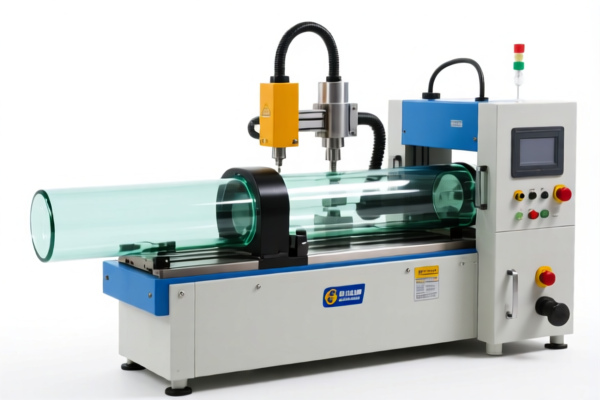
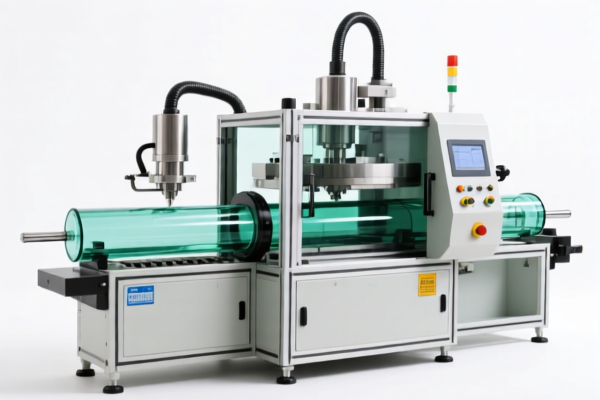
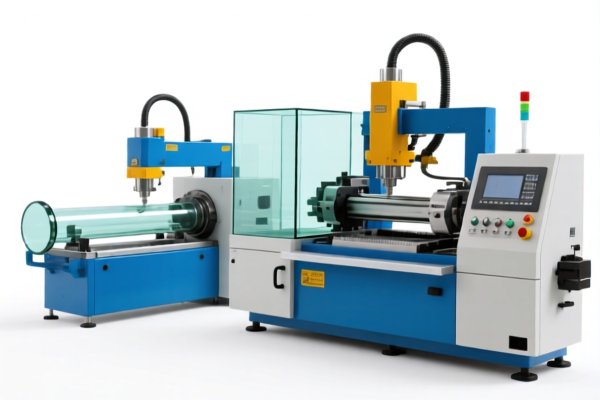
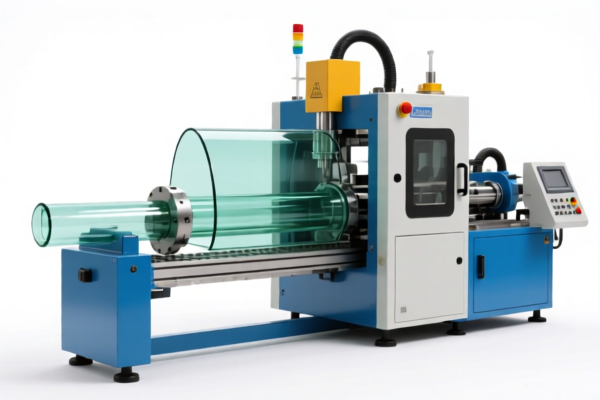
AI Analysis
🏭 Fiberglass Machinery: The Industrial Powerhouse Classification Guide
🌐 HS Code Reference & Customs Clearance Guide | 2026 Latest Tariff Analysis | Professional-Level Strategy
📌 I. Product Definition & Classification: Do You Really Understand "Fiberglass Machinery"?
"Fiberglass Machinery" is a broad industry term that generally refers to equipment used in the manufacture, processing, or hot-working of glass or machines specifically designed for textile fiber extrusion (which includes fiberglass fibers used for insulation and reinforcement). In international trade, precise classification is critical because the tariff rates vary drastically—from 0% to 75%—depending on whether the machine treats glass or textiles.
Two Main Categories in This Dataset:
- Glass Manufacturing/Hot-Working Machines: Equipment used to melt, shape, or process glass (e.g., fiber drawing, glass forming).
- Key Indicators: Involves high temperatures, melting furnaces, glass envelopes, or optical fiber preforms.
- Textile Extrusion Machinery Parts: Auxiliary equipment for spinning or extruding synthetic filaments (including fiberglass used as a textile reinforcement).
- Key Indicators: Nocturnes for heading 8444/8445 (extrusion/drawing of man-made filaments), spindles, extruding nipples.
⚠️ Critical Distinction Point:
- If the machine melts glass or draws glass fibers directly from molten state → It is likely a "Machine for Manufacturing/Hot Working Glass" (HS 8475).
- If the machine is a part/accessory for extruding man-made filaments (including fiberglass yarns) in a textile context → It may be classified under HS 8448.
- Note: Some mechanical parts of general industrial machinery (HS 8479) also appear in this dataset for specific metal-treatment applications.
📦 II. HS Code Classification Details (2026 Latest Tariff Authority Comparison)
| HS Code | Product Description | Applicable Scenario | Key Feature |
|---|---|---|---|
8475.29.00.00 |
Machines for manufacturing or hot working glass or glassware: Other | General glass processing, fiberglass insulation manufacturing, non-optical glass forming | 🔥 Hot-working/Melting |
8475.21.00.00 |
Machines for manufacturing or hot working glass or glassware: Machines for making optical fibers and preforms thereof | Telecommunications infrastructure, laser technology, high-end optical sensors | 🔦 Optical Fiber Specific |
8479.90.95.65 |
Machines and mechanical appliances: Parts of machines for treating metal | Auxiliary machinery for metal treatment processes (less common for pure fiberglass, but included in dataset) | ⚙️ Metal Treatment Parts |
8479.90.95.96 |
Machines and mechanical appliances: Parts: Other | General mechanical parts not specified elsewhere | 🛠️ General Mechanical Parts |
8448.20.50.10 |
Parts and accessories of machines of heading 8444: Of texturing machines | Auxiliary equipment for twisting/texturing fiberglass yarns | 🧵 Textile Texturing |
8448.20.10.00 |
Parts and accessories of machines of heading 8444: Of machines for extruding or drawing man-made textile filaments | Nozzles, spinners, extruding nipples for fiberglass filament production | 💧 Extrusion/Drawing |
🔍 Key Reminder:
- "Fiberglass" can be tricky: If it's raw glass fiber production (melting), use 8475. If it's post-processing as a textile (spinning/texturing), use 8448. - Optical Fibers are strictly separated from standard fiberglass insulation. Do not mix them up.
💰 III. 2026 Latest Tariff Rate Details (Including Surtaxes & Policy Add-ons)
✅ Applicable Country: United States (US)
✅ Country of Origin: China (CN)
✅ Effective Date: Current trade war tariffs apply (Section 301 + IEEPA)
🎯 1. 8475.29.00.00 & 8475.21.00.00 —— Glass Manufacturing Machines
| Item | Content |
|---|---|
| Base Tariff | 0.0% (ad valorem) |
| Surtax (Section 301) | +25.0% |
| Total Tariff | 25.0% |
| Tax Calculation | CIF Value × 25% |
| De Minimis Exemption | ❌ Not Eligible (High value industrial equipment) |
| Legal Basis | USITC Heading 8475 → Section 301 Footnote |
📌 Explanation:
- Machinery for making glass or optical fibers is considered essential industrial infrastructure. - While the base duty is low (0%), the 25% surtax is standard for Chinese-made industrial machinery under current trade policies. - Cost Impact: High. This adds 25% to the landed cost.
🎯 2. 8479.90.95.96 —— General Mechanical Parts (Other)
| Item | Content |
|---|---|
| Base Tariff | 0.0% |
| Surtax (Section 301) | +25.0% |
| Surtax (Steel/Aluminum/Copper) | +50.0% (If applicable to material content) |
| Total Tariff | 75.0% |
| Tax Calculation | CIF Value × 75% |
| De Minimis Exemption | ❌ Not Eligible |
| Legal Basis | USITC Heading 8479 → Section 301 + Material-Specific Surtaxes |
📌 Warning:
- This is the highest tariff bracket in the dataset. - If the "part" is made of steel, aluminum, or copper, an additional 50% is levied on top of the standard 25%. - Total 75% makes this category extremely expensive for Chinese exports. Ensure accurate material declaration.
🎯 3. 8448.20.50.10 & 8448.20.10.00 —— Textile/Filament Extrusion Parts
| Item | Content |
|---|---|
| Base Tariff | 0.0% |
| Surtax (Section 301) | 0.0% (Exempted or not included in current high-tariff lists for these specific sub-headings) |
| Total Tariff | 0.0% |
| Tax Calculation | CIF Value × 0% |
| De Minimis Exemption | N/A (Low tax anyway) |
| Legal Basis | USITC Heading 8448 → Exempt Sub-headings |
📌 Strategic Advantage:
- These parts (extrusion nipples, texturing accessories) enjoy 0% total duty. - This is a key cost-saving opportunity. If your fiberglass machinery includes components that can be classified under Heading 8448 (parts for extrusion/drawing filaments), they are duty-free. - Clarification: Ensure the part is genuinely for "man-made textile filaments" (fiberglass fits here if used in textile contexts) and not for general metal treatment.
🛠️ IV. Customs Clearance Practical Advice (Battle-Tested Pitfall Guide)
✅ 1. Preparation Checklist (Must-Have Documents)
| Document | Required? | Notes |
|---|---|---|
| ✅ Technical Specifications | ✔️ | Must specify: Operating temperature, material treated (glass vs. filament), machine function. |
| ✅ Structural Drawings | ✔️ | To distinguish between "Glass Melting" (HS 8475) and "Extrusion Drawing" (HS 8448). |
| ✅ Product Photos | ✔️ | Show铭牌 (Nameplate), brand, model, and voltage. |
| ✅ Commercial Invoice | ✔️ | Clearly state: "Machine for Manufacturing Glass" or "Part for Filament Extrusion". |
| ✅ Certificate of Origin | ✔️ | To prove country of origin (China) and check for any potential exemptions. |
| ✅ Material Declaration | ✔️ | Critical for HS 8479.95.96 to determine if 50% metal surtax applies. |
✅ 2. Classification Strategy (Key Mnemonics)
🔥 "Glass Heat = 8475 (25%) | Extrusion Part = 8448 (0%) | Steel Part = 8479 (75%)"
| Scenario | Correct HS Code | Tax Rate | Risk Level |
|---|---|---|---|
| Fiberglass Insulation Plant Main Machine | 8475.29.00.00 |
25% | Medium |
| Optical Fiber Drawing Tower | 8475.21.00.00 |
25% | Medium |
| Extrusion Nozzle for Fiberglass Yarn | 8448.20.10.00 |
0% | Low (Best) |
| Texturing Accessory for Fiberglass Thread | 8448.20.50.10 |
0% | Low (Best) |
| Steel Gearbox for Glass Furnace | 8479.90.95.96 |
75% | High (Avoid) |
| Metal Part for Non-Glass Machinery | 8479.90.95.65 |
25% | Medium |
💡 Pro Tip:
- Try to classify replaceable parts (like nozzles, spinners, filters) under HS 8448 if they are exclusively used for extruding/man-made filaments. This can save 25-75% in tariffs. - Avoid declaring generic "Machine Parts" under HS 8479 unless necessary, as the 75% rate is punitive for steel/aluminum parts.
✅ 3. Special Case Handling
| Case | Handling Advice |
|---|---|
| Hybrid Machines (Melts glass + draws fibers) | Classify as 8475.29.00.00 (Glass Machine). Do not split. |
| Used Fiberglass Machinery | Declare as "Used". May require additional inspection. Tariffs remain the same. |
| Optical Fiber vs. Insulation Fiberglass | Optical (8475.21) and Insulation (8475.29) have same tax (25%) but different descriptions. Be precise to avoid customs delays. |
| Parts with Mixed Materials | If a part is steel but used for glass machinery, it might fall under 8479.95.96 (75%). Check if it can be classified as a textile extrusion part (8448) for 0% duty. |
🌍 V. Global Market Clearance Comparison (2026 Latest)
| Country/Region | Recommended HS Code | Tariff (China Origin) | Certification | Remarks |
|---|---|---|---|---|
| 🇺🇸 USA | 8448.20.10.00 |
0% | None | Best for extrusion parts |
| 🇺🇸 USA | 8475.29.00.00 |
25% | None | Standard for glass machines |
| 🇺🇸 USA | 8479.90.95.96 |
75% | None | Avoid if possible |
| 🇪🇺 EU | 8475.29.00 |
~0-2.5% | CE | Low base duty, no trade war |
| 🇨🇳 China | 8475.29.00 |
5-10% | CCC (if applicable) | Import duties for machinery |
📌 Conclusion:
- USA has severe tariffs on glass machines (25%) and metal parts (up to 75%). - Strategy: Focus on classifying extrusion/drawing parts under HS 8448 to achieve 0% duty. - EU/China: More friendly to fiberglass machinery imports. Consider regional supply chain adjustments if shipping to the US is cost-prohibitive.
📌 VI. Common Mistakes & Pitfall Guide (Blood & Tears Lessons)
❌ Mistake 1: Declaring "Glass Fiber Machine" as "General Machine" (HS 8479)
👉 Result: Triggers 75% tariff if made of steel.
👉 Fix: Declare as "Machine for Manufacturing Glass" (HS 8475) → 25%.
❌ Mistake 2: Classifying Extrusion Nozzles as "General Parts"
👉 Result: Misses out on 0% duty.
👉 Fix: Declare as "Part for Extruding Man-Made Filaments" (HS 8448.20.10.00) → 0%.
❌ Mistake 3: Confusing Optical Fiber with Fiberglass Insulation
👉 Result: Customs holds cargo for clarification.
👉 Fix: Clearly state "Insulation Fiberglass" vs. "Optical Fiber" in description.
✅ Correct Declaration Example:
"Nozzle for extruding man-made fiberglass filaments, for use in textile machinery, Model XYZ, Material: Ceramic"
→ HS 8448.20.10.00 → 0% Duty
🎯 VII. Conclusion: Professional Declaration, Cost Saving, Efficiency!
🎯 Remember the Mantra:
🔹 "Glass Heat = 25% | Extrusion Part = 0% | Steel Part = 75%"
🔹 "HS Code Determines Tax, Declaration Determines Profit!"
📌 Tips:
- If your fiberglass machinery includes ceramic or composite parts (not steel), you can avoid the 50% metal surtax.
- Consider Advance Ruling (Pre-classification) with US Customs for complex hybrid machines.
- For textile-related fiberglass, always push for HS 8448 classification to save 25-75%.
📣 Immediate Action:
📞 Contact a professional customs broker
📸 Provide detailed drawings of parts (nozzles, spinners)
🚀 Optimize your HS Code classification to maximize profit margins!
✨ Professional Clearance Starts with Accurate Classification!
💼 Every Percent Saved is Pure Profit!
Customer Reviews
About HS Code Classification
The Harmonized System (HS) is an internationally standardized nomenclature developed by the World Customs Organization (WCO) to classify traded products. Over 200 countries use the HS system as the basis for customs tariffs, trade statistics, and import/export regulations.
Each HS code follows a hierarchical structure:
- Chapter (2 digits) — Broad category of goods (e.g., Chapter 84: Machinery and Mechanical Appliances)
- Heading (4 digits) — More specific grouping within the chapter
- Subheading (6 digits) — Internationally standardized breakdown, used by all WCO member countries
- National subdivisions (8-10 digits) — Country-specific extensions for further classification, such as US HTSUS 10-digit codes
Correct HS code classification is essential for smooth customs clearance, accurate duty payment, and compliance with trade regulations. Misclassification can lead to customs delays, overpayment of duties, or penalties.
When importing from CN to US, the applicable tariff rates may include:
- Most-Favored-Nation (MFN) rate — The standard duty rate applied to WTO members
- General rate — Applied to countries without trade agreements
- Trade remedy duties — Additional tariffs such as Section 301 (anti-dumping), Section 232 (national security), or countervailing duties
The information provided on this page is for reference purposes only. For official classification, please consult with your local customs authority or a licensed customs broker.