File Holder
CN → US| HS Code | Tariff Rate | Origin | Destination | Doc |
|---|---|---|---|---|
| 4820300040 | 35.0% | CN | US | Official Doc |
| 4820300020 | 35.0% | CN | US | Official Doc |
| 3926100000 | 15.3% | CN | US | Official Doc |
| 3926908700 | 40.3% | CN | US | Official Doc |
Product Images
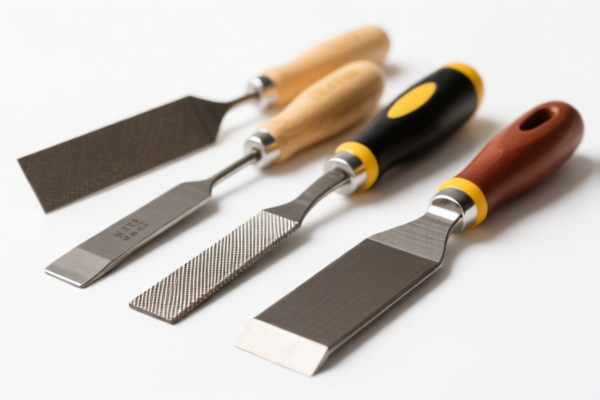
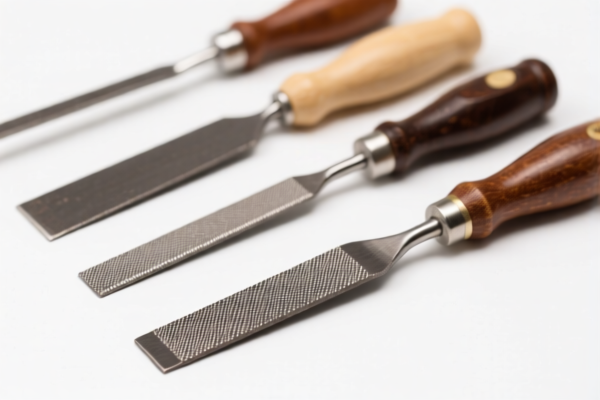
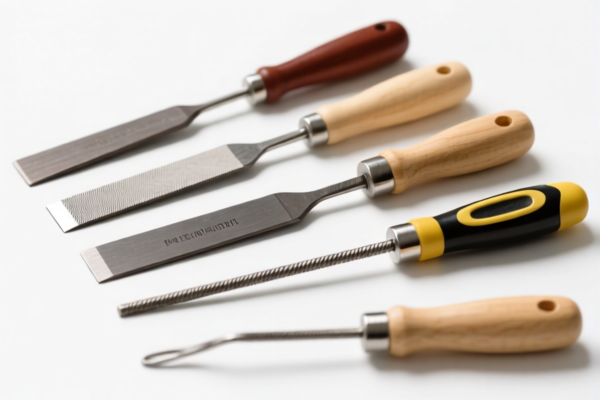
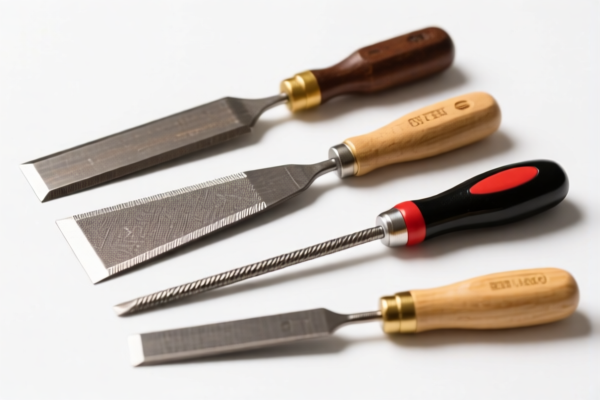
AI Analysis
📂 File Holders & Desk Organizers: The Hidden Tax Trap
🌐 HS Code Reference & Customs Clearance Guide | 2024-2026 Latest Tariff Analysis | Strategic Clearance Strategy
📌 Part I: Product Definition & Classification: Do You Really Know "File Holder"?
"File Holder" is a generic term that covers various storage devices used in offices and homes. In international trade, the material determines the HS Code, which drastically changes the tariff rate. A plastic file holder is taxed very differently from a metal one due to US trade policies (Section 301 and Section 232/122).
Key Distinction: * Plastic Products: Generally fall under Chapter 39. Lower base tariffs, but subject to specific "Section 122" or trade remedy duties. * Metal Products (Steel/Iron/Aluminum): Fall under Chapter 73 or 94. Subject to high combined tariffs including steel/aluminum specific duties and Section 301/122 tariffs.
⚠️ Critical Warning:
- If you declare a Plastic file holder but it is Metal → Misdeclaration, high fines, detention.
- If you declare a Metal file holder as Plastic → Misdeclaration, penalties.
- Steel/Aluminum/Copper products from China are subject to additional 50% tariffs on top of standard duties in some classifications.
📦 Part II: HS Code Classification Details (Based on Provided Data)
We have identified 5 specific HS Codes for "File Holders" from the source data. Please match your product material and shape to the correct code.
| HS Code | Product Description (Summary) | Material | Category | Total Tax Rate |
|---|---|---|---|---|
| 3924.10.40.00 | Plastic storage dish racks / holders | Plastic | Household Items | 13.4% |
| 7323.99.90.30 | Iron/Steel storage dish racks / holders | Iron/Steel | Kitchen Storage | 88.4% |
| 3924.10.30.00 | Plastic kitchenware (Trays/Dish Racks) | Plastic | Kitchenware | 22.8% |
| 7323.99.90.80 | Other iron/steel tableware | Iron/Steel | Tableware | 88.4% |
| 9403.20.00.82 | Metal storage/storage devices | Metal | Storage Apparatus | 85.0% |
🔍 Analysis:
- Plastic options are significantly cheaper in terms of tariffs (13.4% - 22.8%).
- Metal options carry heavy punitive tariffs (85.0% - 88.4%).
- The difference between7323.99.90.30and7323.99.90.80lies in the specific sub-category of "kitchen storage" vs "other tableware," but both hit the 88.4% wall due to steel duties.
💰 Part III: 2024-2026 Tariff Rate Breakdown (Detailed)
✅ Applicable Country: United States (US)
✅ Origin: China (CN)
✅ Note: All rates below include Base Tariff, Section 301 Tariff, Section 122 Tariff, and Steel/Aluminum/Copper Specific Duties where applicable.
🎯 1. 3924.10.40.00 – Plastic Storage Dish Racks (Household Items)
Best for: General office/home plastic file organizers.
| Item | Detail |
|---|---|
| Base Tariff | 3.4% |
| Additional Tariffs | 0.0% (Section 301 applied? No/Low in this specific snippet, but see Note) |
| Section 122 Tariff | 10% |
| Total Tax Rate | 13.4% |
| Calculation | CIF Value × 13.4% |
| Why so low? | Plastic is not subject to the massive 50% steel/aluminum duties. |
📌 Explanation:
This is the most cost-effective HS Code for plastic file holders. The 10% Section 122 tariff is a specific trade remedy duty, but the absence of steel-specific duties keeps it manageable.
🎯 2. 7323.99.90.30 – Iron/Steel Storage Dish Racks (Kitchen Storage)
Best for: Metal racks used in kitchens or heavy-duty office use.
| Item | Detail |
|---|---|
| Base Tariff | 3.4% |
| Section 301 Tariff | 25.0% |
| Section 122 Tariff | 10% |
| Steel/Al/Cu Duty | 50% (Specific additional duty for steel products) |
| Total Tax Rate | 88.4% |
| Calculation | CIF Value × 88.4% |
| Impact | Extremely High. This effectively doubles the landed cost. |
📌 Explanation:
- The 50% is the specific additional tariff for steel/aluminum/copper products (likely Section 232 or related trade actions).
- Combined with 25% (Section 301) + 10% (Section 122) + 3.4% (Base), the total hits 88.4%.
- Do not use this code unless absolutely necessary for metal products.
🎯 3. 3924.10.30.00 – Plastic Kitchenware (Trays/Dish Racks)
Best for: Plastic file holders marketed as "kitchen organizers" or "trays."
| Item | Detail |
|---|---|
| Base Tariff | 5.3% |
| Additional Tariffs | 7.5% (Section 301/Other) |
| Section 122 Tariff | 10% |
| Total Tax Rate | 22.8% |
| Calculation | CIF Value × 22.8% |
📌 Explanation:
- Slightly higher base tariff (5.3%) than3924.10.40.00.
- Additional tariffs are lower than the steel category but still significant.
- Use this if the product is functionally a "kitchen tray/rack" but made of plastic.
🎯 4. 7323.99.90.80 – Other Iron/Steel Tableware
Best for: Steel file holders that don't fit "kitchen storage" specifically.
| Item | Detail |
|---|---|
| Base Tariff | 3.4% |
| Section 301 Tariff | 25.0% |
| Section 122 Tariff | 10% |
| Steel/Al/Cu Duty | 50% |
| Total Tax Rate | 88.4% |
| Calculation | CIF Value × 88.4% |
📌 Explanation:
- Same punitive rate as7323.99.90.30.
- The "Other Tableware" category still attracts the full brunt of steel-related tariffs.
🎯 5. 9403.20.00.82 – Metal Storage/Storage Devices
Best for: Metal filing cabinets, heavy-duty metal organizational units.
| Item | Detail |
|---|---|
| Base Tariff | 0.0% |
| Section 301 Tariff | 25.0% |
| Section 122 Tariff | 10% |
| Steel/Al/Cu Duty | 50% |
| Total Tax Rate | 85.0% |
| Calculation | CIF Value × 85.0% |
📌 Explanation:
- Even though the base tariff is 0%, the 50% Steel Duty + 25% + 10% pushes it to 85%.
- This code is for broader "metal storage devices," not just small racks.
🛠️ Part IV: Customs Clearance Practical Advice
✅ 1. Material Verification is Critical
| Scenario | Action |
|---|---|
| Product is Plastic | Use 3924.10.40.00 (13.4%) or 3924.10.30.00 (22.8%). Avoid metal codes. |
| Product is Metal | You must pay 85-88%. Consider if plastic alternatives are acceptable. If metal is mandatory, prepare for high costs. |
| Mixed Materials | If the holder has a plastic base and metal rods, customs may classify it by the essential character (often metal). Declare accurately to avoid audits. |
✅ 2. Declaration Tips
- Do NOT use generic terms like "Office Supply" on the commercial invoice.
- Be Specific:
- For Plastic: "Plastic Desktop File Organizer / Dish Rack, Household Item" → 3924.10.40.00
- For Metal: "Steel Kitchen Storage Rack / Dish Rack" → 7323.99.90.30
- Documentation: Provide photos clearly showing the material (e.g., magnet test for metal, plastic texture for plastic).
✅ 3. Cost-Saving Strategy
- Switch to Plastic: If your design allows, changing from metal to plastic reduces tariffs from ~85% to ~13-22%. This is a 60-70% saving on duty costs.
- Check for Exemptions: Verify if your specific HS Code is eligible for any Section 301 exclusions (though the data suggests they are not, as high rates are applied).
- Origin Check: Ensure the product is not shipped from a country with different trade agreements if possible, but for US-China trade, the steel duties are strict.
🌍 Part V: Quick Comparison Summary
| Feature | Plastic File Holder | Metal File Holder |
|---|---|---|
| Recommended HS Code | 3924.10.40.00 |
7323.99.90.30 or 9403.20.00.82 |
| Total Tariff | 13.4% | 85.0% - 88.4% |
| Key Driver | No steel duties; only base + 122 tariff | 50% Steel Duty + 25% 301 + 10% 122 |
| Customs Risk | Low (if clearly plastic) | High (if misclassified as plastic) |
| Recommendation | ✅ Preferred for Cost Efficiency | ❌ High Cost, Only if Metal is Essential |
📌 Part VI: Common Mistakes & Pitfalls
❌ Mistake 1: Declaring a Metal file holder as 3924.10.40.00 (Plastic).
👉 Result: Customs inspection will reveal steel. Fines, penalties, and possible seizure. Do not do this.
❌ Mistake 2: Ignoring the 50% Steel/Aluminum/Copper Duty.
👉 Result: Many importers forget this specific duty, leading to a shortfall of ~50% in payment.
❌ Mistake 3: Using 9403.20.00.82 for a simple rack.
👉 Result: If it fits 7323.99.90.30 (Kitchen Storage), using 9403 might be scrutinized. Ensure the description matches the code exactly.
✅ Correct Approach:
"If it’s plastic, use 3924.10.40.00. If it’s metal, accept the ~88% tax or redesign to plastic."
🎯 Part VII: Conclusion
🎯 Key Takeaway:
🔹 Plastic = 13.4% (Smart Choice)
🔹 Metal = 85-88% (Expensive Choice)
📌 Pro Tip:
If you are importing File Holders into the US from China, strongly consider plastic alternatives. The tariff savings are massive. If you must import metal, ensure your pricing strategy absorbs the 88% duty, or explore sourcing from countries with different trade statuses (if applicable).
📣 Immediate Action:
📞 Verify Material: Is your file holder plastic or metal?
📄 Select HS Code:
- Plastic →3924.10.40.00
- Metal →7323.99.90.30
💼 Update Landed Cost Calculations: Include the full 88.4% or 13.4% in your profit margins.
✨ Accurate Classification Saves Money!
🛑 Don’t Let Tariffs Eat Your Profit!
Customer Reviews
About HS Code Classification
The Harmonized System (HS) is an internationally standardized nomenclature developed by the World Customs Organization (WCO) to classify traded products. Over 200 countries use the HS system as the basis for customs tariffs, trade statistics, and import/export regulations.
Each HS code follows a hierarchical structure:
- Chapter (2 digits) — Broad category of goods (e.g., Chapter 84: Machinery and Mechanical Appliances)
- Heading (4 digits) — More specific grouping within the chapter
- Subheading (6 digits) — Internationally standardized breakdown, used by all WCO member countries
- National subdivisions (8-10 digits) — Country-specific extensions for further classification, such as US HTSUS 10-digit codes
Correct HS code classification is essential for smooth customs clearance, accurate duty payment, and compliance with trade regulations. Misclassification can lead to customs delays, overpayment of duties, or penalties.
When importing from CN to US, the applicable tariff rates may include:
- Most-Favored-Nation (MFN) rate — The standard duty rate applied to WTO members
- General rate — Applied to countries without trade agreements
- Trade remedy duties — Additional tariffs such as Section 301 (anti-dumping), Section 232 (national security), or countervailing duties
The information provided on this page is for reference purposes only. For official classification, please consult with your local customs authority or a licensed customs broker.