Filled Paper
CN → US| HS Code | Tariff Rate | Origin | Destination | Doc |
|---|---|---|---|---|
| 4811904090 | 35.0% | CN | US | Official Doc |
| 9619001560 | 17.5% | CN | US | Official Doc |
| 4823908680 | 35.0% | CN | US | Official Doc |
| 4823901000 | 35.0% | CN | US | Official Doc |
| 4811906090 | 35.0% | CN | US | Official Doc |
Product Images
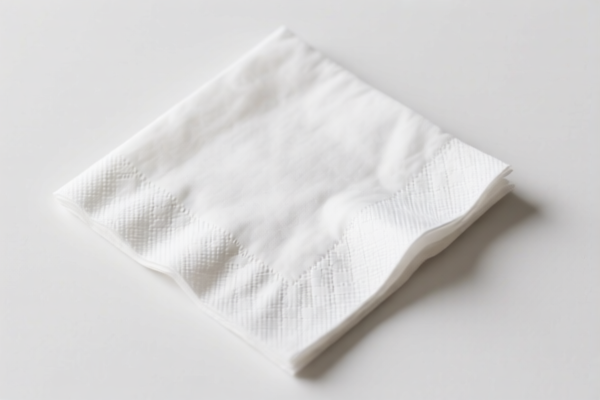
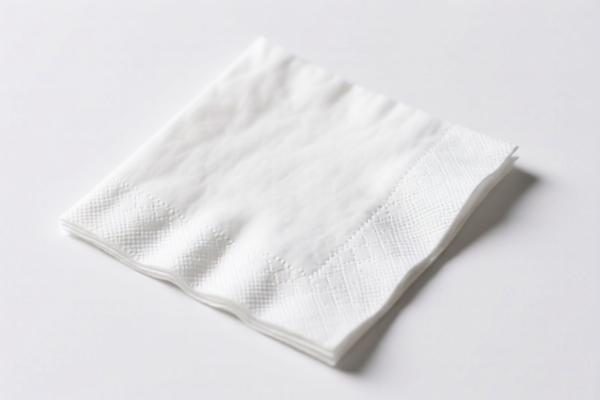
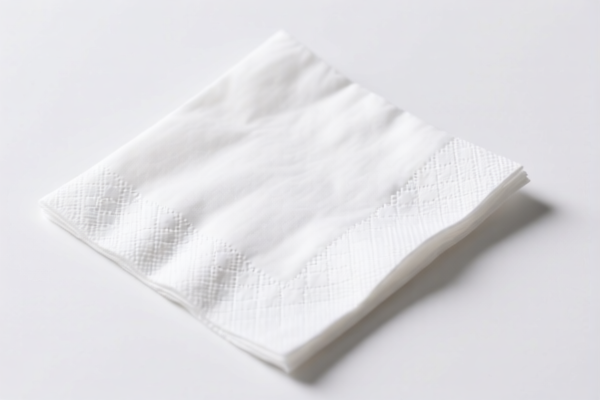
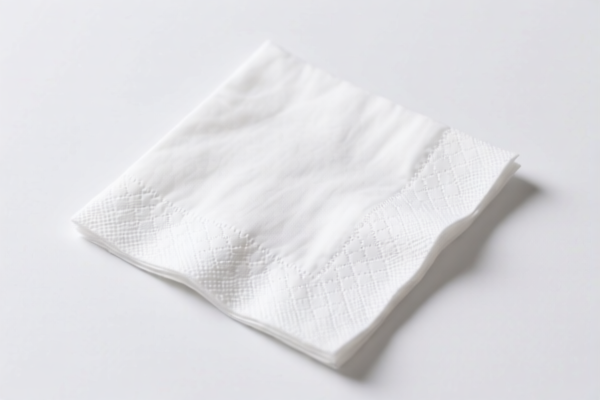
AI Analysis
📄 Filled Paper (卫生/装饰/工业用纸制品)
🌐 HS Code Reference & Clearance Guide | 2026 Latest Tariff Analysis | Professional Entry Strategy
📌 I. Product Definition & Classification: Do You Really Understand “Filled Paper”?
“Filled Paper” is a broad term in international trade, typically referring to paper products that have been processed, coated, or structured for specific uses such as hygiene, decoration, or industrial packaging. The classification depends heavily on the material composition (e.g., pure paper vs. pulp) and the final application (e.g., sanitary goods vs. decorative sheets).
In U.S. customs practice, these items are often split between: 1. Sanitary/Hygiene Articles: If the paper is processed into wipes, tissues, or similar consumable hygiene products → Chapter 96. 2. General Paper Products: If the paper is merely treated, coated, or cut for other uses → Chapter 48.
⚠️ Key Distinction Point:
- If the product is a sanitary article (e.g., paper wipes, sanitary napkins, dental floss carriers) →归入 9619.00.15.60
- If the product is a decorated/coated paper or industrial paper sheet → 归入 4823.90 or 4811.90 categories.
- Note: The material difference between "Paper" (4811/4823) and "Pulp" (4823.90.10.00) can change the classification!
📦 II. HS Code Classification Details (2026 Latest Tariff Authority Match)
Based on the provided data, here are the specific HS Codes and their corresponding tax structures for "Filled Paper":
| HS Code | Product Description | Application Scenario | Tax Rate Breakdown |
|---|---|---|---|
9619.00.15.60 |
Filled Paper (Sanitary Category) Material: Paper Category: Similar articles related to sanitary products |
Sanitary wipes, hygiene consumables, paper-based sanitary goods | 17.5% (See below) |
4823.90.86.80 |
Filled Paper (Other Paper Products) Material: Paper Category: Other paper articles |
General paper goods, non-specific paper forms | 35.0% (See below) |
4823.90.10.00 |
Filled Paper (Pulp Category) Material: Paper Pulp Category: Other paper-based articles |
Items made from pulp rather than sheet paper | 35.0% (See below) |
4811.90.60.90 |
Filled Paper (Coated/Decorated) Material: Paper Category: Coated or decorated paper |
Decorative papers, coated industrial papers | 35.0% (See below) |
4811.90.40.90 |
Filled Paper (Processed/Applicable) Material: Paper Category: Paper processing/application (Not crepe paper) |
Processed paper sheets, non-crepe paper applications | 35.0% (See below) |
🔍 Critical Note:
- HS 9619.00.15.60 is the only category with a significantly lower tariff (17.5%) because it is classified under "Sanitary Articles."
- All other categories (4811/4823) fall under general paper goods and carry a higher 35.0% total tariff due to additional duties.
- Ensure the material is correctly declared: "Paper" vs. "Pulp" affects the 4823 subheading.
💰 III. 2026 Latest Tariff Rate Details (Including Surcharges & Policies)
✅ Applicable Country: United States (US)
✅ Origin: China (CN)
✅ Effective Date: 2025–2026 (Current Trade Policy Context)
🎯 1. 9619.00.15.60 —— Filled Paper (Sanitary/Hygiene Related)
| Item | Detail |
|---|---|
| Base Tariff | 0.0% (Ad Valorem) |
| Section 301 Surcharge | 7.5% (List 4A/4B specific rates may vary, but data specifies 7.5%) |
| Section 122 Tariff | +10.0% (Targeting specific Chinese imports under trade remedy actions) |
| Total Effective Rate | 17.5% |
| Calculation Basis | CIF Value × 17.5% |
| De Minimis Exemption? | ❌ No (Subject to strict scrutiny for hygiene products) |
| Legal Basis Path | Base: 9619.00.15.60 → Section 301: 7.5% → Section 122: 10% |
📌 Explanation:
- This is the most cost-effective classification if the product qualifies as a "sanitary article."
- The 10% Section 122 tariff is applied due to specific trade policy measures against Chinese goods.
- The 7.5% Section 301 tariff is part of the ongoing trade war tariffs.
- Total 17.5% is relatively moderate compared to general paper products.
🎯 2. 4823.90.86.80 & 4811.90.60.90 & 4811.90.40.90 —— General Paper Products
| Item | Detail |
|---|---|
| Base Tariff | 0.0% (Ad Valorem) |
| Section 301 Surcharge | +25.0% (Standard high tariff for many paper imports) |
| Section 122 Tariff | +10.0% |
| Total Effective Rate | 35.0% |
| Calculation Basis | CIF Value × 35.0% |
| De Minimis Exemption? | ❌ No |
| Legal Basis Path | Base: 48xx.xx.xx.xx → Section 301: 25% → Section 122: 10% |
📌 Explanation:
- These categories (Decorated, Coated, Processed Paper) are considered standard industrial/commercial goods.
- They attract the maximum standard Section 301 tariff (25%) plus the Section 122 tariff (10%).
- Total 35.0% is a significant cost driver and may impact profit margins heavily.
- 4823.90.10.00 (Pulp-based) also falls into this 35.0% bracket.
📊 Tariff Comparison Summary
| HS Code | Classification | Total Tax Rate | Key Driver |
|---|---|---|---|
9619.00.15.60 |
Sanitary Articles | 17.5% | Lower Section 301 rate (7.5%) |
4823.90.86.80 |
Other Paper Products | 35.0% | High Section 301 rate (25%) |
4823.90.10.00 |
Pulp-Based Articles | 35.0% | High Section 301 rate (25%) |
4811.90.60.90 |
Coated/Decorated Paper | 35.0% | High Section 301 rate (25%) |
4811.90.40.90 |
Processed Paper (Non-Crepe) | 35.0% | High Section 301 rate (25%) |
📌 Key Insight:
- The 17.5% vs. 35.0% difference is 17.5 percentage points.
- For every $10,000 CIF value, misclassification from9619to48xxresults in $1,750 extra tax.
- Strategic Tip: If your "Filled Paper" can be justified as a sanitary/hygiene article, pursue HS 9619.00.15.60.
🛠️ IV. Customs Clearance Practical Advice (Pitfall Avoidance Guide)
✅ 1. Documentation Checklist (Mandatory)
| Document | Required | Purpose |
|---|---|---|
| ✅ Product Specifications | ✔️ | Clarifies material (Paper vs. Pulp) and usage (Sanitary vs. Industrial) |
| ✅ Usage Declaration | ✔️ | Explicitly state: "Used for sanitary purposes" OR "Used for decoration/packaging" |
| ✅ Material Composition Statement | ✔️ | Confirm if made of Paper or Pulp (affects 4823 subheading) |
| ✅ Photos (Packaging & Product) | ✔️ | Show final form (wipes, sheets, rolls) |
| ✅ Certificate of Origin | ✔️ | To confirm Chinese origin and apply correct Section 301/122 rates |
| ✅ Commercial Invoice | ✔️ | Must match HS Code description precisely |
| ✅ Packing List | ✔️ | Detail contents to avoid "unknown goods" flag |
✅ 2. Classification Strategy (Key Tips)
🔥 “Sanitary Claim Saves 17.5%, Paper Type Matters!”
| Scenario | Recommended HS Code | Why? |
|---|---|---|
| Paper wipes, sanitary tissues, hygiene consumables | 9619.00.15.60 |
Qualifies as "Sanitary Article" → Lower tariff (17.5%) |
| Decorative paper, coated paper for crafts | 4811.90.60.90 |
Falls under "Coated/Decorated Paper" → Higher tariff (35.0%) |
| Industrial paper sheets, non-sanitary | 4823.90.86.80 |
General "Other Paper Articles" → Higher tariff (35.0%) |
| Products made from Paper Pulp | 4823.90.10.00 |
Material is Pulp, not Paper Sheet → Different subheading, same high tariff (35.0%) |
| Non-crepe processed paper | 4811.90.40.90 |
Explicitly excludes crepe paper → General processed paper rate (35.0%) |
✅ 3. Special Circumstances & Handling
| Situation | Handling Advice |
|---|---|
| Ambiguous "Filled Paper" | If unclear, provide detailed usage description. Ambiguity leads to customs examination and potential reclassification to higher tariffs. |
| Pulp vs. Paper | Ensure the supplier declares Paper (for 4811/4823.86) or Pulp (for 4823.10). Misdeclaration causes delays. |
| Sanitary Claim Risk | Customs may reject "Sanitary" claim if product is not clearly for hygiene. Provide marketing materials showing sanitary use. |
| Section 122 Targeting | All items are subject to 10% Section 122 tariff. No exemption available for these HS codes. |
| De Minimis Exemption | ❌ Not Available for these HS codes from China. Even small shipments are taxed. |
🌍 V. Global Market Comparison (2026 Latest)
| Country/Region | Recommended HS Code | Tariff Rate | Notes |
|---|---|---|---|
| 🇺🇸 USA | 9619.00.15.60 |
17.5% | Best rate for sanitary items |
| 🇺🇸 USA | 4811/4823 |
35.0% | High tariff for general paper |
| 🇨🇳 China | 9619.00.15.60 |
~5–10% | Lower domestic/import tariff |
| 🇪🇺 EU | 9619.00.15.60 |
~6.5% | Standard sanitary duty |
| 🇪🇺 EU | 4811/4823 |
~6.5% | Standard paper duty |
📌 Conclusion:
- USA is the most challenging market due to Section 301 + Section 122 surcharges.
- Sanitary classification (9619) is the only way to reduce the tariff burden significantly in the US.
- For other markets (EU, Asia), tariffs are standard and lower, but US clearance requires precise classification.
📌 VI. Common Errors & Pitfalls (Lessons Learned)
❌ Error 1: Declaring all "Filled Paper" as 4823.90.86.80
👉 Consequence: Paying 35.0% instead of 17.5% → Extra 17.5% tax cost!
❌ Error 2: Claiming "Sanitary" for non-hygiene products (e.g., decorative paper)
👉 Consequence: Customs rejection, fine, or forced reclassification to 35.0% rate + penalties.
❌ Error 3: Mixing "Paper" and "Pulp" descriptions
👉 Consequence: Customs requires clarification, causing shipment delays and potential storage fees.
❌ Error 4: Ignoring Section 122 Tariff
👉 Consequence: Underpayment by 10% → Back taxes + interest upon audit.
✅ Correct Approach:
“If it’s for hygiene, claim HS 9619 (17.5%). If it’s general paper, accept HS 48xx (35.0%). Be honest about material (Paper vs. Pulp).”
🎯 VII. Conclusion: Precise Classification, Lower Costs!
🎯 Remember This Rule:
🔹 “Sanitary = 17.5%, General Paper = 35.0%. Material Type (Paper/Pulp) Determines Subheading.”
🔹 “Section 122 (10%) + Section 301 (7.5% or 25%) = Total Tariff. No De Minimis Exemption.”
📌 Pro Tip:
- If your product is borderline, consider customs ruling (CBP Ruling) before shipment to lock in the 17.5% rate for sanitary articles.
- Always provide detailed product images and usage descriptions to avoid misclassification.
📣 Immediate Action:
📞 Consult a licensed customs broker.
📄 Prepare Usage Declaration and Material Statement.
🚀 Secure the 17.5% tariff if possible!
✨ Professional Clearance Starts with Accurate Classification!
💼 Every Percent Saved is Pure Profit!
Customer Reviews
About HS Code Classification
The Harmonized System (HS) is an internationally standardized nomenclature developed by the World Customs Organization (WCO) to classify traded products. Over 200 countries use the HS system as the basis for customs tariffs, trade statistics, and import/export regulations.
Each HS code follows a hierarchical structure:
- Chapter (2 digits) — Broad category of goods (e.g., Chapter 84: Machinery and Mechanical Appliances)
- Heading (4 digits) — More specific grouping within the chapter
- Subheading (6 digits) — Internationally standardized breakdown, used by all WCO member countries
- National subdivisions (8-10 digits) — Country-specific extensions for further classification, such as US HTSUS 10-digit codes
Correct HS code classification is essential for smooth customs clearance, accurate duty payment, and compliance with trade regulations. Misclassification can lead to customs delays, overpayment of duties, or penalties.
When importing from CN to US, the applicable tariff rates may include:
- Most-Favored-Nation (MFN) rate — The standard duty rate applied to WTO members
- General rate — Applied to countries without trade agreements
- Trade remedy duties — Additional tariffs such as Section 301 (anti-dumping), Section 232 (national security), or countervailing duties
The information provided on this page is for reference purposes only. For official classification, please consult with your local customs authority or a licensed customs broker.