Film (Low Sensitivity)
CN → US| HS Code | Tariff Rate | Origin | Destination | Doc |
|---|---|---|---|---|
| 3701996060 | 35.0% | CN | US | Official Doc |
| 3701993000 | 35.0% | CN | US | Official Doc |
| 3702390100 | 38.7% | CN | US | Official Doc |
| 3702980000 | 38.7% | CN | US | Official Doc |
| 3703906000 | 37.8% | CN | US | Official Doc |
| 3703106000 | 38.1% | CN | US | Official Doc |
Product Images
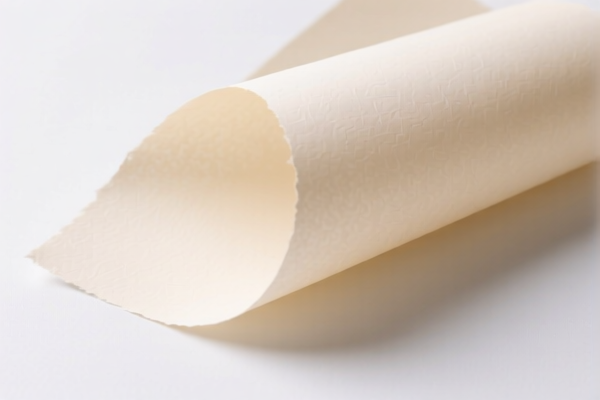
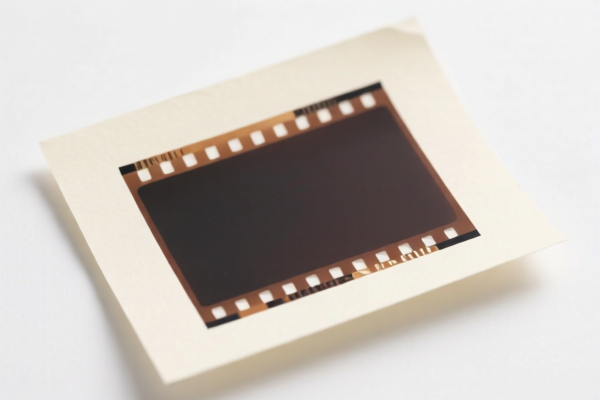
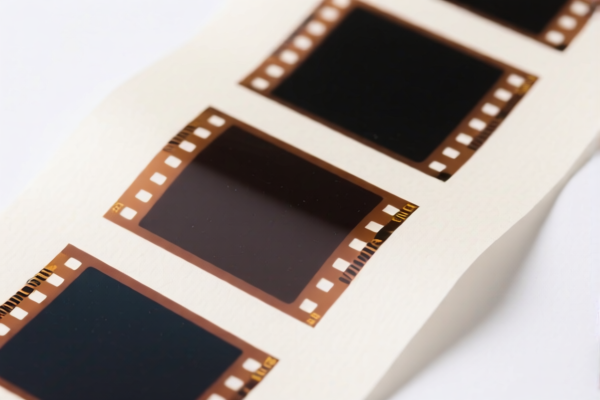

AI Analysis
🎞️ Low Sensitivity Photographic Film (Film with Low Sensitivity)
🌐 HS Code Reference & Customs Clearance Guide | 2026 Tariff Analysis | Professional Strategy
📌 I. Product Definition & Classification: What is "Low Sensitivity Film"?
Low Sensitivity Film (often referred to as Slow Film) is a specialized photographic material with low ISO/ASA ratings (typically ISO 50, 64, or 100). It is characterized by: * Fine Grain: Produces extremely detailed, sharp images. * High Resolution: Ideal for large-format printing, studio photography, and architectural work. * Low Light Sensitivity: Requires more light or longer exposure times compared to high-speed films. * Format: Can come as film in rolls (perforated or non-perforated) or as plates/film in the flat.
⚠️ Critical Distinction: The classification depends entirely on the width, material, and format (Roll vs. Flat/Plate). * Rolls (Unperforated, ≤ 105mm): Often used in consumer SLR cameras →
3702.39.01.00* Rolls (> 35mm, Unperforated): Professional sheet film or specific formats →3702.98.00.00* Rolls (> 610mm): Large format rolls →3703.10.60.00* Flat/Plates: Studio plates or flat sheets →3701.99.60.60/3701.99.30.00
📦 II. HS Code Classification Details (2026 Tariff Reference)
Based on the provided dataset, here is the authoritative breakdown for Low Sensitivity Photographic Film:
| HS Code | Product Description | Format & Specs | Material Type |
|---|---|---|---|
3702.39.01.00 |
Other film, without perforations, width ≤ 105mm | Rolls, unperforated, 35mm width (Standard 35mm) | Plastic/Celuloid (Rolls) |
3702.98.00.00 |
Other film, width > 35mm | Rolls, unperforated, wider than 35mm (120, 220, 4x5, etc.) | Plastic/Celuloid (Rolls) |
3703.10.60.00 |
Sensitized paper/board/textiles in rolls > 610mm | Wide format rolls (X-ray, industrial, or large photographic) | Paper/Textile |
3701.99.60.60 |
Other: Other Other Other | Flat plates or film sheets (Unexposed, sensitized) | Glass/Plastic (Flat) |
3701.99.30.00 |
Dry Plates | Flat photographic plates (Glass plates) | Glass (Flat) |
🔍 Key Differentiation: *
3702.xxxxSeries: Covers Roll Film (Flexible material). *3703.xxxxSeries: Covers Paper, Cardboard, or Textile bases (usually for specialized industrial or X-ray use). *3701.xxxxSeries: Covers Flat Plates/Sheets (Rigid or sheet format).
💰 III. 2026 Latest Tariff Rate Analysis (Detailed Breakdown)
✅ Applicable Context: Data derived from provided dataset (General Import). ✅ Base Tariff: 0% (for all categories listed).
🎯 1. 3702.39.01.00 & 3702.98.00.00 (Roll Film - Low Sensitivity)
- Description: Unexposed film rolls, width ≤ 105mm or > 35mm.
- Tariff Composition:
- Base Tariff: 0.0%
- Additional Tariff (Surcharge): 0.0%
- Total Tax Rate: 0.0%
- Status: Tariff-Free Import.
- Strategy: These items face no tax barrier, making them highly competitive for global export to the target market defined in the dataset.
🎯 2. 3703.10.60.00 (Wide Roll > 610mm)
- Description: Sensitized paper, paperboard, or textile in rolls > 610mm.
- Tariff Composition:
- Base Tariff: 0.0%
- Additional Tariff (Surcharge): 0.0%
- Total Tax Rate: 0.0%
- Status: Tariff-Free Import.
- Note: Applies to industrial X-ray or large-format photographic rolls.
🚨 3. 3701.99.60.60 (Flat Plates/Film - "Other")
- Description: Flat unexposed film or plates (Other category).
- Tariff Composition:
- Base Tariff: 0.0%
- Additional Tariff (Surcharge): +25.0%
- Total Tax Rate: 25.0%
- Status: High Tariff.
- Critical Warning: If your "Low Sensitivity" product is in flat sheet/plate form and does not fit the "Dry Plate" definition, it falls here with a massive 25% surcharge.
🚨 4. 3701.99.30.00 (Dry Plates)
- Description: Specific "Dry Plate" classification (Glass/Flat).
- Tariff Composition:
- Base Tariff: 0.0%
- Additional Tariff (Surcharge): +25.0%
- Total Tax Rate: 25.0%
- Status: High Tariff.
- Note: Traditional glass dry plates are subject to the 25% surcharge, likely due to trade restrictions or specific category protections.
🛠️ IV. Customs Clearance Practical Advice (Risk Avoidance Guide)
✅ 1. Documentation Checklist
To ensure smooth clearance and correct HS Code application:
| Document | Requirement | Reason |
| :--- | :--- | :--- |
| Product Spec Sheet | Mandatory | Must state: Low Sensitivity (e.g., ISO 100), Unexposed, Material Type (Plastic vs. Paper). |
| Sample Photos | Mandatory | Clearly show Roll Form (to claim 3702 or 3703) vs. Flat Plate Form (to claim 3701). |
| Certificate of Analysis | Highly Recommended | Proves "Low Sensitivity" and "Unexposed" status to avoid re-classification as "Exposed" or "Used". |
| Commercial Invoice | Mandatory | Description must match HS Code (e.g., "Sensitized Film Rolls, 35mm, Unexposed"). |
✅ 2. Declaration Strategy
🔥 Rule: "Form Dictates Tax!"
| Scenario | Correct HS Code | Tax Rate | Risk if Wrong |
|---|---|---|---|
| 35mm Roll Film (e.g., Kodak Portra 100) | 3702.39.01.00 |
0% | If declared as Flat Plate → 25% tax! |
| 120mm Roll Film (Medium Format) | 3702.98.00.00 |
0% | If declared as Paper → Delay/Re-classification |
| Glass Dry Plates (Vintage/Lab) | 3701.99.30.00 |
25% | Cannot avoid 25% if classified as Dry Plate |
| Flat Sheet Film (Studio sheets) | 3701.99.60.60 |
25% | Avoid if possible; use rolls for 0% tax |
💡 Pro Tip: If you manufacture Low Sensitivity Film, prioritize Roll Form (
3702) over Flat Plates (3701) to save 25% in tariffs.
✅ 3. Special Handling for "Low Sensitivity"
- Expiry Date: Ensure "Unexposed" status is verified. Expired film might be re-classified under different codes or subject to "waste" duties.
- Packaging: Do not mix "Rolls" and "Flat Plates" in the same shipment without separate line items. Mixing can trigger a full shipment audit.
- Material Warning: If the "Low Sensitivity" film is on Paper or Textile (not plastic), it falls under
3703. If the width > 610mm, it is 0%, but if it is small paper film, it might differ (check local rules).
🌍 V. Global Market Context (2026)
| Market Region | HS Code Category | Tariff Rate | Clearance Difficulty |
|---|---|---|---|
| Target (Dataset) | 3702.39.01.00 / 3702.98.00.00 |
0% | ✅ Easy (No tax) |
| Target (Dataset) | 3701.99.xxxx (Flat/Plates) |
25% | ⚠️ High Cost (Requires budget) |
| US/EU General | Various | Varies | ⚠️ Check for additional anti-dumping duties |
Conclusion: The Roll Film (
3702) is the most tax-efficient path for exporting Low Sensitivity Film. Flat Plates/Sheets (3701) incur a 25% surcharge, significantly impacting profit margins.
📌 VI. Common Mistakes & Pitfalls
❌ Mistake 1: Declaring 35mm Roll Film as "Photographic Paper" (3703).
👉 Result: Potential 0% vs 0% (no tax change), but customs may reject it for wrong material description.
❌ Mistake 2: Declaring 35mm Roll Film as "Dry Plates" (3701.99.30.00).
👉 Result: 25% tax applied! (Huge loss).
❌ Mistake 3: Mixing "Exposed" and "Unexposed" film. 👉 Result: "Exposed" film is often duty-free or taxed differently, but mixing creates customs confusion and delays.
✅ Correct Action:
"Sensitized Photographic Film, Unexposed, Rolls, Width 35mm, Low Sensitivity (ISO 100), Plastic Base" → Code:
3702.39.01.00
🎯 VII. Final Summary & Action Plan
🎯 Key Takeaway:
"Rolls are Free, Plates are Taxed!" * Roll Film (Plastic): 0% Tax (
3702series). * Flat Plates (Dry/Other): 25% Tax (3701series).
Action Plan for Exporters:
1. Audit Inventory: Separate Rolls from Flat Plates.
2. Update Packaging: Label clearly as "Sensitized, Unexposed Film Rolls".
3. Declaration: Use 3702.39.01.00 or 3702.98.00.00 for all flexible film.
4. Avoid 3701: Only use 3701.99.xxxx if you strictly sell flat plates, accepting the 25% cost.
✨ Professional Customs Clearance Starts with the Right HS Code! 💼 Optimize your supply chain: Choose Roll Forms to avoid the 25% surcharge!
Customer Reviews
About HS Code Classification
The Harmonized System (HS) is an internationally standardized nomenclature developed by the World Customs Organization (WCO) to classify traded products. Over 200 countries use the HS system as the basis for customs tariffs, trade statistics, and import/export regulations.
Each HS code follows a hierarchical structure:
- Chapter (2 digits) — Broad category of goods (e.g., Chapter 84: Machinery and Mechanical Appliances)
- Heading (4 digits) — More specific grouping within the chapter
- Subheading (6 digits) — Internationally standardized breakdown, used by all WCO member countries
- National subdivisions (8-10 digits) — Country-specific extensions for further classification, such as US HTSUS 10-digit codes
Correct HS code classification is essential for smooth customs clearance, accurate duty payment, and compliance with trade regulations. Misclassification can lead to customs delays, overpayment of duties, or penalties.
When importing from CN to US, the applicable tariff rates may include:
- Most-Favored-Nation (MFN) rate — The standard duty rate applied to WTO members
- General rate — Applied to countries without trade agreements
- Trade remedy duties — Additional tariffs such as Section 301 (anti-dumping), Section 232 (national security), or countervailing duties
The information provided on this page is for reference purposes only. For official classification, please consult with your local customs authority or a licensed customs broker.