Film (under 105mm)
CN → US| HS Code | Tariff Rate | Origin | Destination | Doc |
|---|---|---|---|---|
| 3920791000 | 41.2% | CN | US | Official Doc |
| 3921904090 | 39.2% | CN | US | Official Doc |
| 3921190010 | 41.5% | CN | US | Official Doc |
| 3920992000 | 39.2% | CN | US | Official Doc |
Product Images


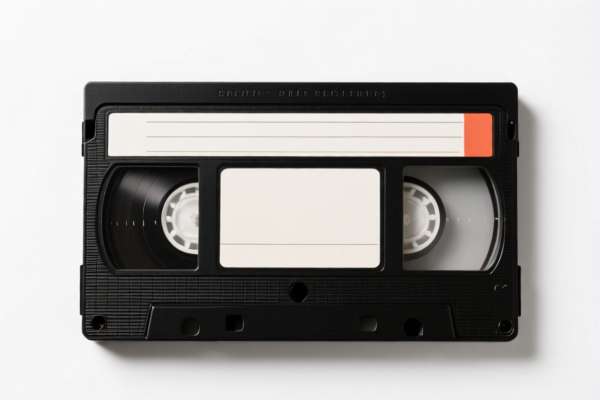

AI Analysis
🎞️ Camera Film & Photographic Roll Film (Width < 35mm / < 105mm)
🌐 HS Code Reference & Customs Clearance Guide | 2026 Latest Tariff Analysis | Professional Strategy
📌 I. Product Definition & Classification: What is "Film (under 105mm)"?
In international trade, "Film (under 105mm)" primarily refers to photographic roll film with a width strictly less than 35mm (e.g., 110 format, 126, or other narrow formats used in compact point-and-shoot cameras). It is distinct from cinematographic film (movie film) and digital sensors.
Key Distinctions: * Format Width: Must be < 35mm (approx. 1.38 inches). If it is 35mm, it belongs to a different subheading. * Function: Used for still photography (analog), not video. * Structure: Light-sensitive emulsion coated on a flexible plastic base.
⚠️ Critical Classification Point:
- If the film is for photography (still images) and width < 35mm → Look at Heading 9006.
- If it is cinematographic (video) → Look at Heading 3702.
- If it is raw material for plastics (unexposed, unprocessed plastic sheets) → Look at Chapter 39.
📦 II. HS Code Classification Details (Based on Provided Data)
According to the provided dataset, here are the relevant HS Codes for items that might be confused with or related to "Film" or "Cameras using film," and the specific film-related codes if applicable.
| HS Code | Product Description | Application Scenario | Relevance to "Film (under 105mm)" |
|---|---|---|---|
9006.59.05.20 |
Other cameras: For roll film < 35mm: Fixed focus: Hand held: 110 cameras With built-in electronic stroboscopic flash | Analog Cameras using narrow film (e.g., 110 format) | ✅ Related Equipment (The device that uses the film) |
9006.59.15.20 |
Other cameras: For roll film < 35mm: Other than fixed focus: Hand held: 110 cameras: With built-in electronic stroboscopic flash | Advanced Analog Cameras (Auto-focus/Zoom) using narrow film | ✅ Related Equipment (The device that uses the film) |
3921.19.00.10 |
Other plates, sheets, film, foil, strip of plastics: Cellular: Microporous sheets of polyethylene or polypropylene film | Plastic Film (Microporous/Cellular) | ❌ Not Photographic Film (Industrial packaging/material) |
3921.90.40.90 |
Other plates, sheets, film... of plastics: Other: Flexible Other | Flexible Plastic Sheets | ❌ Not Photographic Film (General plastic material) |
3920.79.10.00 |
...Of other cellulose derivatives: Other: Film, strip and sheets, not over 0.076 mm thickness | Cellulose-based Film (e.g., Cellophane) | ❌ Not Photographic Film (Packaging/Industrial) |
3920.99.20.00 |
...Of other plastics: Film, strip and sheets... flexible: Other | General Plastic Film | ❌ Not Photographic Film (General industrial use) |
3504.00.10.00 |
Peptones... Protein isolates | Protein/Chemical | ❌ Irrelevant |
3504.00.50.00 |
Peptones... Other | Protein/Chemical | ❌ Irrelevant |
🔍 Key Insight from Data:
The provided data does not list HS Code 3702 (which is the correct code for photographic film itself, e.g., 3702.59 or 3702.31).
Instead, it lists Camera Equipment (9006.59) and Plastic/Chemical Materials (3921,3920,3504).Therefore, "Film (under 105mm)" in this context likely refers to either:
1. The Cameras that use this film (HS9006.59...).
2. Misclassification Risk: Importers might incorrectly declare photographic film as "plastic film" (3920or3921) to avoid tariffs, which is a customs violation.
💰 III. Tariff Rate Breakdown (2026 Analysis)
✅ Applicable Country: United States (US)
✅ Origin: China (CN) (Assumed based on "Added Tariff" context in data)
🎯 1. Camera Equipment Using Narrow Film (9006.59...)
These are the cameras themselves, not the film stock.
| Item | HS Code | Description | Base Tariff | Added Tariff | Total Tax |
|---|---|---|---|---|---|
| A | 9006.59.05.20 |
110 Camera, Fixed Focus, Hand-held, Built-in Flash | 0.0% | 7.5% | 7.5% |
| B | 9006.59.15.20 |
110 Camera, Non-fixed Focus, Hand-held, Built-in Flash | 0.0% | 0.0% | 0.0% |
📌 Explanation:
- HS9006.59.05.20: Applies to simpler, fixed-focus 110-format cameras. Subject to a 7.5% added tariff (likely Section 301 or similar trade remedy).
- HS9006.59.15.20: Applies to more complex 110-format cameras (auto-focus/zoom). Currently 0% total tax in this dataset.
- Note: These codes refer to the camera body, not the film rolls. If you are importing the film, these codes are incorrect.
🎯 2. Plastic/Industrial Film (3921, 3920) – Warning: Common Misclassification
If "Film" refers to non-photographic plastic film (e.g., packaging, microporous sheets):
| Item | HS Code | Description | Base Tariff | Added Tariff | Total Tax |
|---|---|---|---|---|---|
| C | 3921.19.00.10 |
Cellular Plastic: Microporous PE/PP sheets | 0.0% | 0.0% | 0.0% |
| D | 3921.90.40.90 |
Flexible Plastic Film (Other) | 0.0% | 0.0% | 0.0% |
| E | 3920.79.10.00 |
Cellulose Derivative Film (<0.076mm) | 0.0% | 0.0% | 0.0% |
| F | 3920.99.20.00 |
Flexible Plastic Film (Other Plastics) | 4.2% | 25.0% | 29.2% |
⚠️ Critical Warning:
- Do NOT declare photographic film as3920.99.20.00or3921.
- Photographic film has special chemical properties and uses (HS Chapter 37). Declaring it as general plastic film is smuggling/misdeclaration.
- However, if you are importing microporous plastic film for medical/packaging use, HS3921.19.00.10is 0% tax, making it very attractive.
🛠️ IV. Customs Clearance Practical Advice
✅ 1. Documentation Checklist (For Cameras vs. Film)
| Document | For Cameras (9006.59) |
For Photographic Film (3702 Not in Data, but needed) |
For Plastic Film (3920/3921) |
|---|---|---|---|
| Product Spec Sheet | Yes (Model, Voltage, Flash type) | Yes (ISO speed, Width, Emulsion type) | Yes (Material, Thickness, Microporous?) |
| Photos | Yes (Clear view of lens, flash) | Yes (Packaging, Roll label) | Yes (Sheet/Film structure) |
| Commercial Invoice | Must say "Photographic Camera" | Must say "Photographic Film" | Must say "Plastic Film" |
| FCC Certification | Mandatory (Electronics) | Not needed (Chemical) | Not needed |
✅ 2. Declaration Strategy
Scenario A: You are importing 110-format Cameras
- HS Code: Use
9006.59.15.20if auto-focus;9006.59.05.20if fixed-focus. - Tax Strategy:
9006.59.15.20has 0% tax. Ensure the camera has auto-focus/zoom to qualify for this better rate. - Keywords: "110 Format Analog Camera, Hand-held, Built-in Strobe Flash."
Scenario B: You are importing Photographic Film (Rolls)
- Problem: The provided data does not contain the correct HS Code for photographic film (e.g.,
3702.59.50or3702.31). - Risk: If you force it into
3920(Plastic Film), you face 29.2% tax and potential penalties for misdeclaration. - Recommendation:
- Confirm the actual HS Code for photographic film (usually 3702).
- Check current tariffs for
3702.59(Color Negative Film) or3702.31(Black & White Film). - Do not use
3920or3921for photographic film.
Scenario C: You are importing Industrial/Medical Plastic Film
- HS Code: Use
3921.19.00.10for microporous PE/PP sheets (0% tax). - Key Differentiator: Must be cellular/microporous. If it's solid plastic, it may fall under
3920.99.20.00(29.2% tax). - Declaration: Specify "Microporous Polyethylene Film for Medical Use" to justify
3921.19.00.10.
🌍 V. Global Market Comparison (2026)
| Market | Recommended HS Code | Tariff (China Origin) | Notes |
|---|---|---|---|
| 🇺🇸 USA | 9006.59.15.20 (Cameras) |
0% | Best rate for 110 cameras with flash. |
| 🇺🇸 USA | 3921.19.00.10 (Microporous Film) |
0% | Only for cellular/microporous plastic. |
| 🇺🇸 USA | 3920.99.20.00 (Solid Plastic Film) |
29.2% | High tariff. Avoid if possible. |
| 🇨🇳 China | N/A (Export) | Varies | Check China export rebate codes. |
| 🇪🇺 EU | 3702.59 (Photographic Film) |
0% | Low tariffs on photographic film in EU. |
📌 Conclusion:
- For 110 Cameras, aim for9006.59.15.20to enjoy 0% US tariff.
- For Plastic Film, ensure it is microporous/cellular (3921.19.00.10) to get 0% US tariff.
- Avoid declaring photographic film as plastic film (3920) due to high tariffs (29.2%) and legal risks.
📌 VI. Common Errors & Pitfalls
❌ Error 1: Declaring Photographic Film as Plastic Film (3920)
👉 Consequence: 29.2% tax + possible fraud investigation. Photographic film contains silver halides and is chemically active; plastic film is inert polymer.
❌ Error 2: Declaring Auto-focus 110 Cameras as Fixed-focus (9006.59.05.20)
👉 Consequence: You pay 7.5% tax unnecessarily. If it has auto-focus, it qualifies for 0% under 9006.59.15.20.
❌ Error 3: Declaring Solid Plastic Film as Microporous (3921.19.00.10)
👉 Consequence: Customs may reject the 0% rate and assess 29.2% under 3920.99.20.00. You must provide test reports proving microporous structure.
✅ Correct Action:
- Cameras: Clearly state "110 Format Camera, Auto-focus, Built-in Flash" for 9006.59.15.20.
- Plastic Film: Provide microporosity test report for 3921.19.00.10.
- Photographic Film: Use Chapter 37 codes (not in dataset, but legally required).
🎯 VII. Conclusion: Precise Classification Saves Money!
🎯 Remember the Rule:
🔹 "Cameras: Auto-focus = 0%, Fixed = 7.5%."
🔹 "Plastic Film: Microporous = 0%, Solid = 29.2%."
🔹 "Photographic Film: Never declare as Plastic! Use Chapter 37."
📌 Pro Tip:
If you are importing 110 cameras, ensure the packaging and invoice clearly state "110 Format" and "Built-in Flash" to match HS 9006.59.15.20 (0% tax). This is a strategic advantage for nostalgic/analog camera imports.
📣 Immediate Action:
📞 Verify if your "Film" is Photographic (Chapter 37) or Plastic (Chapter 39).
🚀 For 110 Cameras, upgrade your declaration to9006.59.15.20if auto-focus to save 7.5%.
💼 Get it right the first time to avoid customs delays and penalty fees!
Customer Reviews
About HS Code Classification
The Harmonized System (HS) is an internationally standardized nomenclature developed by the World Customs Organization (WCO) to classify traded products. Over 200 countries use the HS system as the basis for customs tariffs, trade statistics, and import/export regulations.
Each HS code follows a hierarchical structure:
- Chapter (2 digits) — Broad category of goods (e.g., Chapter 84: Machinery and Mechanical Appliances)
- Heading (4 digits) — More specific grouping within the chapter
- Subheading (6 digits) — Internationally standardized breakdown, used by all WCO member countries
- National subdivisions (8-10 digits) — Country-specific extensions for further classification, such as US HTSUS 10-digit codes
Correct HS code classification is essential for smooth customs clearance, accurate duty payment, and compliance with trade regulations. Misclassification can lead to customs delays, overpayment of duties, or penalties.
When importing from CN to US, the applicable tariff rates may include:
- Most-Favored-Nation (MFN) rate — The standard duty rate applied to WTO members
- General rate — Applied to countries without trade agreements
- Trade remedy duties — Additional tariffs such as Section 301 (anti-dumping), Section 232 (national security), or countervailing duties
The information provided on this page is for reference purposes only. For official classification, please consult with your local customs authority or a licensed customs broker.