Film Binder
CN → US| HS Code | Tariff Rate | Origin | Destination | Doc |
|---|---|---|---|---|
| 4820900000 | 35.0% | CN | US | Official Doc |
| 3926904800 | 13.4% | CN | US | Official Doc |
| 3926909989 | 22.8% | CN | US | Official Doc |
| 4820500000 | 35.0% | CN | US | Official Doc |
Product Images
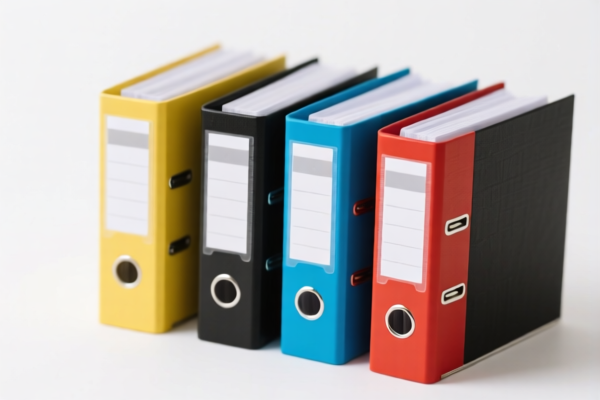
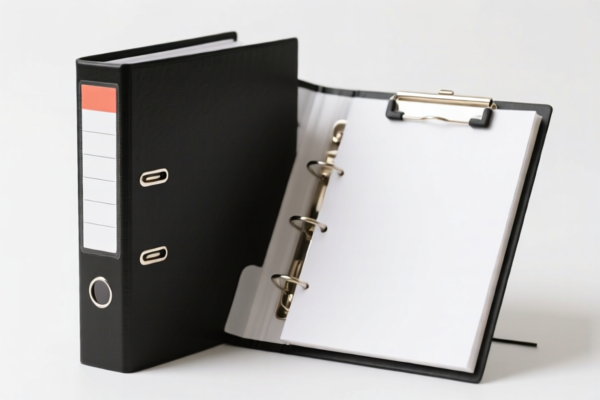


AI Analysis
📔 Film Binder (Photographic/Document Albums)
🌐 HS Code Reference & Customs Clearance Guide | 2024/2025 Tariff Analysis | Professional Clearance Strategy
📌 I. Product Definition & Classification: Do You Really Understand "Film Binders"?
A Film Binder (often referred to as an Album, Collector’s Book, or Photo Album in trade documents) is a storage device designed to hold and organize photographic films, negatives, slides, or documents. In international trade, the classification depends strictly on the material composition and primary use.
There are two main material categories that trigger different tariff treatments: * Paper/Cardboard-Based Binders: Made primarily from paper, paperboard, or pulp. These fall under Chapter 48. * Plastic/Other Material Binders: Made from plastics, PVC, acrylic, or composite materials. These fall under Chapter 39.
⚠️ Key Distinction Point:
- If the binder is made of paper/cardboard → It is classified under 4820.90.00.00 / 4820.50.00.00.
- If the binder is made of plastic → It is classified under 3926.90.48.00 / 3926.90.99.89.
- Critical Note: "Purpose: Collection" does not exempt the item from tariffs; the material determines the HS Code, but the origin (likely China, given the tax details in the data) determines the additional duties.
📦 II. HS Code Classification Details (Based on Provided Data)
The following HS Codes are derived strictly from the provided <DATA> set. All items listed below are subject to specific US tariffs (assuming US origin destination due to "Section 301" and "122 Clause" references in the tax details).
| HS Code | Product Description & Material | Total Tax Rate | Tax Breakdown Details |
|---|---|---|---|
| 4820.90.00.00 | Collector Albums: Material is Paper or Cardboard. Used for collection. | 35.0% | Base: 0.0% Additional (Sec 301): 25.0% Section 122 Clause: 10% |
| 3926.90.48.00 | Collector Albums: Material is Plastic or Related Materials. Used for collection. | 13.4% | Base: 3.4% Additional (Sec 301): 0.0% Section 122 Clause: 10% |
| 3926.90.99.89 | Collector Albums: Material is Plastic or Other Materials (not specified as 3926.90.48). Used for collection. | 22.8% | Base: 5.3% Additional (Sec 301): 7.5% Section 122 Clause: 10% |
| 4820.50.00.00 | Albums: Material is Paper or Cardboard. Used for collection. | 35.0% | Base: 0.0% Additional (Sec 301): 25.0% Section 122 Clause: 10% |
| 4820.90.00.00 | Albums: Material is Paper or Cardboard. Used for collection. | 35.0% | Base: 0.0% Additional (Sec 301): 25.0% Section 122 Clause: 10% |
🔍 Important Note:
- The HS Code4820.90.00.00appears twice in the data for different summaries ("Collector Albums" vs "Albums"), but the tax treatment is identical.
- Plastic binders (Ch 39) generally face lower base tariffs but may still incur Section 122 clause taxes.
💰 III. Detailed Tariff Rate Analysis (2024/2025 Context)
✅ Applicable Jurisdiction: United States (US)
✅ Origin: China (Inferred from "Section 122 Clause" and "Additional Tariffs" typical of US-China trade data)
✅ Effective Time: Current trade policies (Subject to change)
🎯 1. Paper-Based Binders (4820.50.00.00 & 4820.90.00.00)
| Item | Content |
|---|---|
| Base Duty Rate | 0% (Ad Valorem) |
| Section 301 Additional Duty | +25% (Standard US-China trade war tariff) |
| Section 122 Clause Duty | +10% (Specific clause mentioned in data) |
| Total Effective Rate | 35.0% |
| Tax Calculation | CIF Value × 35% |
| De Minimis Exemption | ❌ Not Eligible (Generally, goods subject to Section 301 duties are excluded from Section 321 de minimis thresholds) |
| Legal Basis Path | HTSUS:4820 → USITC:Footnote 301 → Executive Order:122 Clause |
📌 Explanation:
- Although the base duty for paper products is often 0%, the 25% Section 301 tariff is the dominant cost driver.
- The 10% Section 122 adds a significant layer of cost, making paper-based film binders from China expensive to import.
🎯 2. Plastic-Based Binders (3926.90.48.00)
| Item | Content |
|---|---|
| Base Duty Rate | 3.4% (Ad Valorem) |
| Section 301 Additional Duty | 0.0% (Note: Data indicates 0% here, which is atypical; verify specific product exclusion lists) |
| Section 122 Clause Duty | +10% |
| Total Effective Rate | 13.4% |
| Tax Calculation | CIF Value × 13.4% |
| De Minimis Exemption | ❌ Not Eligible (Usually excluded if subject to additional duties) |
| Legal Basis Path | HTSUS:3926 → USITC:Specific Exclusions → Executive Order:122 Clause |
📌 Note:
- This classification offers a significantly lower total tax rate (13.4%) compared to paper-based alternatives (35%).
- Strategy: If your product can be manufactured using plastic materials, classify under3926.90.48.00to save over 21% in duties.
🎯 3. Other Plastic Binders (3926.90.99.89)
| Item | Content |
|---|---|
| Base Duty Rate | 5.3% (Ad Valorem) |
| Section 301 Additional Duty | +7.5% (Partial inclusion) |
| Section 122 Clause Duty | +10% |
| Total Effective Rate | 22.8% |
| Tax Calculation | CIF Value × 22.8% |
| Legal Basis Path | HTSUS:3926.99.99 → USITC:Partial Inclusion → Executive Order:122 Clause |
📌 Note:
- This is a "catch-all" for plastic items not specifically listed under3926.90.48.
- Tax rate is moderate (22.8%), higher than3926.90.48but lower than paper-based items.
🛠️ IV. Customs Clearance Practical Advice (Avoid Pitfalls)
✅ 1. Document Checklist (Mandatory)
| Document | Required? | Purpose |
|---|---|---|
| Product Specification Sheet | ✅ Yes | Must clearly state Material Composition (e.g., "Cover: PVC Plastic, Pages: Paper"). |
| Commercial Invoice | ✅ Yes | Must describe item as "Film Binder" or "Photo Album" and specify material. |
| Packing List | ✅ Yes | Details weight, dimensions, and quantity. |
| Photo of Product | ✅ Yes | To prove material (shiny/plastic vs matte/paper). |
| Certificate of Origin | ✅ Yes | To verify country of origin (China triggers these taxes). |
✅ 2. Classification Strategy (Key Takeaways)
🔥 "Material is King: Plastic Saves Money, Paper Costs More!"
| Scenario | Recommended HS Code | Tax Rate | Recommendation |
|---|---|---|---|
| Plastic Cover + Plastic Sleeves | 3926.90.48.00 |
13.4% | ✅ Best Option: Lowest tax. |
| Paper Cover + Paper Pages | 4820.90.00.00 or 4820.50.00.00 |
35.0% | ❌ High Cost: Avoid if possible. |
| Mixed Material (Plastic Cover + Paper Pages) | 3926.90.48.00 (Primary Material) |
13.4% | ✅ Optimal: Classify based on primary material. |
| Other Plastic Types | 3926.90.99.89 |
22.8% | ⚠️ Moderate: Better than paper, worse than standard plastic. |
✅ 3. Special Considerations
- "Collection" Purpose: Do not argue that "collection" items are for "personal use" to avoid duties. Customs classifies based on objective characteristics (material, design) not subjective use.
- Material Declaration: Clearly declare materials. If you say "Album" but the customs officer inspects it and finds it's paper, they will reclassify from
3926(13.4%) to4820(35%), leading to back taxes and penalties. - Section 122 Clause: This appears in all listed items. Ensure your supplier confirms that this tax is included in the price or accounted for in your landed cost calculation.
🌍 V. Global Market Comparison (General Insight)
| Region | Typical HS Code for Album | Base Tariff | Additional Duties (China Origin) | Total Est. Cost |
|---|---|---|---|---|
| 🇺🇸 USA | 4820.90 or 3926.90 |
0% - 5.3% | 10% - 35% (Section 301 + 122) | High |
| 🇪🇺 EU | 4820.90 or 3926.90 |
0% - 6.5% | No Section 301 | Low |
| 🇨🇳 China | 4820.90 or 3926.90 |
0% - 10% | None | Low |
| 🇬🇧 UK | 4820.90 or 3926.90 |
0% - 6.5% | None | Low |
📌 Conclusion:
The US market imposes significant additional tariffs on film binders from China.
- Plastic binders (3926.90.48.00) are the most tariff-efficient option (13.4%).
- Paper binders (4820.xxxx) are the least efficient (35.0%).
📌 VI. Common Mistakes & Pitfalls
❌ Mistake 1: Classifying a plastic-covered album as a paper album (4820.90.00.00).
👉 Consequence: Overpaying taxes by ~21.6%.
❌ Mistake 2: Not declaring material composition accurately.
👉 Consequence: Customs inspection reveals plastic, reclassification to 3926.90.48.00 or 9989, potential penalties for misdeclaration.
❌ Mistake 3: Assuming "De Minimis" ($800 threshold) applies.
👉 Consequence: Goods subject to Section 301 and Section 122 taxes are excluded from de minimis. Taxes must be paid regardless of value.
✅ Correct Approach:
"Precise Material Declaration: 'Plastic Film Binder, PVC Material, for Photo Collection' → HS 3926.90.48.00 → Tax 13.4%."
🎯 VII. Conclusion: Smart Clearance, Lower Costs!
🎯 Key Strategy:
🔹 "Choose Plastic, Save 21%: If it's plastic, go 3926.90.48. If it's paper, pay 4820's 35%."
🔹 "Declare Material: Your wallet depends on whether it's PVC or Paper."
📌 Pro Tip:
If you are importing large volumes, consider applying for an Exclusion under Section 301 if available for specific plastic album types, though the data suggests 0% for
3926.90.48.00already.
Always consult a licensed customs broker to verify the Section 122 Clause applicability for your specific shipment.
📣 Immediate Action:
📞 Contact a Customs Broker with your product material specs.
🚀 Optimize Landed Cost: Use 3926.90.48.00 if possible to minimize tax burden.
✨ Professional Clearance Starts with Accurate Classification!
💼 Every Percent of Tax Saved is Pure Profit!
Customer Reviews
About HS Code Classification
The Harmonized System (HS) is an internationally standardized nomenclature developed by the World Customs Organization (WCO) to classify traded products. Over 200 countries use the HS system as the basis for customs tariffs, trade statistics, and import/export regulations.
Each HS code follows a hierarchical structure:
- Chapter (2 digits) — Broad category of goods (e.g., Chapter 84: Machinery and Mechanical Appliances)
- Heading (4 digits) — More specific grouping within the chapter
- Subheading (6 digits) — Internationally standardized breakdown, used by all WCO member countries
- National subdivisions (8-10 digits) — Country-specific extensions for further classification, such as US HTSUS 10-digit codes
Correct HS code classification is essential for smooth customs clearance, accurate duty payment, and compliance with trade regulations. Misclassification can lead to customs delays, overpayment of duties, or penalties.
When importing from CN to US, the applicable tariff rates may include:
- Most-Favored-Nation (MFN) rate — The standard duty rate applied to WTO members
- General rate — Applied to countries without trade agreements
- Trade remedy duties — Additional tariffs such as Section 301 (anti-dumping), Section 232 (national security), or countervailing duties
The information provided on this page is for reference purposes only. For official classification, please consult with your local customs authority or a licensed customs broker.