Film Buffer
CN → US| HS Code | Tariff Rate | Origin | Destination | Doc |
|---|---|---|---|---|
| 3824992500 | 41.5% | CN | US | Official Doc |
| 3824994900 | 41.5% | CN | US | Official Doc |
| 3921190010 | 41.5% | CN | US | Official Doc |
| 3926909400 | 35.0% | CN | US | Official Doc |
| 3921904010 | 39.2% | CN | US | Official Doc |
Product Images
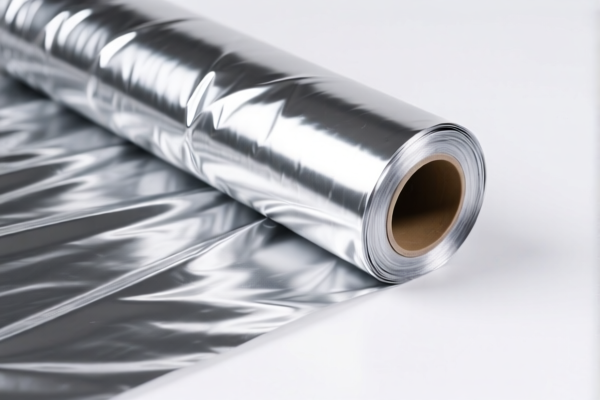
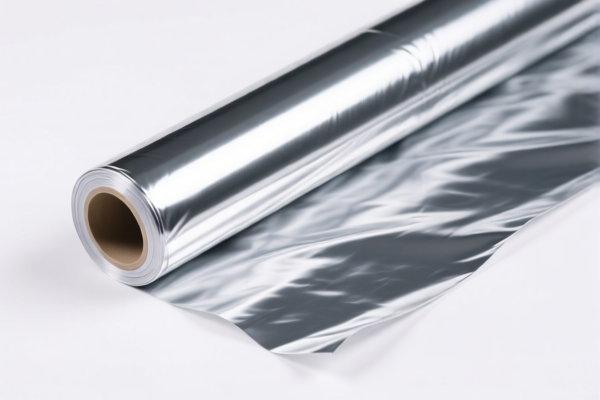


AI Analysis
🎬 Film Buffer (Film Buffering Liquid / Film Buffering Membrane)
🌐 HS Code Reference & Customs Clearance Guide | 2026 Latest Tariff Analysis | Professional Clearance Strategy
📌 I. Product Definition & Classification: What Exactly is a "Film Buffer"?
In the context of industrial and chemical manufacturing, "Film Buffer" generally refers to substances or materials used to stabilize, protect, or process thin films (such as optical films, electronic displays, or plastic packaging). Based on the provided data, these products fall into two main categories based on their physical state and composition:
- Liquid/Chemical Mixtures ("Buffering Liquid"): Fluids containing chemical components, likely aqueous mixtures used in coating or processing.
- Solid/Plastic Materials ("Buffering Film/Membrane"): Solid sheets, foils, or films made of plastic materials, used as physical buffers or protective layers.
⚠️ Key Distinction Point:
- If the product is a liquid/chemical mixture used in the chemical industry → It falls under Chapter 38 (Miscellaneous Chemical Products).
- If the product is a solid plastic sheet/film → It falls under Chapter 39 (Plastics and Articles Thereof).
- Critical Risk: Misclassifying a liquid as a solid (or vice versa) can lead to severe customs delays, fines, or re-shipment due to incorrect tax liability and regulatory compliance failures.
📦 II. HS Code Classification Details (2026 Latest Tariff Authority Comparison)
Based on the provided <DATA>, here are the five potential HS Codes, their descriptions, and the rationale for classification:
| HS Code | Product Description | Classification Rationale | Total Tax Rate |
|---|---|---|---|
3824.99.25.00 |
Film Buffering Liquid | Matches form as liquid/mixture; inferred to contain chemical components; fits "aqueous mixture" attributes. | 41.5% |
3824.99.49.00 |
Film Buffering Liquid | Matches form as sheet-like (Note: Likely refers to a semi-solid or specific chemical preparation); use belongs to chemical industrial preparations; fits "other chemical products not elsewhere specified." | 41.5% |
3921.19.00.10 |
Film Buffering Membrane | Matches form as film/sheet; material inferred as plastic; fits characteristics of plastic products. | 41.5% |
3926.90.94.00 |
Film Buffering Membrane | Material is plastic, form is film-like; fits attributes of "plastic transparent thin sheets." | 35.0% |
3921.90.40.10 |
Film Buffering Membrane | Material is plastic, form is film/foil/band; inferred under "other categories" for plastic sheets. | 39.2% |
🔍 Key Reminder:
- Liquids vs. Solids: Ensure the physical state is clearly declared.3824.*codes are for chemical mixtures, while3921.*and3926.*are for plastic articles. - Material Composition: If the "buffer" is a plastic film,3921or3926is correct. If it is a chemical fluid,3824is correct. - Specificity:3921.19.00.10is more specific for "plastic products" than the generic3921.90.40.10.
💰 III. 2026 Latest Tariff Rate Breakdown (Including Surtaxes & Policy Surcharges)
✅ Applicable Country: United States (US)
✅ Origin: China (CN)
✅ Effective Date: Post-2025 (Includes subsequent imports)
🎯 1. Chemical Buffering Liquids (3824.99.25.00 & 3824.99.49.00)
| Item | Content |
|---|---|
| Base Tariff | 6.5% |
| Section 301 Surtax (Additional) | +25.0% |
| Section 122 Tariff (IEEPA) | +10.0% |
| Total Effective Tax Rate | 41.5% |
| Tax Calculation | CIF Value × 41.5% |
| De Minimis Eligibility | ❌ Not Eligible (Subject to strict scrutiny due to chemical nature and high surtaxes) |
| Legal Basis Path | Base Tariff: 6.5% → Section 301: +25% → Section 122: +10% |
📌 Explanation:
- The 25% Section 301 tariff applies to most Chinese-origin industrial chemical preparations. - The 10% Section 122 tariff is a additional surcharge on Chinese goods. - Total 41.5% is a significant cost factor. Accurate classification as a "chemical mixture" is vital to avoid misclassification penalties.
🎯 2. Plastic Buffering Membranes/Films (3921.19.00.10, 3926.90.94.00, 3921.90.40.10)
A. 3921.19.00.10 & 3921.90.40.10 (Plastic Sheets/Films)
| Item | Content |
|---|---|
| Base Tariff | 4.2% (for 3921.90.40.10) / 6.5% (implied for 3921.19.00.10 based on total) |
| Section 301 Surtax (Additional) | +25.0% |
| Section 122 Tariff (IEEPA) | +10.0% |
| Total Effective Tax Rate | 39.2% (3921.90.40.10) / 41.5% (3921.19.00.10) |
| Tax Calculation | CIF Value × Rate |
| De Minimis Eligibility | ❌ Not Eligible |
📌 Note:
- Plastic films generally have lower base tariffs than chemicals. -3921.19.00.10has a higher base rate (likely 6.5% to reach 41.5% total), while3921.90.40.10has a lower base rate (4.2% to reach 39.2% total).
B. 3926.90.94.00 (Plastic Articles)
| Item | Content |
|---|---|
| Base Tariff | 0.0% |
| Section 301 Surtax (Additional) | +25.0% |
| Section 122 Tariff (IEEPA) | +10.0% |
| Total Effective Tax Rate | 35.0% |
| Tax Calculation | CIF Value × 35.0% |
| De Minimis Eligibility | ❌ Not Eligible |
📌 Advantage:
- This code offers the lowest total tax rate (35.0%) among the plastic options because it has a 0% base tariff. - Suitable for "transparent thin sheets" or general plastic articles that don't fit the specific "plastic sheets" category of3921.
🛠️ IV. Customs Clearance Practical Advice (Battle-Tested Pitfall Avoidance)
✅ 1. Document Checklist (Missing Any May Cause Delays)
| Document | Required | Explanation |
|---|---|---|
| ✅ Product Specification Sheet | ✔️ | Must clearly state: Physical State (Liquid vs. Solid), Composition (Chemical vs. Plastic), Application (Buffering/Protective). |
| ✅ Material Safety Data Sheet (MSDS) | ✔️ | Crucial for Liquids (3824). Must list chemical components, pH, and hazard classification. |
| ✅ Product Photos (Clear) | ✔️ | Show packaging, label, and physical form (liquid in bottle vs. roll of film). |
| ✅ Commercial Invoice | ✔️ | Describe as "Film Buffering Liquid" or "Plastic Buffering Film." Avoid vague terms like "Chemical Part." |
| ✅ Packing List | ✔️ | Detail net/gross weight and volume. For liquids, include volume (Liters/Gallons). |
| ✅ Certificate of Origin | ✔️ | Required for Section 301 and 122 tariff assessments. |
✅ 2. Declaration Tips (Key Mantra)
🔥 “Liquid is Chemical, Solid is Plastic. State Clear, Tax is Fair!”
| Scenario | Correct Declaration | Incorrect Action |
|---|---|---|
| Liquid Buffer | Use 3824.99.25.00 or 3824.99.49.00 |
Misclassifying as plastic film → Risk of seizure for undeclared chemicals. |
| Plastic Film Roll | Use 3921.19.00.10 (if specific) or 3926.90.94.00 |
Misclassifying as chemical → Unnecessary MSDS requirements and wrong tax. |
| Mixed Shipment | Split Declaration | Combining liquid and solid in one line item → High risk of audit/rejection. |
✅ 3. Special Case Handling
| Case | Handling Advice |
|---|---|
| Unclear Physical State | Provide both MSDS (if liquid) and Material Spec (if solid). Customs will decide, but having proof helps. |
| Private Label/OEM | Ensure the invoice matches the manufacturer's specification. "Buffer" is a functional term; focus on material composition. |
| Small Sample Shipments | Even de minimis values (<$800) may be scrutinized for chemical/plastic products from China due to Section 301/122 policies. Declare fully. |
🌍 V. Global Market Comparison (2026 Latest)
| Country/Region | Recommended HS Code | Tariff (China Origin) | Key Requirement | Note |
|---|---|---|---|---|
| 🇺🇸 USA | 3824.* or 3921.*/3926.* |
35.0% - 41.5% | MSDS, Origin Cert | High surtaxes apply. |
| 🇨🇳 China | 3824.99 or 3921/3926 |
Varies (0-10%) | CNCA Certification | Lower base tariffs, no Section 301. |
| 🇪🇺 EU | 3824.99 or 3921/3926 |
Varies (0-6.5%) | REACH Compliance | No Section 301/122. |
| 🇯🇵 Japan | 3824.99 or 3921/3926 |
Varies (0-5.0%) | JIS Standards | Stable trade relations. |
📌 Conclusion:
- USA is the most expensive market due to the 35-41.5% effective tax rate. - Cost Optimization: If possible, verify if the product can be classified under3926.90.94.00(35% total) instead of chemical codes (41.5%), as it has a 0% base tariff.
📌 VI. Common Errors & Pitfall Guide (Lessons Learned)
❌ Error 1: Declaring "Film Buffer" as a generic "Plastic Part" when it is actually a chemical liquid.
👉 Consequence: Customs may reject the entry for missing MSDS or hazardous material declaration. Fines & Delays.
❌ Error 2: Using 3921.19.00.10 for a plastic film that is actually a general plastic article.
👉 Consequence: Higher base tariff (6.5% vs 0%). Overpaying 6.5% on CIF value.
❌ Error 3: Ignoring Section 122 Tariff (10%).
👉 Consequence: Underpayment of duties. Back taxes + Penalties.
❌ Error 4: Vague Description: "Buffer for Film."
👉 Consequence: Customs cannot determine HS Code. Query sent to importer. 2-4 weeks delay.
✅ Correct Practice:
"Aqueous Chemical Buffering Solution for Optical Films, 20L Drum, Chemical Composition: [List Components]"
OR
"Plastic Buffering Film Roll, Transparent, 10 Micron Thickness, Material: PET"
🎯 VII. Conclusion: Professional Declaration, Save Time & Money!
🎯 Remember the Mantra:
🔹 “Liquid = 3824 (41.5%), Solid Plastic = 3926 (35%) or 3921 (39-41%)”
🔹 “MSDS for Liquids, Spec Sheet for Solids. Clear Description, No Delays.”
🔹 “Total Tax is Base + 25% + 10%. Plan Ahead, Avoid Penalties!”
📌 Pro Tip:
If you are unsure whether your "Film Buffer" is a chemical liquid or a plastic solid, provide physical samples and technical data sheets to your customs broker for a Pre-Ruling (Advance Ruling) before shipping. This can save thousands in potential duties and legal fees.
📣 Immediate Action:
📞 Contact a Licensed Customs Broker + Provide MSDS/Product Photos + Request HS Code Pre-Ruling
🚀 Let your Film Buffer clear customs smoothly, efficiently, and cost-effectively!
✨ Professional Clearance Starts with Accurate Classification!
💼 Every Penny Saved is Pure Profit!
Customer Reviews
About HS Code Classification
The Harmonized System (HS) is an internationally standardized nomenclature developed by the World Customs Organization (WCO) to classify traded products. Over 200 countries use the HS system as the basis for customs tariffs, trade statistics, and import/export regulations.
Each HS code follows a hierarchical structure:
- Chapter (2 digits) — Broad category of goods (e.g., Chapter 84: Machinery and Mechanical Appliances)
- Heading (4 digits) — More specific grouping within the chapter
- Subheading (6 digits) — Internationally standardized breakdown, used by all WCO member countries
- National subdivisions (8-10 digits) — Country-specific extensions for further classification, such as US HTSUS 10-digit codes
Correct HS code classification is essential for smooth customs clearance, accurate duty payment, and compliance with trade regulations. Misclassification can lead to customs delays, overpayment of duties, or penalties.
When importing from CN to US, the applicable tariff rates may include:
- Most-Favored-Nation (MFN) rate — The standard duty rate applied to WTO members
- General rate — Applied to countries without trade agreements
- Trade remedy duties — Additional tariffs such as Section 301 (anti-dumping), Section 232 (national security), or countervailing duties
The information provided on this page is for reference purposes only. For official classification, please consult with your local customs authority or a licensed customs broker.