Film Buffer Material
CN → US| HS Code | Tariff Rate | Origin | Destination | Doc |
|---|---|---|---|---|
| 3919102055 | 40.8% | CN | US | Official Doc |
| 3923900080 | 38.0% | CN | US | Official Doc |
| 3923210095 | 38.0% | CN | US | Official Doc |
| 3920100000 | 39.2% | CN | US | Official Doc |
| 3920200055 | 39.2% | CN | US | Official Doc |
Product Images
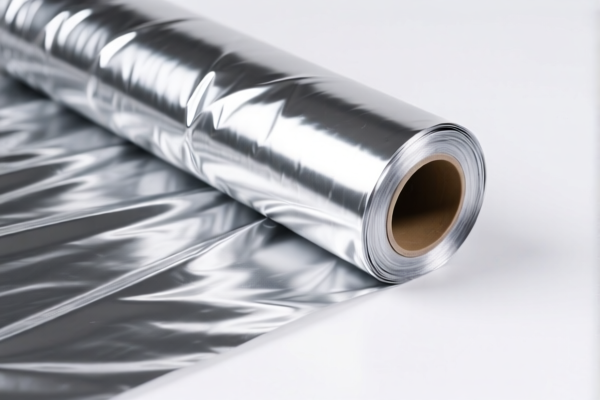
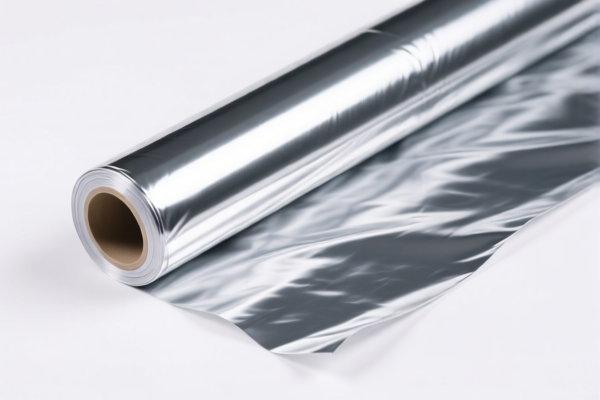


AI Analysis
🛡️ Film Buffer Material (Plastic Cushioning Film)
🌐 HS Code Reference & Customs Clearance Guide | 2026 Latest Tariff Analysis | Professional Entry Strategy
📌 Part 1: Product Definition & Classification: Do You Really Understand "Plastic Buffer Film"?
Plastic buffer material, commonly known as air pillows or expanded plastic film, is a critical packaging component used to protect goods from shock and vibration during transit. In international trade, its classification depends heavily on its material composition, physical form (e.g., rolls, sheets, bags), and primary function.
Because this product can fall under multiple categories depending on specific manufacturing details, it is often subject to high punitive tariffs (Section 301 and Section 122) if improperly declared or if the "correct" higher-tariff code is applied by customs.
⚠️ Key Distinction Point:
- If the film is primarily defined as a simple plastic sheet/film for general use → It often falls under Chapter 39, Heading 3919 (Self-adhesive) or 3920 (Other plates/sheets/films).
- If the film is specifically designed as a packaging container/cushioning bag → It may fall under 3923 (Articles for the conveyance/packaging of goods).
📦 Part 2: HS Code Classification Matrix (2026 Latest Customs Nomenclature)
| HS Code | Product Description | Applicable Scenario | Total Tariff Rate | Tax Detail Breakdown |
|---|---|---|---|---|
3919.10.20.55 |
Plastic buffer film; Material: Plastic; Form: Film; Matches film characteristics. | Self-adhesive plastic films or generic plastic films used as buffers. | 40.8% | Base: 5.8% Additional (301): 25.0% Section 122: 10% |
3923.90.00.80 |
Plastic buffer film; Material: Plastic; Use: Buffer material for cargo packaging. | General plastic packaging articles used specifically for cushioning/shipping. | 38.0% | Base: 3.0% Additional (301): 25.0% Section 122: 10% |
3923.21.00.95 |
Plastic buffer film; Material: Polymer of Ethylene; Form: Films/Bag-like extensions. | Flexible plastic bags or film-like packaging made from polyethylene. | 38.0% | Base: 3.0% Additional (301): 25.0% Section 122: 10% |
3920.10.00.00 |
Plastic buffer film; Material: Plastic; Form: Film; Matches characteristics of films of ethylene polymers. | Rigid or semi-rigid plastic sheets/films made from polyethylene (PE). | 39.2% | Base: 4.2% Additional (301): 25.0% Section 122: 10% |
3920.20.00.55 |
Plastic buffer film; Material: Plastic; Form: Film; Matches characteristics of plastic plates, sheets, film, foil. | Plastic sheets/films (not polyethylene specific, but general plastic film). | 39.2% | Base: 4.2% Additional (301): 25.0% Section 122: 10% |
🔍 Critical Insight:
- All five codes listed above include USITC Additional Duty (25%) and Section 122 Duty (10%).
- The Base Duty varies slightly (3.0% – 5.8%).
- Total Liability ranges from 38.0% to 40.8% depending on the precise material (e.g., Ethylene Polymer vs. General Plastic) and form factor.
💰 Part 3: Detailed Tariff Breakdown & Legal Basis
✅ Applicable Country: United States (US)
✅ Origin: China (CN)
✅ Effective Time: 2025/2026 (Current Policy)
🎯 1. Code 3919.10.20.55 – Plastic Film (Adhesive/General)
| Item | Content |
|---|---|
| Base Duty | 5.8% |
| Section 301 Additional Duty | +25.0% |
| Section 122 Duty | +10.0% |
| Total Rate | 40.8% |
| Calculation | CIF Value × 40.8% |
| De Minimis Exemption | ❌ Not Applicable (High tariff item) |
📌 Explanation:
- This code applies when the product is viewed primarily as a plastic film product.
- The 25% tariff is imposed under USITC Footnote 9903.88.01 (Section 301).
- The 10% is imposed under IEEPA/Section 122 specific provisions for Chinese-origin goods.
🎯 2. Code 3923.90.00.80 – Packaging Articles (Non-Specific)
| Item | Content |
|---|---|
| Base Duty | 3.0% |
| Section 301 Additional Duty | +25.0% |
| Section 122 Duty | +10.0% |
| Total Rate | 38.0% |
| Calculation | CIF Value × 38.0% |
| De Minimis Exemption | ❌ Not Applicable |
📌 Explanation:
- This is often the most cost-effective option if the product can be definitively classified as a "packaging article" rather than a raw film.
- Requires proof that the primary function is packaging/cushioning, not just being a film.
🎯 3. Code 3923.21.00.95 – Polyethylene Bags/Films
| Item | Content |
|---|---|
| Base Duty | 3.0% |
| Section 301 Additional Duty | +25.0% |
| Section 122 Duty | +10.0% |
| Total Rate | 38.0% |
| Calculation | CIF Value × 38.0% |
| De Minimis Exemption | ❌ Not Applicable |
📌 Explanation:
- Use this if the buffer material is explicitly made from Polyethylene (PE).
- Must demonstrate it is in the form of bags or pouches (even if expanded).
🎯 4. Code 3920.10.00.00 – Polyethylene Sheets/Films
| Item | Content |
|---|---|
| Base Duty | 4.2% |
| Section 301 Additional Duty | +25.0% |
| Section 122 Duty | +10.0% |
| Total Rate | 39.2% |
| Calculation | CIF Value × 39.2% |
| De Minimis Exemption | ❌ Not Applicable |
📌 Explanation:
- Applies if the product is a solid sheet/film of polyethylene, not necessarily a bag or pouch.
- Higher base duty than 3923/3920.20 due to specific material designation.
🎯 5. Code 3920.20.00.55 – Other Plastic Sheets/Films
| Item | Content |
|---|---|
| Base Duty | 4.2% |
| Section 301 Additional Duty | +25.0% |
| Section 122 Duty | +10.0% |
| Total Rate | 39.2% |
| Calculation | CIF Value × 39.2% |
| De Minimis Exemption | ❌ Not Applicable |
📌 Explanation:
- A "catch-all" for plastic films that are not polyethylene (e.g., PVC, PP, PS).
- Use if the material composition is mixed or not primarily PE.
🛠️ Part 4: Customs Clearance Operational Advice (Practical Pitfall Avoidance)
✅ 1. Documentation Checklist (Mandatory)
| Document | Required | Purpose |
|---|---|---|
| ✅ Product Specification Sheet | ✔️ | Must detail: Material type (PE/PP/etc.), Thickness, Width, Length, and Form (Roll/Bolt/Sheet). |
| ✅ Material Composition Declaration | ✔️ | Explicitly state if it is Polyethylene (for 3923.21/3920.10) or other plastic. |
| ✅ Function Description | ✔️ | Clearly state: "Used as cushioning buffer material for cargo protection." |
| ✅ Commercial Invoice | ✔️ | Must match HS Code description exactly. Avoid vague terms like "Plastic Wrap." |
| ✅ Packaging Photos | ✔️ | Show if it is a bag, sheet, or roll. This helps distinguish between 3923 (Packaging) and 3920 (Film). |
✅ 2. Classification Strategy (The "Golden Rule")
🔥 "Function Defines 3923; Material Defines 3920/3919."
| Scenario | Recommended HS Code | Why? | Risk if Wrong |
|---|---|---|---|
| Polyethylene Buffer Bags/Pouches | 3923.21.00.95 |
It is a specific packaging article made of PE. | Misclassified as generic film → Higher Base Duty (4.2% vs 3.0%). |
| General Plastic Cushioning Sheets | 3923.90.00.80 |
It is a packaging article, material unspecified or mixed. | Lowest Base Duty (3.0%). Best for cost saving if acceptable. |
| Self-Adhesive Plastic Film Rolls | 3919.10.20.55 |
It is an adhesive plastic product. | Highest Base Duty (5.8%). Avoid unless it is clearly adhesive. |
| Non-Adhesive PE Films/Sheets | 3920.10.00.00 |
It is a raw film/sheet of PE. | Higher Base Duty (4.2%). Use only if it doesn't fit 3923. |
✅ 3. Critical Warnings for Importers
-
No De Minimis Exemption:
Despite being small items, all HS codes listed above for Chinese-origin goods are subject to Section 301 (25%) and Section 122 (10%). You cannot use the $800 de minimis exemption to avoid these tariffs. -
Avoid "Plastic Wrap" as a Description:
If you declare simply as "Plastic Wrap," customs may assign the highest base duty or flag it for manual review. Use precise terms like "Polyethylene Buffer Film" or "Plastic Cushioning Packaging." -
Material Consistency:
Ensure the Commercial Invoice matches the Certificate of Origin. If you claim PE (for 3923.21/3920.10) but the invoice says "PVC," you will face penalties.
🌍 Part 5: Global Market Comparison (2026)
| Market | Recommended HS Code | Base Tariff | Additional Tariffs (China) | Total Approx. Rate | Notes |
|---|---|---|---|---|---|
| 🇺🇸 USA | 3923.90.00.80 |
3.0% | 25% (301) + 10% (122) | 38.0% | Best rate if classified as packaging. |
| 🇺🇸 USA | 3919.10.20.55 |
5.8% | 25% (301) + 10% (122) | 40.8% | Worst rate (Adhesive film). |
| 🇪🇺 EU | 3923.29 / 3920.10 |
6.5% | None | 6.5% | No Section 301/122 in EU. |
| 🇨🇳 China | 3923.29 / 3920.10 |
6.5% - 8.0% | None | ~7.0% | Low duty, but check VAT (13%). |
📌 Conclusion:
- The USA imposes a massive 35% surcharge on top of the base duty.
- Optimization Strategy: Attempt to classify under3923.90.00.80(38.0% total) or3923.21.00.95(38.0% total) as these have the lowest base duty (3.0%).
- Avoid3919.10.20.55(40.8%) unless the product is definitively self-adhesive.
📌 Part 6: Common Errors & Pitfalls (Lessons Learned)
❌ Error 1: Declaring "Plastic Film" without specifying "Packaging Use."
👉 Consequence: Customs may classify under 3920 (Base 4.2%) instead of 3923 (Base 3.0%) → Loss of 0.2% savings per shipment.
❌ Error 2: Failing to disclose "Made in China."
👉 Consequence: If origin is questioned, and proven to be China, the importer faces retroactive 25% + 10% tariffs + penalties.
❌ Error 3: Using vague terms like "Cushioning Material" on the Invoice.
👉 Consequence: Customs may assign a residual HTS code with higher base duties or trigger a Field Examination.
❌ Error 4: Assuming Small Packages are Tax-Free.
👉 Consequence: Section 301 and Section 122 do not apply to de minimis. You will still pay 38-40%.
✅ Correct Approach:
"Polyethylene Expanded Film Rolls, Used as Cargo Buffer/Packaging Material, Made in China"
HS Code:3923.21.00.95or3923.90.00.80
🎯 Part 7: Conclusion: Precision Saves Money!
🎯 Remember the Strategy:
🔹 "Function First, Material Second."
🔹 Packaging Use → 3923 (Lower Base Duty).
🔹 Raw Film → 3920/3919 (Higher Base Duty).
🔹 "No Free Ride" for China: Expect 35% Additional Duties (25% + 10%) regardless of the code.
📌 Pro Tip:
If you are importing large volumes, consider applying for an Exclusion under Section 301 (if available for specific plastic films) or consult a licensed customs broker for a Binding Ruling (PRI) to lock in the 3923 classification at the lower base duty.
✨ Professional Clearance Starts with Accurate Classification!
💼 Every percentage point counts in high-tariff trade!
Customer Reviews
About HS Code Classification
The Harmonized System (HS) is an internationally standardized nomenclature developed by the World Customs Organization (WCO) to classify traded products. Over 200 countries use the HS system as the basis for customs tariffs, trade statistics, and import/export regulations.
Each HS code follows a hierarchical structure:
- Chapter (2 digits) — Broad category of goods (e.g., Chapter 84: Machinery and Mechanical Appliances)
- Heading (4 digits) — More specific grouping within the chapter
- Subheading (6 digits) — Internationally standardized breakdown, used by all WCO member countries
- National subdivisions (8-10 digits) — Country-specific extensions for further classification, such as US HTSUS 10-digit codes
Correct HS code classification is essential for smooth customs clearance, accurate duty payment, and compliance with trade regulations. Misclassification can lead to customs delays, overpayment of duties, or penalties.
When importing from CN to US, the applicable tariff rates may include:
- Most-Favored-Nation (MFN) rate — The standard duty rate applied to WTO members
- General rate — Applied to countries without trade agreements
- Trade remedy duties — Additional tariffs such as Section 301 (anti-dumping), Section 232 (national security), or countervailing duties
The information provided on this page is for reference purposes only. For official classification, please consult with your local customs authority or a licensed customs broker.