Film Repair Tape
CN → US| HS Code | Tariff Rate | Origin | Destination | Doc |
|---|---|---|---|---|
| 3919102055 | 40.8% | CN | US | Official Doc |
Product Images
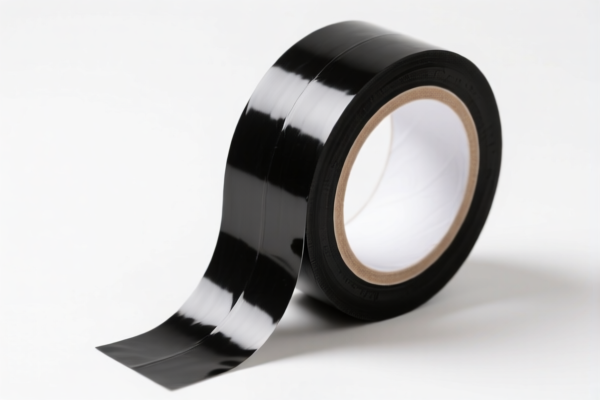
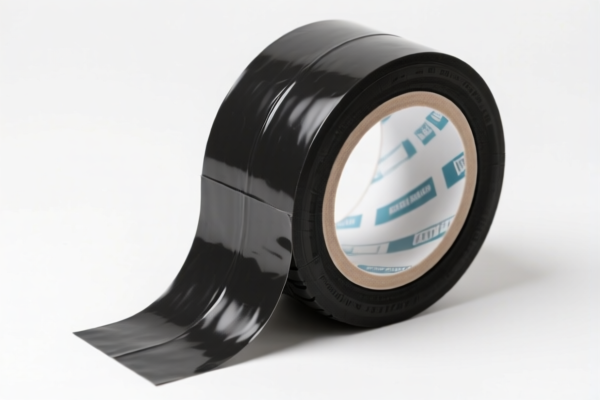
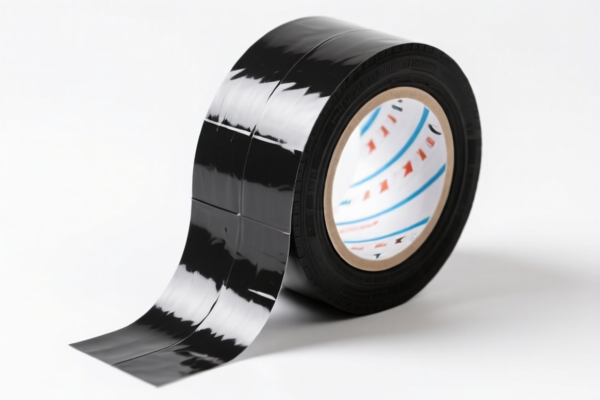
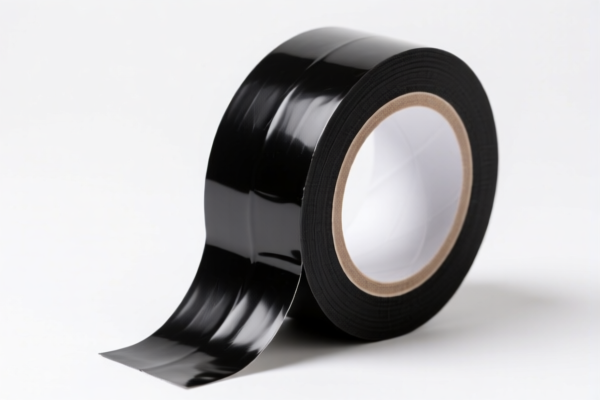
AI Analysis
🎞️ Film Repair Tape (Adhesive Plastic Tape for Film/Photography)
🌐 HS Code Reference & Customs Clearance Guide | 2026 Latest Tariff Analysis | Professional Level Clearance Strategy
📌 I. Product Definition and Classification: What exactly is "Film Repair Tape"?
Film Repair Tape, in the context of international trade, usually refers to self-adhesive tapes made of plastics (such as polyester/PET, PVC, or acetate) used for repairing photographic film, celluloid, or other plastic strips. It is not primarily a textile tape or a metal foil tape.
Key Classification Distinction: * Self-Adhesive Plastics (General): Most film repair tapes are classified under Chapter 39 (Plastics and Articles Thereof) because their core function is adhesive bonding using a plastic substrate. * Specifically In Rolls: The classification heavily depends on the width of the roll.
⚠️ Critical Distinction:
- If the tape is in rolls of a width exceeding 20 cm, it may fall under different subheadings (e.g., 3919.90.50.80).
- If the tape is in rolls of a width not exceeding 20 cm, it falls under 3919.90.50.60 (as per the provided data).
- If it is a "specialized" adhesive of a specific plastic not elsewhere specified, it still defaults to the "Other" category under 3919.90.
📦 II. HS Code Classification Details (2026 Latest Tariff Authority Match)
Based on the provided <DATA>, the only applicable HS Code for Film Repair Tape (assuming it is a self-adhesive plastic tape in rolls ≤ 20cm width) is:
| HS Code | Product Description | Applicable Scenario | Width Restriction |
|---|---|---|---|
3919.90.50.60 |
Self-adhesive plates, sheets, film, foil, tape, strip and other flat shapes, of plastics, whether or not in rolls: Other: Other: Other (In rolls of a width not exceeding 20 cm) | Standard film repair tapes, photographic film splicing tape, plastic strip adhesives for small-scale repair | ✅ ≤ 20 cm |
🔍 Key Note:
- This code explicitly covers "Self-adhesive... tape... of plastics".
- It applies to "Other" types, meaning if it’s not a specifically listed specialty tape (like electrical insulating tape which might have its own heading), it falls here.
- Width is Critical: If the film repair tape roll is wider than 20 cm, this code is incorrect. However, most film repair tapes are narrow strips (<10cm), so 3919.90.50.60 is highly likely correct for standard film repair applications.
💰 III. 2026 Latest Tariff Rate Details (Including Surtaxes)
✅ Applicable Country: United States (US)
✅ Origin: China (CN) (Note: Tax details provided in are specifically for Chinese origin)
✅ Effective Date: As per current trade policies (2026 context)
🎯 1. 3919.90.50.60 —— Self-Adhesive Plastic Tape (≤ 20 cm width)
| Item | Content |
|---|---|
| Base Tariff Rate | 5.8% (Ad Valorem) |
| Section 301 Surtax | +25.0% (Additional tariff on Chinese goods) |
| Total Tariff Rate | 30.8% |
| Tax Calculation | CIF Value × 30.8% |
| De Minimis Eligibility | ❌ Not Applicable (Section 321 de minimis does not apply to goods subject to Section 301 tariffs) |
| Legal Basis Path | HTSUS:3919.90.50.60 → USITC:Section301 → Total:30.8% |
📌 Explanation:
- The 5.8% base rate is the standard Most Favored Nation (MFN) rate for "Other self-adhesive plastics."
- The 25.0% surtax is the critical additional duty imposed under Section 301 of the Trade Act of 1974 on specific Chinese imports, including many plastic articles.
- Total Cost Impact: For every $1,000 CIF value, you pay $308 in duties. This is a significant cost factor for low-margin items like tape.
🛠️ IV. Customs Clearance Practical Advice (Real-World Pitfall Avoidance)
✅ 1. Required Documentation Checklist
| Document | Must Provide | Description |
|---|---|---|
| ✅ Product Specification Sheet | ✔️ | Must clearly state: Material (e.g., PET, PVC), Adhesive Type, Roll Width (cm), and Use (e.g., "For repairing photographic film"). |
| ✅ HS Code Justification | ✔️ | Explicitly state: "Self-adhesive plastic tape, roll width ≤ 20cm, classified under 3919.90.50.60." |
| ✅ Commercial Invoice | ✔️ | Description must match: "Self-adhesive plastic repair tape, not exceeding 20cm width." Avoid vague terms like "Tape." |
| ✅ Packaging Label | ✔️ | Show roll dimensions or specify "Narrow Roll" if width is not obvious. |
| ✅ Certificate of Origin | ✔️ | Required to confirm Chinese origin for Section 301 applicability. |
✅ 2. Declaration Strategy (Key Mantra)
🔥 “Width Defines Code, Material Defines Chapter, Origin Defines Tax!”
| Scenario | Correct Declaration | Incorrect Approach |
|---|---|---|
| Tape Roll Width = 10 cm | 3919.90.50.60 (≤20cm) |
Misclassify as "Other plastics" >20cm → Wrong code, potential penalty. |
| Tape Roll Width = 25 cm | 3919.90.50.80 (>20cm) (Not in provided data, but note this) |
Using 3919.90.50.60 → Customs Hold & Revaluation. |
| Non-Plastic Tape (e.g., Cloth) | 5806.32.00.00 (Woven Fabric Tape) |
Using 3919... → Misclassification. |
| Electrical Insulating Tape | 3920.99.90.00 or 8546.20.00.00 |
Using 3919... → Incorrect Function. |
📌 Important:
- If your film repair tape is electrical insulating tape (even if used for film), it may be classified under Chapter 85 or 3920 depending on structure.
- For standard photographic film repair, 3919.90.50.60 is the safest and most accurate classification if the width is ≤ 20cm.
✅ 3. Special Considerations
| Situation | Handling Advice |
|---|---|
| Sample Shipments | Even small samples are subject to 30.8% duty if declared as commercial goods. Consider using a different shipping method for non-commercial samples if applicable. |
| Mixed Shipments | If shipping with other goods, separate film repair tape in the invoice to avoid confusion with other plastic products. |
| Value Declaration | Ensure the declared value includes freight and insurance (CIF). The 30.8% is calculated on CIF, not FOB. |
🌍 V. Global Market Comparison (2026 Context)
| Country/Region | Recommended HS Code | Total Tariff (China Origin) | Notes |
|---|---|---|---|
| 🇺🇸 USA | 3919.90.50.60 |
30.8% | Includes 5.8% base + 25% Section 301. |
| 🇨🇳 China | 3919.90.50.60 |
~5.8% | Base rate applies. No US surtax. |
| 🇪🇺 EU | 3919.90.00 |
~6.5% | EU uses 8-digit HS. No major surtax on plastics. |
| 🇨🇦 Canada | 3919.90.90 |
~5.25% | Most-Favored-Nation rate. |
| 🇯🇵 Japan | 3919.90.000 |
~5.1% | Low base tariff. |
📌 Conclusion:
- The USA market is significantly more expensive for Chinese film repair tape due to the 25% Section 301 tariff.
- For non-US markets, the cost is much lower (~5-7%).
📌 VI. Common Errors & Pitfalls (Lessons Learned)
❌ Error 1: Declaring roll width as "1 inch" without specifying it's ≤ 20 cm.
👉 Consequence: Customs may request clarification, causing delays.
✅ Fix: Explicitly state "Roll Width: 1 cm (≤ 20 cm)" in the commercial invoice.
❌ Error 2: Misclassifying as "Adhesive Products" without specifying "Plastic."
👉 Consequence: May be assigned a higher duty rate if classified under "Other adhesives."
✅ Fix: Clearly state "Plastic-based self-adhesive tape."
❌ Error 3: Ignoring Section 301 applicability.
👉 Consequence: Underpayment of duties by 25%, leading to penalties and back taxes.
✅ Fix: Always check if the product is on the Section 301 list (it is).
🎯 VII. Conclusion: Precision in Classification Saves Money
🎯 Remember:
🔹 "Width Matters: ≤20cm = .50.60, >20cm = .50.80"
🔹 "Plastic Base + Adhesive = Chapter 39"
🔹 "China Origin + US Entry = 30.8% Total Duty"
📌 Pro Tip:
If you are importing film repair tape into the US, budget for 30.8% duty. If margins are thin, consider:
1. Sourcing from Vietnam/Mexico (if applicable) to avoid Section 301.
2. Applying for a HTSUS Exclusion (if available for your specific product).
3. Consulting a Customs Broker to verify if a more specific subheading applies (e.g., if it’s a specialized medical film tape).
📣 Immediate Action:
📞 Confirm roll width < 20 cm.
📄 Mark Invoice: "Self-adhesive plastic tape, ≤20cm, HS 3919.90.50.60."
💰 Calculate CIF Value × 30.8% for accurate landed cost.
✨ Clear Classification, Smooth Clearance, Predictable Costs!
💼 Every cent saved in duty planning is pure profit!
Customer Reviews
About HS Code Classification
The Harmonized System (HS) is an internationally standardized nomenclature developed by the World Customs Organization (WCO) to classify traded products. Over 200 countries use the HS system as the basis for customs tariffs, trade statistics, and import/export regulations.
Each HS code follows a hierarchical structure:
- Chapter (2 digits) — Broad category of goods (e.g., Chapter 84: Machinery and Mechanical Appliances)
- Heading (4 digits) — More specific grouping within the chapter
- Subheading (6 digits) — Internationally standardized breakdown, used by all WCO member countries
- National subdivisions (8-10 digits) — Country-specific extensions for further classification, such as US HTSUS 10-digit codes
Correct HS code classification is essential for smooth customs clearance, accurate duty payment, and compliance with trade regulations. Misclassification can lead to customs delays, overpayment of duties, or penalties.
When importing from CN to US, the applicable tariff rates may include:
- Most-Favored-Nation (MFN) rate — The standard duty rate applied to WTO members
- General rate — Applied to countries without trade agreements
- Trade remedy duties — Additional tariffs such as Section 301 (anti-dumping), Section 232 (national security), or countervailing duties
The information provided on this page is for reference purposes only. For official classification, please consult with your local customs authority or a licensed customs broker.