Film Restoration Positive Film
CN → US| HS Code | Tariff Rate | Origin | Destination | Doc |
|---|---|---|---|---|
| 3706106030 | 35.0% | CN | US | Official Doc |
| 3706900030 | 35.0% | CN | US | Official Doc |
Product Images
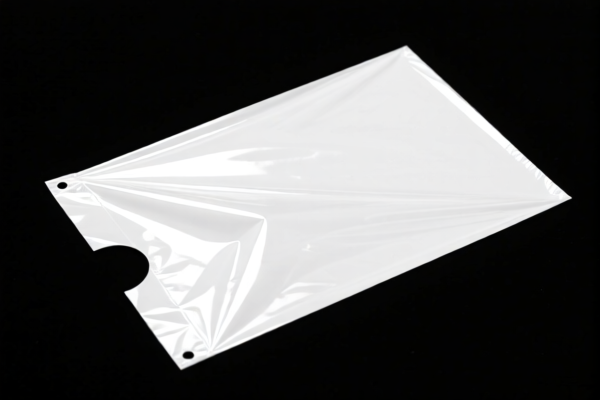
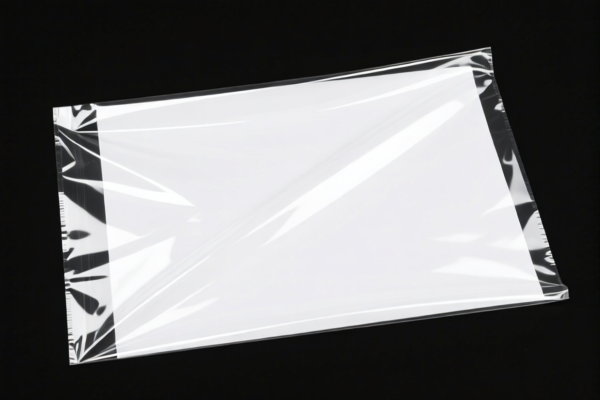
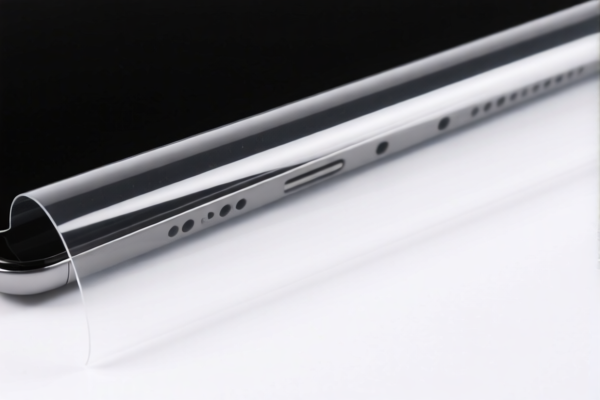
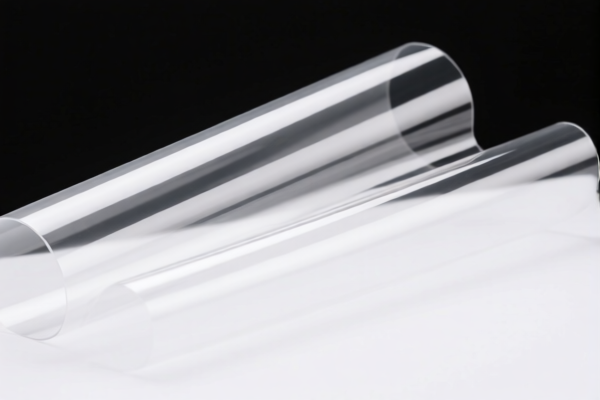
AI Analysis
🎞️ Film Restoration: Positive Release Prints (Motion Picture Film)
🌐 HS Code Reference & Customs Clearance Guide | 2026 Latest Tariff Analysis | Professional Clearance Strategy
📌 I. Product Definition & Classification: Do You Understand "Positive Release Prints"?
"Film Restoration Positive Film" in international trade specifically refers to Positive Release Prints of motion picture film. These are the final, ready-to-screen copies of movies distributed to cinemas. Unlike raw raw stock or negative film, these are "exposed and developed," meaning the chemical process is complete, and the image is visible directly (not inverted).
In the context of US import regulations, these are strictly categorized under Chapter 37 (Photographic or Cinematographic Goods). The key distinction lies in the format and sound integration:
Feature Films (Positive Release Prints): * Standard Format: Typically 35mm or wider. * Content: Visual imagery combined with audio (soundtrack) or visual-only. * Status: "Exposed and developed" – ready for projection.
⚠️ Key Distinction:
- If the film is raw, unexposed → It belongs to HS 3702 (Photographic Film Unexposed).
- If the film is exposed, developed, and used for cinema projection → It belongs to HS 3706 (Motion Picture Film Exposed & Developed).
- Crucial Note: "Restoration" in the product name does not change the HS code. If it is a physical positive print for distribution, it falls under 3706. If it is a digital restoration file on a hard drive, it would fall under Chapter 85 (Electronic Data Storage), but the query implies physical film.
📦 II. HS Code Classification Details (2026 Latest Tariff Authority Comparison)
Based on the provided data, the goods fall into two specific sub-categories depending on width and specificity.
| HS Code | Product Description | Applicable Scenario | Tax Rate (Total) |
|---|---|---|---|
3706.10.60.30 |
Feature Films: Positive Release Prints (Width ≥ 35mm) | Standard theatrical 35mm/70mm movie prints for cinemas | 25.0% |
3706.90.00.30 |
Other Positive Release Prints | Non-feature films, short films, or other formats not strictly classified as "Feature Films" under the previous code | 25.0% |
🔍 Key Reminder:
-3706.10.60.30is for Feature Films (narrative movies intended for theatrical release) of width 35mm or more. This is the most common code for restored classic films or new theatrical releases.
-3706.90.00.30is a catch-all for other positive prints (e.g., educational films, non-feature artistic prints) that do not fit the specific "Feature Film" definition or width criteria of the first code.
- Both codes incur the same total tariff rate of 25.0% in this context.
💰 III. 2026 Latest Tariff Rate Detail (Including Surtaxes & Policy Add-ons)
✅ Applicable Country: United States (US)
✅ Origin: China (CN)
✅ Effective Time: Current enforcement (based on provided data)
🎯 1. 3706.10.60.30 – Feature Films: Positive Release Prints (≥ 35mm)
| Item | Content |
|---|---|
| Base Tariff Rate | 0.0% |
| Surtax (Section 301/Additional) | +25.0% |
| Total Tariff Rate | 25.0% |
| Tax Calculation | CIF Value × 25% |
| De Minimis Exemption | ❌ Not Applicable (Commercial freight, not small parcels) |
| Legal Basis Path | Base Rate: 0% + Add-on: 25% = Total: 25% |
📌 Explanation:
- The 0% base rate reflects the traditional duty-free status of many photographic/cinematographic goods.
- The 25.0% surtax is the critical cost driver. This is typically associated with Section 301 Tariffs on Chinese goods, which apply to "Motion Picture Film" under HTSUS 3706.
- No other IEPEA or additional USITC footnotes are listed in the provided data for this specific code, so the total remains 25.0%.
🎯 2. 3706.90.00.30 – Other Positive Release Prints
| Item | Content |
|---|---|
| Base Tariff Rate | 0.0% |
| Surtax (Section 301/Additional) | +25.0% |
| Total Tariff Rate | 25.0% |
| Tax Calculation | CIF Value × 25% |
| De Minimis Exemption | ❌ Not Applicable |
| Legal Basis Path | Base Rate: 0% + Add-on: 25% = Total: 25% |
📌 Note:
- Although this is a "Other" category, it is not subject to lower duties. The surtax applies uniformly to exposed/developed motion picture film from China in this dataset.
- Whether it's a feature film or a short documentary print, if it's a physical positive release from China, the 25% surtax applies.
🛠️ IV. Customs Clearance Practical Advice (Battlefield Pit Avoidance Guide)
✅ 1. Preparation Checklist (No Omissions Allowed)
| Document | Required | Explanation |
|---|---|---|
| ✅ Commercial Invoice | ✔️ | Must clearly state "Motion Picture Film, Exposed and Developed" and specify if it is a "Feature Film" or "Other Print". |
| ✅ Packing List | ✔️ | Detail the number of reels, length (meters/feet), and diameter. |
| ✅ Certificate of Origin | ✔️ | Critical for confirming Chinese origin to apply the correct 25% surtax. |
| ✅ Product Description | ✔️ | Avoid vague terms like "Film." Use precise language: "35mm Positive Release Print of Feature Film 'XYZ', Exposed and Developed." |
| ✅ Customs Bond | ✔️ | Ensure you have a continuous bond for commercial imports. |
✅ 2. Declaration Tips (Critical Keywords)
🔥 "Clear Format, Specify Width, Define Content, Avoid Misclassification!"
| Situation | Correct Declaration | Wrong Practice |
|---|---|---|
| 35mm Movie Print for Cinema | 3706.10.60.30 (Feature Film) |
Misclassifying as "Unexposed Film" → Potential penalty |
| Short Film / Non-Feature Print | 3706.90.00.30 (Other) |
Calling it a "Feature Film" → May trigger scrutiny if content doesn't match |
| Digital Copy (DVD/Blu-ray/Hard Drive) | NOT HS 3706 (Likely Chapter 85 or 95) | Declaring digital media as physical film → Severe Misclassification |
| Raw Unexposed Film Stock | NOT HS 3706 (HS 3702) | Declaring exposed film as unexposed → Fraud Risk |
✅ 3. Special Cases Handling
| Scenario | Handling Advice |
|---|---|
| Restoration Samples | If sent for evaluation only (not for sale/distribution), declare as "Sample, Not for Resale." However, if it's a final print, it must be declared as merchandise. |
| Damaged Film | If film is damaged during transport, provide photos and damage reports to avoid disputes on value assessment for tax calculation. |
| Hybrid Shipments | If shipping both physical film (HS 3706) and digital files (HS 8523), declare separately. Do not mix codes. |
| Origin Marking | Ensure each reel or container is marked "Made in China" if required by specific customs orders, though usually, the Country of Origin on the invoice suffices for tariff application. |
🌍 V. Global Market Clearance Comparison (2026 Latest)
| Country/Region | Recommended HS Code | Tariff (China Origin) | Certification Requirement | Notes |
|---|---|---|---|---|
| 🇺🇸 USA | 3706.10.60.30 / 3706.90.00.30 |
25.0% (Total) | None specific for film | High Surtax. Must be accurate physical description. |
| 🇨🇳 China | 3706.10.60.30 |
~0-6% (VAT + Duty) | None | Re-import of Chinese goods may have different rules. |
| 🇪🇺 EU | 3706.10.60 |
0% (Most cases) | CE/RoHS (if electronic components in projectors, not film) | Generally duty-free for cinematographic film. |
| 🇬🇧 UK | 3706.10.60 |
0% | None | Post-Brexit, generally duty-free for film. |
| 🇯🇵 Japan | 3706.10.60 |
0% | None | Duty-free for cinematographic film. |
📌 Conclusion:
- The 25% tariff is US-specific due to trade policies (Section 301).
- Exporting film to the EU, UK, or Japan incurs 0% duty, making these markets more cost-effective for physical film distribution.
- Always verify the physical nature: If the "restoration" is delivered via digital means (USB, HDD), the HS code changes completely, and tariffs may differ.
📌 VI. Common Errors & Pitfall Guide (Lessons from Blood and Tears)
❌ Mistake 1: Declaring "Positive Film" as "Unexposed Film" (HS 3702) to avoid the 25% tax.
👉 Consequence: Customs inspection reveals developed images. Seizure, fines, and loss of import privileges.
❌ Mistake 2: Ignoring the "Feature Film" distinction.
👉 Consequence: Using 3706.90.00.30 for a 35mm feature film might pass if rates are identical, but it invites unnecessary audit. If rates diverge in future updates, you face back-taxes. Be precise.
❌ Mistake 3: Confusing "Restoration" with "Digital Data".
👉 Consequence: Shipping a hard drive with restored footage but labeling it as "Film Reels." Customs will classify as electronic storage media (Chapter 85), not film (Chapter 37).
✅ Correct Practice:
"35mm Positive Release Print, Feature Film, Exposed and Developed, Origin: China, HS 3706.10.60.30, Value: $X, Surtax Applicable: 25%."
🎯 VII. Conclusion: Professional Declaration, Save Money, Avoid Risk!
🎯 Remember the Mantra:
🔹 "Exposed & Developed = HS 3706"
🔹 "Feature Film (35mm+) = 3706.10.60.30"
🔹 "Other Print = 3706.90.00.30"
🔹 "US Import = 25% Total Tax (0% Base + 25% Surtax)"
🔹 "Digital File ≠ Film Reel"
📌 Pro Tip:
If you are restoring film for non-commercial use (e.g., archival preservation within a museum), you may be eligible for exemptions or duty-free status under specific museum import provisions. However, for commercial distribution (cinema releases), the 25% tariff is mandatory.
👉 Recommendation: Apply for an Advance Ruling (R9xxxxx) from US Customs and Border Protection (CBP) if the classification is ambiguous (e.g., hybrid digital/physical formats) to ensure compliance and avoid surprise duties at the port.
📣 Act Now:
📞 Contact a Licensed Customs Broker
📄 Prepare Detailed Product Descriptions
🚀 Ensure Accurate HS Code Declaration to Avoid Delays
✨ Professional Clearance Starts with Accurate Classification!
💼 Every Percent of Tariff Matters – Know Your 25%!
Customer Reviews
About HS Code Classification
The Harmonized System (HS) is an internationally standardized nomenclature developed by the World Customs Organization (WCO) to classify traded products. Over 200 countries use the HS system as the basis for customs tariffs, trade statistics, and import/export regulations.
Each HS code follows a hierarchical structure:
- Chapter (2 digits) — Broad category of goods (e.g., Chapter 84: Machinery and Mechanical Appliances)
- Heading (4 digits) — More specific grouping within the chapter
- Subheading (6 digits) — Internationally standardized breakdown, used by all WCO member countries
- National subdivisions (8-10 digits) — Country-specific extensions for further classification, such as US HTSUS 10-digit codes
Correct HS code classification is essential for smooth customs clearance, accurate duty payment, and compliance with trade regulations. Misclassification can lead to customs delays, overpayment of duties, or penalties.
When importing from CN to US, the applicable tariff rates may include:
- Most-Favored-Nation (MFN) rate — The standard duty rate applied to WTO members
- General rate — Applied to countries without trade agreements
- Trade remedy duties — Additional tariffs such as Section 301 (anti-dumping), Section 232 (national security), or countervailing duties
The information provided on this page is for reference purposes only. For official classification, please consult with your local customs authority or a licensed customs broker.