Film Roll
CN → US| HS Code | Tariff Rate | Origin | Destination | Doc |
|---|---|---|---|---|
| 3701910060 | 38.7% | CN | US | Official Doc |
| 3920992000 | 39.2% | CN | US | Official Doc |
| 3702310100 | 38.7% | CN | US | Official Doc |
| 3701300000 | 35.0% | CN | US | Official Doc |
| 3702100060 | 38.7% | CN | US | Official Doc |
Product Images


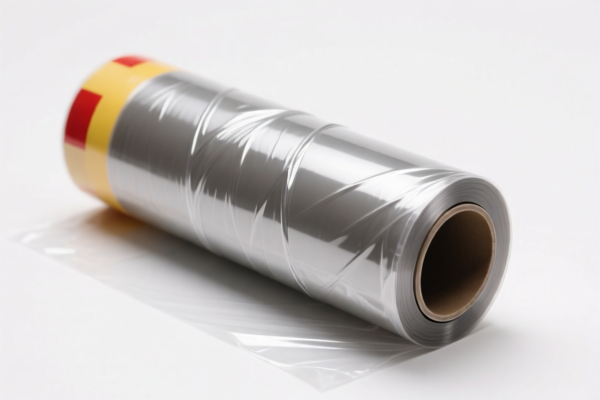

AI Analysis
🎞️ Film Roll (Photographic Film Rolls)
🌐 HS Code Reference & Customs Clearance Guide | 2026 Latest Tariff Analysis | Professional Clearance Strategy
📌 I. Product Definition & Classification: What Exactly is a "Film Roll"?
Photographic film rolls are flat, light-sensitive materials used for capturing images. In international trade, they are primarily classified under Chapter 37 (Photographic or Cinematographic Goods). However, depending on the specific material composition, format, and whether they are photographic or merely plastic strips, they may fall into different HS Codes with vastly different tax implications.
⚠️ Key Distinction:
- If the item is a light-sensitive material (emulsion-coated) for photography/cinematography → Chapter 37 (HS 3701, 3702).
- If the item is a plastic strip/roll without photosensitive properties (e.g., packaging film, protective roll) → Chapter 39 (HS 3920).
- Critical Risk: Misdeclaring a photographic film as plastic film can lead to severe penalties, as the tax rates and regulatory requirements differ significantly.
📦 II. HS Code Classification Details (2026 Latest Tariff Authority Mapping)
Based on the provided data, here are the potential HS Codes for "Film Roll" and their corresponding logic:
| HS Code | Summary/Logic | Total Tax Rate | Tax Breakdown |
|---|---|---|---|
| 3701.91.00.60 | Flat Light-Sensitive Material: Matches the definition of color photographic film (flat format). | 38.7% | Base: 3.7% Additional: 25.0% (Sec 301) 122 Clause: 10% |
| 3920.99.20.00 | Plastic Roll/Strip: Form fits roll/tape/sheet characteristics; material inferred as plastic (non-photosensitive). | 39.2% | Base: 4.2% Additional: 25.0% (Sec 301) 122 Clause: 10% |
| 3702.31.01.00 | Photographic Roll: Form fits film roll characteristics; non-paper, non-textile light-sensitive material. | 38.7% | Base: 3.7% Additional: 25.0% (Sec 301) 122 Clause: 10% |
| 3701.30.00.00 | Large Format/Instant Film: Matches form and use; likely平板 (flat) or instant print film >255mm in side length. | 35.0% | Base: 0.0% Additional: 25.0% (Sec 301) 122 Clause: 10% |
| 3702.10.00.60 | Other Rolls: Fits roll shape and exposed/unexposed attributes; serves as a fallback category. | 38.7% | Base: 3.7% Additional: 25.0% (Sec 301) 122 Clause: 10% |
🔍 Key Insight:
- The Base Tariff varies from 0.0% to 4.2%.
- The Additional Tariff (25%) and 122 Clause Tariff (10%) are constant across all codes, stemming from US trade policies against Chinese goods.
- Total Tax Range: 35.0% – 39.2%.
- Misclassification Risk: Declaring a high-tax photographic film (38.7%) as plastic (39.2%) doesn't save money but creates compliance risks. However, declaring a large format film incorrectly could lower the base tax but still incur the heavy additional tariffs.
💰 III. Detailed Tariff Analysis (Including Additional Taxes & Policy Add-ons)
✅ Applicable Country: United States (US)
✅ Origin: China (CN)
✅ Effective Time: 2025+ (Current Trade Policy)
🎯 1. 3701.91.00.60 & 3702.31.01.00 & 3702.10.00.60 — Standard Photographic Films
| Item | Content |
|---|---|
| Base Tariff | 3.7% (Ad Valorem) |
| USITC Additional Tariff (Section 301) | +25.0% |
| 122 Clause Tariff | +10.0% |
| Total Effective Rate | 38.7% |
| Calculation Basis | CIF Value × 38.7% |
| De Minimis Exemption | ❌ Not Applicable (Strictly regulated) |
| Legal Path | USITC:3701.91.00.60 → FOOTNOTE:301 → IEEPA:122 |
📌 Explanation:
- These codes cover standard color negative film, black and white film, and other light-sensitive rolls.
- The 25% tariff is the standard Section 301 tax on Chinese-origin goods.
- The 10% tariff is an additional layer under "Section 122" or similar trade remedy clauses.
- Note: Even though the base tariff is low (3.7%), the additional tariffs dominate the cost structure.
🎯 2. 3920.99.20.00 — Plastic Rolls/Strips (Non-Photosensitive)
| Item | Content |
|---|---|
| Base Tariff | 4.2% (Ad Valorem) |
| USITC Additional Tariff (Section 301) | +25.0% |
| 122 Clause Tariff | +10.0% |
| Total Effective Rate | 39.2% |
| Calculation Basis | CIF Value × 39.2% |
| De Minimis Exemption | ❌ Not Applicable |
| Legal Path | USITC:3920.99.20.00 → FOOTNOTE:301 → IEEPA:122 |
📌 Note:
- This code is only for plastic films/rolls that are NOT photosensitive.
- If your "Film Roll" is actually photographic film, using this code is fraudulent and will result in penalties.
- The total tax is higher than standard photographic film (39.2% vs 38.7%), so there is no financial benefit to misclassification.
🎯 3. 3701.30.00.00 — Large Format/Instant Film (>255mm)
| Item | Content |
|---|---|
| Base Tariff | 0.0% (Ad Valorem) |
| USITC Additional Tariff (Section 301) | +25.0% |
| 122 Clause Tariff | +10.0% |
| Total Effective Rate | 35.0% |
| Calculation Basis | CIF Value × 35.0% |
| De Minimis Exemption | ❌ Not Applicable |
| Legal Path | USITC:3701.30.00.00 → FOOTNOTE:301 → IEEPA:122 |
📌 Optimization Tip:
- If your film is large format (e.g., sheet film >255mm) or instant print film, this code offers the lowest total tax rate (35.0%).
- The 0% base tariff makes it the most tax-efficient option, though it is still subject to the 35% additional duties.
🛠️ IV. Customs Clearance Practical Advice (Real-World Pitfall Avoidance)
✅ 1. Preparation Checklist (Non-Negotiable)
| Document | Required | Description |
|---|---|---|
| ✅ Product Specification Sheet | ✔️ | Must specify: Type (B&W, Color, Infrared), Size, Sensitivity (ISO), and Photosensitive Properties. |
| ✅ Product Photos | ✔️ | Clear images of the roll, packaging, and any warning labels (e.g., "Light Sensitive"). |
| ✅ Bill of Lading/Invoice | ✔️ | Must match HS Code description. Avoid vague terms like "Plastic Roll" if it's photographic film. |
| ✅ Certificate of Origin | ✔️ | To verify Chinese origin and apply applicable tariffs. |
| ✅ Safety Data Sheet (SDS) | If Applicable | For chemical components in emulsion, if required by customs. |
✅ 2. Declaration Tips (Key Mnemonics)
🔥 “Specify Sensitivity, Size Matters, Plastic is Different, Don’t Mix It!”
| Scenario | Correct Declaration | Incorrect Declaration | Consequence |
|---|---|---|---|
| Standard Color Film Roll | 3702.31.01.00 (Photographic Film) |
"Plastic Roll" | Penalty + Back Taxes |
| Large Format Sheet/Instant Film | 3701.30.00.00 |
"Color Film" | Overpayment (38.7% vs 35.0%) |
| Non-Photosensitive Plastic Wrap | 3920.99.20.00 |
"Photographic Film" | Classification Error |
| Mixed Packaging | Whole Item Declaration | Split into "Roll" + "Emulsion" | Complexity + Risk |
✅ 3. Special Case Handling
| Case | Recommendation |
|---|---|
| Digital Film Simulators | If the item is a digital sensor mimicking film, it may fall under Chapter 85 (Electronics), not Chapter 37. Consult a specialist. |
| Empty Reels/Spools | If the item is only the plastic reel without film, it is a Part of Machinery or Plastic Article (Chapter 39 or 84), not Chapter 37. |
| Cinematographic Film | Often falls under 3702 series. Ensure you specify "Cinematographic" vs "Photographic" if applicable, as sub-codes differ. |
| Exempt Products | If the film is for educational/research purposes, check for potential exemptions, though rare under current US-China trade policies. |
🌍 V. Global Market Comparison (2026 Latest)
| Country/Region | Recommended HS Code | Base Tariff | Additional Tariff | Total Estimate | Remarks |
|---|---|---|---|---|---|
| 🇺🇸 USA | 3702.31.01.00 |
3.7% | +35% (301+122) | 38.7% | Highest tax burden globally for Chinese origin. |
| 🇨🇳 China | 3702.31.01.00 |
3.7% | 0% | 3.7% | Low import duty. No additional trade war tariffs. |
| 🇪🇺 EU | 3702.31.01.00 |
0% | 0% | 0% | Free trade agreement considerations; no Section 301. |
| 🇬🇧 UK | 3702.31.01.00 |
0% | 0% | 0% | Post-Brexit tariffs may vary; generally favorable. |
📌 Conclusion:
- USA is the most expensive market due to Section 301 and 122 Clause tariffs.
- EU and UK offer significantly lower tariff burdens, making them more attractive for export if logistics allow.
- Cost Optimization: For US imports, consider Large Format (3701.30.00.00) to reduce total tax to 35.0%, a 3.7% savings.
📌 VI. Common Mistakes & Pitfall Guide (Lessons Learned)
❌ Mistake 1: Declaring Photographic Film as "Plastic Roll" (3920)
👉 Consequence: Customs may detect the photosensitive nature via inspection. Result: Back taxes + Fines + Seizure.
👉 Tax Impact: You might save 0.5% temporarily (39.2% vs 38.7%), but the risk outweighs the benefit.
❌ Mistake 2: Ignoring the 122 Clause
👉 Consequence: Many importers only account for the 25% Section 301 tariff. Forgetting the 10% 122 Clause leads to underpayment.
👉 Solution: Always calculate Base + 25% + 10%.
❌ Mistake 3: Misidentifying Large Format Film
👉 Consequence: Declaring >255mm film as standard roll (3702) results in higher base tax (3.7% vs 0.0%).
👉 Solution: Measure precisely. If >255mm, use 3701.30.00.00 to save 3.7% on the base value.
❌ Mistake 4: Vague Description "Film Roll"
👉 Consequence: Customs may classify under the highest possible duty or hold the shipment for classification review.
👉 Solution: Use precise descriptions: "Color Negative Photographic Film, 35mm Roll, ISO 400, Unexposed".
✅ Correct Practice:
"Photographic Color Negative Film, Roll Format, 35mm Width, Unexposed, Emulsion on Cellulose Acetate Base, HS 3702.31.01.00"
🎯 VII. Conclusion: Precision Classification, Cost Efficiency!
🎯 Remember These Rules:
🔹 "Photosensitive? Chapter 37. Plastic Only? Chapter 39."
🔹 "Large Format (>255mm)? Use 3701.30 for 0% Base Tax."
🔹 "US Imports? Expect 35-39% Total Tax. No De Minimis Exemption."
🔹 "Never Misdeclare. The Penalty is Worse Than the Tax."
📌 Pro Tip:
- For US Imports, always budget for ~35-39% total duty.
- If your film is Large Format, use
3701.30.00.00to minimize costs.- Pre-Ruling: Consider applying for a Binding Ruling from US Customs (CBP) to confirm the HS Code and tariff rate before shipment.
📣 Immediate Action:
📞 Consult a Customs Broker: Provide product specs and photos.
🚀 Verify HS Code: Ensure it matches the product’s physical and chemical properties.
💼 Optimize Supply Chain: Consider shipping to EU/UK if US tariffs are prohibitive.
✨ Professional Clearance Starts with Accurate Classification!
💼 Every Dollar Counts in International Trade!
Customer Reviews
About HS Code Classification
The Harmonized System (HS) is an internationally standardized nomenclature developed by the World Customs Organization (WCO) to classify traded products. Over 200 countries use the HS system as the basis for customs tariffs, trade statistics, and import/export regulations.
Each HS code follows a hierarchical structure:
- Chapter (2 digits) — Broad category of goods (e.g., Chapter 84: Machinery and Mechanical Appliances)
- Heading (4 digits) — More specific grouping within the chapter
- Subheading (6 digits) — Internationally standardized breakdown, used by all WCO member countries
- National subdivisions (8-10 digits) — Country-specific extensions for further classification, such as US HTSUS 10-digit codes
Correct HS code classification is essential for smooth customs clearance, accurate duty payment, and compliance with trade regulations. Misclassification can lead to customs delays, overpayment of duties, or penalties.
When importing from CN to US, the applicable tariff rates may include:
- Most-Favored-Nation (MFN) rate — The standard duty rate applied to WTO members
- General rate — Applied to countries without trade agreements
- Trade remedy duties — Additional tariffs such as Section 301 (anti-dumping), Section 232 (national security), or countervailing duties
The information provided on this page is for reference purposes only. For official classification, please consult with your local customs authority or a licensed customs broker.