Film Roll (High Sensitivity)
CN → USProduct Images
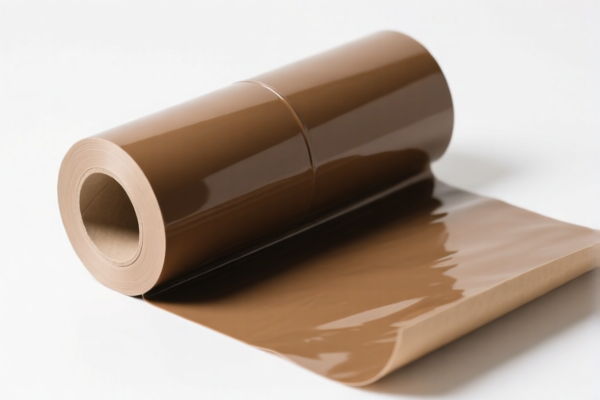
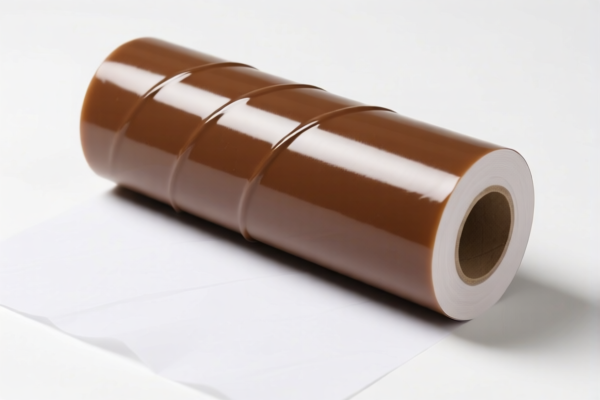
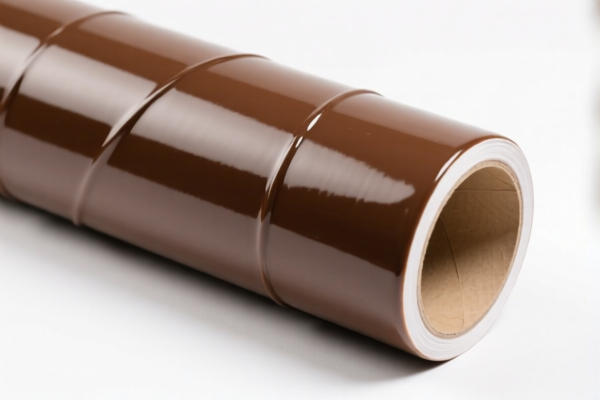
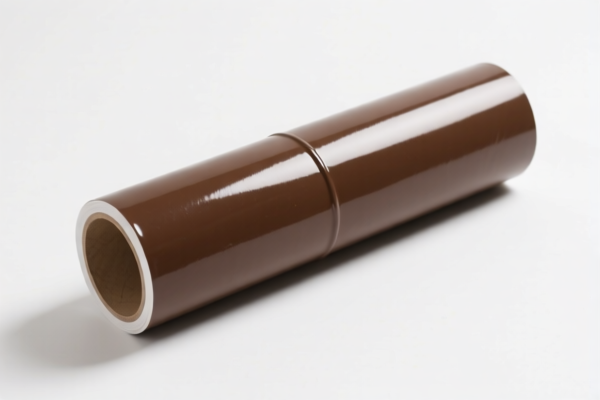
AI Analysis
📸 Film Roll (High Sensitivity)
🌐 HS Code Reference & Customs Clearance Guide | 2026 Latest Tariff Analysis | Professional Entry Strategies
📌 I. Product Definition & Classification: What Exactly is "Film Roll (High Sensitivity)"?
Photographic Film Rolls, especially those labeled "High Sensitivity" (often referring to high ISO ratings like ISO 400, 800, or 1600), are light-sensitive materials essential for analog photography. In international trade, they fall under Chapter 37 (Photographic or Cinematographic Goods).
Key Characteristics: * Form: Rolls (Flexiable strips or reels). * Material: Cellulose acetate or polyester base coated with silver halide emulsion (chemical light-sensitive layer). * Function: Capturing images via chemical reaction to light. * "High Sensitivity" Implication: Indicates faster exposure times, often used in low-light conditions. This does not change the fundamental chemical nature but may influence specific sub-classifications based on color type (Color Negative, Color Positive, Black & White).
⚠️ Critical Distinction:
- If the film is unexposed and unprocessed, it is classified as Photographic Film (HS 3701/3702).
- If the film is already developed/processed into prints, it falls under Photographic Paper/Prints (HS 3703/3704) or general photographic goods, not film rolls.
- The following analysis assumes the product is Unexposed/Unprocessed Film Rolls.
📦 II. HS Code Classification Details (2026 Latest Tariff Authority Comparison)
Based on the provided data, five potential HS Codes are identified. The choice depends heavily on whether the film is Black & White, Color Negative, or Other Color, and specific USITC interpretations for "High Sensitivity."
| HS Code | Product Description | Applicability Logic | Total Tax Rate |
|---|---|---|---|
3707.10.00.90 |
Photographic Light-Sensitive Materials (Other) | Fits general "Film Roll" description. Used when the specific type (e.g., color negative) doesn't fit more specific sub-headings or is classified as "Other" due to lack of specific color designation in the name. | 38.0% |
3707.10.00.05 |
Photographic Light-Sensitive Materials (Other, Specific Sub-heading) | Similar to above. The summary notes it fits the "sensitizing emulsion" category. Often used for films that don't fit the primary color negative/positive categories strictly. | 38.0% |
3701.99.60.60 |
Other Light-Sensitive Plates, Film... (Other) | Specifically identified as "Non-paper, non-textile" sensitive film. Often used for Black & White or specific industrial/scientific films not covered by 3702. Summary notes logical consistency with "Other" category for photographic films. | 35.0% |
3701.91.00.60 |
Light-Sensitive Plates, Film... (Colored) | Explicitly linked to Color Photography (35mm roll). Since "High Sensitivity" often implies color consumer film, this is a strong candidate if the product is confirmed as Color Negative/Positive. | 38.7% |
3702.54.00.30 |
Photographic Film for Color Negative or Color Positive Material (35mm) | Specific to 35mm Color Film. If the product is explicitly 35mm and Color, this is the most precise technical fit for consumer photography film. The summary notes the "35mm" specification drives this classification. | 38.7% |
🔍 Key Insight:
- Code3701...is typically for Black & White or Non-Color photographic films (lower base duty 0% vs 3.7%).
- Code3702...is typically for Color photographic films (higher base duty 3.7%).
- Code3707...is a catch-all for "Other" light-sensitive materials, often used when the specific type is ambiguous or specialized.
💰 III. 2026 Latest Tariff Rate Details (Including Additional Duties & Policy Surcharges)
✅ Applicable Country: United States (US)
✅ Origin: China (CN)
✅ Effective Date: November 10, 2025 onwards (including subsequent imports)
🎯 1. 3701.99.60.60 – Black & White / Other Non-Color Film (Lowest Base Duty)
| Item | Content |
|---|---|
| Base Duty | 0.0% (ad valorem) |
| USITC Additional Duty | +25% (Under USITC Footnote 9903.88.01 / Section 301) |
| IEEPA Additional Duty | +10% (Against Chinese/HK products, effective Nov 10, 2025) |
| Total Effective Rate | 35.0% |
| Tax Calculation | CIF Value × 35% |
| De Minimis Exemption? | ❌ NO (deny_de_minimis) |
| Legal Basis Path | IEEPA:9903.01.25 → IEEPA:9903.01.24 → USITC:3701.99.60.60 → FOOTNOTE:9903.88.01 |
📌 Explanation:
- Even though the base duty is 0%, the 35% total is still significant.
- This is the lowest tax rate among the provided options, making it the most cost-effective if the film can be classified as B&W or non-color.
🎯 2. 3707.10.00.90 & 3707.10.00.05 – Other Light-Sensitive Materials
| Item | Content |
|---|---|
| Base Duty | 3.0% (ad valorem) |
| USITC Additional Duty | +25% |
| IEEPA Additional Duty | +10% |
| Total Effective Rate | 38.0% |
| Tax Calculation | CIF Value × 38.0% |
| De Minimis Exemption? | ❌ NO |
| Legal Basis Path | IEEPA:9903.01.25 → IEEPA:9903.01.24 → USITC:3707.10.00.xx → FOOTNOTE:9903.88.01 |
📌 Note:
- Higher base duty (3.0%) than B&W film.
- Used for films that don't fit the strict 3701/3702 color/B&W definitions or are "Other" types.
🎯 3. 3701.91.00.60 & 3702.54.00.30 – Color Film (35mm & Other)
| Item | Content |
|---|---|
| Base Duty | 3.7% (ad valorem) |
| USITC Additional Duty | +25% |
| IEEPA Additional Duty | +10% |
| Total Effective Rate | 38.7% |
| Tax Calculation | CIF Value × 38.7% |
| De Minimis Exemption? | ❌ NO |
| Legal Basis Path | IEEPA:9903.01.25 → IEEPA:9903.01.24 → USITC:3701.91.00.60 / 3702.54.00.30 → FOOTNOTE:9903.88.01 |
📌 Note:
- Highest tax rate in the list.
- Applies if the product is clearly Color Film (35mm or other).
-3702.54.00.30is the most specific for 35mm Color Film, which often attracts strict scrutiny.
🛠️ IV. Customs Clearance Practical Advice (Battle-Tested Pitfall Avoidance Guide)
✅ 1. Required Documentation Checklist (Non-Negotiable)
| Document | Mandatory? | Description |
|---|---|---|
| ✅ Product Specification Sheet | ✔️ | Must specify: Film Type (B&W vs Color), Format (35mm/120/110), ISO Speed, Color Sensitivity, Manufacturer. |
| ✅ Technical Data Sheet (TDS) | ✔️ | Details the emulsion type (Silver Halide), base material (Acetate/Polyester). |
| ✅ High-Resolution Product Photos | ✔️ | Show the canister, labeling (ISO, Color type), and any packaging warnings. |
| ✅ Commercial Invoice | ✔️ | Must explicitly state: "Photographic Film Roll, Unexposed, [Color Type], 35mm, High Sensitivity." Avoid vague terms like "Camera Accessories." |
| ✅ Certificate of Origin (CO) | ✔️ | Essential for proving Chinese origin (triggers 35-38.7% tariffs). |
| ✅ Packing List | ✔️ | Detail quantities, weight, and dimensions. |
✅ 2. Declaration Tips (Key Mantra)
🔥 "Be Precise on Color, Be Specific on Form, Avoid Vague Labels!"
| Scenario | Correct Declaration Strategy | Wrong Practice | Consequence |
|---|---|---|---|
| Color Film (35mm) | Declare as: "35mm Color Negative Film, High Sensitivity, Unexposed" → HS 3702.54.00.30 |
Call it "Camera Film" or "Photographic Roll" | Risk of misclassification → 38.7% + Penalties |
| Black & White Film | Declare as: "35mm Black & White Film, Unexposed" → HS 3701.99.60.60 |
Label as "Color Film" | Overpaying tax (35% vs 38.7%) + Audit Risk |
| Unspecified/Other | Declare as: "Photographic Film Roll, Unexposed, Other" → HS 3707.10.00.90 |
Omit color/type details | Unclear origin/type → Customs Delay / Seizure |
| Already Developed | Declare as "Photographic Prints" (Different Chapter) | Declare as "Film Roll" | Major Misclassification → High Penalties |
✅ 3. Special Cases & Handling
| Situation | Handling Advice |
|---|---|
| OEM/Private Label | Provide a letter from the brand owner confirming the product specifications. Avoid generic names. |
| Mixed Shipments | If B&W and Color films are mixed in one container, separate declarations are highly recommended to optimize tax (B&W at 35%, Color at 38.7%). Mixed boxes may default to the highest rate. |
| High Sensitivity Claim | Ensure the MSDS (Material Safety Data Sheet) is available. Silver halide emulsions are generally low risk, but chemical composition details may be requested. |
| Valuation Dispute | "High Sensitivity" films often have higher MSRP. Customs may compare your declared value against US sales data. Ensure your invoice reflects a legitimate transaction value. |
🌍 V. Global Main Market Clearance Comparison (2026 Latest)
| Country/Region | Recommended HS Code | Approx. Tariff (China Origin) | Certification Requirements | Notes |
|---|---|---|---|---|
| 🇺🇸 USA | 3702.54.00.30 / 3701.99.60.60 |
35.0% - 38.7% | No specific FDA/UL for film, but chemical safety may be requested | High tariffs due to 301/IEEPA. |
| 🇨🇳 China | 3702.54.00.30 |
5.0% - 8.0% | No special certification | Low duty. |
| 🇪🇺 EU | 3702 |
0% - 4.5% | REACH Compliance (Chemicals) | No additional punitive tariffs. |
| 🇬🇧 UK | 3702 |
0% - 4.5% | UKCA (if applicable) | Post-Brexit, generally low duty. |
| 🇯🇵 Japan | 3702 |
0% - 3.2% | PSE (if electronic accessories included) | Low duty. |
📌 Conclusion:
- USA is the most expensive market due to the 35-38.7% effective tariff.
- EU, UK, and Japan have significantly lower or zero tariffs, making them more favorable for direct exports if logistics allow.
- Strategy: If exporting to the US, consider value engineering or supply chain diversification (e.g., transshipment through non-tariffed countries, though this carries legal risks if not done correctly) to mitigate costs.
📌 VI. Common Errors & Pitfall Guide (Blood & Tears Lessons)
❌ Error 1: Declaring "Camera Accessories" instead of "Photographic Film"
👉 Consequence: HS Code misclassification → Delayed release + Potential 100%+ penalty on underpaid duty.
❌ Error 2: Omitting "Unexposed" in the description
👉 Consequence: Customs may assume it's processed film or paper → Wrong HS Code → Confiscation.
❌ Error 3: Mixing B&W and Color films in one generic box without detailed packing list
👉 Consequence: Customs may apply the higher 38.7% rate to the entire shipment or conduct a physical inspection → Delays.
❌ Error 4: Using vague terms like "High ISO Film" without specifying Color/B&W
👉 Consequence: Customs may request additional documentation → Clearance delay of 2-4 weeks.
✅ Correct Approach:
"Photographic Film Roll, Unexposed, Color Negative, 35mm Format, ISO 800, High Sensitivity, Polyester Base, For Analog Photography, Model XYZ, Made in China"
🎯 VII. Conclusion: Professional Declaration, Save Time, Reduce Costs!
🎯 Remember the Mantra:
🔹 "Color vs B&W is King, Tariffs Differ by 3.7%!"
🔹 "35mm Color is 38.7%, B&W is 35%, Don't Guess, Specify!"
🔹 "HS Code Defines Your Cost, Misclassification Costs More!"
📌 Pro Tip:
If your film is manufactured in Vietnam, Thailand, or Malaysia, you may qualify for lower or zero tariffs under various free trade agreements or avoid IEEPA surcharges.
Recommend Applying for a Binding Ruling with US Customs and Border Protection (CBP) before shipping to lock in the HS Code and tariff rate.
📣 Immediate Action:
📞 Contact a licensed Customs Broker + Provide Product Specs + Verify Color/B&W Status
🚀 Ensure Smooth Clearance, Efficient Export, Maximized Profit!
✨ Professional Clearance Starts with Precise Classification!
💼 Every Dollar of Duty Is Calculable, Every Risk Is Avoidable!
Customer Reviews
About HS Code Classification
The Harmonized System (HS) is an internationally standardized nomenclature developed by the World Customs Organization (WCO) to classify traded products. Over 200 countries use the HS system as the basis for customs tariffs, trade statistics, and import/export regulations.
Each HS code follows a hierarchical structure:
- Chapter (2 digits) — Broad category of goods (e.g., Chapter 84: Machinery and Mechanical Appliances)
- Heading (4 digits) — More specific grouping within the chapter
- Subheading (6 digits) — Internationally standardized breakdown, used by all WCO member countries
- National subdivisions (8-10 digits) — Country-specific extensions for further classification, such as US HTSUS 10-digit codes
Correct HS code classification is essential for smooth customs clearance, accurate duty payment, and compliance with trade regulations. Misclassification can lead to customs delays, overpayment of duties, or penalties.
When importing from CN to US, the applicable tariff rates may include:
- Most-Favored-Nation (MFN) rate — The standard duty rate applied to WTO members
- General rate — Applied to countries without trade agreements
- Trade remedy duties — Additional tariffs such as Section 301 (anti-dumping), Section 232 (national security), or countervailing duties
The information provided on this page is for reference purposes only. For official classification, please consult with your local customs authority or a licensed customs broker.