Film Sticker
CN → US| HS Code | Tariff Rate | Origin | Destination | Doc |
|---|---|---|---|---|
| 4821904000 | 35.0% | CN | US | Official Doc |
| 8205906000 | 0.0% | CN | US | Official Doc |
| 3926909989 | 22.8% | CN | US | Official Doc |
| 8205517500 | 38.7% | CN | US | Official Doc |
| 3926908500 | 24.0% | CN | US | Official Doc |
Product Images
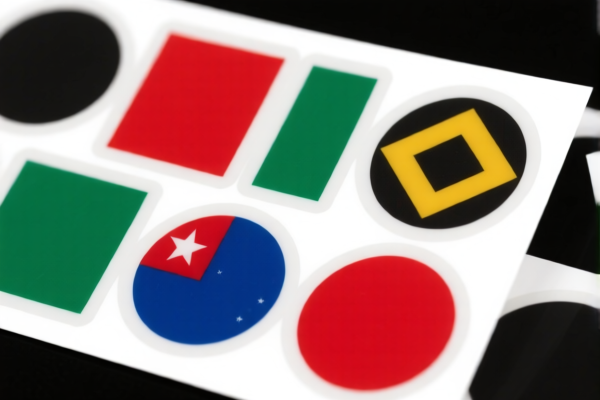


AI Analysis
🎞️ Film Sticker (Window Tinting & Privacy Films)
🌐 HS Code Reference & Clearance Guide | 2026 Latest Tariff Analysis | Professional Customs Strategy
📌 Part 1: Product Definition & Classification: Do You Really Know "Film Sticker"?
In international trade, "Film Sticker" (often referred to as Window Tint, Privacy Film, or Adhesive Vinyl) is a broad category. It generally consists of a thin plastic or paper base coated with adhesive, used for decoration, privacy, or protection.
The critical distinction lies in the material and function: * Paper-based labels/stickers: If the product is primarily paper/cardboard with adhesive, it falls under Chapter 48. * Plastic/Polymer films: If the product is made of PVC, PET, PE, or other plastics (common for window tints), it falls under Chapter 39. * Tools (Squeegees/Knives): If you are shipping the application tools along with the film, these must be declared separately based on their material (metal vs. plastic).
⚠️ Key Distinction Point:
- Material Matters: PVC/PET films go to 3926; Paper stickers go to 4821.
- Tools Matter: Plastic squeegees go to 3926; Metal knives go to 8205.
- Do Not Mix: Declaring a plastic film tool as "paper" or vice versa will cause customs delays.
📦 Part 2: HS Code Classification Details (2026 Latest Tariff Authority Mapping)
Based on the specific material composition and usage described in the data, here are the precise classifications for Film Stickers and their associated Application Tools.
| HS Code | Product Description | Material | Applicable Scenario |
|---|---|---|---|
4821.90.40.00 |
Film Sticker (Label Type) | Paper or Cardboard | Decorative stickers, paper-based labels, packaging seals. |
3926.90.99.89 |
Film Sticker (Tool - Plastic) | Plastic | Plastic squeegees, scrapers, or plastic film accessories. |
3926.90.85.00 |
Film Sticker (Tool - Plastic) | Plastic | Alternative classification for plastic application tools/accessories. |
8205.51.75.00 |
Film Sticker (Tool - Metal) | Metal | Manual cutting knives, metal scrapers, or metal-handled tools. |
8205.90.60.00 |
Film Sticker (Tool - Mixed) | Metal/Plastic | Generic manual tools, multi-material toolkits for application. |
🔍 Important Note:
- If your "Film Sticker" is actually a window tint film (PVC/PET), it typically belongs to 3926. However, the provided data highlights4821.90.40.00specifically for "Sticker" (Label) products made of paper/film. Please ensure your product is truly a label/sticker and not a large-format architectural film, which might have different sub-headings.
- Tools are Separate: Do not include the cost of plastic knives or metal blades in the HS Code for the film/sticker itself. Declare them separately to avoid misclassification penalties.
💰 Part 3: 2026 Latest Tariff Rate Breakdown (Including Surtaxes & Policy Add-ons)
✅ Applicable Country: United States (US)
✅ Country of Origin: China (CN)
✅ Effective Time: From November 10, 2025 (and subsequent imports)
🎯 1. 4821.90.40.00 — Film Sticker (Paper/Cardboard Label)
| Item | Detail |
|---|---|
| Base Duty Rate | 0.0% |
| USITC Surcharge (Section 301) | +25.0% |
| IEEPA Surcharge (Section 122) | +10.0% |
| Total Duty Rate | 35.0% |
| Tax Calculation | CIF Value × 35% |
| De Minimis Exemption | ❌ Denied (deny_de_minimis) |
| Legal Pathway | USITC:4821.90.40.00 → FOOTNOTE:301 → IEEPA:122 |
📌 Interpretation:
- This is a high-tax category for paper-based labels from China.
- The 25% is the standard Section 301 tariff on many Chinese goods.
- The 10% is the additional "Section 122" tariff targeting specific Chinese imports.
- Total 35% is a significant cost factor. Ensure your pricing strategy accounts for this.
🎯 2. 8205.90.60.00 — Manual Tools (Metal/Plastic Mixed)
| Item | Detail |
|---|---|
| Base Duty Rate | Varies (Subject to specific article rate in set) |
| USITC Surcharge (Section 301) | +25.0% |
| IEEPA Surcharge (Section 122) | +10.0% |
| Total Duty Rate | Rate + 35.0% (Base + Surtaxes) |
| Tax Calculation | (Base Rate × CIF) + (CIF × 35%) |
| De Minimis Exemption | ❌ Denied (deny_de_minimis) |
| Legal Pathway | USITC:8205.90.60.00 → FOOTNOTE:301 → IEEPA:122 |
📌 Interpretation:
- If the tool is classified as a "set" or generic manual tool, the base rate applies, followed by the 35% combined surtax.
- This is often used for multi-material toolkits. The high surtax makes pure metal tools expensive to import.
🎯 3. 3926.90.99.89 — Plastic Tools/Accessories
| Item | Detail |
|---|---|
| Base Duty Rate | 5.3% |
| USITC Surcharge (Section 301) | +7.5% |
| IEEPA Surcharge (Section 122) | +10.0% |
| Total Duty Rate | 22.8% |
| Tax Calculation | CIF Value × 22.8% |
| De Minimis Exemption | ❌ Denied (deny_de_minimis) |
| Legal Pathway | USITC:3926.90.99.89 → FOOTNOTE:301 → IEEPA:122 |
📌 Interpretation:
- Lower total tax (22.8%) compared to paper labels or metal tools.
- Plastic application tools (squeegees, scrapers) benefit from a lower base rate (5.3%) but still face the full 17.5% combined surtax (7.5% + 10%).
- Strategy: If possible, declare plastic tools under this code rather than metal tools to save on duties.
🎯 4. 8205.51.75.00 — Household Tools (Metal)
| Item | Detail |
|---|---|
| Base Duty Rate | 3.7% |
| USITC Surcharge (Section 301) | +25.0% |
| IEEPA Surcharge (Section 122) | +10.0% |
| Total Duty Rate | 38.7% |
| Tax Calculation | CIF Value × 38.7% |
| De Minimis Exemption | ❌ Denied (deny_de_minimis) |
| Legal Pathway | USITC:8205.51.75.00 → FOOTNOTE:301 → IEEPA:122 |
📌 Interpretation:
- This is the highest tax bracket in the provided data.
- Metal household tools face the full 25% Section 301 tariff.
- Only use this code if the tool is definitively a metal household tool and no other lower-rate plastic alternative applies.
🎯 5. 3926.90.85.00 — Plastic Articles (Alternative Plastic Code)
| Item | Detail |
|---|---|
| Base Duty Rate | 6.5% |
| USITC Surcharge (Section 301) | +7.5% |
| IEEPA Surcharge (Section 122) | +10.0% |
| Total Duty Rate | 24.0% |
| Tax Calculation | CIF Value × 24.0% |
| De Minimis Exemption | ❌ Denied (deny_de_minimis) |
| Legal Pathway | USITC:3926.90.85.00 → FOOTNOTE:301 → IEEPA:122 |
📌 Interpretation:
- Slightly higher total tax than3926.90.99.89(24.0% vs 22.8%).
- Use this code only if3926.90.99.89is not appropriate for your specific plastic item.
- Still significantly cheaper than metal tools or paper labels.
🛠️ Part 4: Customs Clearance Practical Advice (Avoid Pitfalls)
✅ 1. Preparation Checklist (Mandatory)
| Document | Required? | Description |
|---|---|---|
| ✅ Product Specifications | ✔️ | Must specify material (Paper vs. PVC vs. PET). |
| ✅ Material Composition | ✔️ | % of plastic/paper/metal. Critical for HS Code. |
| ✅ Product Photos | ✔️ | Clear shots of the sticker/film and any tools included. |
| ✅ Commercial Invoice | ✔️ | Must separate "Film Stickers" from "Plastic Tools" if both are shipped. |
| ✅ Packing List | ✔️ | Detailed breakdown of items. |
| ✅ Declaration of Origin | ✔️ | Certify China origin to apply correct surtaxes. |
✅ 2. Declaration Strategy (Key Rules)
🔥 “Separate Materials, Separate Codes! Don’t Mix Plastic with Paper!”
| Situation | Correct Declaration | Wrong Approach |
|---|---|---|
| Paper Stickers | 4821.90.40.00 |
Misdeclared as Plastic → Risk of Audit |
| PVC Window Tint | 3926.90.99.89 (if tool) or other 39xx |
Misdeclared as Paper → 35% Tax instead of 22.8% |
| Plastic Squeegee | 3926.90.99.89 |
Misdeclared as Metal Tool → 38.7% Tax |
| Metal Knife | 8205.51.75.00 |
Misdeclared as Plastic → Underpaid Duty + Penalty |
| Mixed Kit | Separate Lines: 1 line for Stickers, 1 line for Tools | Single Line "Kit" → Higher Combined Tax |
✅ 3. Special Case Handling
| Scenario | Handling Advice |
|---|---|
| Paper Stickers with Plastic Backing | Declare as Paper (4821) if paper is the essential character. |
| Plastic Film with Paper Label | If the film is the main item, declare under 3926. |
| Tools Included in Sticker Pack | Always separate. Declare stickers under 4821/3926 and tools under 3926/8205 separately to optimize tax. |
| High-Value Luxury Stickers | Ensure description includes brand/model to avoid being classified as generic waste/recyclable material. |
🌍 Part 5: Global Market Comparison (2026 Latest)
| Country/Region | Recommended HS Code | Tariff (China Origin) | Certification | Notes |
|---|---|---|---|---|
| 🇺🇸 USA | 4821.90.40.00 (Paper) 3926.90.99.89 (Plastic) |
35.0% (Paper) 22.8% (Plastic) |
None specific | High surtaxes apply. No de minimis. |
| 🇨🇳 China | 4821.90.40.00 |
5-10% | None | Lower base rates. |
| 🇪🇺 EU | 4823.90 (Paper) 3926.90 (Plastic) |
0-6.5% | CE (if applicable) | No Section 301/122 equivalent. |
| 🇬🇧 UK | 4821.90 3926.90 |
0-5% | UKCA | Post-Brexit rules apply. |
| 🇦🇺 Australia | 4821.90 3926.90 |
5% | RCM | Moderate duties. |
📌 Conclusion:
- USA is the most expensive market for these goods due to Section 301 (25%) and Section 122 (10%) tariffs.
- Plastic items (3926) are 12.2% cheaper in total tax than Paper items (4821) when shipping to the US.
- Consider sourcing plastic tools from non-China origins (e.g., Vietnam, Thailand) to potentially qualify for IEEPA exemptions.
📌 Part 6: Common Errors & Pitfalls (Lessons Learned)
❌ Error 1: Declaring a plastic squeegee as a "Paper Label"
👉 Result: Customs rejects the declaration. Penalty + Re-inspection.
❌ Error 2: Combining Metal Tools and Plastic Film into one HS Code
👉 Result: Customs applies the highest applicable surtax to the entire shipment. Tax increases by up to 15%.
❌ Error 3: Ignoring "Section 122" (10%) Surcharge
👉 Result: Underpayment of duties. Back taxes + Interest upon audit.
❌ Error 4: Using "Sticker" as a generic description
👉 Result: Customs classifies based on worst-case scenario (often higher tax).
✅ Correct Practice:
"Adhesive Paper Label, Decorative, 4821.90.40.00"
"Plastic Window Tint Squeegee, Hand Tool, 3926.90.99.89"
🎯 Part 7: Conclusion: Professional Declaration, Cost Optimization!
🎯 Remember the Mantra:
🔹 "Paper is 35%, Plastic is 22%, Metal is 38%!"
🔹 "Separate Tools from Stickers! Save 12% on Taxes!"
🔹 "No De Minimis in the US! Declare Everything!"
📌 Pro Tip:
If you import plastic application tools (3926), you save 12.2% in total duty compared to paper stickers. If you must use metal tools (8205), consider sourcing them from Vietnam or Thailand to avoid the 25% Section 301 tariff, reducing total tax to near base rates.
📣 Immediate Action:
📞 Contact your customs broker with material breakdowns.
📦 Separate Paper Stickers and Plastic Tools on the commercial invoice.
🚀 Optimize your HS Codes to save 12-15% in duties!
✨ Precise Classification Starts Today!
💼 Every Dollar Saved in Duty is Pure Profit!
Customer Reviews
About HS Code Classification
The Harmonized System (HS) is an internationally standardized nomenclature developed by the World Customs Organization (WCO) to classify traded products. Over 200 countries use the HS system as the basis for customs tariffs, trade statistics, and import/export regulations.
Each HS code follows a hierarchical structure:
- Chapter (2 digits) — Broad category of goods (e.g., Chapter 84: Machinery and Mechanical Appliances)
- Heading (4 digits) — More specific grouping within the chapter
- Subheading (6 digits) — Internationally standardized breakdown, used by all WCO member countries
- National subdivisions (8-10 digits) — Country-specific extensions for further classification, such as US HTSUS 10-digit codes
Correct HS code classification is essential for smooth customs clearance, accurate duty payment, and compliance with trade regulations. Misclassification can lead to customs delays, overpayment of duties, or penalties.
When importing from CN to US, the applicable tariff rates may include:
- Most-Favored-Nation (MFN) rate — The standard duty rate applied to WTO members
- General rate — Applied to countries without trade agreements
- Trade remedy duties — Additional tariffs such as Section 301 (anti-dumping), Section 232 (national security), or countervailing duties
The information provided on this page is for reference purposes only. For official classification, please consult with your local customs authority or a licensed customs broker.