Film Tensile Film
CN → US| HS Code | Tariff Rate | Origin | Destination | Doc |
|---|---|---|---|---|
| 3920992000 | 39.2% | CN | US | Official Doc |
| 3919905040 | 40.8% | CN | US | Official Doc |
| 3920100000 | 39.2% | CN | US | Official Doc |
| 3919905060 | 40.8% | CN | US | Official Doc |
| 3921905050 | 39.8% | CN | US | Official Doc |
Product Images
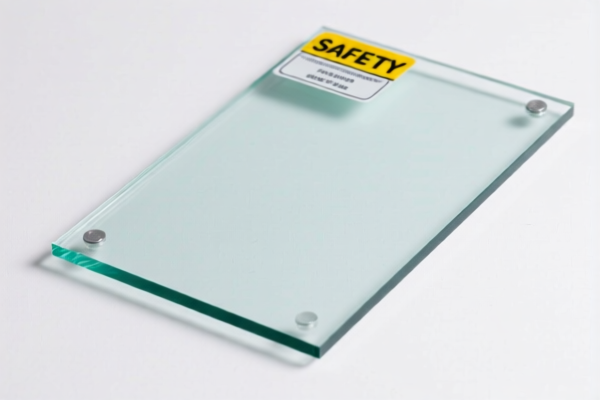
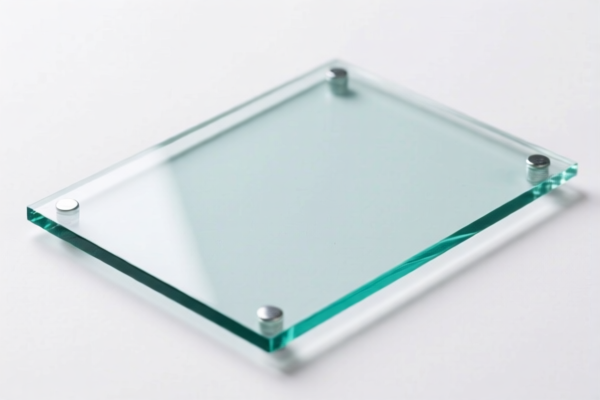
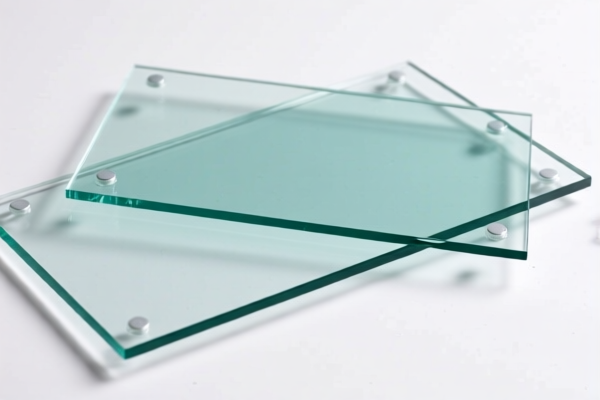

AI Analysis
📦缠绕膜(Stretch Wrap / Laminating Film)
🌐 HS Code Reference & Customs Clearance Guide | 2026 Latest Tariff Analysis | Professional Entry Strategy
📌 I. Product Definition & Classification: What is "Stretch Wrap"?
Stretch wrap (also known as pallet wrap, stretch film, or cling film) is a highly elastic plastic film used to wrap around products for storage or transport. In international trade, it is primarily classified under Chapter 39 (Plastics and Articles Thereof). The specific HS Code depends on the chemical composition, physical form (roll vs. sheet), and adhesive properties.
⚠️ Key Distinction Points:
- Material Basis: Is it polyethylene (PE)? PVC? Or other polymers?
- Form: Is it in rolls (often implying self-adhesive or specific width) or just sheets/films?
- Treatment: Is it coated, stiffened, or layered with other materials?
📦 II. HS Code Classification Details (Based on Provided Data)
| HS Code | Summary Description | Key Characteristics | Total Tax Rate* |
|---|---|---|---|
3920.99.20.00 |
Plastic films, sheets, tape, and strip (Other) | Generic plastic film category; broad classification for various plastic films not specified elsewhere. | 39.2% |
3919.90.50.40 |
Plastic plates, sheets, film, foil, tape (Self-adhesive/Flat) | Specifically identifies as self-adhesive or flat-shaped plastic film. Often used for cling/stretch films with tackiness. | 40.8% |
3920.10.00.00 |
Films of ethylene polymers | Specifically for films made from polyethylene (PE), which is the most common material for stretch wrap. | 39.2% |
3919.90.50.60 |
Plastic self-adhesive/flat-shaped film (Other) | Another sub-category for self-adhesive plastic films, often differing from .40 by specific thickness or layering properties. | 40.8% |
3921.90.50.50 |
Other plates, sheets, film, foil, and strip of plastics | General category for plastic plates/films not elsewhere specified, often used for composite or treated films. | 39.8% |
🔍 Important Note:
- The tax rates vary between 39.2%, 39.8%, and 40.8% depending on the precise chemical identity (e.g., PE vs. other polymers) and physical form (e.g., self-adhesive).
- Self-adhesive films (3919.xx) generally carry a slightly higher base tariff (5.8%) than non-adhesive polymer films (3920.xxor3921.xxwhich have 4.2%-4.8% base tariffs).
💰 III. 2026 Latest Tariff Rate Breakdown (Including Surtaxes & Policy Additions)
✅ Applicable Country: United States (US)
✅ Origin: China (CN)
✅ Effective Time: 2025 November 10 onwards (for subsequent imports)
🎯 1. 3920.99.20.00 & 3920.10.00.00 —— Plastic Films (Non-Self-Adhesive / Polyethylene)
| Item | Details |
|---|---|
| Base Tariff | 4.2% (ad valorem) |
| Section 301 Surcharge | +25.0% |
| Section 122 Duty | +10.0% (Specific to China-origin goods under certain conditions) |
| Total Effective Rate | 39.2% |
| Tax Calculation | CIF Value × 39.2% |
| De Minimis Exemption | ❌ Not Applicable |
| Legal Basis Path | HTSUS:3920.xxxx → USITC Footnote 122 → 301 Tariff List |
📌 Explanation:
- The 25% surcharge is the standard Section 301 tariff for Chinese goods in this category.
- The 10% Section 122 duty is an additional layer specifically targeting certain Chinese imports.
- Total: 39.2% is the final landed duty cost percentage for these specific HS codes.
🎯 2. 3919.90.50.40 & 3919.90.50.60 —— Self-Adhesive Plastic Films
| Item | Details |
|---|---|
| Base Tariff | 5.8% (ad valorem) |
| Section 301 Surcharge | +25.0% |
| Section 122 Duty | +10.0% |
| Total Effective Rate | 40.8% |
| Tax Calculation | CIF Value × 40.8% |
| De Minimis Exemption | ❌ Not Applicable |
| Legal Basis Path | HTSUS:3919.xxxx → USITC Footnote 122 → 301 Tariff List |
📌 Explanation:
- These codes have a higher base tariff (5.8%) compared to general plastic films (4.2%).
- Despite the higher base, the surcharges (25% + 10%) are consistent.
- Total: 40.8% makes self-adhesive stretch wraps 1.6% more expensive in duty terms than non-adhesive PE films.
🎯 3. 3921.90.50.50 —— Other Plastic Plates/Films
| Item | Details |
|---|---|
| Base Tariff | 4.8% (ad valorem) |
| Section 301 Surcharge | +25.0% |
| Section 122 Duty | +10.0% |
| Total Effective Rate | 39.8% |
| Tax Calculation | CIF Value × 39.8% |
| De Minimis Exemption | ❌ Not Applicable |
| Legal Basis Path | HTSUS:3921.xxxx → USITC Footnote 122 → 301 Tariff List |
📌 Explanation:
- This is a "catch-all" for other plastic films not covered by 3919 or 3920.
- The base tariff is 4.8%, leading to a 39.8% total rate.
🛠️ IV. Customs Clearance Practical Advice (Pitfall Avoidance Guide)
✅ 1. Preparation Checklist (All are Mandatory)
| Document | Required? | Notes |
|---|---|---|
| ✅ Product Specification Sheet | ✔️ | Must include material composition (e.g., 95% LDPE, 5% tackifier), thickness (microns), width, and core size. |
| ✅ Technical Data Sheet (TDS) | ✔️ | To prove if the film is self-adhesive (stickiness level) or non-adhesive. This determines if you use 3919 or 3920. |
| ✅ Commercial Invoice | ✔️ | Clearly state "Stretch Wrap Film" or "Plastic Film Roll". Do NOT use vague terms like "Plastic Sheet". |
| ✅ Packing List | ✔️ | Show gross/net weight. Ensure weight matches the declared CIF value. |
| ✅ Certificate of Origin (CO) | ✔️ | Critical for verifying China origin to apply (or avoid) surcharges if applicable. |
| ✅ Material Safety Data Sheet (MSDS) | ✔️ | Required for chemical safety compliance. |
✅ 2. Declaration Tips (Key Mantras)
🔥 "Material Matters, Adhesion Defines, Precision Saves!"
| Scenario | Correct HS Code | Wrong Way | Consequence |
|---|---|---|---|
| Pure PE Film, Non-Adhesive | 3920.10.00.00 |
Use 3919.90.50.40 |
Overpay 1.6% (40.8% vs 39.2%) |
| Self-Adhesive Cling Film | 3919.90.50.40 or .60 |
Use 3920.xxxx |
Incorrect classification, potential penalty |
| Composite Film (e.g., PE + EVOH) | 3921.90.50.50 |
Use 3920.10.00.00 |
Customs may reclassify and charge higher base rate |
| Vague Description "Plastic Wrap" | Any of the above | Just "Plastic Wrap" | Customs delays, manual inspection, potential audit |
✅ 3. Special Cases
| Situation | Handling Advice |
|---|---|
| OEM Private Label | Provide brand authorization or OEM agreement. Ensure HS code is based on product, not brand. |
| Recycled Content | If >50% post-consumer recycled content, provide recycling certificates. May affect certain non-tariff barriers. |
| Food Grade vs. Industrial | If for food contact, ensure FDA compliance documents are ready. Customs may request proof. |
| Sample vs. Bulk | For samples, declare clearly as "Non-commercial Sample" if applicable, but duties still apply. |
🌍 V. Global Market Comparison (2026 Latest)
| Country/Region | Recommended HS Code | Duty Rate (China Origin) | Certification Requirements | Notes |
|---|---|---|---|---|
| 🇺🇸 USA | 3920.10.00.00 (PE) |
39.2% | FDA (if food contact) | High surtaxes (301 + 122) make this expensive. |
| 🇨🇳 China | 3920.10.00.00 |
5% | GB Standards | No additional surtaxes. Much cheaper for domestic sales. |
| 🇪🇺 EU | 3920.10.00.00 |
6.5% | REACH, RoHS | No Section 301/122 equivalents. Standard EU duty applies. |
| 🇬🇧 UK | 3920.10.00.00 |
6.5% | UKCA, REACH | Post-Brexit alignment with EU tariffs. |
| 🇯🇵 Japan | 3920.10.00.00 |
5% | JIS Standards | Low duty, but strict quality inspections. |
📌 Conclusion:
- USA is the most challenging market for Chinese stretch wrap due to 39.2%-40.8% effective duty rates.
- EU/UK/Japan offer significantly lower duty burdens (5%-6.5%).
- Cost advantage shifts if production is moved to Vietnam or Mexico (subject to USMCA/EU FTAs).
📌 VI. Common Errors & Pitfall Guide (Lessons Learned)
❌ Error 1: Declaring "Stretch Wrap" as "Plastic Bags" (3923.21)
👉 Consequence: Wrong HS code, customs rejection, fines. Stretch wrap is a film, not a bag.
❌ Error 2: Ignoring the "Self-Adhesive" nature
👉 Consequence: Misclassifying self-adhesive film (3919) as non-adhesive (3920) leads to underpayment (4.8% base vs 5.8% base). Customs will demand back duties + interest.
❌ Error 3: Vague Description "Plastic Film"
👉 Consequence: Customs will classify it under the highest generic rate or request detailed specs, causing delays.
❌ Error 4: Not accounting for Section 122 Duty
👉 Consequence: Budgeting only for 25% Section 301 tax. The additional 10% (Section 122) is often overlooked, leading to unexpected cash flow issues.
✅ Correct Practice:
"LDPE Stretch Wrap Film, Roll, 23 Micron, 500mm Width, Self-Adhesive, For Palletizing, Material: 95% Linear Low-Density Polyethylene"
🎯 VII. Conclusion: Precision Saves Money!
🎯 Remember the Mantra:
🔹 "PE is 39.2%, Self-Adhesive is 40.8%."
🔹 "Don't ignore Section 122; it's the 10% hidden cost."
🔹 "Material spec is king; guess the HS code, pay the price."
📌 Tips:
- If your stretch wrap is food-grade, ensure you have FDA 21 CFR 177.1520 compliance documentation.
- Consider duty drawback opportunities if you re-export goods containing this film.
- For large volumes, apply for an Advance Ruling from CBP to lock in the HS code and avoid post-entry audits.
📣 Immediate Action:
📞 Contact a Licensed Customs Broker
📄 Submit Product Specs + Material Safety Data Sheet
🚀 Ensure accurate HS Code selection to minimize the 39.2%-40.8% duty burden!
✨ Professional clearance starts with accurate classification!
💼 Every percentage point counts in global trade!
Customer Reviews
About HS Code Classification
The Harmonized System (HS) is an internationally standardized nomenclature developed by the World Customs Organization (WCO) to classify traded products. Over 200 countries use the HS system as the basis for customs tariffs, trade statistics, and import/export regulations.
Each HS code follows a hierarchical structure:
- Chapter (2 digits) — Broad category of goods (e.g., Chapter 84: Machinery and Mechanical Appliances)
- Heading (4 digits) — More specific grouping within the chapter
- Subheading (6 digits) — Internationally standardized breakdown, used by all WCO member countries
- National subdivisions (8-10 digits) — Country-specific extensions for further classification, such as US HTSUS 10-digit codes
Correct HS code classification is essential for smooth customs clearance, accurate duty payment, and compliance with trade regulations. Misclassification can lead to customs delays, overpayment of duties, or penalties.
When importing from CN to US, the applicable tariff rates may include:
- Most-Favored-Nation (MFN) rate — The standard duty rate applied to WTO members
- General rate — Applied to countries without trade agreements
- Trade remedy duties — Additional tariffs such as Section 301 (anti-dumping), Section 232 (national security), or countervailing duties
The information provided on this page is for reference purposes only. For official classification, please consult with your local customs authority or a licensed customs broker.