Film Transfer Film
CN → US| HS Code | Tariff Rate | Origin | Destination | Doc |
|---|---|---|---|---|
| 3920620020 | 39.2% | CN | US | Official Doc |
| 3920620050 | 39.2% | CN | US | Official Doc |
| 3919905060 | 40.8% | CN | US | Official Doc |
| 3919905040 | 40.8% | CN | US | Official Doc |
Product Images
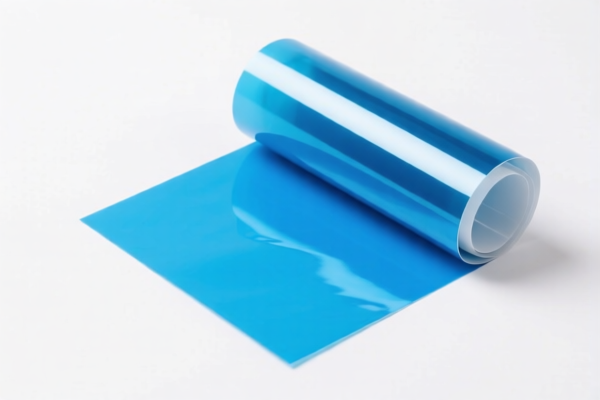
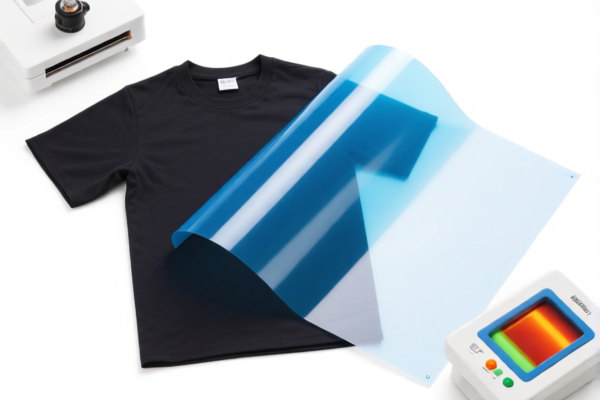
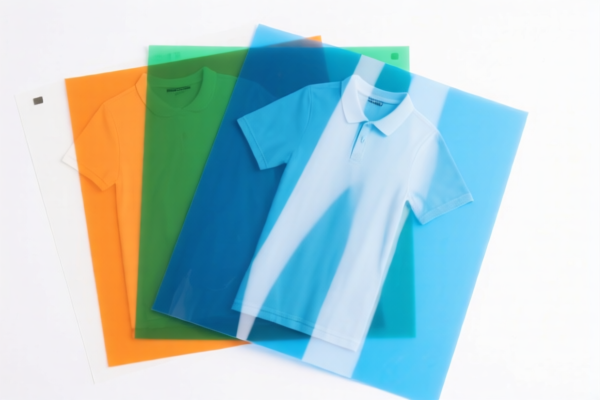
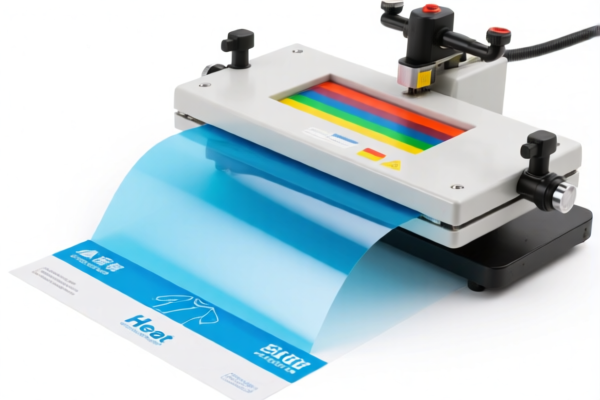
AI Analysis
🎞️ Film Transfer Film (Plastic Films, Adhesive & Non-Adhesive)
🌐 HS Code Reference & Customs Clearance Guide | 2026 Latest Tariff Analysis | Professional Strategy
📌 Part 1: Product Definition & Classification: What is "Film Transfer Film"?
In international trade, "Film Transfer Film" is a broad term that typically refers to plastic sheets, films, or tapes used for transferring images, protecting surfaces, or serving as intermediate layers in manufacturing. However, the HS Code classification depends entirely on two critical factors: 1. Is it self-adhesive (sticky)? 2. What is the base material (e.g., PET, Polycarbonate)?
The provided data () covers two main categories: * Category A: Self-Adhesive Plastic Films/Tapes (Chapter 39.19) * Category B: Non-Cellular PET/Plastic Sheets/Films (Chapter 39.20)
⚠️ Key Distinction:
- If the film has an adhesive backing (used for labeling, masking, or bonding) → It belongs to HS 3919.
- If the film is non-adhesive, rigid, or used as a structural/material sheet (e.g., metallized PET for wrapping or industrial use) → It belongs to HS 3920.
📦 Part 2: HS Code Classification Details (Based on )
| HS Code | Product Description | Application Scenario | Adhesive? | Material |
|---|---|---|---|---|
3919.90.50.60 |
Self-adhesive plates, sheets, film, foil, tape... : Other : Other : Other | General non-transparent self-adhesive plastic tapes/films | ✅ Yes | General Plastics |
3919.90.50.40 |
Self-adhesive plates, sheets, film, foil, tape... : Other : Other : Transparent tape | Clear packaging tape, masking tape, transparent adhesive films | ✅ Yes | General Plastics |
3920.62.00.20 |
Other plates, sheets, film... : Of polyesters : Of PET : Metallized PET film | Gift wrap, decorative metallized films, luxury packaging | ❌ No (Non-adhesive) | PET (Polyethylene Terephthalate) |
3920.62.00.50 |
Other plates, sheets, film... : Of polyesters : Of PET : Metallized PET film | Other industrial uses, technical metallized films, non-decorative | ❌ No (Non-adhesive) | PET (Polyethylene Terephthalate) |
🔍 Critical Note:
- Adhesive films (3919.xxxx) are taxed based on their adhesive nature and transparency.
- Non-adhesive PET films (3920.62.xxxx) are taxed based on their chemical composition (PET) and end-use (Gift wrap vs. Other).
- "Transfer Film" in the prompt is ambiguous. If it is a pressure-sensitive transfer tape, use 3919. If it is a sublimation or laminating film without adhesive (used with heat), it may fall under 3920 or other chapters, but based strictly on the provided data, we focus on the PET and Self-Adhesive options listed.
💰 Part 3: 2026 Tariff Rate Breakdown (Detailed Tax Analysis)
✅ Applicable Country: United States (US)
✅ Origin: China (CN) (Inferred from the 25% Additional Duty context)
✅ Effective Time: Current US Trade Regulations (Section 301 Duties)
🎯 1. Self-Adhesive Films (HS 3919.90.50.40 & 3919.90.50.60)
A. 3919.90.50.40 – Transparent Tape (Self-Adhesive)
| Item | Content |
|---|---|
| Base Tariff Rate | 0.0% |
| Additional Duty (Section 301) | 0.0% |
| Total Tax Rate | 0.0% |
| Tax Calculation | CIF Value × 0% = $0 |
| Legal Basis | Specific exemption for certain transparent plastic tapes or favorable HTS classification under current trade lists. |
📌 Explanation:
- Surprisingly, transparent self-adhesive tapes (3919.90.50.40) have 0% total tax in this specific dataset.
- This likely refers to specific clear packaging tapes that may be exempt from the standard Section 301 tariffs, or the dataset reflects a specific preferential classification.
- Advantage: Zero duty significantly lowers landed cost for clear tapes.
B. 3919.90.50.60 – Other Self-Adhesive Films (Non-Transparent/General)
| Item | Content |
|---|---|
| Base Tariff Rate | 5.8% |
| Additional Duty (Section 301) | 25.0% |
| Total Tax Rate | 30.8% |
| Tax Calculation | CIF Value × 30.8% |
| De Minimis Eligibility | ❌ No (Typically >$800 requires entry; if <800, check specific exemptions, but Section 301 usually applies) |
📌 Explanation:
- "Other" self-adhesive films (e.g., colored tapes, masking tapes, non-transparent adhesive films) face a high combined duty of 30.8%.
- This is a standard penalty for non-exempt plastic goods from China under Section 301.
🎯 2. Metallized PET Films (HS 3920.62.00.x0)
C. 3920.62.00.20 – Metallized PET Film (Gift Wrap)
| Item | Content |
|---|---|
| Base Tariff Rate | 4.2% |
| Additional Duty (Section 301) | 25.0% |
| Total Tax Rate | 29.2% |
| Tax Calculation | CIF Value × 29.2% |
D. 3920.62.00.50 – Metallized PET Film (Other)
| Item | Content |
|---|---|
| Base Tariff Rate | 4.2% |
| Additional Duty (Section 301) | 25.0% |
| Total Tax Rate | 29.2% |
| Tax Calculation | CIF Value × 29.2% |
📌 Explanation:
- Both gift wrap and "other" metallized PET films are classified under 3920.62.
- They incur a base tariff of 4.2% plus a 25% additional duty, totaling 29.2%.
- Note: There is no duty difference between "Gift Wrap" and "Other" in this dataset. The distinction is purely for statistical or regulatory tracking, not tax savings.
🛠️ Part 4: Customs Clearance Practical Advice (Pitfall Avoidance)
✅ 1. Preparation Checklist (Mandatory)
| Document | Required | Purpose |
|---|---|---|
| Product Spec Sheet | ✔️ | Must clearly state: Adhesive? (Yes/No), Material (PET, PP, PE), Transparency. |
| Composition Statement | ✔️ | For 3920, confirm it is PET (Polyethylene Terephthalate). Misclassification as generic plastic leads to wrong HS codes. |
| Product Photos | ✔️ | Show the film roll, backing paper (if adhesive), and metallized surface (if any). |
| Commercial Invoice | ✔️ | Must describe goods precisely: e.g., "Metallized PET Film, Non-Adhesive, for Gift Wrapping" or "Self-Adhesive Clear Tape, PP Material". |
| Bill of Lading | ✔️ | Ensure weight and volume match invoice for duty calculation. |
✅ 2. Classification Strategy (Crucial!)
🔥 Rule of Thumb:
"Adhesive goes to 3919; Non-Adhesive PET goes to 3920. Transparency matters in 3919!"
| Scenario | Correct HS Code | Tax Rate | Why? |
|---|---|---|---|
| Clear Packing Tape | 3919.90.50.40 |
0% | It is self-adhesive AND transparent. |
| Colored Masking Tape | 3919.90.50.60 |
30.8% | It is self-adhesive but NOT transparent (or classified as "Other"). |
| Metallic Gift Wrap Roll | 3920.62.00.20 |
29.2% | It is PET, metallized, and used for gift wrap. Non-adhesive. |
| Industrial PET Film | 3920.62.00.50 |
29.2% | It is PET, metallized, but NOT for gift wrap (e.g., electrical insulation). |
| Non-Metallic Clear PET Sheet | Not in | Unknown | Check other chapters (e.g., 3920.10). Do not force into 3920.62 if not metallized. |
✅ 3. Special Considerations
| Situation | Advice |
|---|---|
| "Transfer Film" is actually Heat-Transfer Paper | If it has a coating for dye-sublimation, it might NOT be plastic film. It could be paper (4823) or coated textile. Do not classify as 3920 if it's not pure plastic film. Verify material. |
| Adhesive vs. Non-Adhesive | If the film has a pressure-sensitive adhesive layer, it MUST be classified under 3919. Classifying it as 3920 is a major misdeclaration risk, leading to penalties. |
| Metallized Film Purpose | If used for gift wrapping, use 3920.62.00.20. If used for industrial purposes (e.g., solar panels, electronics), use 3920.62.00.50. The tax is the same, but correct description avoids customs audits. |
| Origin Marking | Ensure all films are marked "Made in China" if applicable, to confirm Section 301 applicability. |
🌍 Part 5: Global Market Comparison (2026 Outlook)
| Country/Region | Recommended HS Code | Est. Duty (China Origin) | Key Certification | Remarks |
|---|---|---|---|---|
| 🇺🇸 USA | 3919.90.50.40 |
0% | None | Best for clear tapes. |
| 🇺🇸 USA | 3919.90.50.60 |
30.8% | None | High duty for other adhesives. |
| 🇺🇸 USA | 3920.62.00.20/50 |
29.2% | None | High duty for PET films. |
| 🇪🇺 EU | 3919.90 / 3920.62 |
~5-6% | REACH, RoHS | No Section 301 equivalent, but VAT applies. |
| 🇨🇳 China | 3919 / 3920 |
5-10% | CCC (if applicable) | Lower import duties for raw materials. |
📌 Conclusion:
- The USA has the highest cost disparity: 0% for clear tape vs. 30.8% for other adhesives.
- Strategic Tip: If your product is a "transfer film" that can be classified as transparent adhesive tape, ensure it meets the definition to enjoy 0% duty. If it is opaque or colored, expect 30.8%.
- For PET films, the duty is consistently high (29.2%) regardless of end-use, so supply chain cost optimization is essential.
📌 Part 6: Common Errors & Pitfalls (Lessons Learned)
❌ Error 1: Classifying Heat Transfer Film (coated paper/fabric) as Plastic Film (3920).
👉 Consequence: Customs rejects the declaration. Penalty + Re-inspection.
✅ Fix: Verify if it's plastic. If it's paper-based, use Chapter 48.
❌ Error 2: Calling Colored Tape "Transparent Tape" to save 30.8% duty.
👉 Consequence: Customs inspect and fine you for fraud. The "Transparent" definition is strict (clear, see-through).
✅ Fix: Use 3919.90.50.60 for colored/opaque tapes. Pay the 30.8% or redesign product.
❌ Error 3: Missing the Metallized distinction in PET.
👉 Consequence: If you ship metallized film but declare it as "Plain PET," it may be flagged for incorrect description, even if the duty is similar.
✅ Fix: Describe accurately: "Metallized PET Film."
🎯 Part 7: Conclusion: Precision is Profit!
🎯 Key Takeaway:
🔹 "Adhesive? Check 3919. PET? Check 3920. Transparent? Check for 0% duty!"
🔹 "One HS Code mistake can cost you 30% of your product value!"
📌 Pro Tip:
If you are importing large volumes, consider applying for a Section 301 Exclusion if available for your specific HS code and manufacturer. Also, ensure your product samples are sent for Pre-classification Ruling before shipping to avoid delays.
📣 Immediate Action:
📞 Contact Customs Broker + Provide Product Specs + Confirm Adhesive/Non-Adhesive Status
🚀 Optimize your HS Code to save up to 30% in duties!
✨ Professional Customs Clearance Starts with Accurate Classification!
💼 Your Bottom Line Depends on the First Digit of Your HS Code!
Customer Reviews
About HS Code Classification
The Harmonized System (HS) is an internationally standardized nomenclature developed by the World Customs Organization (WCO) to classify traded products. Over 200 countries use the HS system as the basis for customs tariffs, trade statistics, and import/export regulations.
Each HS code follows a hierarchical structure:
- Chapter (2 digits) — Broad category of goods (e.g., Chapter 84: Machinery and Mechanical Appliances)
- Heading (4 digits) — More specific grouping within the chapter
- Subheading (6 digits) — Internationally standardized breakdown, used by all WCO member countries
- National subdivisions (8-10 digits) — Country-specific extensions for further classification, such as US HTSUS 10-digit codes
Correct HS code classification is essential for smooth customs clearance, accurate duty payment, and compliance with trade regulations. Misclassification can lead to customs delays, overpayment of duties, or penalties.
When importing from CN to US, the applicable tariff rates may include:
- Most-Favored-Nation (MFN) rate — The standard duty rate applied to WTO members
- General rate — Applied to countries without trade agreements
- Trade remedy duties — Additional tariffs such as Section 301 (anti-dumping), Section 232 (national security), or countervailing duties
The information provided on this page is for reference purposes only. For official classification, please consult with your local customs authority or a licensed customs broker.