Fine Animal Fiber (Average Fiber Diameter Below 18.5 Microns, Lightweight Type)
CN → US| HS Code | Tariff Rate | Origin | Destination | Doc |
|---|---|---|---|---|
| 5108208000 | 39.0% | CN | US | Official Doc |
| 6214200000 | 24.2% | CN | US | Official Doc |
| 5108108000 | 39.0% | CN | US | Official Doc |
| 5112113030 | 60.0% | CN | US | Official Doc |
| 5112113060 | 60.0% | CN | US | Official Doc |
| 6214900090 | 28.8% | CN | US | Official Doc |
Product Images
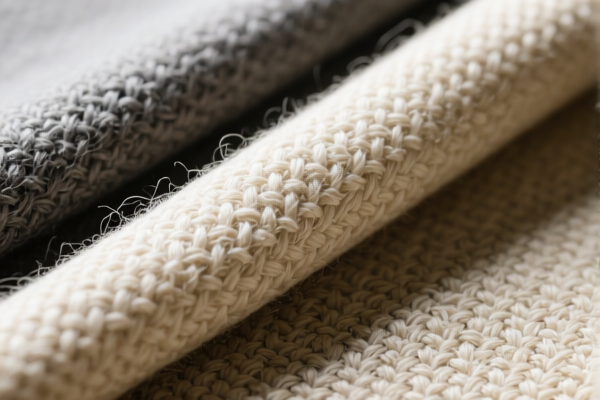
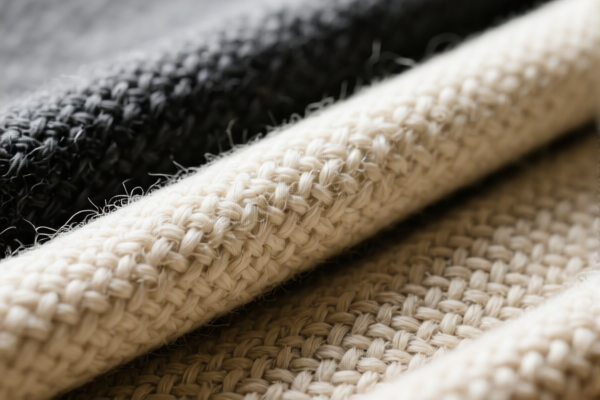
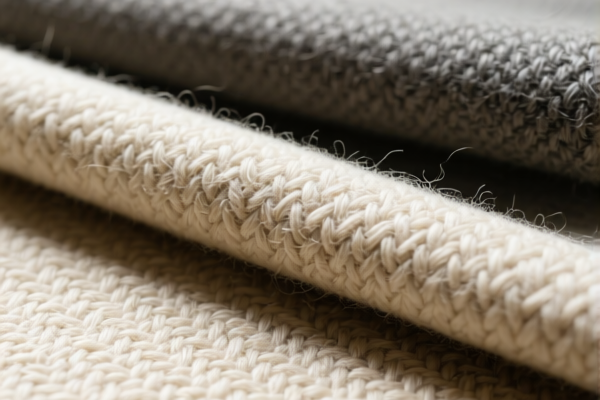
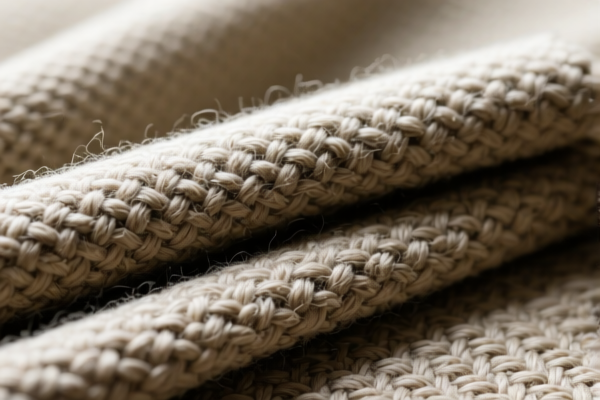
AI Analysis
🧶 Fine Animal Fiber (Average Fiber Diameter < 18.5µm, Lightweight)
🌐 HS Code Reference & Customs Clearance Guide | 2026 Latest Tariff Analysis | Professional Clearance Strategy
📌 I. Product Definition & Classification: Do You Truly Understand "Fine Animal Hair"?
Fine Animal Fiber (Average Fiber Diameter Below 18.5 Microns) is the gold standard in textile raw materials, typically referring to high-grade cashmere or alpaca wool. In international trade, the classification depends heavily on the physical state (Yarn vs. Fabric) and the specific diameter (<18.5µm).
The data provided identifies 6 potential HS Codes, categorized by product form: * Yarn Category: Raw fiber spun into threads. * Fabric/Finished Goods Category: Woven materials or finished scarves/shawls.
⚠️ Key Distinction Point:
- Yarn vs. Fabric: Is it spun thread (HS 5108/5112) or woven cloth/finished accessory (HS 6214)?
- Diameter Threshold: The 18.5-micron limit is critical. Items meeting this threshold often fall under specific subheadings with higher tariffs due to trade restrictions (Section 301/122).
- "Lightweight": This descriptor often aligns with scarf/shawl definitions (HS 6214) or lightweight fabrics, influencing the choice between yarn and fabric codes.
📦 II. HS Code Classification Details (Based on Provided Data)
| HS Code | Product Description | Applicable Scenario | Tax Rate | Key Characteristics |
|---|---|---|---|---|
5108.20.80.00 |
Other Yarn of Fine Animal Hair | Raw fine animal hair spun into yarn; generic "other" category | 39.0% | Base 4% + 35%附加税. Fits general fine hair yarn characteristics. |
5108.10.80.00 |
Yarn of Fine Animal Hair (Other) | Fine animal hair yarn (diameter <18.5µm); no conflicting form/use | 39.0% | Base 4% + 35%附加税. Specifically notes fiber diameter <18.5µm. |
5112.11.30.30 |
Woven Fabric of Fine Animal Hair | Woven fabric made of fine animal hair; diameter <18.5µm | 60.0% | Base 25% + 35%附加税. High tariff due to specific material/fabric combination. |
5112.11.30.60 |
Woven Fabric of Fine Animal Hair | Woven fabric explicitly matching all technical indicators (<18.5µm) | 60.0% | Base 25% + 35%附加税. Highest Tariff. Strict compliance with diameter specs. |
6214.20.00.00 |
Scarves, Shawls, etc. of Fine Animal Hair | Finished scarf/shawl made of fine animal hair fabric | 24.2% | Base 6.7% + 17.5%附加税. Best for finished lightweight scarves. |
6214.90.00.90 |
Other Woven Accessories (Scarves) | Woven fabric used for scarves/shawls, categorized under "other textile materials" | 28.8% | Base 11.3% + 17.5%附加税. Alternative for scarf-like fabric items. |
🔍 Critical Analysis:
- Yarn (HS 5108/5112): Higher base tariffs (4%-25%) plus significant additional duties.
- Finished Scarves (HS 6214): Lower total tariff (24.2% - 28.8%). If the product is a finished lightweight scarf, HS 6214.20.00.00 is the most cost-effective choice.
- Fabric (HS 5112): If sold as raw fabric, expect 60.0%. This is prohibitive for commercial profit margins unless the added value is extremely high.
💰 III. Detailed Tariff Breakdown for 2026
✅ Applicable Country: United States (US)
✅ Origin: China (CN)
✅ Effective Date: From November 10, 2025 onwards (including subsequent imports)
🎯 1. 5108.20.80.00 & 5108.10.80.00 —— Fine Animal Hair Yarn
| Item | Content |
|---|---|
| Base Tariff | 4.0% (Ad valorem) |
| Additional Tariffs (Section 301/122) | 35.0% (25% Section 301 + 10% Section 122) |
| Total Tariff Rate | 39.0% |
| Tax Calculation | CIF Value × 39% |
| De Minimis Exemption | ❌ Not Applicable |
| Legal Basis Path | USITC:5108.20.80.00 → Section 301: 25% → Section 122: 10% |
📌 Explanation:
- Both yarn codes carry the same total rate of 39%.
- The 35% additional duty is a heavy burden on raw material imports.
- Warning: Do not confuse "Yarn" with "Fabric" or "Finished Goods." Misclassification here leads to underpayment and penalties.
🎯 2. 5112.11.30.30 & 5112.11.30.60 —— Woven Fabric of Fine Animal Hair
| Item | Content |
|---|---|
| Base Tariff | 25.0% (Ad valorem) |
| Additional Tariffs (Section 301/122) | 35.0% (25% Section 301 + 10% Section 122) |
| Total Tariff Rate | 60.0% |
| Tax Calculation | CIF Value × 60% |
| De Minimis Exemption | ❌ Not Applicable |
| Legal Basis Path | USITC:5112.11.30.xx → Section 301: 25% → Section 122: 10% |
📌 Warning:
- This is the highest tariff bracket (60%).
- It applies to woven fabric where the fiber diameter is explicitly <18.5µm.
- Strategy: Avoid importing raw fabric under this code if a finished product code (like Scarf) is applicable, as the tax difference is 35.8%!
🎯 3. 6214.20.00.00 —— Scarves/Shawls of Fine Animal Hair (RECOMMENDED)
| Item | Content |
|---|---|
| Base Tariff | 6.7% (Ad valorem) |
| Additional Tariffs (Section 301/122) | 17.5% (7.5% Section 301 + 10% Section 122) |
| Total Tariff Rate | 24.2% |
| Tax Calculation | CIF Value × 24.2% |
| De Minimis Exemption | ❌ Not Applicable |
| Legal Basis Path | USITC:6214.20.00.00 → Section 301: 7.5% → Section 122: 10% |
📌 Advantage:
- Lowest Total Tax (24.2%) among all options.
- Applies to finished lightweight scarves/shawls.
- If your "Lightweight Type" product is a scarf, this is the optimal HS Code.
🎯 4. 6214.90.00.90 —— Other Woven Scarves/Accessories
| Item | Content |
|---|---|
| Base Tariff | 11.3% (Ad valorem) |
| Additional Tariffs (Section 301/122) | 17.5% (7.5% Section 301 + 10% Section 122) |
| Total Tariff Rate | 28.8% |
| Tax Calculation | CIF Value × 28.8% |
| De Minimis Exemption | ❌ Not Applicable |
| Legal Basis Path | USITC:6214.90.00.90 → Section 301: 7.5% → Section 122: 10% |
📌 Note:
- Slightly higher than6214.20.00.00(28.8% vs 24.2%).
- Use only if the product does not strictly meet the "Fine Animal Hair" definition for6214.20but is still a scarf-like woven accessory.
🛠️ IV. Customs Clearance Practical Advice (Real-World Pitfall Avoidance)
✅ 1. Required Documentation Checklist (Non-Negotiable)
| Document | Must Provide | Explanation |
|---|---|---|
| ✅ Product Specification Sheet | ✔️ | Must include fiber diameter (≤18.5µm), fiber type (Cashmere/Alpaca), weight, dimensions. |
| ✅ Material Composition Test Report | ✔️ | Third-party lab report proving <18.5 micron diameter. Critical for HS 5108/5112. |
| ✅ Product Photos | ✔️ | Clear images showing texture, labels, and finished form (yarn spool vs. scarf). |
| ✅ Commercial Invoice | ✔️ | Must accurately describe product as "Lightweight Fine Animal Hair Scarf" or "Yarn" to match HS code. |
| ✅ Packing List | ✔️ | Detail weight, quantity, and packaging to prove "lightweight" nature if applicable. |
| ✅ Certificate of Origin | ✔️ | Required for origin verification (China). |
✅ 2. Declaration Tips (Key Mantra)
🔥 "Form Determines Code, Diameter Determines Tariff, Scarf Saves Money!"
| Scenario | Correct Declaration | Wrong Practice |
|---|---|---|
| Finished Lightweight Scarf | 6214.20.00.00 (24.2%) |
Misdeclare as Yarn (5108) → 39% penalty |
| Yarn (Spool/Bundle) | 5108.20.80.00 (39.0%) |
Misdeclare as Scarf → Customs rejection/audit |
| Raw Fabric (Woven) | 5112.11.30.60 (60.0%) |
Ignore diameter spec → Higher tax bracket triggered |
| Accessory (Non-Scarf) | 6214.90.00.90 (28.8%) |
Force "Scarf" classification → False declaration |
✅ 3. Special Case Handling
| Scenario | Handling Advice |
|---|---|
| Product is "Lightweight" | If it’s a scarf, use 6214.20.00.00. The "lightweight" feature supports the scarf classification. |
| Fiber Diameter is Exactly 18.5µm | Must provide lab proof that it is ≤18.5µm. If >18.5µm, it may fall under different, potentially cheaper, categories (but data here assumes <18.5). |
| Mixed Materials | If blended with silk or synthetic fibers, HS code changes entirely. This data is for 100% Fine Animal Hair. |
| OEM/Private Label | Provide branding info on invoice. Does not change HS code, but aids in customs review. |
🌍 V. Global Market Comparison (2026 Latest)
| Country/Region | Recommended HS Code | Tariff Rate | Certification | Note |
|---|---|---|---|---|
| 🇺🇸 USA | 6214.20.00.00 |
24.2% | None specific | Lowest tax for scarves. Avoid fabric (60%). |
| 🇨🇳 China | 6214.20.00.00 |
~5-10% | N/A | Lower taxes domestically. |
| 🇪🇺 EU | 6214.20.00.00 |
~0-4% | CE/RoHS (if applicable) | Generally low tariffs for wool scarves. |
| 🇬🇧 UK | 6214.20.00.00 |
~0-4% | UKCA | Post-Brexit rules apply, but wool scarves remain low tax. |
📌 Conclusion:
- USA is the most critical market due to Section 301/122 additional tariffs.
- Switching from Fabric to Finished Scarf can save ~35.8% in taxes.
- Yarn imports are heavily taxed (39%) and should be optimized for domestic processing or high-value niche markets.
📌 VI. Common Mistakes & Pitfalls (Lessons Learned)
❌ Mistake 1: Importing Raw Fabric under 6214 (Scarf code)
👉 Consequence: Customs detects it’s not a finished good → Delay, Seizure, or Re-export.
❌ Mistake 2: Ignoring the 18.5µm Diameter requirement for 5112 codes
👉 Consequence: If diameter >18.5µm, you might qualify for a lower tariff, but if declared incorrectly, it leads to fraud allegations. If <18.5µm, you face the 60% tax.
❌ Mistake 3: Declaring a Scarf as Yarn to avoid "Fabric" duties
👉 Consequence: 39% vs 24.2%. While cheaper than fabric, it’s still 14.8% more than the correct scarf code. Plus, mismatched description triggers audits.
✅ Correct Approach:
"Lightweight Scarf, 100% Fine Animal Hair, Fiber Diameter 17µm, Model XYZ, Gift Box Packaging"
🎯 VII. Conclusion: Professional Declaration, Cost Efficiency!
🎯 Remember the Mantra:
🔹 "Scarf is King (24.2%), Yarn is Middle (39%), Fabric is Costly (60%)."
🔹 "Under 18.5 Microns? Check the Tax. Over 18.5? Check the Code."
🔹 "HS Code Determines Survival, Tax Rate Determines Profit."
📌 Pro Tip:
If your product is a finished scarf, always use 6214.20.00.00. It offers the lowest total tariff (24.2%) and is the most compliant for "Lightweight" fine animal hair items.
For yarn, be prepared for 39%. For fabric, prepare for 60%.
📣 Immediate Action:
📞 Consult a licensed customs broker.
📄 Provide Lab Reports confirming fiber diameter.
🚀 Choose the correct HS code to save up to 35% in taxes.
✨ Professional Customs Clearance Starts with Accurate Classification!
💼 Your Every Dollar of Profit Deserves to Be Precisely Calculated!
Customer Reviews
About HS Code Classification
The Harmonized System (HS) is an internationally standardized nomenclature developed by the World Customs Organization (WCO) to classify traded products. Over 200 countries use the HS system as the basis for customs tariffs, trade statistics, and import/export regulations.
Each HS code follows a hierarchical structure:
- Chapter (2 digits) — Broad category of goods (e.g., Chapter 84: Machinery and Mechanical Appliances)
- Heading (4 digits) — More specific grouping within the chapter
- Subheading (6 digits) — Internationally standardized breakdown, used by all WCO member countries
- National subdivisions (8-10 digits) — Country-specific extensions for further classification, such as US HTSUS 10-digit codes
Correct HS code classification is essential for smooth customs clearance, accurate duty payment, and compliance with trade regulations. Misclassification can lead to customs delays, overpayment of duties, or penalties.
When importing from CN to US, the applicable tariff rates may include:
- Most-Favored-Nation (MFN) rate — The standard duty rate applied to WTO members
- General rate — Applied to countries without trade agreements
- Trade remedy duties — Additional tariffs such as Section 301 (anti-dumping), Section 232 (national security), or countervailing duties
The information provided on this page is for reference purposes only. For official classification, please consult with your local customs authority or a licensed customs broker.