Fine Animal Fiber Blended Fabric Uncombed
CN → US| HS Code | Tariff Rate | Origin | Destination | Doc |
|---|---|---|---|---|
| 5111196020 | 60.0% | CN | US | Official Doc |
| 5112116030 | 60.0% | CN | US | Official Doc |
| 5112199510 | 60.0% | CN | US | Official Doc |
| 5111117030 | 60.0% | CN | US | Official Doc |
| 5112196030 | 60.0% | CN | US | Official Doc |
Product Images
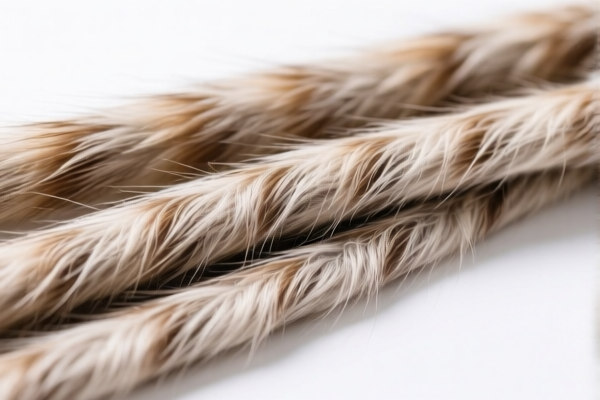
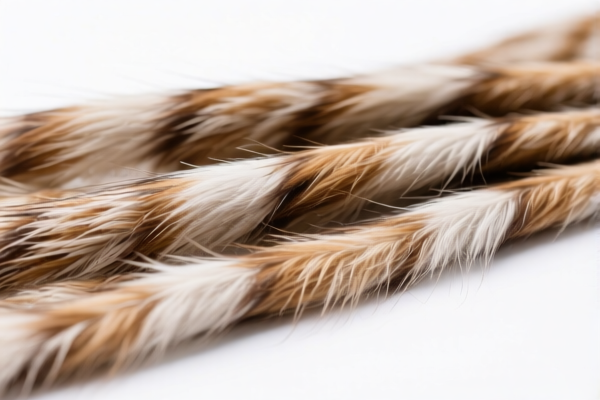
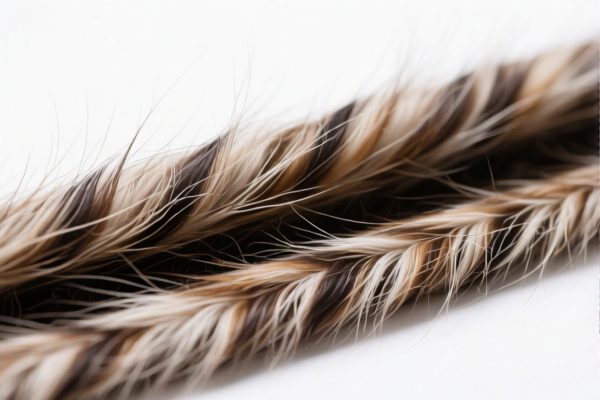
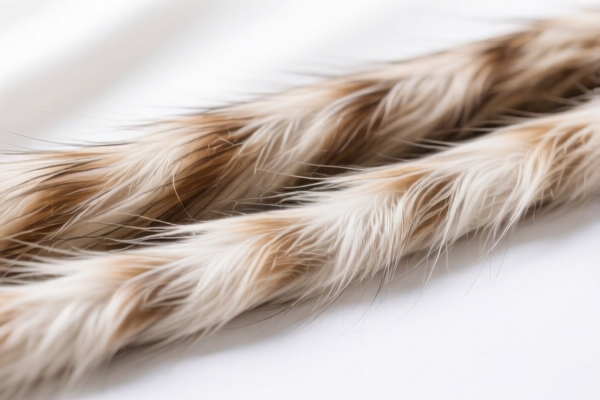
AI Analysis
🧶 Fine Animal Fiber Blended Fabric (Uncombed)
🌐 HS Code Reference & Customs Clearance Guide | 2026 Latest Tariff Analysis | Professional-Level Clearance Strategy
📌 1. Product Definition & Classification: Do You Really Understand "Fine Animal Fiber Blended Fabric"?
Fine animal fiber blended fabric, typically made from wool, cashmere, or mohair blended with other fibers (such as polyester, nylon, or cotton), is widely used in high-end apparel, suits, and winter garments. In international trade, it is classified based on:
Key Classification Criteria: - Fiber Type: Fine animal fiber (e.g., cashmere, merino wool) - Processing: Combed vs. uncombed (uncombed retains longer, less refined fibers) - Weave Type: Woven fabric (plain, twill, satin, etc.) - Weight: >400 g/m² (heavy fabric) or <400 g/m² (light fabric) - Blend Ratio: Percentage of animal fiber in the blend
⚠️ Critical Distinction:
- If the fabric contains more than 50% fine animal fiber by weight → HS Code 5111 or 5112
- If ≤50% fine animal fiber → May fall under other sections (e.g., 5208–5515)
- Uncombed fibers are often classified under 5111 (worsted vs. carded wool)
📦 2. HS Code Classification Matrix (2026 Latest Tariff Authority)
| HS Code | Product Description | Key Characteristics | Tariff Rate |
|---|---|---|---|
| 5111.19.60.20 | Fine animal fiber woven fabric, uncombed, >400 g/m² | Heavy, carded wool/cashmere blend, uncombed | 60.0% |
| 5112.11.60.30 | Fine animal fiber woven fabric, uncombed, ≤400 g/m² | Light, carded wool/cashmere blend, uncombed | 60.0% |
| 5112.19.95.10 | Fine animal fiber woven fabric, uncombed, unspecified weight | Versatile weight, carded wool/cashmere blend | 60.0% |
| 5111.11.70.30 | Fine animal fiber woven fabric, uncombed, high animal fiber content | High percentage of fine animal fiber, uncombed | 60.0% |
| 5112.19.60.30 | Fine animal fiber blended fabric, uncombed, >400 g/m² | Heavy, carded wool/cashmere blend, uncombed | 60.0% |
🔍 Key Notes:
- All HS Codes above include 60% total tax (US import duties for China-origin goods)
- The 60% rate comprises:
- Basic Tariff: 25%
- Additional Tariff: 25% (Section 301)
- 122 Clause Tariff: 10% (IEEPA)
- Uncombed fibers are classified under carded wool categories (5111/5112)
- Weight matters: >400 g/m² vs. ≤400 g/m² affects subheading selection
💰 3. 2026 Latest Tariff Breakdown (Including Additional Duties & Policy Surcharges)
✅ Applicable Country: United States (US)
✅ Country of Origin: China (CN)
✅ Effective Date: November 10, 2025 (and subsequent imports)
🎯 1. 5111.19.60.20 — Fine Animal Fiber Woven Fabric, Uncombed, >400 g/m²
| Item | Content |
|---|---|
| Basic Tariff | 25% |
| Section 301 Additional Tariff | +25% |
| 122 Clause Tariff (IEEPA) | +10% |
| Total Tariff | 60% |
| Tax Calculation | CIF Value × 60% |
| De Minimis Eligible | ❌ No (deny_de_minimis) |
| Legal Basis Path | IEEPA:9903.01.25 → IEEPA:9903.01.24 → USITC:5111.19.60.20 → FOOTNOTE:9903.88.01 |
📌 Explanation:
- The 60% tariff is cumulative: 25% (basic) + 25% (Section 301) + 10% (IEEPA)
- Uncombed fibers are classified under carded wool, which carries higher duties than combed
- Heavy fabric (>400 g/m²) is specifically targeted under this subheading
🎯 2. 5112.11.60.30 — Fine Animal Fiber Woven Fabric, Uncombed, ≤400 g/m²
| Item | Content |
|---|---|
| Basic Tariff | 25% |
| Section 301 Additional Tariff | +25% |
| 122 Clause Tariff (IEEPA) | +10% |
| Total Tariff | 60% |
| Tax Calculation | CIF Value × 60% |
| De Minimis Eligible | ❌ No |
| Legal Basis Path | IEEPA:9903.01.25 → IEEPA:9903.01.24 → USITC:5112.11.60.30 → FOOTNOTE:9903.88.01 |
📌 Note:
- Same 60% rate as heavy fabric
- Light fabric (≤400 g/m²) is also subject to full tariffs
- Classification depends on weight and fiber composition
🎯 3. 5112.19.95.10 — Fine Animal Fiber Woven Fabric, Uncombed, Unspecified Weight
| Item | Content |
|---|---|
| Basic Tariff | 25% |
| Section 301 Additional Tariff | +25% |
| 122 Clause Tariff (IEEPA) | +10% |
| Total Tariff | 60% |
| Tax Calculation | CIF Value × 60% |
| De Minimis Eligible | ❌ No |
| Legal Basis Path | IEEPA:9903.01.25 → IEEPA:9903.01.24 → USITC:5112.19.95.10 → FOOTNOTE:9903.88.01 |
📌 Note:
- Versatile weight category
- Still subject to 60% tariff
- Ensure fiber composition is clearly stated to avoid misclassification
🎯 4. 5111.11.70.30 — Fine Animal Fiber Woven Fabric, Uncombed, High Animal Fiber Content
| Item | Content |
|---|---|
| Basic Tariff | 25% |
| Section 301 Additional Tariff | +25% |
| 122 Clause Tariff (IEEPA) | +10% |
| Total Tariff | 60% |
| Tax Calculation | CIF Value × 60% |
| De Minimis Eligible | ❌ No |
| Legal Basis Path | IEEPA:9903.01.25 → IEEPA:9903.01.24 → USITC:5111.11.70.30 → FOOTNOTE:9903.88.01 |
📌 Note:
- High animal fiber content triggers this subheading
- Still 60% total tariff
- Uncombed fibers remain key classification factor
🎯 5. 5112.19.60.30 — Fine Animal Fiber Blended Fabric, Uncombed, >400 g/m²
| Item | Content |
|---|---|
| Basic Tariff | 25% |
| Section 301 Additional Tariff | +25% |
| 122 Clause Tariff (IEEPA) | +10% |
| Total Tariff | 60% |
| Tax Calculation | CIF Value × 60% |
| De Minimis Eligible | ❌ No |
| Legal Basis Path | IEEPA:9903.01.25 → IEEPA:9903.01.24 → USITC:5112.19.60.30 → FOOTNOTE:9903.88.01 |
📌 Note:
- Heavy blended fabric (>400 g/m²)
- 60% total tariff
- Blend ratio must be declared accurately
🛠️ 4. Customs Clearance Practical Advice (Real-World Pitfall Avoidance Guide)
✅ 1. Document Checklist (Missing Any = Delay)
| Document | Required | Description |
|---|---|---|
| ✅ Product Specification Sheet | ✔️ | Fiber content, weight, weave type, uncombed vs. combed |
| ✅ Fiber Composition Certificate | ✔️ | Laboratory test results from accredited lab |
| ✅ Product Photos (Label & Texture) | ✔️ | Clear images of fabric weave, label, and texture |
| ✅ Commercial Invoice | ✔️ | Clearly state “Fine Animal Fiber Woven Fabric, Uncombed” |
| ✅ Packing List | ✔️ | Weight, dimensions, bundle count |
| ✅ Country of Origin Certificate | ✔️ | If not China, may qualify for preferential rates |
| ✅ Third-Party Lab Report | ✔️ | OEKO-TEX, REACH, or equivalent certifications |
✅ 2. Declaration Tips (Key Mantra)
🔥 “Uncombed Carded, Weight Matters, Blend Ratio Clear, Tariff Avoids Disaster!”
| Scenario | Correct Declaration | Wrong Practice |
|---|---|---|
| Uncombed, >400 g/m² | 5111.19.60.20 or 5112.19.60.30 |
Misdeclare as combed → Higher penalty |
| Uncombed, ≤400 g/m² | 5112.11.60.30 |
Misdeclare as combed → 60% still applies |
| Blended fabric | Clearly state fiber % | Vague description → Audit risk |
| Heavy fabric | Specify weight >400 g/m² | Omit weight → Classification error |
✅ 3. Special Cases Handling
| Scenario | Handling Advice |
|---|---|
| OEM Custom Fabric | Provide design specs + fiber test results |
| Multi-Blended Fabric | Declare highest fiber percentage first |
| Sample Shipments | Same HS Code applies, no de minimis exemption |
| Mixed Shipments | Declare each HS Code separately |
🌍 5. Global Market Comparison (2026 Latest)
| Country/Region | Recommended HS Code | Tariff | Certification | Notes |
|---|---|---|---|---|
| 🇺🇸 USA | 5111.19.60.20 |
60% | OEKO-TEX, REACH | Highest tariff |
| 🇨🇳 China | 5111.19.60.20 |
25% | CNCA, RoHS | No additional duties |
| 🇪🇺 EU | 5111.19.60.20 |
12% | OEKO-TEX, REACH | Moderate tariff |
| 🇬🇧 UK | 5111.19.60.20 |
12% | UKCA, REACH | Post-Brexit rates |
| 🇯🇵 Japan | 5111.19.60.20 |
10% | JIS, REACH | Low tariff |
| 🇦🇺 Australia | 5111.19.60.20 |
5% | RCM | Low tariff |
📌 Conclusion:
- USA is the only market with 60% tariff
- China-origin goods face highest costs
- Consider alternative sourcing (e.g., India, Italy) for US market
📌 6. Common Errors & Pitfall Avoidance (Blood & Tears Lessons)
❌ Error 1: Declaring “uncombed” as “combed”
👉 Consequence: Misclassification → Audit & Penalties
❌ Error 2: Omitting fiber composition
👉 Consequence: 60% tariff may not apply → Overpayment or Underpayment
❌ Error 3: Not specifying weight
👉 Consequence: Wrong subheading → 60% vs. lower rate
❌ Error 4: Using vague terms like “wool fabric”
👉 Consequence: Customs rejection → Delay & Storage Fees
✅ Correct Approach:
“Fine Animal Fiber Woven Fabric, Uncombed, Carded Wool/Cashmere Blend, 70% Wool, 30% Polyester, 500 g/m², Plain Weave, OEKO-TEX Certified”
🎯 7. Conclusion: Precision Classification, Cost Efficiency, Risk Mitigation
🎯 Remember the Mantra:
🔹 “Uncombed Carded, Weight Matters, Blend Clear, Tariff 60%.”
🔹 “HS Code Determines Cost, 60% Is Steep, Declare Right, Avoid Repetition.”
📌 Pro Tip:
If your fabric is originating from Vietnam, India, Italy, or Turkey, you may qualify for lower tariffs under USMCA or GSP programs.
Consider Advance Ruling for complex blends.
📣 Immediate Action:
📞 Contact a licensed customs broker + Provide fiber test results + Apply for HS Code Advance Ruling
🚀 Ensure your fine animal fiber fabric clears smoothly, reduces costs, and boosts profit margins!
✨ Professional Customs Clearance Starts with Accurate Classification!
💼 Every Dollar Saved Is a Dollar Earned!
Customer Reviews
About HS Code Classification
The Harmonized System (HS) is an internationally standardized nomenclature developed by the World Customs Organization (WCO) to classify traded products. Over 200 countries use the HS system as the basis for customs tariffs, trade statistics, and import/export regulations.
Each HS code follows a hierarchical structure:
- Chapter (2 digits) — Broad category of goods (e.g., Chapter 84: Machinery and Mechanical Appliances)
- Heading (4 digits) — More specific grouping within the chapter
- Subheading (6 digits) — Internationally standardized breakdown, used by all WCO member countries
- National subdivisions (8-10 digits) — Country-specific extensions for further classification, such as US HTSUS 10-digit codes
Correct HS code classification is essential for smooth customs clearance, accurate duty payment, and compliance with trade regulations. Misclassification can lead to customs delays, overpayment of duties, or penalties.
When importing from CN to US, the applicable tariff rates may include:
- Most-Favored-Nation (MFN) rate — The standard duty rate applied to WTO members
- General rate — Applied to countries without trade agreements
- Trade remedy duties — Additional tariffs such as Section 301 (anti-dumping), Section 232 (national security), or countervailing duties
The information provided on this page is for reference purposes only. For official classification, please consult with your local customs authority or a licensed customs broker.