Fine Animal Fiber Blended Yarn (Industrial Use)
CN → US| HS Code | Tariff Rate | Origin | Destination | Doc |
|---|---|---|---|---|
| 5102199000 | 0.0% | CN | US | Official Doc |
| 5102119000 | 0.0% | CN | US | Official Doc |
| 5105390000 | 0.0% | CN | US | Official Doc |
| 5111909000 | 60.0% | CN | US | Official Doc |
| 5111196020 | 60.0% | CN | US | Official Doc |
Product Images
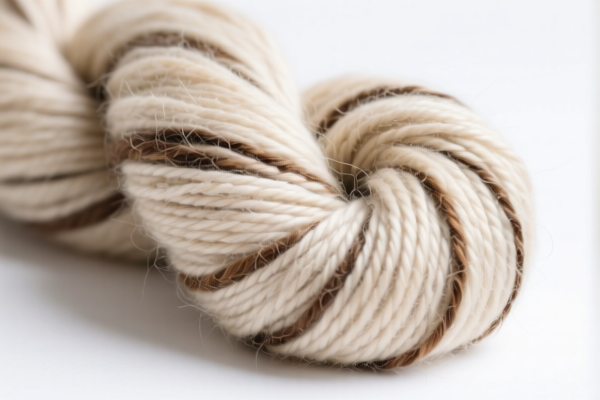
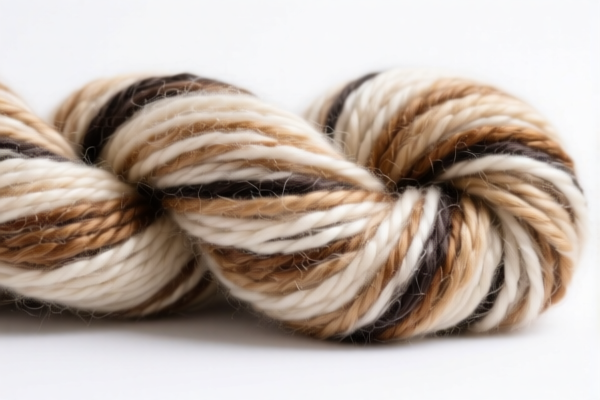
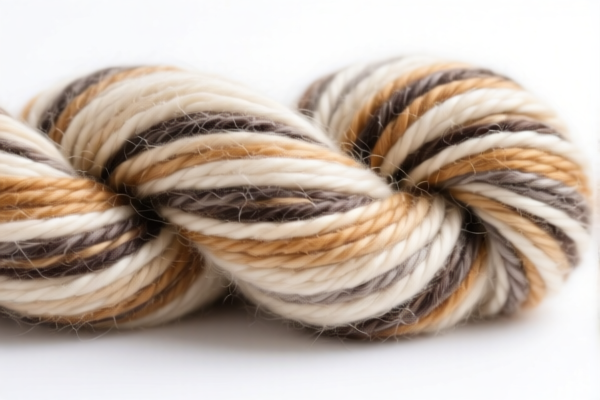
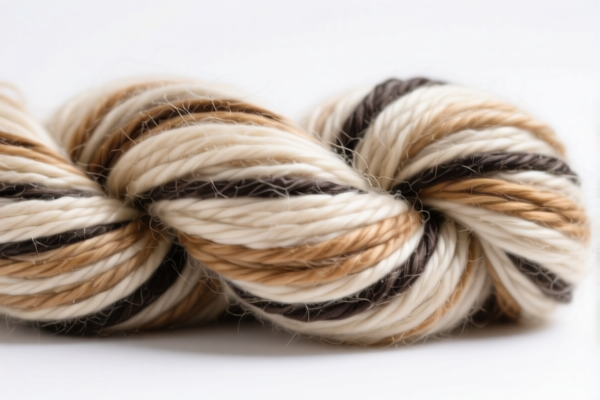
AI Analysis
🧶 Fine Animal Fiber Blended Yarn (Industrial Use)
🌐 HS Code Reference & Customs Clearance Guide | 2026 Latest Tariff Analysis | Professional Entry Strategy
📌 I. Product Definition & Classification: What Exactly is "Fine Animal Fiber"?
Fine Animal Fibers typically refer to fibers like Merino wool, Cashmere, Alpaca, Vicuña, or Mohair, characterized by a diameter generally less than 30 microns. When these fibers are blended (mixed with other fibers) and processed into yarn (not yet woven into fabric), they fall under specific textile chapters governed by the Harmonized System (HS).
In international trade, the classification depends heavily on: 1. Fiber Type: Is it exclusively "fine" animal fiber, or a blend? 2. Processing State: Is it raw (uncombed), combed, or spun into yarn? 3. End Use: While "Industrial Use" describes the application, the physical state dictates the HS Code.
⚠️ Key Distinction:
- Raw/Unprocessed Fibers: If the fibers are merely cleaned but not spun into yarn, they may fall under Chapter 51 (Chapter 51 covers Wool, Animal Hair, etc.).
- Spun Yarn vs. Fabric: If the fibers are spun into yarn, they are still in Chapter 51. If they are woven into cloth, they move to Chapter 50-60 depending on the material. The provided data focuses on fibers and woven fabrics made from these fibers, specifically highlighting the high tariff burden on Chinese-origin goods entering the US.
📦 II. HS Code Classification Details (Based on Provided Data)
The provided data (<DATA>) contains five specific HS Codes related to fine animal fibers. Note that the tax details indicate a US Market context (given the "Section 301" and "122 Clause" references).
| HS Code | Summary Description | Key Characteristics |
|---|---|---|
5102.19.90.00 |
Blended Fine Animal Fiber, Uncarded | - Category: Fine animal fiber - State: Not combed/uncarded - Status: Blend |
5102.11.90.00 |
Blended Fine Animal Fiber, Non-combed Woven | - Category: Fine animal fiber - State: Non-combed - Status: Other sub-category within blends |
5105.39.00.00 |
Fine Animal Fiber Yarn, Non-combed | - Category: Fine animal fiber - State: Yarn/Fabric form, non-combed - Status: Other specific item |
5111.90.90.00 |
Animal Fiber Woven Fabric, Uncarded | - Category: Woven fabric containing animal fiber - State: Not combed/uncarded - Status: Other classification |
5111.19.60.20 |
Fine Animal Fiber Woven Fabric | - Category: Woven fabric of fine animal fiber - State: Consistent material/form - Status: Specific fine fiber fabric |
🔍 Critical Note:
- The term "Yarn" in the user query ("Blended Yarn") aligns most closely with5105.39.00.00(Yarn/Fabric form) or potentially the fiber inputs5102series if referring to the raw material stage before spinning. - However,5111codes refer to Woven Fabrics. If your "Industrial Use" product is a fabric made from these fibers, you must use the5111codes. - Do not mix raw fiber codes (5102) with fabric codes (5111).
💰 III. 2026 Latest Tariff Rate Breakdown (Including Surcharges)
✅ Applicable Market: USA (US)
✅ Origin: China (CN) (Implied by the "122 Clause" and "301 Section" references common in US-China trade data)
✅ Effective Date: Ongoing (Post-2018 Trade War Policies)
🎯 1. 5102.19.90.00 & 5102.11.90.00 — Fine Animal Fiber Blends (Uncarded/Non-combed)
| Item | Content |
|---|---|
| Base Tariff | 4.9¢/kg + 4% (Ad Valorem + Specific) |
| Section 301 Surcharge | +25% (US Trade Act Section 301) |
| Section 122 Surcharge | +10% (Specific legislative clause, likely referring to recent additions) |
| Total Effective Rate | ~35% + 4.9¢/kg + 4% |
| Tax Calculation | (CIF Value × 4%) + (Weight × 4.9¢) + (CIF Value × 25%) + (CIF Value × 10%) |
| De Minimis Exemption | ❌ Not Applicable (Deny De Minimis) |
| Legal Basis | HTSUS 5102 → Section 301 Footnote → Section 122 Add-on |
📌 Explanation:
- These codes cover the raw fiber stage. Even though it's "industrial use," if it's uncombed blended fiber, it faces a complex tariff structure. - The 4.9¢/kg is a specific duty based on weight, while the percentages are ad valorem. - Total Burden: High. The combination of base duty + 301 (25%) + 122 (10%) creates a significant cost increase.
🎯 2. 5105.39.00.00 — Fine Animal Fiber Yarn (Non-combed)
| Item | Content |
|---|---|
| Base Tariff | 6.8¢/kg + 5.5% |
| Section 301 Surcharge | +25% |
| Section 122 Surcharge | +10% |
| Total Effective Rate | ~35% + 6.8¢/kg + 5.5% |
| Tax Calculation | (CIF Value × 5.5%) + (Weight × 6.8¢) + (CIF Value × 35%) |
| De Minimis Exemption | ❌ Not Applicable |
| Legal Basis | HTSUS 5105 → Section 301 → Section 122 |
📌 Note:
- This is the most likely candidate for "Fine Animal Fiber Blended Yarn". - The specific duty (6.8¢/kg) is higher than the raw fiber, reflecting the added processing value. - Total Rate: Similar percentage burden (35%), but higher specific duty per kg.
🎯 3. 5111.90.90.00 & 5111.19.60.20 — Woven Fabrics
| Item | Content |
|---|---|
| Base Tariff | 25% |
| Section 301 Surcharge | +25% |
| Section 122 Surcharge | +10% |
| Total Effective Rate | 60.0% |
| Tax Calculation | CIF Value × 60% |
| De Minimis Exemption | ❌ Not Applicable |
| Legal Basis | HTSUS 5111 → Section 301 → Section 122 |
📌 Warning:
- If your product is a woven fabric (e.g., industrial fabric made from fine animal fiber), the tariff jumps to a flat 60%. - This is a prohibitive tariff level. - Do not misdeclare woven fabric as "yarn" or "fiber" to avoid this; Customs will verify via physical inspection.
🛠️ IV. Customs Clearance Practical Advice (Real-World Pitfall Guide)
✅ 1. Documentation Checklist (Must-Have)
| Document | Required | Purpose |
|---|---|---|
| ✅ Product Specification Sheet | ✔️ | Must detail: Fiber content % (e.g., 70% Alpaca, 30% Wool), diameter (microns), twist level, yarn count. |
| ✅ Processing Description | ✔️ | Clearly state: "Spun from fine animal fibers, non-combed" or "Woven from..." to distinguish between 5102/5105 vs 5111. |
| ✅ Commercial Invoice | ✔️ | Must explicitly list HS Code, Unit Price, Total Value, and Country of Origin (China). |
| ✅ Bill of Lading/Air Waybill | ✔️ | Consistent with invoice. |
| ✅ Certificate of Origin (CO) | ✔️ | If applicable for any preferential treatment (rare for US-China under current tariffs). |
| ✅ Photos of Product | ✔️ | Show the texture (yarn vs. fabric) to support HS classification. |
✅ 2. Classification Strategy (Key Tips)
🔥 "Check the Form: Yarn vs. Fabric determines the Tariff!"
| Scenario | Correct HS Code | Tariff Rate | Why? |
|---|---|---|---|
| Raw Fibers (Not spun) | 5102.19.90.00 |
~35% + 4.9¢/kg | Uncombed, blended fibers. |
| Spun Yarn (Twisted into thread) | 5105.39.00.00 |
~35% + 6.8¢/kg | Processed into yarn form. |
| Woven Fabric (Cloth) | 5111.19.60.20 |
60% | Finished fabric, highest tariff. |
| Industrial Use | Does not change HS | Same Rate | "Industrial use" is not an HS classification criterion; physical state is. |
📌 Critical Advice:
- If your product is yarn, use5105.39.00.00.
- If your product is fabric, you are stuck with 60%.
- Do not attempt to classify woven fabric as yarn to save tax. This is customs fraud and will result in severe penalties, seizure, or denial of entry.
✅ 3. Special Considerations for "Industrial Use"
| Situation | Handling Advice |
|---|---|
| Filter Media (Yarn/Fabric) | If used for filtration, ensure the HS Code reflects the material (fine animal fiber), not the function. Function does not override material classification here. |
| Composite Materials | If the yarn is blended with synthetic fibers, ensure the "Fine Animal Fiber" content is accurately declared. If <50%, classification may change. |
| Samples | Even for samples, if the value exceeds $800, De Minimis does not apply due to Section 301/122 clauses for China. |
🌍 V. Global Market Comparison (2026)
| Market | Recommended HS Code | Tariff Burden | Notes |
|---|---|---|---|
| 🇺🇸 USA | 5105.39.00.00 (Yarn) / 5111.19.60.20 (Fabric) |
High (35% or 60%) | Section 301 + 122 surcharges apply. No de minimis for China. |
| 🇨🇳 China | 5105.39.00.00 |
Low (~5-10%) | No punitive surcharges. Import duties may be lower. |
| 🇪🇺 EU | 5105.39.00 |
Medium (~10-15%) | No Section 301/122 equivalents, but standard MFN rates apply. |
| 🇬🇧 UK | 5105.39.00 |
Medium (~10-15%) | Post-Brexit tariffs may vary slightly from EU. |
📌 Conclusion:
- The US market is the most challenging due to additive punitive tariffs (301 + 122).
- For "Fine Animal Fiber Blended Yarn," expect a ~35% effective rate plus specific duties.
- For Fabrics, the 60% rate is a major barrier. Consider sourcing non-Chinese origin if targeting the US market with fabrics.
📌 VI. Common Mistakes & Pitfalls (Lessons Learned)
❌ Mistake 1: Classifying Woven Fabric as Yarn (5111 as 5105)
👉 Consequence: Customs will reclassify, charge the 60% rate retroactively, plus fines and interest.
❌ Mistake 2: Ignoring the Specific Duty (¢/kg)
👉 Consequence: Underpaying duties because only ad valorem (%) is calculated. For heavy shipments, 4.9¢/kg or 6.8¢/kg adds up significantly.
❌ Mistake 3: Assuming "Industrial Use" qualifies for a lower tariff
👉 Consequence: No special tariff rate exists for "industrial" textiles in Chapter 51. Classification is based on material and form.
❌ Mistake 4: Using De Minimis ($800 exemption) for China-origin goods
👉 Consequence: Invalid. Section 301/122 goods from China are explicitly excluded from de minimis treatment in the US.
✅ Correct Approach:
"Fine Animal Fiber Blended Yarn, Non-combed, Spun, 70% Alpaca/30% Wool, Industrial Grade, HTS: 5105.39.00.00"
🎯 VII. Conclusion: Professional Classification, Cost Efficiency!
🎯 Key Takeaways:
🔹 "Yarn vs. Fabric is Key": Yarn = ~35%, Fabric = 60%.
🔹 "China Origin = High Tariff": Expect 301 (25%) + 122 (10%) surcharges.
🔹 "No De Minimis for China": Even small shipments pay full duty.🔹 "Declare Accurately": Misclassification leads to audits, penalties, and delays.
📌 Pro Tip:
If you are importing fine animal fiber blends into the US:
1. Confirm the physical state: Is it raw fiber, spun yarn, or woven fabric?
2. Choose the correct HS Code: 5102 (Fiber), 5105 (Yarn), or 5111 (Fabric).
3. Budget for Tariffs: Include ~35% (for yarn) or 60% (for fabric) in your cost analysis.
4. Consider Alternatives: If tariffs are prohibitive, explore sourcing from Vietnam, India, or Peru (if eligible for lower duties or different HTS classifications) to mitigate Section 301/122 risks.
📣 Immediate Action:
📞 Consult a licensed US customs broker to verify the exact fiber composition and form of your product.
📝 Request an Advance Ruling from CBP if the product is complex or high-value.
🚀 Clearance starts with accurate classification!
✨ Professional Customs Clearance, Starting with Precise HS Codes!
💼 Every cent of duty matters in the fine animal fiber trade!
Customer Reviews
About HS Code Classification
The Harmonized System (HS) is an internationally standardized nomenclature developed by the World Customs Organization (WCO) to classify traded products. Over 200 countries use the HS system as the basis for customs tariffs, trade statistics, and import/export regulations.
Each HS code follows a hierarchical structure:
- Chapter (2 digits) — Broad category of goods (e.g., Chapter 84: Machinery and Mechanical Appliances)
- Heading (4 digits) — More specific grouping within the chapter
- Subheading (6 digits) — Internationally standardized breakdown, used by all WCO member countries
- National subdivisions (8-10 digits) — Country-specific extensions for further classification, such as US HTSUS 10-digit codes
Correct HS code classification is essential for smooth customs clearance, accurate duty payment, and compliance with trade regulations. Misclassification can lead to customs delays, overpayment of duties, or penalties.
When importing from CN to US, the applicable tariff rates may include:
- Most-Favored-Nation (MFN) rate — The standard duty rate applied to WTO members
- General rate — Applied to countries without trade agreements
- Trade remedy duties — Additional tariffs such as Section 301 (anti-dumping), Section 232 (national security), or countervailing duties
The information provided on this page is for reference purposes only. For official classification, please consult with your local customs authority or a licensed customs broker.