Fine Animal Fur Lining
CN → US| HS Code | Tariff Rate | Origin | Destination | Doc |
|---|---|---|---|---|
| 4303100060 | 39.0% | CN | US | Official Doc |
| 4303900000 | 35.0% | CN | US | Official Doc |
Product Images
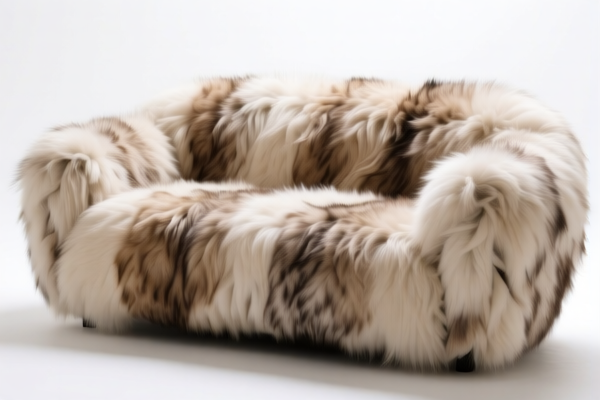
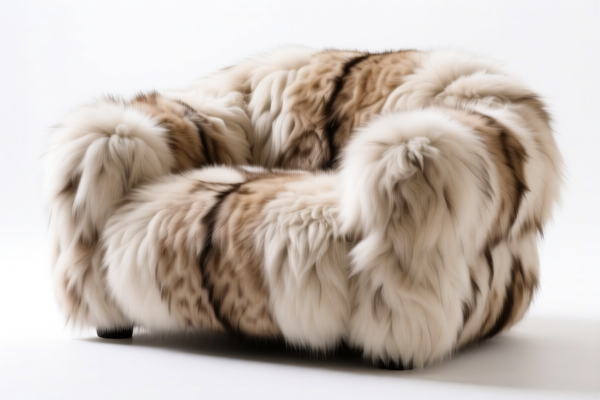
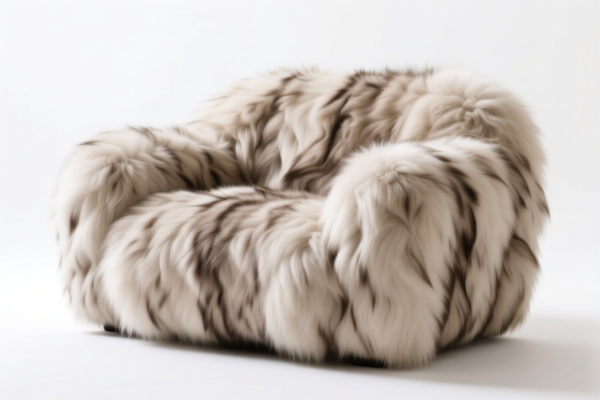
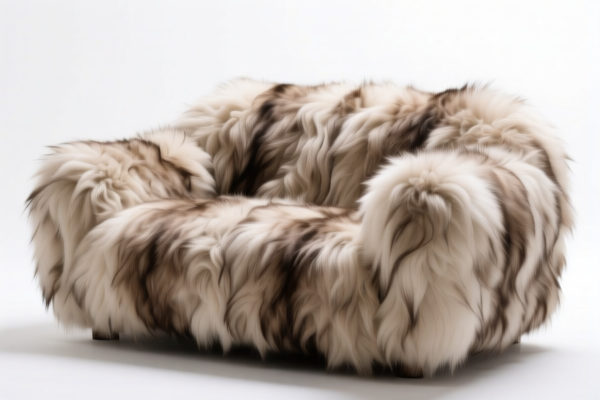
AI Analysis
🧥 Fine Animal Fur Lining (Articles of Apparel & Clothing Accessories)
🌐 HS Code Reference & Customs Clearance Guide | 2026 Latest Tariff Analysis | Professional Clearance Strategy
📌 I. Product Definition & Classification: Do You Really Understand "Fine Animal Fur Lining"?
"Fine Animal Fur Lining" is not just a fabric; it is a high-value textile component used to enhance the warmth, luxury, and structural integrity of outerwear, coats, and accessories. In international trade, this category is strictly regulated due to ethical standards and high tariffs.
Key Distinction in Classification: * Apparel & Accessories (Finished/Partially Finished) Furs made up into specific articles like coats, jackets, or lined accessories. * Other Fur Articles: Furs not made up into specific apparel items (e.g., raw pelts processed for lining, fur pelts for crafting, or miscellaneous fur goods).
⚠️ Critical Classification Point:
- If the fur is cut and shaped specifically for a coat, jacket, or accessory → It is classified as an "Article of Apparel" (4303.10).
- If the fur is not made up into a specific article (e.g., general fur skins, unshaped pelts for lining, or miscellaneous fur goods) → It is classified as "Other" (4303.90).
📦 II. HS Code Classification Details (2026 Latest Tariff Authority Comparison)
| HS Code | Product Description | Applicable Scenario | Is it "Apparel"? |
|---|---|---|---|
4303.10.00.60 |
Articles of apparel, clothing accessories and other articles of furskin: Articles of apparel and clothing accessories | Lined coats, fur jackets, fur-lined hoods, fur accessories (if made up into specific items) | ✅ Yes |
4303.90.00.00 |
Articles of apparel, clothing accessories and other articles of furskin: Other | Unshaped fur pelts, fur skins for lining, miscellaneous fur goods (not made up into specific apparel) | ❌ No |
🔍 Key Reminder:
- If your product is "Fine Animal Fur Lining" intended to be sewn into a jacket, but is shipped separately as cut pieces or whole skins without the jacket structure, it may fall under 4303.90.00.00 if it is not yet an "article of apparel."
- However, if it is pre-cut and shaped specifically for a garment and presented as a component of apparel, customs may still classify it as 4303.10.00.60.
- Always provide clear product descriptions to avoid misclassification penalties.
💰 III. 2026 Latest Tariff Rate Details (Including Additional Taxes, Policy Surcharges)
✅ Applicable Country: United States (US)
✅ Origin: China (CN)
✅ Effective Date: November 10, 2025 (and subsequent imports)
🎯 1. 4303.10.00.60 —— Articles of Apparel and Clothing Accessories (e.g., Fur-Lined Jackets, Shaped Fur Linings)
| Item | Content |
|---|---|
| Base Tariff Rate | 4.0% (ad valorem) |
| Section 301 Additional Tariff | +25.0% (Under USITC Footnote 9903.88.01) |
| Total Tariff Rate | 29.0% |
| Tax Calculation | CIF Value × 29.0% |
| De Minimis Exemption Eligible? | ❌ No (Deny de minimis) |
| Legal Basis Path | USITC:4303.10.00.60 → FOOTNOTE:9903.88.01 |
📌 Explanation:
- The 4.0% is the standard Most Favored Nation (MFN) duty for fur articles.
- The 25.0% is the Section 301 tariff, which applies to a wide range of Chinese-origin goods, including fur articles.
- Total duty is 29.0%, which is high and significantly impacts profit margins.
🎯 2. 4303.90.00.00 —— Other Fur Articles (e.g., Unshaped Fur Pelts, General Fur Skins)
| Item | Content |
|---|---|
| Base Tariff Rate | 0.0% (ad valorem) |
| Section 301 Additional Tariff | +25.0% (Under USITC Footnote 9903.88.01) |
| Total Tariff Rate | 25.0% |
| Tax Calculation | CIF Value × 25.0% |
| De Minimis Exemption Eligible? | ❌ No (Deny de minimis) |
| Legal Basis Path | USITC:4303.90.00.00 → FOOTNOTE:9903.88.01 |
📌 Note:
- Although the base rate is 0%, the 25.0% Section 301 tariff still applies.
- This HS code is often used for less finished fur goods or miscellaneous fur articles that do not qualify as "apparel."
- Total duty is 25.0%, which is slightly lower than apparel classification but still significant.
🛠️ IV. Customs Clearance Practical Advice (Real-World Pitfall Avoidance Guide)
✅ 1. Required Documentation Checklist (None Can Be Omitted)
| Document | Must Provide | Explanation |
|---|---|---|
| ✅ Product Specification Sheet | ✔️ | Include fur type (e.g., mink, fox, rabbit), lining material, dimensions, and intended use. |
| ✅ Product Photos (Including Labels) | ✔️ | Clear images of the fur product, including tags showing origin and material composition. |
| ✅ Commercial Invoice | ✔️ | Must clearly state "Fine Animal Fur Lining" or "Fur Apparel Component" and specify HS Code. |
| ✅ Packing List | ✔️ | Detail quantity, weight, and packaging type. |
| ✅ Certificate of Origin (CO) | ✔️ | Required for customs verification, especially for Section 301 tariffs. |
| ✅ Third-Party Testing Report | ✔️ | CITES permits (if applicable for protected species), material safety reports. |
✅ 2. Declaration Tips (Key Mnemonics)
🔥 "Be Specific, Declare Clear, Avoid Ambiguity!"
| Scenario | Correct Declaration Method | Incorrect Practice |
|---|---|---|
| Fur-lined Jacket | 4303.10.00.60 - "Fur-Lined Jacket" |
Vague: "Clothing" → Risk of penalty |
| Shaped Fur Lining Pieces | 4303.10.00.60 or 4303.90.00.00 |
Vague: "Fabric" → Misclassification |
| Unshaped Fur Skins | 4303.90.00.00 - "Fur Skins for Lining" |
Vague: "Raw Materials" → Delay in clearance |
| Mixed Shipment (Apparel + Accessories) | Separate Lines for each HS Code | Combined declaration → Complex audit |
✅ 3. Special Case Handling
| Scenario | Handling Advice |
|---|---|
| CITES Regulated Species | Provide CITES Permits in advance. Failure to do so results in seizure and fines. |
| OEM Custom Fur Linings | Provide customer design specs and order documents to prove intended use. |
| Mixed Material (Fur + Textile) | Declare based on primary material (fur). If fur is <50%, consider alternative HS Codes. |
| Returns/Replacements | Mark as "Return for Rework" and provide original invoice reference to avoid double taxation. |
🌍 V. Global Major Market Clearance Comparison (2026 Latest)
| Country/Region | Recommended HS Code | Tariff (China Origin) | Certification Requirements | Notes |
|---|---|---|---|---|
| 🇺🇸 United States | 4303.10.00.60 / 4303.90.00.00 |
29.0% / 25.0% | CITES (if applicable) | High tariff due to Section 301. |
| 🇨🇳 China | 4303.10.00.60 / 4303.90.00.00 |
5.0% - 10.0% | CCC (if applicable) | Lower tariffs, easier clearance. |
| 🇪🇺 European Union | 4303.10.00.00 / 4303.90.00.00 |
0% - 4.0% | CITES + EPR | No Section 301 tariffs. |
| 🇬🇧 United Kingdom | 4303.10.00.00 / 4303.90.00.00 |
0% - 4.0% | CITES + UKCA | Post-Brexit rules apply. |
| 🇯🇵 Japan | 4303.10.00.00 / 4303.90.00.00 |
0% - 3.0% | CITES + JIS | Low tariffs, strict CITES enforcement. |
📌 Conclusion:
- The US imposes the highest tariffs on fur articles due to Section 301.
- EU, UK, and Japan have lower or zero base tariffs, making them more cost-effective for fur exports.
- CITES compliance is critical globally; ensure all permits are in order before shipment.
📌 VI. Common Errors & Pitfall Avoidance (Blood and Tears Lessons)
❌ Error 1: Declaring "Fur Lining" as "Textile Fabric"
👉 Consequence: Misclassification → Penalties + Back Taxes + Delay.
❌ Error 2: Omitting CITES Permits for Protected Species
👉 Consequence: Seizure of goods + Heavy Fines + Blacklisting.
❌ Error 3: Combining Apparel and Non-Apparel Fur Items in One HS Code
👉 Consequence: Confusion in customs audit → Inspection + Delays.
❌ Error 4: Using Vague Descriptions like "Fur Goods"
👉 Consequence: Customs assigns highest possible duty → Unnecessary Cost.
✅ Correct Practice:
"Fine Mink Fur Lining, Cut and Shaped for Jacket Use, Model XYZ, CITES Permit Attached, Origin: China"
🎯 VII. Conclusion: Professional Declaration Saves Money!
🎯 Remember the Mnemonic:
🔹 "Apparel 29%, Other 25%, CITES is Key, Vague Description is Enemy!"
🔹 "HS Code Determines Duty, Declaration Determines Speed, Compliance Determines Profit!"
📌 Pro Tip:
If your fur products are originating from Vietnam, Thailand, or Europe, you may avoid Section 301 tariffs.
Consider supply chain diversification or pre-clearance rulings to optimize costs.
📣 Immediate Action:
📞 Contact Professional Customs Broker + Provide Product Photos + Apply for Advance Ruling
🚀 Let your fur products clear customs smoothly, efficiently, and cost-effectively!
✨ Professional Customs Clearance Starts with Accurate Classification!
💼 Your Every Dollar of Cost Deserves Precise Calculation!
Customer Reviews
About HS Code Classification
The Harmonized System (HS) is an internationally standardized nomenclature developed by the World Customs Organization (WCO) to classify traded products. Over 200 countries use the HS system as the basis for customs tariffs, trade statistics, and import/export regulations.
Each HS code follows a hierarchical structure:
- Chapter (2 digits) — Broad category of goods (e.g., Chapter 84: Machinery and Mechanical Appliances)
- Heading (4 digits) — More specific grouping within the chapter
- Subheading (6 digits) — Internationally standardized breakdown, used by all WCO member countries
- National subdivisions (8-10 digits) — Country-specific extensions for further classification, such as US HTSUS 10-digit codes
Correct HS code classification is essential for smooth customs clearance, accurate duty payment, and compliance with trade regulations. Misclassification can lead to customs delays, overpayment of duties, or penalties.
When importing from CN to US, the applicable tariff rates may include:
- Most-Favored-Nation (MFN) rate — The standard duty rate applied to WTO members
- General rate — Applied to countries without trade agreements
- Trade remedy duties — Additional tariffs such as Section 301 (anti-dumping), Section 232 (national security), or countervailing duties
The information provided on this page is for reference purposes only. For official classification, please consult with your local customs authority or a licensed customs broker.