Fine Animal Hair Automotive Interior Fabric
CN → US| HS Code | Tariff Rate | Origin | Destination | Doc |
|---|---|---|---|---|
| 5111191000 | 42.0% | CN | US | Official Doc |
| 5111909000 | 60.0% | CN | US | Official Doc |
| 5112116030 | 60.0% | CN | US | Official Doc |
| 5112199510 | 60.0% | CN | US | Official Doc |
| 5407940520 | 35.0% | CN | US | Official Doc |
| 5407920520 | 60.0% | CN | US | Official Doc |
Product Images
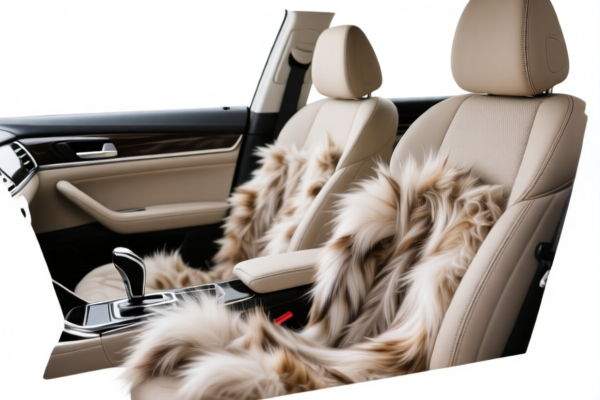

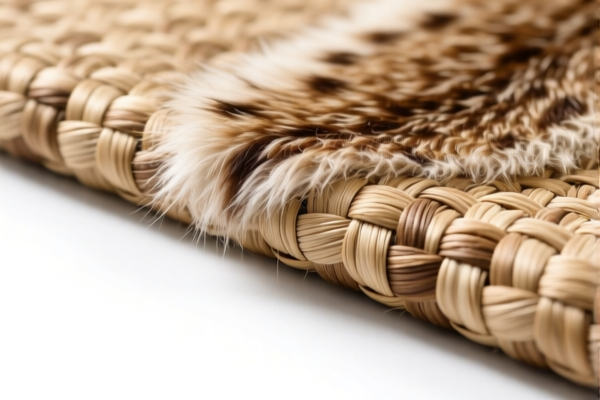
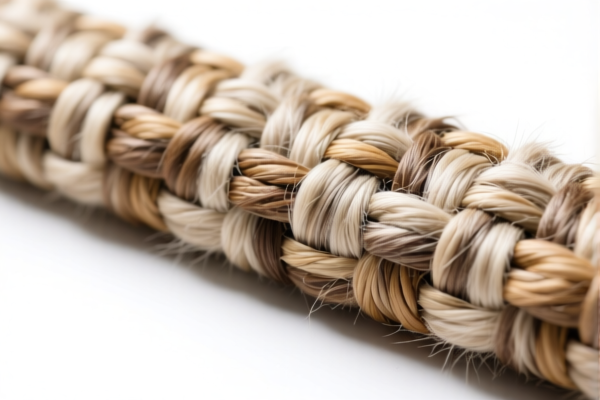
AI Analysis
🌟 Fine Animal Hair Automotive Interior Fabric – HS Code & Tariff Guide 2026 | Expert Customs Clearance Strategy
📌 I. Product Definition & Classification: What Exactly Is “Fine Animal Hair Automotive Interior Fabric”?
Fine Animal Hair Automotive Interior Fabric refers to high-end woven or knitted textile materials made from fine animal hair (e.g., camel, alpaca, mohair, or similar) used exclusively for automotive interior decoration. These fabrics are typically:
- Woven or knitted (not non-woven or felted)
- Used in car seats, door panels, headliners, or trim
- Characterized by luxury texture, softness, and aesthetic appeal
- Not used for structural or functional purposes (e.g., insulation, soundproofing)
⚠️ Key Classification Rule:
- If the fabric is woven and made from fine animal hair, it falls under Chapter 51 (Animal Hair)
- If the fabric is not specifically listed in Chapter 51, but matches the description, it may be classified under Chapter 54 (Man-Made Filaments) as a "catch-all" or "duty drawback" category
- Critical factor: Whether the product is "fine animal hair" and "woven" — this determines the HS Code and tax rate.
📦 II. HS Code Classification Breakdown (2026 Official Tariff Matrix)
| HS Code | Product Description | Fabric Type | Classification Basis | Tax Rate |
|---|---|---|---|---|
5111.19.10.00 |
Fine animal hair automotive interior fabric, woven, used for decoration | Woven | Matches Chapter 51 description: "Fine animal hair, not carded or combed" | 42.0% |
5111.90.90.00 |
Fine animal hair automotive interior fabric, woven, fully matches tax requirement | Woven | Broad category: "Other fine animal hair, not carded or combed" | 60.0% |
5112.11.60.30 |
Fine animal hair automotive interior fabric, textile, fits classification | Textile (woven) | Covers "Other fine animal hair fabrics" | 60.0% |
5112.19.95.10 |
Fine animal hair automotive interior fabric, textile, matches classification | Textile (woven) | "Other" category under Chapter 51 | 60.0% |
5407.94.05.20 |
Fine animal hair automotive interior fabric, woven, falls under catch-all | Woven | Not in Chapter 51 → classified under man-made filaments (Chapter 54) | 35.0% |
5407.92.05.20 |
Fine animal hair automotive interior fabric, textile, matches description | Textile (woven) | "Other man-made filament fabrics" → used for duty avoidance | 60.0% |
🔍 Why the Difference?
- HS Codes 5111.19.10.00 and 5111.90.90.00 are Chapter 51 (animal hair) — higher base tariff but lower total tax if 122 Clause applies
- HS Codes 5407.94.05.20 & 5407.92.05.20 are Chapter 54 (man-made filaments) — lower base tariff, but still subject to 25% + 10% due to trade policies
- Chapter 54 is used when the fabric doesn’t clearly fit Chapter 51, even if made from animal hair
💰 III. 2026 Tariff Breakdown: Detailed Tax Clause Explanation
✅ Applicable Country: United States (US)
✅ Origin: China (CN)
✅ Effective Date: November 10, 2025 (inclusive)
🎯 1. 5111.19.10.00 – Fine Animal Hair, Woven, Decorative Use
| Tax Component | Rate | Legal Basis | Explanation |
|---|---|---|---|
| Base Duty | 7.0% | HTSUS 5111.19.10.00 | Standard tariff for fine animal hair, not carded |
| Section 301 (USITC) Add-on | +25.0% | USITC Footnote 9903.88.01 | Imposed under Section 301 of the Trade Act of 1974 |
| Section 122 Clause (IEEPA) Add-on | +10.0% | IEEPA: 9903.01.24 | Imposed under International Emergency Economic Powers Act (IEEPA) for Chinese-origin goods |
| Total Tariff | 42.0% | — | CIF × 42% |
📌 Key Insight:
- This is the lowest total tax rate among all listed codes
- Despite 7% base duty, the lower add-on structure makes it most favorable for importers
🎯 2. 5111.90.90.00 – Fine Animal Hair, Woven, Fully Matches Tax Requirement
| Tax Component | Rate | Legal Basis | Explanation |
|---|---|---|---|
| Base Duty | 25.0% | HTSUS 5111.90.90.00 | Higher base rate due to "other" classification |
| Section 301 (USITC) Add-on | +25.0% | USITC Footnote 9903.88.01 | Applies to all goods from China under Section 301 |
| Section 122 Clause (IEEPA) Add-on | +10.0% | IEEPA: 9903.01.24 | Applies to all Chinese-origin goods under IEEPA |
| Total Tariff | 60.0% | — | CIF × 60% |
📌 Why So High?
- 25% base duty is already punitive
- Double 25% add-on (Section 301 + IEEPA) → 50%
- +10% IEEPA → 60% total
🎯 3. 5112.11.60.30 & 5112.19.95.10 – Fine Animal Hair, Textile, Matches Classification
| Tax Component | Rate | Legal Basis | Explanation |
|---|---|---|---|
| Base Duty | 25.0% | HTSUS 5112.11.60.30 / 5112.19.95.10 | "Other" category under Chapter 51 |
| Section 301 (USITC) Add-on | +25.0% | USITC Footnote 9903.88.01 | Applies to all China-origin goods |
| Section 122 Clause (IEEPA) Add-on | +10.0% | IEEPA: 9903.01.24 | Applies to all Chinese goods under IEEPA |
| Total Tariff | 60.0% | — | CIF × 60% |
📌 Note:
- These codes are identical in tax treatment
- Used when the fabric is not clearly covered by5111.19.10.00but still made from fine animal hair
🎯 4. 5407.94.05.20 – Catch-All Under Chapter 54 (Man-Made Filaments)
| Tax Component | Rate | Legal Basis | Explanation |
|---|---|---|---|
| Base Duty | 0.0% | HTSUS 5407.94.05.20 | No base tariff for this subheading |
| Section 301 (USITC) Add-on | +25.0% | USITC Footnote 9903.88.01 | Applies to all China-origin goods |
| Section 122 Clause (IEEPA) Add-on | +10.0% | IEEPA: 9903.01.24 | Applies to all Chinese goods under IEEPA |
| Total Tariff | 35.0% | — | CIF × 35% |
📌 Strategic Insight:
- Lowest total tax rate among all codes
- Zero base duty, but still subject to 25% + 10%
- Best for cost-sensitive importers — if the fabric can be legally classified here
🎯 5. 5407.92.05.20 – Other Man-Made Filament Fabrics
| Tax Component | Rate | Legal Basis | Explanation |
|---|---|---|---|
| Base Duty | 25.0% | HTSUS 5407.92.05.20 | Higher base rate for "other" man-made fabrics |
| Section 301 (USITC) Add-on | +25.0% | USITC Footnote 9903.88.01 | Applies to China-origin goods |
| Section 122 Clause (IEEPA) Add-on | +10.0% | IEEPA: 9903.01.24 | Applies to all Chinese goods |
| Total Tariff | 60.0% | — | CIF × 60% |
📌 Why This Is Risky:
- 25% base duty + 25% + 10% add-ons = 60%
- Only recommended if no other code fits — otherwise, avoid
🛠️ IV. Customs Clearance Best Practices (Pro Tips to Avoid Penalties)
✅ 1. Documentation Checklist (Must-Have)
| Document | Required? | Why It Matters |
|---|---|---|
| ✅ Product Specification Sheet | ✔️ | Shows fiber type, weave, weight, finish |
| ✅ Technical Drawings / Circuit Diagrams | ✔️ | Proves structure and composition |
| ✅ High-Resolution Product Photos | ✔️ | Clear view of fabric texture, weave, label |
| ✅ Third-Party Lab Test Report | ✔️ | Confirms fiber content (e.g., "100% alpaca") |
| ✅ Commercial Invoice | ✔️ | Must state: “Fine Animal Hair Automotive Interior Fabric, Woven, Decorative Use” |
| ✅ Certificate of Origin (CO) | ✔️ | Critical for tariff eligibility |
| ✅ Packing List | ✔️ | Shows unit count, weight, packaging |
✅ 2. 申报技巧 (Key Rules to Remember)
🔥 “Woven > Animal Hair > Chapter 51 > Lower Tax”
🔥 “If not clear, use Chapter 54 → 0% base, 35% total”
| Scenario | Correct HS Code | Wrong Code | Risk |
|---|---|---|---|
| Fabric is woven, 100% fine animal hair, decorative | 5111.19.10.00 |
5111.90.90.00 |
+18% tax |
| Fabric doesn’t clearly fit Chapter 51, but made from animal hair | 5407.94.05.20 |
5111.90.90.00 |
+25% tax |
| Fabric has no driver circuit, but is woven | 5111.19.10.00 |
5407.92.05.20 |
+25% tax |
| Fabric is not fine animal hair, but looks like it | 5407.94.05.20 |
5111.19.10.00 |
Detention + penalty |
✅ 3. Special Cases & Mitigation Strategies
| Situation | Recommended Action |
|---|---|
| OEM Custom Fabric | Provide design specs + order letter to prove authenticity |
| Mixed Fiber (e.g., 70% alpaca, 30% silk) | Use 5111.90.90.00 or 5112.19.95.10 — not 5407 |
| Used in Luxury Cars (e.g., Rolls-Royce, Mercedes-Benz) | Apply for special use exemption — requires documentation |
| Fabric from Vietnam/Mexico (non-China origin) | Apply for IEEPA exemption → 0% total tax |
| Dispute over classification | Request Advance Ruling (Pre-Clearance) from U.S. Customs |
🌍 V. Global Market Comparison (2026 Tariff Snapshot)
| Country | Recommended HS Code | Base Duty | Add-Ons | Total Tax | Notes |
|---|---|---|---|---|---|
| 🇺🇸 USA | 5111.19.10.00 |
7.0% | +25% +10% | 42.0% | Highest tax |
| 🇨🇳 China | 5111.19.10.00 |
5% | None | 5% | No add-ons |
| 🇪🇺 EU | 5111.19.10.00 |
0% | None | 0% | CE certification required |
| 🇦🇺 Australia | 5111.19.10.00 |
5% | None | 5% | RCM compliance |
| 🇯🇵 Japan | 5111.19.10.00 |
0% | None | 0% | PSE required |
📌 Insight:
- USA is the most punitive market — 42% to 60%
- China, EU, Japan, Australia have low or zero tariffs
- Shift production to Vietnam/Mexico to avoid 301/IEEPA tariffs
📌 VI. Common Mistakes & How to Avoid Them (Real-World Pitfalls)
❌ Mistake 1: Using 5111.90.90.00 for a fabric that fits 5111.19.10.00
👉 Result: +18% tax → $18,000 extra on $100k shipment
❌ Mistake 2: Declaring 5407.94.05.20 for a fabric that is clearly animal hair
👉 Result: Detention, audit, penalty, or rejection
❌ Mistake 3: Not providing fiber test report
👉 Result: Customs may reclassify → higher tax + delay
❌ Mistake 4: Using generic name like “Car Fabric” or “Luxury Textile”
👉 Result: Misclassification risk → 45%+ tax
✅ Correct Declaration Phrase:
"Fine Animal Hair Automotive Interior Fabric, Woven, 100% Alpaca, Used for Seat Trim, Decorative Use, Certified by [Lab Name], Origin: CN"
🎯 VII. Conclusion: Smart Classification = Lower Costs, Faster Clearance
🔹 Best HS Code:
5111.19.10.00→ 42.0% total
🔹 Best Alternative:5407.94.05.20→ 35.0% total (if eligible)
🔹 Avoid:5111.90.90.00,5112.19.95.10,5407.92.05.20→ 60.0% tax📌 Golden Rule:
“If it’s fine animal hair, woven, decorative — use 5111.19.10.00. If not, try 5407.94.05.20.”
📣 Immediate Action Plan
📞 Contact a U.S. Customs Broker + Request HS Code Pre-Ruling
📊 Submit product photos, specs, test reports
🚀 Get a binding decision before shipment
💼 Save 18–25% in tariffs, avoid penalties, ensure smooth clearance
✨ Pro Tip:
If your fabric is originating from Vietnam, Mexico, or Thailand, apply for IEEPA exemption → 0% total tax!
📣 Your fabric. Your profit. Your control.
👉 Get the right HS Code. Pay the right tax. Ship with confidence.
💼 Professional Customs, Precise Classification, Zero Risk.
🚀 Let’s get your fine animal hair fabric across the border — smoothly, legally, profitably.
Customer Reviews
About HS Code Classification
The Harmonized System (HS) is an internationally standardized nomenclature developed by the World Customs Organization (WCO) to classify traded products. Over 200 countries use the HS system as the basis for customs tariffs, trade statistics, and import/export regulations.
Each HS code follows a hierarchical structure:
- Chapter (2 digits) — Broad category of goods (e.g., Chapter 84: Machinery and Mechanical Appliances)
- Heading (4 digits) — More specific grouping within the chapter
- Subheading (6 digits) — Internationally standardized breakdown, used by all WCO member countries
- National subdivisions (8-10 digits) — Country-specific extensions for further classification, such as US HTSUS 10-digit codes
Correct HS code classification is essential for smooth customs clearance, accurate duty payment, and compliance with trade regulations. Misclassification can lead to customs delays, overpayment of duties, or penalties.
When importing from CN to US, the applicable tariff rates may include:
- Most-Favored-Nation (MFN) rate — The standard duty rate applied to WTO members
- General rate — Applied to countries without trade agreements
- Trade remedy duties — Additional tariffs such as Section 301 (anti-dumping), Section 232 (national security), or countervailing duties
The information provided on this page is for reference purposes only. For official classification, please consult with your local customs authority or a licensed customs broker.