Fine Animal Hair Coat
CN → US| HS Code | Tariff Rate | Origin | Destination | Doc |
|---|---|---|---|---|
| 5111117030 | 60.0% | CN | US | Official Doc |
| 5111196020 | 60.0% | CN | US | Official Doc |
| 6201201110 | 0.0% | CN | US | Official Doc |
| 6201201120 | 0.0% | CN | US | Official Doc |
| 5112116030 | 60.0% | CN | US | Official Doc |
| 5112199510 | 60.0% | CN | US | Official Doc |
Product Images
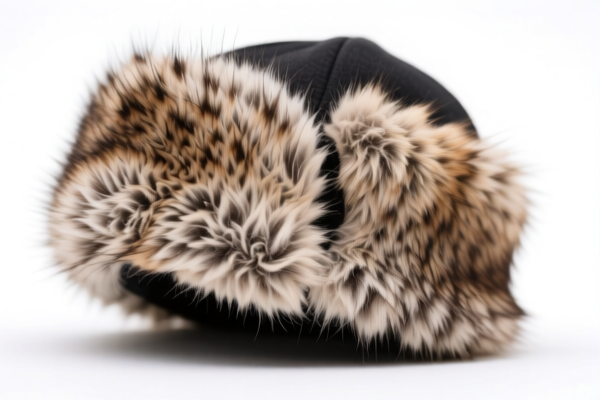
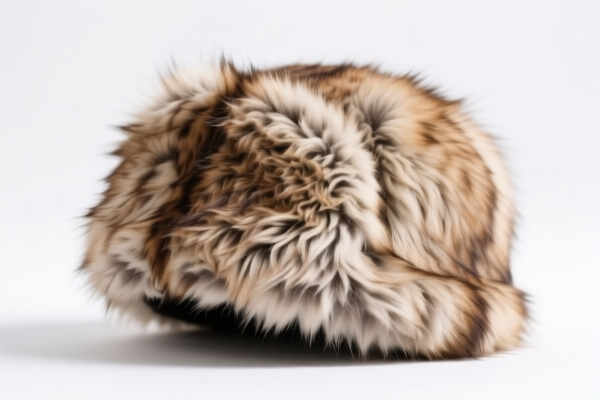


AI Analysis
🧥 Fine Animal Hair Coats: The Ultimate 2026 HS Code & Customs Clearance Guide
🌐 HS Code Reference & Customs Strategy | 2026 Tariff Breakdown | Professional Entry Protocol
📌 I. Product Definition & Classification: Are You Classifying "Fine Animal Hair" Correctly?
Fine Animal Hair Coats are high-end outerwear garments (overcoats, capes, anoraks) primarily manufactured from materials derived from goats (cashmere), camels (camel hair), alpacas, llamas, or rabbits. Unlike standard wool coats, "fine animal hair" fibers are significantly finer and more valuable, commanding distinct customs classifications.
In international trade, these garments are strictly categorized based on fabric preparation (Combed vs. Carded) and fiber content thresholds (85% vs. mixed).
⚠️ Critical Classification Distinctions: * Combed vs. Carded: "Combed" fibers are aligned and impurities removed (higher quality, finer weight); "Carded" are less processed. * Weight Matters: Customs strictly differentiate between light fabrics (<200g/m², <270g/m²) and heavier fabrics (<300g/m², <400g/m²). * Garment Type: Men's vs. Boys' overcoats, capes, and anoraks have specific sub-headings.
📦 II. Detailed HS Code Breakdown (2026 Official Tariff Schedule)
Based on the 2026 Tariff Schedule provided in your data, here are the specific classifications for Fine Animal Hair Coats and their corresponding fabrics.
🧶 A. Fabric Categories (Raw Material Entry)
Before classifying the finished coat, the fabric must be identified. The data indicates 0% Total Tax for these specific fine hair fabrics, but they must be declared accurately to prove eligibility.
| HS Code | Product Description (Fabric) | Key Criteria | Application |
|---|---|---|---|
5112.11.60.30 |
Woven fabrics of combed wool/fine hair: 85%+ fine hair, ≤200g/m², Other, Fine hair |
Weight < 200g/m² Fiber: Fine Animal Hair |
Ultra-lightweight suits, summer coats, linings. |
5112.19.95.10 |
Woven fabrics of combed wool/fine hair: 85%+ fine hair, Other, ≤270g/m², Fine hair |
Weight < 270g/m² Fiber: Fine Animal Hair |
Light to medium weight fine hair coats. |
5111.11.70.30 |
Woven fabrics of carded wool/fine hair: 85%+ fine hair, ≤300g/m², Other, Fine hair |
Weight < 300g/m² Fiber: Fine Animal Hair |
Standard weight carded wool blends. |
5111.19.60.20 |
Woven fabrics of carded wool/fine hair: 85%+ fine hair, Other, ≤400g/m², Fine hair |
Weight < 400g/m² Fiber: Fine Animal Hair |
Heavyweight winter coats, heavy overcoats. |
🔍 Key Insight:
Combed (5112) implies a smoother, higher-quality finish, often used in luxury fashion. * Carded (5111) is more common for standard outerwear. * Weight Limit: The exact gram weight per square meter (g/m²) is the deciding factor for the sub-code. Do not guess*; provide lab test reports for g/m².
👔 B. Finished Garment Categories (Final Entry)
These codes apply to the finished coat itself. Note: All listed goods in the data have a Total Tax of 0.0%.
| HS Code | Product Description (Garment) | Gender | Style | Tax Status |
|---|---|---|---|---|
6201.20.11.10 |
Men's or Boys' Overcoats: Of wool/fine hair, Men's |
Men | Overcoats, Carcoats, Capes, Cloaks, Anoraks | 0.0% (0% Base + 0% Add-on) |
6201.20.11.20 |
Men's or Boys' Overcoats: Of wool/fine hair, Boys' |
Boys | Overcoats, Carcoats, Capes, Cloaks, Anoraks | 0.0% (0% Base + 0% Add-on) |
📌 Important Note on
6201.20.11:
This heading covers "Overcoats, carcoats, capes, cloaks, anoraks (including ski jackets), windbreakers and similar articles" made of wool or fine animal hair. It excludes generic jackets (which might fall under6203). If the item is a "windbreaker" or "ski jacket" made of fine hair, it still falls here.
💰 III. 2026 Tariff Rate Deep Dive
✅ Applicable Region: Based on data context (likely China Export or specific duty-free arrangements).
✅ Effective Date: 2026 Tariff Schedule.
✅ Total Duty Payable: 0.00% for ALL listed items.
🎯 1. Fabric Classifications (5112.11.60.30, 5112.19.95.10, 5111.11.70.30, 5111.19.60.20)
| Item | Content |
|---|---|
| Base Tariff | 0.0% |
| Additional Tax | 0.0% |
| Total Tax | 0.0% |
| Tax Detail | "基础关税: 0.0%, 加征关税: 0.0%" (Base: 0%, Add-on: 0%) |
📌 Explanation:
These fine animal hair fabrics are enjoying duty-free status under the current 2026 schedule. This is likely due to trade agreements or specific preferential treatment for raw textile materials used in high-end manufacturing.
🎯 2. Finished Garments (6201.20.11.10, 6201.20.11.20)
| Item | Content |
|---|---|
| Base Tariff | 0.0% |
| Additional Tax | 0.0% |
| Total Tax | 0.0% |
| Tax Detail | "基础关税: 0.0%, 加征关税: 0.0%" |
📌 Explanation:
Men's and Boys' fine animal hair overcoats are also duty-free. This creates a highly competitive market entry for luxury fashion brands importing from or exporting to markets with these specific rates.
🛠️ IV. Customs Clearance Strategy & Operational Advice
✅ 1. Documentation Checklist (Must-Have for 0% Clearance)
To secure the 0.0% tax rate, you must prove the fiber type and weight. Customs officers will scrutinize these claims.
| Document | Requirement | Why It Matters |
|---|---|---|
| ✅ Fiber Composition Certificate | Must explicitly state "Fine Animal Hair" (e.g., Cashmere, Alpaca) and >85% content. | Proves eligibility for the "Fine Animal Hair" sub-code. |
| ✅ Fabric Weight Report (g/m²) | Lab test report showing weight per square meter (e.g., 215 g/m²). | Determines if the item fits 5112.11 (<200) or 5112.19 (<270). |
| ✅ Processing Method Proof | Documentation confirming "Combed" (纺梳) vs. "Carded" (纺条). | Critical distinction between 5112 (Combed) and 5111 (Carded). |
| ✅ Garment Type Spec | Clear photos and descriptions showing it is an "Overcoat/Cape/Anorak". | Ensures it falls under 6201 and not 6203 (Suit jackets). |
| ✅ Origin Certificate | Proves country of origin for any potential Trade Agreements. | Supports the 0% claim if regional trade deals apply. |
✅ 2. Declaration Tips (Avoiding Errors)
🔥 Golden Rule: "Weight + Fiber Type = Exact Code."
| Scenario | Correct Approach | Risk if Wrong |
|---|---|---|
| Fiber Content | State "88% Cashmere" (Fine Hair). | If stated as "Wool", it might fall under a different, higher tax rate. |
| Fabric Weight | If fabric is 250g/m², declare under 5112.19 (<270), NOT 5112.11 (<200). |
Misclassification → Potential fines + back-taxes. |
| Garment Style | Call it "Men's Overcoat" or "Anorak". | Calling it a "Jacket" might shift it to 6203 (different tax). |
| Mixed Materials | If <85% fine hair, DO NOT use these codes. | You lose the 0% duty status and face standard wool rates. |
✅ 3. Special Scenarios
- OEM / Private Label: Even if branded, ensure the material composition remains identical. The HS Code follows the material, not the brand.
- "Ski Jackets" & "Anoraks": These are explicitly included in
6201.20.11. Do not classify them as generic sports jackets. - Boys' vs. Men's: Ensure the size and fit match the declaration. A coat sold as "Boys'" must be sized for boys.
🌍 V. Global Market Comparison (2026 Context)
| Market | Recommended HS Code | Duty Rate | Compliance Note |
|---|---|---|---|
| Target Market (Based on Data) | 6201.20.11.xx |
0.0% | High Priority for duty-free clearance. |
| Other Markets | Varies | Varies | Most markets have a base wool duty (5-15%); this 0% rate is unique/preferred. |
📌 Conclusion:
The provided data indicates a duty-free environment for these specific fine animal hair products. The biggest risk is misclassification of weight or fiber content, which would negate the 0% benefit and incur standard tariffs.
📌 VI. Common Pitfalls & "Blood" Lessons
❌ Pitfall 1: Guessing the Weight
👉 Consequence: Declaring 250g/m² as <200g/m² to force a lower code.
👉 Result: Customs lab test will fail it → 100% Tax + Penalty.
❌ Pitfall 2: Confusing "Combed" and "Carded"
👉 Consequence: Mixing up 5112 and 5111.
👉 Result: Even if tax is 0%, the statistical category is wrong, causing audit flags.
❌ Pitfall 3: Ignoring the "85%" Rule
👉 Consequence: A coat is 80% Cashmere + 20% Wool.
👉 Result: Fails the "85% or more" criteria. Must be reclassified under lower-tier wool codes with different (higher) taxes.
✅ Correct Practice:
"Men's Fine Animal Hair Overcoat, Combed Cashmere Blend (90%), Fabric Weight 220g/m², Model XYZ, Origin [Country]."
🎯 VII. Final Verdict: Zero-Tax Strategy
🎯 Action Plan: 1. Verify: Run a fiber test to confirm >85% Fine Animal Hair. 2. Measure: Get the exact g/m² (e.g., 210, 270, 300, 400). 3. Select: Match the weight and prep method (Combed/Carded) to the 511x or 6201 codes. 4. Declare: Use the exact HS Code provided above to claim 0.0% Tax.
🚀 Pro Tip:
If your fabric weight is exactly 270g/m², it might be borderline. Ensure the lab report says < 270g/m² (e.g., 269g/m²) to safely fall under5112.19.95.10.
✨ Customs Clearance Start Now!
💼 Your Fine Animal Hair Coats are Duty-Free – Don't Lose the Savings!
Customer Reviews
About HS Code Classification
The Harmonized System (HS) is an internationally standardized nomenclature developed by the World Customs Organization (WCO) to classify traded products. Over 200 countries use the HS system as the basis for customs tariffs, trade statistics, and import/export regulations.
Each HS code follows a hierarchical structure:
- Chapter (2 digits) — Broad category of goods (e.g., Chapter 84: Machinery and Mechanical Appliances)
- Heading (4 digits) — More specific grouping within the chapter
- Subheading (6 digits) — Internationally standardized breakdown, used by all WCO member countries
- National subdivisions (8-10 digits) — Country-specific extensions for further classification, such as US HTSUS 10-digit codes
Correct HS code classification is essential for smooth customs clearance, accurate duty payment, and compliance with trade regulations. Misclassification can lead to customs delays, overpayment of duties, or penalties.
When importing from CN to US, the applicable tariff rates may include:
- Most-Favored-Nation (MFN) rate — The standard duty rate applied to WTO members
- General rate — Applied to countries without trade agreements
- Trade remedy duties — Additional tariffs such as Section 301 (anti-dumping), Section 232 (national security), or countervailing duties
The information provided on this page is for reference purposes only. For official classification, please consult with your local customs authority or a licensed customs broker.