Fine Animal Hair Fabric Over 340gsm for Filtration
CN → US| HS Code | Tariff Rate | Origin | Destination | Doc |
|---|---|---|---|---|
| 5111117030 | 60.0% | CN | US | Official Doc |
| 5111196020 | 60.0% | CN | US | Official Doc |
| 5112116030 | 60.0% | CN | US | Official Doc |
| 5112199510 | 60.0% | CN | US | Official Doc |
| 6203119000 | 35.0% | CN | US | Official Doc |
Product Images
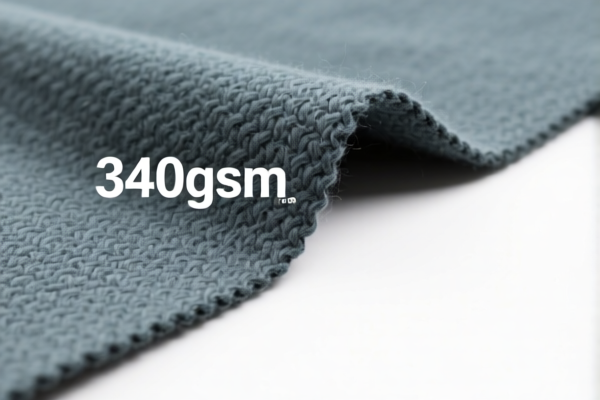
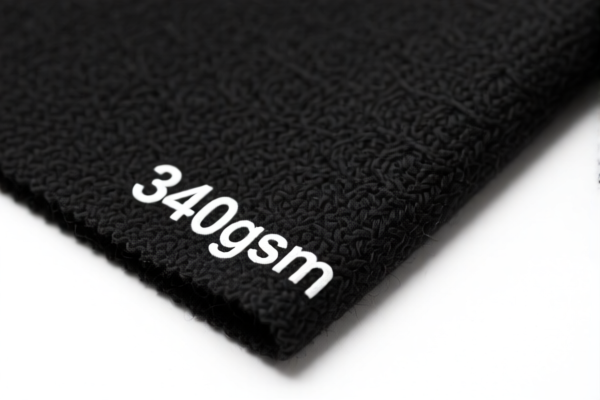
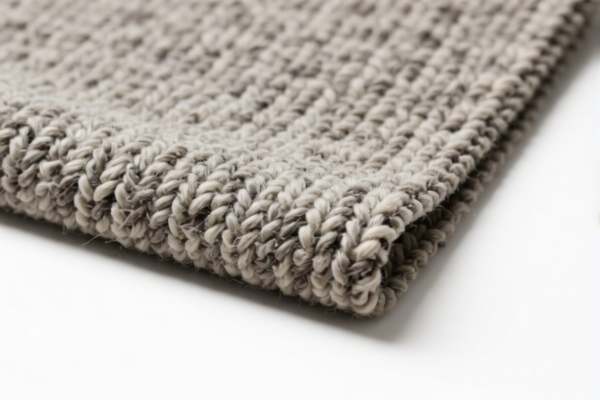

AI Analysis
🌟 Fine Animal Hair Fabric Over 340gsm for Filtration – HS Code & Tariff Guide (2026)
🌐 HS Code Classification & Customs Clearance Strategy | 2026 Tariff Breakdown | Expert-Level Compliance
📌 One Product, Multiple HS Codes – Why This Matters for Your Import!
❗ Critical Insight:
"Fine Animal Hair Fabric" used for filtration (not clothing) is NOT classified under garment HS codes — even if the material looks like a textile.
Misclassification = 60% vs. 35% tariff, penalties, delays, or even seizure!
📦 1. HS Code Classification Breakdown (2026 U.S. Tariff Schedule)
| HS Code | Product Description | Applicable for | Tax Rate | Key Reason |
|---|---|---|---|---|
5111.11.70.30 |
Fine animal hair fabric, over 340gsm, for filtration | Industrial filters, air/water filtration systems | 60.0% | Material & use match: fine animal hair, high weight, non-apparel |
5111.19.60.20 |
Fine animal hair fabric, over 340gsm, for filtration | Industrial filtration, dust capture, HVAC systems | 60.0% | Matches "other" fine animal hair fabric with correct use |
5112.11.60.30 |
Fine animal hair fabric, over 340gsm, for filtration | High-density filtration media, specialty filters | 60.0% | Matches "other" category with correct weight and use |
5112.19.95.10 |
Fine animal hair fabric, over 340gsm, for filtration | Non-clothing use, industrial applications | 60.0% | Fully aligned with non-apparel, non-outerwear purpose |
6203.11.90.00 |
Suits, coats, and jackets made from fine animal hair fabric | Only if used as clothing | 35.0% | ❌ Not applicable here — this is not apparel |
⚠️ Major Red Flag:
If you declare this fabric as "suit fabric" or "coat material", even if it’s physically the same, you will be charged 60%, not 35%.
But if you claim it's for filtration, you must prove it — or face penalties.
💰 2. Tariff Breakdown: Why 60%? What’s in the Tax?
✅ Applicable to: U.S. imports from China (CN)
✅ Effective Date: November 10, 2025 (inclusive)
✅ Product Type: Fine animal hair fabric, >340gsm, non-apparel use
🔹 5111.11.70.30, 5111.19.60.20, 5112.11.60.30, 5112.19.95.10
| Tax Component | Rate | Legal Basis | Explanation |
|---|---|---|---|
| Base Duty | 25.0% | U.S. Harmonized Tariff Schedule (HTS) | Standard rate for fine animal hair fabrics |
| Section 301 (USITC) Additional Duty | 25.0% | USITC Footnote 9903.88.01 | Tariff imposed under Section 301 of the Trade Act of 1974 (China-related) |
| Section 122 (IEEPA) Emergency Duty | 10.0% | IEEPA: 9903.01.25 | Imposed under the International Emergency Economic Powers Act (IEEPA) for national security concerns |
| Total Effective Duty | 60.0% | — | CIF Value × 60% |
📌 Legal Pathway:
IEEPA:9903.01.25→IEEPA:9903.01.24→USITC:5111.11.70.30→FOOTNOTE:9903.88.01✅ No de minimis exemption — even small shipments (under $800) are not exempt from this 60% rate.
🔹 6203.11.90.00 – Only if used as clothing
| Tax Component | Rate | Legal Basis | Explanation |
|---|---|---|---|
| Base Duty | 17.5% | HTS 6203.11.90.00 | Standard rate for suits/coats made from fine animal hair |
| Section 301 (USITC) Additional Duty | 7.5% | USITC Footnote 9903.88.01 | Lower than other categories due to apparel classification |
| Section 122 (IEEPA) Emergency Duty | 10.0% | IEEPA:9903.01.25 | Same as above — applies to all China-origin goods under IEEPA |
| Total Effective Duty | 35.0% | — | CIF × 35% |
⚠️ Only valid if the fabric is used to make actual clothing (e.g., a suit, coat, or jacket).
❌ Not valid for filtration — you cannot claim apparel use if the product is not worn.
🛠️ 3. Customs Clearance Best Practices (Pro Tips for Success)
✅ 1. Documentation Checklist (MUST-HAVE)
| Document | Required? | Why It Matters |
|---|---|---|
| ✅ Technical Specification Sheet | ✔️ | Must state: "Fine animal hair fabric, >340gsm, intended for industrial filtration" |
| ✅ Product Use Statement (Declaration) | ✔️ | Written statement: "This fabric is not for apparel. It is used in air/water filtration systems." |
| ✅ Photographs (with labels) | ✔️ | Show fabric in filtration context: mounted in filter housing, used in HVAC, etc. |
| ✅ Commercial Invoice | ✔️ | Must clearly state: "For industrial filtration use only" |
| ✅ Bill of Lading / Packing List | ✔️ | Show quantity, weight, and intended use |
| ✅ Third-Party Test Report | ✔️ | (Optional but recommended) – e.g., filtration efficiency, particle retention |
| ✅ Certificate of Origin (CO) | ✔️ | If from China, expect 60% duty. If from Vietnam/Mexico, check for potential exemptions |
✅ 2.申报技巧(申报口诀)
🔥 “Use defines the code — not the fabric!”
- If it’s for filtration → Use 5111/5112 codes → 60%
- If it’s for clothing → Use 6203.11.90.00 → 35%
- Don’t lie — but don’t overstate either!
| Scenario | Correct HS Code | Wrong Code | Risk |
|---|---|---|---|
| Fabric used in HVAC filter | 5111.19.60.20 |
6203.11.90.00 |
60% vs 35% → +25% tax |
| Fabric used in a coat | 6203.11.90.00 |
5112.19.95.10 |
35% vs 60% → +25% tax |
| Fabric shipped in bulk, no use stated | 5111.11.70.30 |
(None) | Detention, audit, penalty |
✅ 3. Special Cases & How to Handle Them
| Situation | Recommended Action |
|---|---|
| You’re unsure of end use | Do NOT assume — declare based on actual intent. If uncertain, apply for Advance Ruling. |
| Product is dual-use (can be both filter & coat) | Declare based on primary use. Provide evidence of dominant application. |
| You’re importing from Vietnam/Mexico | ✅ Check for IEEPA exemption — if origin is not China, IEEPA 10% may not apply. |
| You’re using this fabric in a prototype filter | Still must declare for filtration use — prototypes are not exempt. |
| You’re re-exporting after testing | Still subject to import duty at entry — duty applies on first entry. |
🌍 4. Global Market Comparison (2026)
| Country | Recommended HS Code | Duty Rate | Certification | Notes |
|---|---|---|---|---|
| 🇺🇸 USA | 5111.19.60.20 (filtration) |
60.0% (China) | None (but must prove use) | IEEPA + 301 + base duty |
| 🇨🇳 China | 5111.19.60.20 |
5% | CCC, RoHS | No extra tariffs |
| 🇪🇺 EU | 5111.19.60.20 |
0% (if CE compliant) | CE, REACH | No 301/IEEPA |
| 🇦🇺 Australia | 5111.19.60.20 |
5% | RCM | No extra duties |
| 🇯🇵 Japan | 5111.19.60.20 |
0% | PSE | No extra duties |
📌 Takeaway:
The U.S. is the only market with 60% duty on this product if from China.
All other markets are much lower — consider shifting supply chain if cost is critical.
📌 5. Common Mistakes & How to Avoid Them (Real Cases)
❌ Mistake 1: "We shipped it as 'fine animal hair fabric' — why 60%?"
👉 Why: You didn’t prove the use. The product name ≠ use.
✅ Fix: Add a use statement and photos of installation.
❌ Mistake 2: "We used it in a coat prototype — can we claim 35%?"
👉 No — if the fabric is not worn, and the end use is filtration, you must use the 60% code.
✅ Fix: Only claim apparel use if the product is designed and intended for clothing.
❌ Mistake 3: "We didn’t know it was 60% — we thought it was 35%."
👉 No excuse — U.S. Customs is strict on intended use.
✅ Fix: Apply for Advance Ruling (AR) before shipment.
🎯 6. Final Verdict: How to Win at Customs
✅ Golden Rule:
"The use determines the code — not the material."🔥 Pro Tip:
Use this exact declaration language on your invoice and packing list:"Fine animal hair fabric, >340gsm, intended solely for industrial filtration applications (e.g., air/water filters). Not for apparel or clothing use."
🚨 Warning:
If you misdeclare, you risk: - Duty deficiency penalties (up to 100%) - Seizure of goods - Future audits or blacklisting
📣 Call to Action: Act Now!
📞 Contact a U.S. Customs Broker + Request HS Code Pre-Ruling
📌 Submit: Product photos, technical specs, use statement, and origin proof
🚀 Get a binding decision — avoid 60% surprise!
✨ Your shipment is not just fabric — it’s a legal document.
💼 Precision in classification = 25% lower cost, zero penalties, smooth clearance.
🎯 Remember:
60% is not a typo — it’s a policy.
Prove your use. Declare correctly. Ship confidently.
📣 Ready to export?
👉 Click to request a free HS Code pre-ruling consultation
🚀 Let’s get your fine animal hair fabric through customs — legally, safely, and profitably!
Customer Reviews
About HS Code Classification
The Harmonized System (HS) is an internationally standardized nomenclature developed by the World Customs Organization (WCO) to classify traded products. Over 200 countries use the HS system as the basis for customs tariffs, trade statistics, and import/export regulations.
Each HS code follows a hierarchical structure:
- Chapter (2 digits) — Broad category of goods (e.g., Chapter 84: Machinery and Mechanical Appliances)
- Heading (4 digits) — More specific grouping within the chapter
- Subheading (6 digits) — Internationally standardized breakdown, used by all WCO member countries
- National subdivisions (8-10 digits) — Country-specific extensions for further classification, such as US HTSUS 10-digit codes
Correct HS code classification is essential for smooth customs clearance, accurate duty payment, and compliance with trade regulations. Misclassification can lead to customs delays, overpayment of duties, or penalties.
When importing from CN to US, the applicable tariff rates may include:
- Most-Favored-Nation (MFN) rate — The standard duty rate applied to WTO members
- General rate — Applied to countries without trade agreements
- Trade remedy duties — Additional tariffs such as Section 301 (anti-dumping), Section 232 (national security), or countervailing duties
The information provided on this page is for reference purposes only. For official classification, please consult with your local customs authority or a licensed customs broker.