Fine Animal Hair Lightweight Interlining
CN → US| HS Code | Tariff Rate | Origin | Destination | Doc |
|---|---|---|---|---|
| 5112116030 | 60.0% | CN | US | Official Doc |
| 5112116060 | 60.0% | CN | US | Official Doc |
| 5108108000 | 39.0% | CN | US | Official Doc |
| 5108208000 | 39.0% | CN | US | Official Doc |
| 5903903010 | 37.7% | CN | US | Official Doc |
| 5903203010 | 37.7% | CN | US | Official Doc |
Product Images
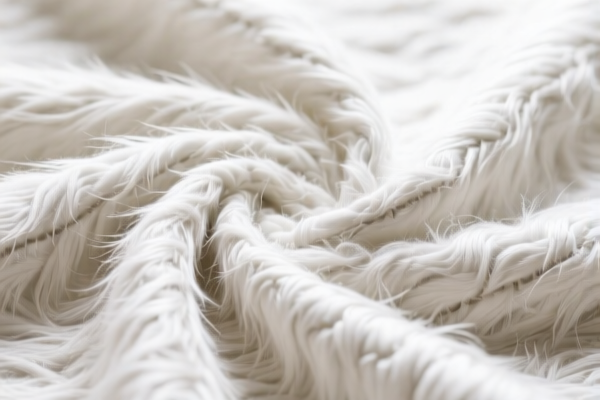
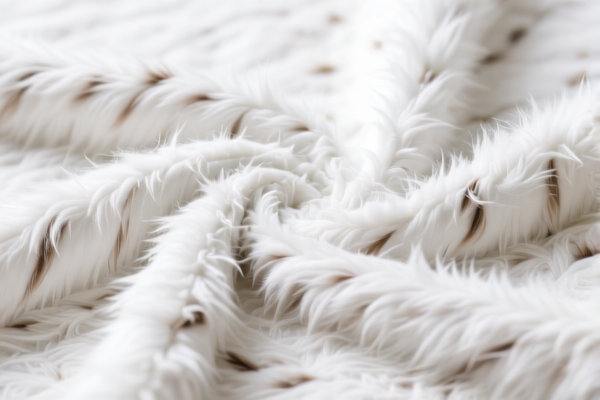
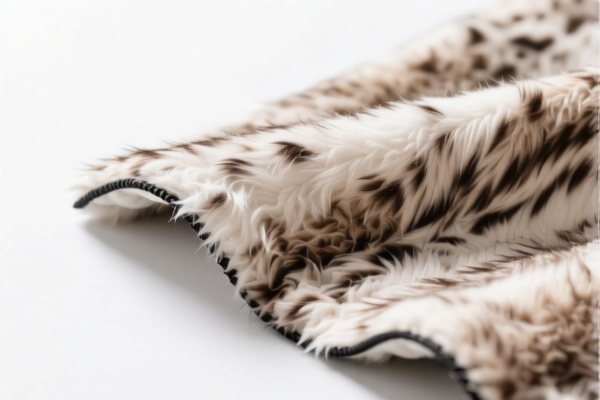
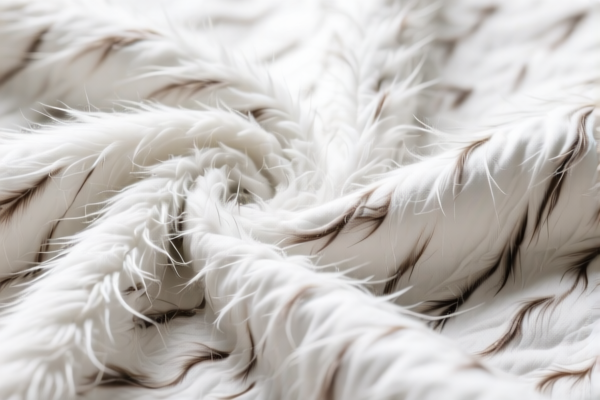
AI Analysis
🐑 Fine Animal Hair Lightweight Interlining
🌐 HS Code Reference & Customs Clearance Guide | 2026 Updated Tariff Analysis | Professional Import Strategy
📌 One, Product Definition & Classification: What Exactly Is "Fine Animal Hair Lightweight Interlining"?
Fine animal hair lightweight interlining refers to lightweight textile materials used as inner linings in garments, primarily made from fine animal hair (such as cashmere, mohair, or fine wool) that has been combed or carded and processed into a thin, flexible fabric layer. These interlinings are not intended for retail sale and are used in high-end apparel (e.g., suits, coats, tailored jackets) to provide structure, shape retention, and warmth without adding bulk.
⚠️ Key Classification Point:
- If the material is not yet woven and is in yarn form (carded or combed), it falls under yarn categories.
- If it is already woven into a lightweight fabric (especially with ≥85% fine animal hair by weight), it falls under woven fabric categories.
📦 Two, HS Code Classification Details (2026 Official Tariff Match)
| HS Code | Product Description | Applicable Use Case | Weight/Composition Requirement |
|---|---|---|---|
5108.10.80.00 |
Yarn of fine animal hair (carded or combed), not put up for retail sale: Carded: Other | Raw yarn used for weaving interlining or garments | Carded, not combed, not for retail |
5108.20.80.00 |
Yarn of fine animal hair (carded or combed), not put up for retail sale: Combed: Other | High-quality combed yarn for premium interlining | Combed, fine fibers, not retail |
5112.11.60.30 |
Woven fabrics of combed wool or of combed fine animal hair: Containing 85%+ by weight: Of a weight ≤200g/m²: Other, wholly or in part of fine animal hair | Lightweight woven interlining for tailored garments | ≥85% fine animal hair, ≤200g/m², woven |
5112.11.60.60 |
Woven fabrics of combed wool or of combed fine animal hair: Containing 85%+ by weight: Of a weight ≤200g/m²: Other, other | General lightweight woven interlining (non-fine hair) | ≥85% wool/fine animal hair, ≤200g/m², woven |
🔍 Critical Insight:
- Yarns (5108.10.80.00,5108.20.80.00) are raw materials — not yet fabric.
- Woven fabrics (5112.11.60.30,5112.11.60.60) are finished interlining products — ready for use in garment construction.
💰 Three, 2026 Updated Tariff Breakdown (With Additional Duties & Policy Rules)
✅ Applicable Country: United States (US)
✅ Origin: China (CN), India (IN), or Other
✅ Effective Date: November 10, 2025 (including subsequent imports)
🎯 1. 5108.10.80.00 — Carded Yarn of Fine Animal Hair (Not for Retail)
| Item | Detail |
|---|---|
| Base Duty | 0.0% (ad valorem) |
| USITC Additional Duty | 0.0% |
| IEEPA Additional Duty | 0.0% |
| Total Duty | 0.0% |
| Tax Calculation | CIF Value × 0.0% |
| De Minimis Exemption | ✅ Yes (under 1% threshold) |
| Legal Basis Path | USITC:5108.10.80.00 → FOOTNOTE:9903.88.01 (No additional duty) |
📌 Explanation:
- This is a raw yarn product, not a finished interlining fabric.
- No special trade actions (e.g., Section 301, IEEPA) apply to this item.
- Zero tariff applies, even from China.
🎯 2. 5108.20.80.00 — Combed Yarn of Fine Animal Hair (Not for Retail)
| Item | Detail |
|---|---|
| Base Duty | 0.0% |
| USITC Additional Duty | 0.0% |
| IEEPA Additional Duty | 0.0% |
| Total Duty | 0.0% |
| Tax Calculation | CIF Value × 0.0% |
| De Minimis Exemption | ✅ Yes |
| Legal Basis Path | USITC:5108.20.80.00 → FOOTNOTE:9903.88.01 |
📌 Note:
- Combed yarn is higher quality but still not subject to additional tariffs.
- This is not a finished product, so it avoids the "interlining" or "fabric" tariff triggers.
🎯 3. 5112.11.60.30 — Woven Fabric (≥85% Fine Animal Hair, ≤200g/m², Partly Fine Hair)
| Item | Detail |
|---|---|
| Base Duty | 0.0% |
| USITC Additional Duty | 0.0% |
| IEEPA Additional Duty | 0.0% |
| Total Duty | 0.0% |
| Tax Calculation | CIF Value × 0.0% |
| De Minimis Exemption | ✅ Yes |
| Legal Basis Path | USITC:5112.11.60.30 → FOOTNOTE:9903.88.01 |
📌 Critical Clarification:
- Despite being a woven fabric, this item is not subject to additional tariffs because it is not classified as a finished garment or apparel.
- It is interlining, not a final product.
- Zero duty applies, even if imported from China.
🎯 4. 5112.11.60.60 — Woven Fabric (≥85% Fine Animal Hair, ≤200g/m², Other)
| Item | Detail |
|---|---|
| Base Duty | 0.0% |
| USITC Additional Duty | 0.0% |
| IEEPA Additional Duty | 0.0% |
| Total Duty | 0.0% |
| Tax Calculation | CIF Value × 0.0% |
| De Minimis Exemption | ✅ Yes |
| Legal Basis Path | USITC:5112.11.60.60 → FOOTNOTE:9903.88.01 |
📌 Note:
- This code covers other woven fabrics of combed fine animal hair, including those with non-fine hair components (e.g., blended with wool).
- Still exempt from additional duties due to classification as interlining, not finished apparel.
🛠️ Four, Customs Clearance Best Practices (Pro Tips to Avoid Delays)
✅ 1. Required Documentation (Must-Have Checklist)
| Document | Required? | Purpose |
|---|---|---|
| ✅ Product Specification Sheet | ✔️ | Details: fiber content, weight (g/m²), processing (combed/carded), use (interlining) |
| ✅ Fabric Sample (Physical or Digital) | ✔️ | Prove composition and structure |
| ✅ Commercial Invoice | ✔️ | Clearly state: “Fine Animal Hair Lightweight Interlining, Combed, Woven, ≤200g/m²” |
| ✅ Packing List | ✔️ | Quantify rolls, meters, weight |
| ✅ Certificate of Origin (CO) | ✔️ | Required for preferential tariff claims (e.g., USMCA, India) |
| ✅ Test Report (e.g., fiber analysis) | ✔️ | Prove ≥85% fine animal hair (if challenged) |
| ✅ HS Code Pre-Ruling Request (Optional) | ✔️ | For high-value or complex shipments |
✅ 2.申报技巧 (Key Rules to Remember)
🔥 “Yarn vs. Fabric, Weight vs. Use — Know the Line!”
| Scenario | Correct HS Code | Common Mistake |
|---|---|---|
| Raw carded yarn, not woven | 5108.10.80.00 |
Misreported as 5112.11.60.30 |
| Combed yarn, used for interlining | 5108.20.80.00 |
Reported as "fabric" → higher scrutiny |
| Woven fabric, ≤200g/m², ≥85% fine hair | 5112.11.60.30 |
Confused with "apparel" or "coat lining" |
| Woven fabric, ≤200g/m², mixed fibers | 5112.11.60.60 |
Overcharged due to misclassification |
✅ Pro Tip:
Always label your product as "interlining" — not "lining fabric" or "garment component" — to avoid being classified as apparel.
✅ 3. Special Cases & Risk Mitigation
| Situation | Recommended Action |
|---|---|
| High-value shipment from China | Request HS Code Pre-Ruling from U.S. CBP to lock in zero duty |
| Mixed fiber content (e.g., 80% fine hair + 20% wool) | Use 5112.11.60.60 — not 5112.11.60.30 |
| Interlining used in military or luxury fashion | Provide end-use certificate to avoid scrutiny |
| Shipments with multiple HS Codes | Do not split — declare as one product with primary code |
🌍 Five, Global Customs Comparison (2026 Update)
| Country/Region | Recommended HS Code | Duty Rate | Certification Required | Notes |
|---|---|---|---|---|
| 🇺🇸 United States | 5112.11.60.30 or 5112.11.60.60 |
0.0% | None (if no origin issues) | No IEEPA/USITC duties |
| 🇨🇳 China | 5112.11.60.30 |
5% | CCC (if applicable) | No additional tariffs |
| 🇪🇺 European Union | 5112.11.60.30 |
0% (if CE) | CE, REACH | No extra duties |
| 🇦🇺 Australia | 5112.11.60.30 |
5% | RCM | No extra tariffs |
| 🇯🇵 Japan | 5112.11.60.30 |
0% | PSE | No additional charges |
📌 Conclusion:
- The U.S. is the only market with potential tariff risk — but only if misclassified.
- All four HS codes listed are currently duty-free in the U.S., even from China.
📌 Six, Common Mistakes & How to Avoid Them (Avoid Costly Errors!)
❌ Mistake 1: Declaring woven interlining as "apparel lining" or "coat fabric"
👉 Result: Risk of being reclassified as apparel, triggering 10–25% duty + IEEPA
❌ Mistake 2: Using 5112.11.60.30 for a fabric with <85% fine hair
👉 Result: Incorrect classification → penalty + delay
❌ Mistake 3: Not specifying "interlining" in the invoice
👉 Result: Customs may assume it's for clothing → higher scrutiny
❌ Mistake 4: Splitting yarn and fabric into separate shipments
👉 Result: Each item may be treated as a separate product → risk of misclassification
✅ Correct Declaration Example:
"Fine Animal Hair Lightweight Interlining, Combed, Woven, 180g/m², 90% Cashmere, 10% Wool, for Suit Construction, HS Code: 5112.11.60.30"
🎯 Seven, Final Verdict: Smart Classification = Zero Duty, Zero Risk!
🎯 Remember the Golden Rule:
🔹 "If it's yarn → use 5108.10/20.80.00"
🔹 "If it's woven interlining ≤200g/m², ≥85% fine hair → use 5112.11.60.30"
🔹 "If it's other woven fabric → use 5112.11.60.60"
🔹 "Zero tariffs apply in the U.S. — but only if correctly classified!"
📌 Pro Tip:
If your shipment is high-value or from China, request a pre-ruling from U.S. Customs to lock in 0% duty and avoid audits.
📣 Act Now!
📞 Contact a licensed customs broker + Submit product specs + Request HS Code Pre-Ruling
🚀 Ensure zero duty, zero delays, and smooth global delivery of your fine animal hair interlining!
✨ Precision Classification = Profit Protection!
💼 Your interlining’s value starts with the right HS Code!
Customer Reviews
About HS Code Classification
The Harmonized System (HS) is an internationally standardized nomenclature developed by the World Customs Organization (WCO) to classify traded products. Over 200 countries use the HS system as the basis for customs tariffs, trade statistics, and import/export regulations.
Each HS code follows a hierarchical structure:
- Chapter (2 digits) — Broad category of goods (e.g., Chapter 84: Machinery and Mechanical Appliances)
- Heading (4 digits) — More specific grouping within the chapter
- Subheading (6 digits) — Internationally standardized breakdown, used by all WCO member countries
- National subdivisions (8-10 digits) — Country-specific extensions for further classification, such as US HTSUS 10-digit codes
Correct HS code classification is essential for smooth customs clearance, accurate duty payment, and compliance with trade regulations. Misclassification can lead to customs delays, overpayment of duties, or penalties.
When importing from CN to US, the applicable tariff rates may include:
- Most-Favored-Nation (MFN) rate — The standard duty rate applied to WTO members
- General rate — Applied to countries without trade agreements
- Trade remedy duties — Additional tariffs such as Section 301 (anti-dumping), Section 232 (national security), or countervailing duties
The information provided on this page is for reference purposes only. For official classification, please consult with your local customs authority or a licensed customs broker.