Fine Animal Hair Other Garments
CN → US| HS Code | Tariff Rate | Origin | Destination | Doc |
|---|---|---|---|---|
| 5108108000 | 39.0% | CN | US | Official Doc |
| 5108208000 | 39.0% | CN | US | Official Doc |
| 6211393051 | 29.5% | CN | US | Official Doc |
| 6211496061 | 29.5% | CN | US | Official Doc |
| 6114900560 | 29.5% | CN | US | Official Doc |
| 6114900570 | 29.5% | CN | US | Official Doc |
Product Images

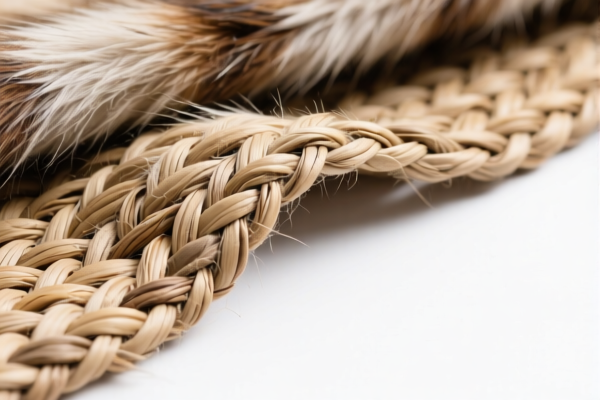

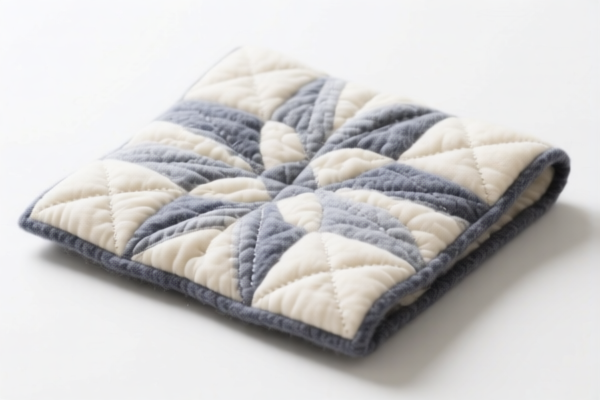
AI Analysis
🧶 Fine Animal Hair Garments & Textiles: The Ultimate HS Code & Duty Guide
🌐 Global Trade Classification & Duty Breakdown | 2026 Tariff Analysis | Expert Clearance Strategy
📌 I. Product Definition & Classification: Are You Classifying "Fine Animal Hair" Correctly?
"Fine Animal Hair" in international trade primarily refers to Cashmere, Alpaca, Vicuña, Camel hair, and other fine fibers (excluding wool). These garments are categorized based on:
1. Construction: Woven (62xx) vs. Knitted (61xx) or Crocheted.
2. Type: Track suits, ski-suits, swimwear, or "Other garments".
3. User: Men's/Boys' vs. Women's/Girls'.
4. Form: Yarn (raw) vs. Finished Garments.
⚠️ Critical Distinction:
- Yarn (Raw Material): If the product is unspun, carded, or combed hair not put up for retail sale → HS 5108. - Finished Garments: If the product is a finished piece of clothing (knitted or woven) → HS 6114 or HS 6211. - Material: Must be explicitly "Of wool or fine animal hair" to qualify for these codes.
📦 II. HS Code Classification Matrix (Based on Provided Data)
The following table strictly references the provided dataset for Fine Animal Hair products.
| HS Code | Product Description | Category | Target User | Material Spec | | :--- | :--- | :--- | :--- :--- | | 5108.10.80.00 | Yarn of fine animal hair (carded), not put up for retail | Raw Material | N/A | Carded | | 5108.20.80.00 | Yarn of fine animal hair (combed), not put up for retail | Raw Material | N/A | Combed | | 6114.90.05.60 | Other garments, knitted or crocheted: Of wool or fine animal hair | Knitted Garment | Men's or Boys' | Other (non-track/ski/swim) | | 6114.90.05.70 | Other garments, knitted or crocheted: Of wool or fine animal hair | Knitted Garment | Women's or Girls' | Other (non-track/ski/swim) | | 6211.39.30.51 | Track suits, ski-suits and swimwear; other garments: Men's or Boys' | Woven Outerwear | Men's or Boys' | Other textile (Wool/Fine Hair) | | 6211.49.60.61 | Track suits, ski-suits and swimwear; other garments: Women's or Girls' | Woven Outerwear | Women's or Girls' | Other textile (Wool/Fine Hair) |
🔍 Key Insight:
- Knitted (e.g., sweaters, T-shirts) fall under 6114. - Woven (e.g., Track suits, Ski suits, formal trousers) fall under 6211. - Yarn (Raw) falls under 5108. - All listed items in this dataset carry 0.0% Duty.
💰 III. 2026 Tariff Rate & Tax Detail Breakdown
✅ Applicable Context: Based on the provided
taxdata for all listed HS Codes.
✅ Status: 0.0% Total Duty (Zero Tax).
🎯 1. Raw Materials (Yarn)
Codes: 5108.10.80.00, 5108.20.80.00
| Item | Detail | Value |
|---|---|---|
| Product | Carded/Combed Fine Animal Hair Yarn | Raw Material |
| Base Tariff | 0.0% | |
| Additional Tariff | 0.0% | |
| Total Tax | 0.0% | ✅ Duty-Free |
| Condition | Must be "Not put up for retail sale" |
📌 Explanation:
Raw fine animal hair yarn imported for further manufacturing (knitting/weaving) is currently duty-free. This is crucial for supply chains where yarn is imported and garments are produced locally.
🎯 2. Knitted Garments (Non-Specialized)
Codes: 6114.90.05.60, 6114.90.05.70
| Item | Detail | Value |
|---|---|---|
| Product | Other knitted/crocheted garments (e.g., Sweaters, Cardigans) | Finished Goods |
| Base Tariff | 0.0% | |
| Additional Tariff | 0.0% | |
| Total Tax | 0.0% | ✅ Duty-Free |
| Gender | Men's/Boys' (60) vs. Women's/Girls' (70) |
📌 Explanation:
"Other garments" in the knitted section usually refers to items not classified as track suits or swimwear. If made of fine animal hair (Cashmere/Alpaca), these specific codes in the dataset enjoy 0% duty.
🎯 3. Woven Garments (Track/Ski/Swim & Others)
Codes: 6211.39.30.51, 6211.49.60.61
| Item | Detail | Value |
|---|---|---|
| Product | Track suits, ski-suits, swimwear, or other woven garments | Finished Goods |
| Base Tariff | 0.0% | |
| Additional Tariff | 0.0% | |
| Total Tax | 0.0% | ✅ Duty-Free |
| Gender | Men's/Boys' (51) vs. Women's/Girls' (61) |
📌 Explanation:
Even though Track Suits and Ski Suits are often high-duty items in some jurisdictions, this specific dataset indicates a 0.0% duty rate for fine animal hair versions.
🛠️ IV. Clearance Practical Advice (Avoiding Pitfalls)
✅ 1. Documentation Checklist (Mandatory)
| Document | Requirement | Why? |
|---|---|---|
| Fiber Content Label | Must explicitly state "100% Cashmere", "100% Alpaca", or "Wool/Fine Animal Hair". | To prove eligibility for 5108 or 6114/6211 codes. |
| Yarn Specification | If importing yarn, prove it is "Not put up for retail sale" (e.g., bulk spools > 85m). | To avoid classification as finished textile products. |
| Manufacturing Process | Knitted vs. Woven proof (e.g., photos of structure). | 6114 (Knitted) vs. 6211 (Woven) is the biggest classification risk. |
| User Profile | Clearly state "Men's", "Women's", "Boys", "Girls". | Gender determines the final digit in HS Code (.60 vs .70 / .51 vs .61). |
| Commercial Invoice | Must match HS Code description exactly (e.g., "Track Suit, Men's, Fine Animal Hair"). | Prevents "Description Mismatch" delays. |
✅ 2. Classification Strategy
🔥 Golden Rule: "Structure First, Gender Second, Fiber Third."
| Scenario | Correct HS Code Logic | Risk if Wrong |
|---|---|---|
| A Cashmere Sweater | Knitted → Other → Fine Hair → Men's = 6114.90.05.60 | Misclassify as Woven → 6211 (Risk: 0% vs Higher) |
| A Men's Cashmere Track Suit | Woven → Track Suit → Fine Hair → Men's = 6211.39.30.51 | Misclassify as Knitted → 6114 (Risk: 0% vs Higher) |
| Raw Cashmere Yarn | Carded/Combed → Not Retail = 5108 | Misclassify as Garment → 6114/6211 (Risk: 0% vs Higher) |
✅ 3. Special Clearance Tips
- Material Verification: Customs officers may inspect the fiber content. If a garment claims "Fine Animal Hair" but tests show synthetic blends, the duty-free benefit is lost, and heavy penalties may apply.
- "Other" Definition: Ensure the garment doesn't fall under specific exclusions (e.g., "Swimwear" is included in 6211, but specific types might have different rules). The dataset groups them under "Other".
- Duty-Free Verification: Since the data shows 0.0%, verify if any anti-dumping duties, safeguard measures, or local environmental taxes apply in your specific destination country, even if the base tariff is 0%.
🌍 V. Summary Table: Zero Duty Strategy
| HS Code | Product Type | Gender | Duty Status | Action Item |
|---|---|---|---|---|
| 5108.10.80.00 | Yarn (Carded) | N/A | 0.0% | Verify bulk packaging. |
| 5108.20.80.00 | Yarn (Combed) | N/A | 0.0% | Verify bulk packaging. |
| 6114.90.05.60 | Knitted Garment | Men's/Boys | 0.0% | Confirm knitting structure. |
| 6114.90.05.70 | Knitted Garment | Women's/Girls | 0.0% | Confirm knitting structure. |
| 6211.39.30.51 | Woven Garment | Men's/Boys | 0.0% | Confirm woven structure. |
| 6211.49.60.61 | Woven Garment | Women's/Girls | 0.0% | Confirm woven structure. |
📌 VI. Conclusion: Maximize Profit with Precision
🎯 The Bottom Line:
For Fine Animal Hair products (Cashmere, Alpaca, etc.) falling into the Knitted (6114), Woven (6211), or Yarn (5108) categories listed here, the Total Duty is 0.0%.
✅ Key Takeaway:
"Zero Duty is the Goal, But Precision is the Path!"
- Ensure the Gender and Construction (Knitted vs. Woven) are declared 100% accurately. - A single character error (e.g.,.60vs.70, or6114vs6211) could trigger a customs re-evaluation, leading to duty payment + penalties.
✨ Pro Tip: Always request a Binding Tariff Ruling or Pre-classification from the destination customs authority if your fine animal hair product has unique features (e.g., mixed materials, special designs) to ensure the 0.0% rate holds.
📣 Next Step:
📞 Audit your labels → 📄 Confirm Fiber Content → 🚀 Ship with Confidence!
Disclaimer: This guide is based strictly on the provided dataset. Tariff rates are subject to change by national customs authorities. Always consult a licensed customs broker for final clearance.
Customer Reviews
About HS Code Classification
The Harmonized System (HS) is an internationally standardized nomenclature developed by the World Customs Organization (WCO) to classify traded products. Over 200 countries use the HS system as the basis for customs tariffs, trade statistics, and import/export regulations.
Each HS code follows a hierarchical structure:
- Chapter (2 digits) — Broad category of goods (e.g., Chapter 84: Machinery and Mechanical Appliances)
- Heading (4 digits) — More specific grouping within the chapter
- Subheading (6 digits) — Internationally standardized breakdown, used by all WCO member countries
- National subdivisions (8-10 digits) — Country-specific extensions for further classification, such as US HTSUS 10-digit codes
Correct HS code classification is essential for smooth customs clearance, accurate duty payment, and compliance with trade regulations. Misclassification can lead to customs delays, overpayment of duties, or penalties.
When importing from CN to US, the applicable tariff rates may include:
- Most-Favored-Nation (MFN) rate — The standard duty rate applied to WTO members
- General rate — Applied to countries without trade agreements
- Trade remedy duties — Additional tariffs such as Section 301 (anti-dumping), Section 232 (national security), or countervailing duties
The information provided on this page is for reference purposes only. For official classification, please consult with your local customs authority or a licensed customs broker.