Fine Animal Hair Sofa Cushions
CN → US| HS Code | Tariff Rate | Origin | Destination | Doc |
|---|---|---|---|---|
| 5705002015 | 38.3% | CN | US | Official Doc |
| 6301200010 | 17.5% | CN | US | Official Doc |
| 5705002005 | 38.3% | CN | US | Official Doc |
| 5111196040 | 60.0% | CN | US | Official Doc |
| 5111196020 | 60.0% | CN | US | Official Doc |
Product Images
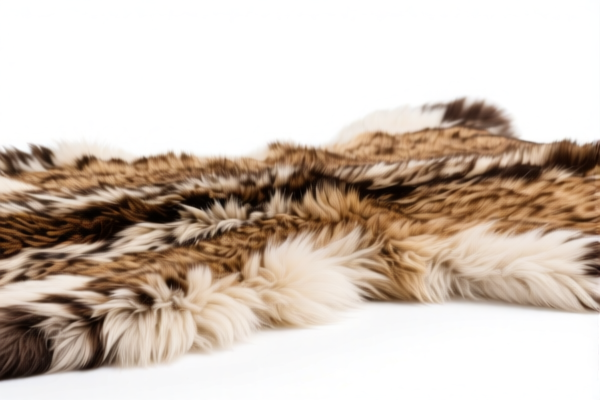
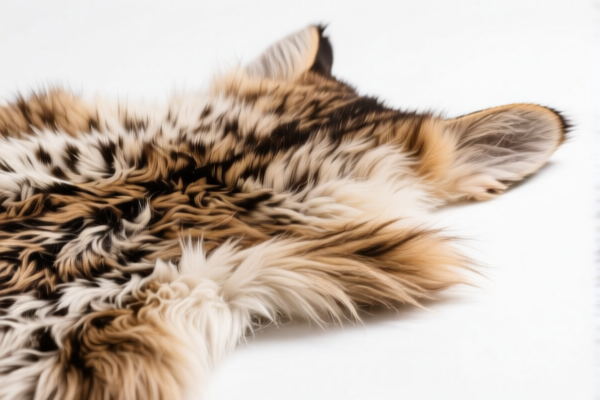
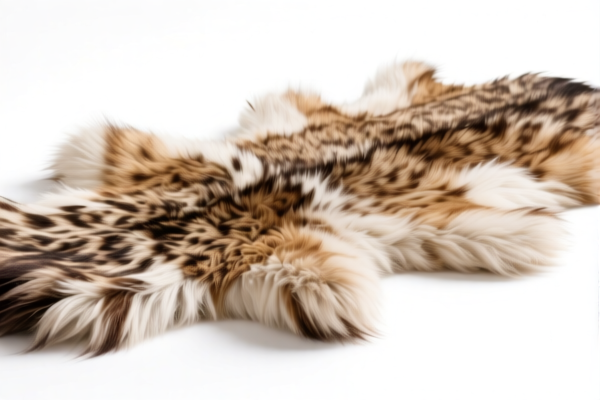
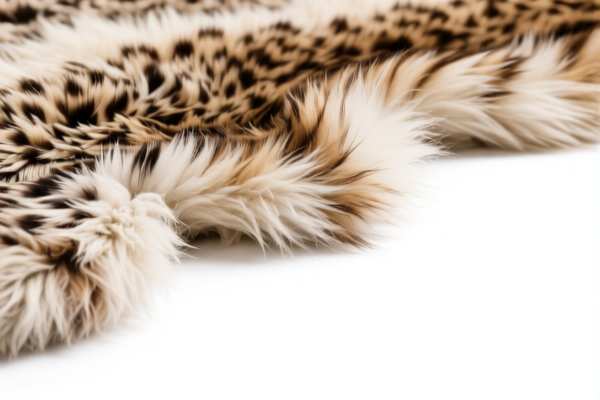
AI Analysis
🛋️ Fine Animal Hair Sofa Cushions (Textile Floor Coverings & Upholstery)
🌐 HS Code Reference & Customs Clearance Guide | 2026 Latest Tariff Analysis | Professional Clearance Strategy
📌 One, Product Definition & Classification: Do You Really Know "Fine Animal Hair Sofa Cushions"?
Sofa cushions made from fine animal hair (such as wool, cashmere, or mohair) fall into a complex intersection of textile and furniture classifications. In international trade, they are typically classified not as "furniture" (Chapter 94) but as Textile Floor Coverings or Textile Articles (Chapter 57 or 63), depending on their specific structure and usage.
Key Distinctions: * Carpets & Rugs (Chapter 57): If the cushion is structured as a padded textile floor covering or has the characteristics of a rug/carpet underlay. * Blankets & Bed Linens (Chapter 63): If the product is primarily used as a blanket, throw, or bedding item rather than a rigid floor covering. * Woven Fabrics (Chapter 51): If the product is merely a woven fabric of animal hair, not yet finished as a cushion or carpet.
⚠️ Critical Classification Point:
- If it is a padded carpet/cushion for floors → Likely 5705.00
- If it is a blanket/throw → Likely 6301.20
- If it is a woven fabric roll → Likely 5111.19
📦 Two, HS Code Classification Details (Based on Provided Data)
| HS Code | Product Description | Application/Usage | Material Type |
|---|---|---|---|
5705.00.20.15 |
Animal hair carpet cushion, made of animal hair, for carpets and textile floor coverings. | Carpets & Textile Floor Coverings | Animal Hair |
6301.20.00.10 |
Animal hair carpet cushion, made of wool or fine animal hair, for blankets. | Blankets/Throws | Wool/Fine Animal Hair |
5705.00.20.05 |
Animal hair carpet cushion, made of animal hair, for carpets and textile floor coverings. | Carpets & Textile Floor Coverings | Animal Hair |
5111.19.60.40 |
Animal hair carpet cushion, made of fine animal hair, in fabric form. | Fabric/Woven Textile | Fine Animal Hair |
5111.19.60.20 |
Animal hair carpet cushion, made of animal hair, in cushion form (textile). | Textile Cushions/Fabrics | Animal Hair |
🔍 Key Insight:
- 5705.00.20.xx codes are used when the item is explicitly defined as a carpet cushion for floor coverings. - 6301.20.00.10 is used when the item is classified as a blanket or textile bed linen. - 5111.19.60.xx codes apply if the item is classified primarily as a woven fabric or textile product rather than a finished carpet/cushion.
💰 Three, 2026 Latest Tariff Rate Details (Including Additional Duties)
✅ Applicable Country: United States (US)
✅ Origin: China (CN) (Inferred from "122 Clause" and "Section 301" context in data)
✅ Effective Date: 2025/2026 (Current Trade Environment)
🎯 1. 5705.00.20.15 & 5705.00.20.05 —— Animal Hair Carpet Cushion (Floor Covering Type)
| Item | Content |
|---|---|
| Base Duty Rate | 3.3% (ad valorem) |
| Section 301 Additional Duty | +25.0% |
| IEEPA Additional Duty (Clause 122) | +10.0% |
| Total Tariff Rate | 38.3% |
| Tax Calculation | CIF Value × 38.3% |
| De Minimis Exemption | ❌ Not Eligible (Deny de minimis) |
| Legal Basis | USITC Tariff Schedule + Section 301 Footnotes + IEEPA Provisions |
📌 Explanation:
- These codes attract the highest combined tariff (38.3%) among the options because they are classified as "carpet cushions" and are subject to both Section 301 and IEEPA additional duties. - Warning: If your product is mistakenly declared as a "cushion for furniture" (Chapter 94) or "blanket" (Chapter 63) when it is actually a carpet underlay, you may face penalties.
🎯 2. 6301.20.00.10 —— Animal Hair Carpet Cushion (Blanket Type)
| Item | Content |
|---|---|
| Base Duty Rate | 0.0% (ad valorem) |
| Section 301 Additional Duty | +7.5% |
| IEEPA Additional Duty (Clause 122) | +10.0% |
| Total Tariff Rate | 17.5% |
| Tax Calculation | CIF Value × 17.5% |
| De Minimis Exemption | ❌ Not Eligible |
| Legal Basis | USITC Tariff Schedule + Section 301 Footnotes + IEEPA Provisions |
📌 Advantage:
- This code has a significantly lower total tax (17.5%) compared to the 5705 series. - Strategy: If the product can be legitimately classified as a "blanket" or "textile article for bedding/throws" rather than a "carpet cushion," this classification saves 20.8% in duties. - Condition: Must be marketed and used as a blanket/throw, not a rigid floor covering.
🎯 3. 5111.19.60.40 & 5111.19.60.20 —— Fine Animal Hair Fabric/Cushion (Textile Form)
| Item | Content |
|---|---|
| Base Duty Rate | 25.0% (ad valorem) |
| Section 301 Additional Duty | +25.0% |
| IEEPA Additional Duty (Clause 122) | +10.0% |
| Total Tariff Rate | 60.0% |
| Tax Calculation | CIF Value × 60.0% |
| De Minimis Exemption | ❌ Not Eligible |
| Legal Basis | USITC Tariff Schedule + Section 301 Footnotes + IEEPA Provisions |
📌 Warning:
- This is the highest tariff category (60.0%). - This applies if the product is classified as a woven fabric or generic textile cushion rather than a specific carpet or blanket. - Avoid this classification if possible, as it drastically increases costs.
🛠️ Four, Customs Clearance Practical Advice (Actionable Tips)
✅ 1. Preparation Checklist (Must-Have Documents)
| Document | Required? | Notes |
|---|---|---|
| ✅ Product Specification Sheet | ✔️ | Must specify material: "100% Wool" or "Fine Animal Hair" |
| ✅ Product Photos | ✔️ | Show texture, padding, and usage (e.g., on a floor vs. on a sofa) |
| ✅ Commercial Invoice | ✔️ | Clearly state "Animal Hair Textile Floor Covering" or "Wool Blanket" |
| ✅ Packing List | ✔️ | Include weight, dimensions, and quantity |
| ✅ Origin Certificate | ✔️ | If applicable for other markets, but less critical for US (due to high tariffs) |
✅ 2. Classification Strategy (Key Decision Points)
| Scenario | Recommended HS Code | Reason |
|---|---|---|
| Product is a rigid carpet underlay or floor cushion | 5705.00.20.15 / 5705.00.20.05 |
Matches "Carpet & Textile Floor Covering" definition |
| Product is a soft blanket/throw for sofas | 6301.20.00.10 |
Lowest tax rate (17.5%); legitimate if used as bedding/throw |
| Product is a woven fabric roll or generic textile | 5111.19.60.40 |
Avoid unless it is actually a fabric, not a finished cushion |
🔥 Pro Tip:
- If your "Sofa Cushion" is soft and flexible, consider declaring it as a "Wool Blanket/Throw" under6301.20.00.10to save 20.8% in duties. - If it is thick, padded, and used for floors, it must be declared under5705.00.20.xx(38.3%). - Do not declare it as5111.19.60.xxunless it is an unfinished textile product.
✅ 3. Special Considerations
| Situation | Advice |
|---|---|
| Material Composition | Ensure invoice specifies "Fine Animal Hair" (e.g., Cashmere, Mohair) to match HS Code descriptions. |
| Usage Description | Use "Blanket" or "Throw" in product description if aiming for 6301.20.00.10. |
| Anti-Dumping/Countervailing Duties | Check for any specific anti-dumping measures on wool products from China. |
| Customs Broker Coordination | Provide physical samples to your customs broker for pre-classification advice. |
🌍 Five, Global Market Comparison (2026)
| Country/Region | Recommended HS Code | Estimated Total Tax | Notes |
|---|---|---|---|
| 🇺🇸 USA | 6301.20.00.10 (if blanket) |
17.5% | Best option for soft cushions |
| 🇺🇸 USA | 5705.00.20.15 (if carpet) |
38.3% | High tax for floor coverings |
| 🇪🇺 EU | 5705 / 6301 | 0% - 12% | No Section 301/IEEPA duties |
| 🇨🇳 China | 5705 / 6301 | 5% - 15% | Lower import duties |
📌 Conclusion:
- The US market has the highest tariffs due to Section 301 and IEEPA. - Classification is critical: A small change in product description (Blanket vs. Carpet) can save 20.8% in duties.
📌 Six, Common Mistakes & Pitfalls
❌ Mistake 1: Declaring a "Carpet Cushion" as "Furniture Part"
👉 Consequence: Incorrect classification → Potential penalties or higher taxes.
❌ Mistake 2: Mislabeling a "Blanket" as a "Carpet"
👉 Consequence: Unnecessary payment of 38.3% instead of 17.5%.
❌ Mistake 3: Ignoring "Fine Animal Hair" specifics
👉 Consequence: Customs may reclassify to a higher general rate.
✅ Correct Practice:
"Wool Throw Blanket, 100% Fine Animal Hair, 50x60 inches, For Sofa/Bed Use" → HS 6301.20.00.10 (17.5%)
🎯 Seven, Conclusion: Smart Classification for Cost Efficiency
🎯 Remember:
🔹 "Soft Blanket, 17.5% Tax. Carpet Cushion, 38.3% Tax. Fabric Roll, 60.0% Tax."
🔹 "Classify correctly, save thousands!"
📌 Tips:
- If your product is soft and flexible, aim for HS 6301.20.00.10.
- If it is rigid and floor-based, expect HS 5705.00.20.xx.
- Consult a customs broker before shipment to confirm the best classification.
📣 Immediate Action:
📞 Contact your customs broker + Provide product photos + Request pre-classification advice.
🚀 Optimize your classification, reduce tariffs, and boost profits!
✨ Professional clearance starts with accurate classification!
💼 Every percentage point matters in international trade.
Customer Reviews
About HS Code Classification
The Harmonized System (HS) is an internationally standardized nomenclature developed by the World Customs Organization (WCO) to classify traded products. Over 200 countries use the HS system as the basis for customs tariffs, trade statistics, and import/export regulations.
Each HS code follows a hierarchical structure:
- Chapter (2 digits) — Broad category of goods (e.g., Chapter 84: Machinery and Mechanical Appliances)
- Heading (4 digits) — More specific grouping within the chapter
- Subheading (6 digits) — Internationally standardized breakdown, used by all WCO member countries
- National subdivisions (8-10 digits) — Country-specific extensions for further classification, such as US HTSUS 10-digit codes
Correct HS code classification is essential for smooth customs clearance, accurate duty payment, and compliance with trade regulations. Misclassification can lead to customs delays, overpayment of duties, or penalties.
When importing from CN to US, the applicable tariff rates may include:
- Most-Favored-Nation (MFN) rate — The standard duty rate applied to WTO members
- General rate — Applied to countries without trade agreements
- Trade remedy duties — Additional tariffs such as Section 301 (anti-dumping), Section 232 (national security), or countervailing duties
The information provided on this page is for reference purposes only. For official classification, please consult with your local customs authority or a licensed customs broker.