Fine Animal Hair Tablecloth
CN → US| HS Code | Tariff Rate | Origin | Destination | Doc |
|---|---|---|---|---|
| 5111191000 | 42.0% | CN | US | Official Doc |
| 5111112000 | 42.0% | CN | US | Official Doc |
| 6302593020 | 26.3% | CN | US | Official Doc |
| 6307909891 | 24.5% | CN | US | Official Doc |
| 6307909875 | 24.5% | CN | US | Official Doc |
Product Images
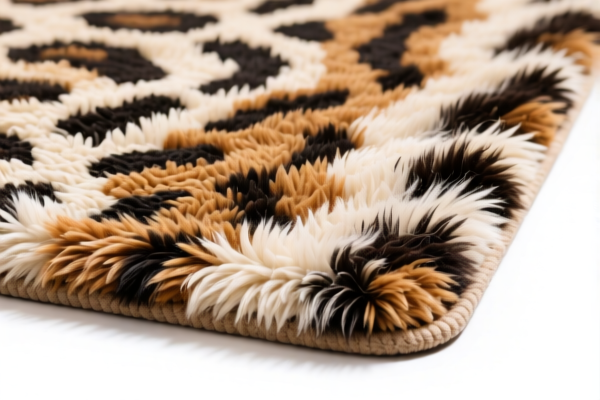
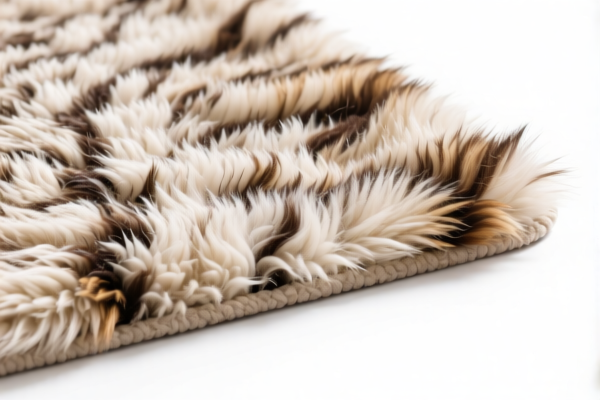
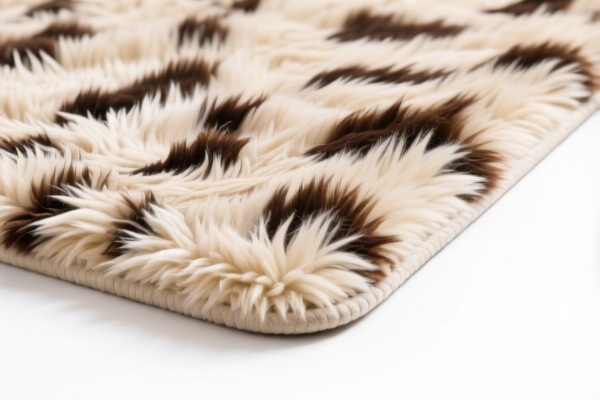
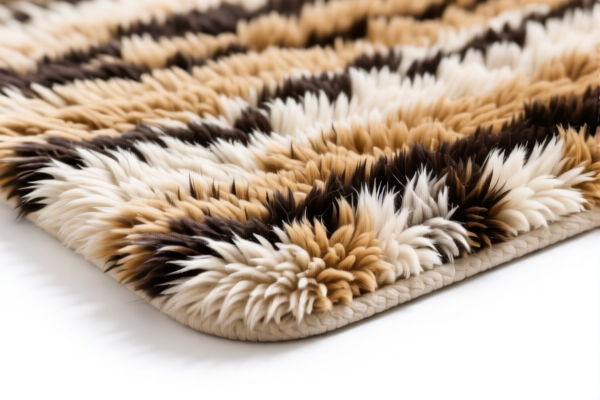
AI Analysis
🏺 Fine Animal Hair Tablecloth (Woolen Tablecloths)
🌐 HS Code Reference & Customs Clearance Guide | 2026 Latest Tariff Analysis | Strategic Clearance Strategy
📌 I. Product Definition & Classification: What Exactly Is "Fine Animal Hair Tablecloth"?
A "Fine Animal Hair Tablecloth" primarily refers to tablecloths made from wool (sheep hair). In international trade, the classification depends heavily on the form of the product:
- Woven Fabric (Raw Material/Intermediate Good): If the product is shipped as rolls of woven woolen fabric intended for further processing into tablecloths.
- Finished Article: If the product is already cut, sewn, and finished as a tablecloth ready for use.
⚠️ Key Distinction:
- If it is unfinished fabric → Classified under Chapter 51 (Wool Flock & Woven Fabrics);
- If it is a finished tablecloth → Classified under Chapter 63 (Other Made-up Textile Articles).
- Misclassification Risk: Shipping a finished tablecloth as "fabric" (Chapter 51) can lead to severe penalties due to tariff differences and regulatory non-compliance.
📦 II. HS Code Classification Details (2026 Latest Tariff Authority Comparison)
| HS Code | Product Description | Application Scenario | Key Classification Criteria | Total Tax Rate |
|---|---|---|---|---|
5111.19.10.00 |
Woolen Woven Fabric & Decorative Fabric | Decorative Fabric Rolls: Unfinished woolen fabric intended for making decorative items like tablecloths. | ✅ Classified as "Woven Fabrics" or Decorative Fabric. Describes the material attribute. | 42.0% |
5111.11.20.00 |
Combed Wool Woven Fabric | Fabric Rolls: Combed woolen fabric (tablecloth material) in roll form. | ✅ Classified as "Woven Fabrics". Matches the material attribute of combed wool. | 42.0% |
6302.59.30.20 |
Tablecloths of Textile Materials | Finished Tablecloths: Wool tablecloths specifically classified as "tablecloths" under textile articles. | ✅ Specific Use: Directly matches "Tablecloths of textile materials." | 26.3% |
6307.90.98.91 |
Other Made-up Textile Articles | Finished Tablecloths: Wool tablecloths classified as "Other Made-up Articles" if not specifically listed under tablecloths. | ✅ Classified as "Finished Articles". Generic category for textile goods. | 24.5% |
6307.90.98.75 |
Other Face Coverings/Textile Articles | Finished Tablecloths: Wool tablecloths classified under other textile made-up articles. | ✅ Classified as "Finished Articles". Alternative generic category for textile goods. | 24.5% |
🔍 Key Reminder:
- Finished Tablecloths (cut, sewn, hemmed) should generally be classified under Chapter 63 (HS Codes6302or6307), NOT Chapter 51.
- Chapter 51 (HS Codes5111) applies ONLY if the item is shipped as unsewn fabric rolls.
- Tariff Implication: Classification under6302or6307often results in a lower total tariff (24.5%–26.3%) compared to Chapter 51 (42.0%). Correct classification is critical to save costs.
💰 III. 2026 Latest Tariff Rate Breakdown (Including Surcharges & Policy Add-ons)
✅ Applicable Country: United States (US)
✅ Origin: China (CN)
✅ Effective Date: November 10, 2025 (and subsequent imports)
🎯 1. 5111.19.10.00 & 5111.11.20.00 —— Woolen Woven Fabric (Chapter 51)
| Item | Content |
|---|---|
| Base Tariff | 7.0% |
| Section 301 Surcharge | 25.0% (USITC Footnote 9903.88.01) |
| IEEPA Surcharge | 10.0% (针对中国/香港产品,自2025年11月10日起) |
| Total Tax Rate | 42.0% |
| Tax Calculation | CIF Value × 42.0% |
| De Minimis Exemption | ❌ Not Applicable (deny_de_minimis) |
| Legal Basis Path | IEEPA:9903.01.25 → IEEPA:9903.01.24 → USITC:5111.19.10.00 → FOOTNOTE:9903.88.01 |
📌 Explanation:
- "Section 301 Surcharge 25%": From the U.S. Trade Act Section 301;
- "IEEPA 10%": Additional tariff under the International Emergency Economic Powers Act;
- Total 42%: High tariff rate. Applies only if incorrectly classified as fabric instead of finished goods.
🎯 2. 6302.59.30.20 —— Tablecloths of Textile Materials (Chapter 63)
| Item | Content |
|---|---|
| Base Tariff | 8.8% |
| Section 301 Surcharge | 7.5% |
| IEEPA Surcharge | 10.0% |
| Total Tax Rate | 26.3% |
| Tax Calculation | CIF Value × 26.3% |
| De Minimis Exemption | ❌ Not Applicable |
| Legal Basis Path | IEEPA:9903.01.25 → IEEPA:9903.01.24 → USITC:6302.59.30.20 |
📌 Note:
- Lower than Chapter 51: Correct classification as "tablecloth" reduces the Section 301 surcharge from 25% to 7.5%.
- Savings: Potential savings of 15.7% on the total tariff burden compared to fabric classification.
🎯 3. 6307.90.98.91 & 6307.90.98.75 —— Other Made-up Textile Articles (Chapter 63)
| Item | Content |
|---|---|
| Base Tariff | 7.0% |
| Section 301 Surcharge | 7.5% |
| IEEPA Surcharge | 10.0% |
| Total Tax Rate | 24.5% |
| Tax Calculation | CIF Value × 24.5% |
| De Minimis Exemption | ❌ Not Applicable |
| Legal Basis Path | IEEPA:9903.01.25 → IEEPA:9903.01.24 → USITC:6307.90.98.91 |
📌 Note:
- Lowest Tariff Option: If the tablecloth is not specifically listed under6302(Tablecloths), it may fall under6307(Other Made-up Articles).
- Savings: Further reduction to 24.5% total tax rate.
- Caution: Must prove the item is not primarily a "tablecloth" under6302to use this code. Consult customs broker.
🛠️ IV. Customs Clearance Practical Advice (Expert Pitfall Avoidance Guide)
✅ 1. Required Documentation Checklist (No Exceptions)
| Document | Mandatory | Explanation |
|---|---|---|
| ✅ Product Specification Sheet | ✔️ | Must specify: Material (100% Wool), Form (Finished Tablecloth or Fabric Roll), Dimensions. |
| ✅ Product Photos | ✔️ | Clear images showing finished seams/hems (for Chapter 63) or rolls/fabric texture (for Chapter 51). |
| ✅ Commercial Invoice | ✔️ | Accurately describe as "Woolen Tablecloth (Finished)" or "Woolen Woven Fabric". Do not use vague terms. |
| ✅ Packing List | ✔️ | Detail number of pieces, weight, and packaging type. |
| ✅ Certificate of Origin (CO) | ✔️ | If not from China, may qualify for reduced tariffs. |
| ✅ Third-Party Test Report | ✔️ | Fiber content analysis (Wool %) to support classification. |
✅ 2. Declaration Tips (Key Mantras)
🔥 "Finished Goods Go to Ch63, Fabric Goes to Ch51. Correct Code Saves 15%+!"
| Scenario | Correct Declaration | Incorrect Action |
|---|---|---|
| Finished Tablecloth (Cut, Sewn, Hemmed) | 6302.59.30.20 or 6307.90.98.91 |
Misdeclare as "Fabric" → 5111 (42% Tax) |
| Fabric Rolls (Unsewn) | 5111.19.10.00 or 5111.11.20.00 |
Misdeclare as "Tablecloth" → Risk of rejection for mismatch |
| Mixed Shipment (Fabric + Finished) | Split Declaration: Separate HS Codes for each | Combined declaration → Customs may penalize or split manually |
✅ 3. Special Case Handling
| Scenario | Handling Advice |
|---|---|
| OEM Custom Tablecloths | Provide customer design + finished product photos. Ensure description matches "Finished Article." |
| Wool Blend (e.g., Wool + Cotton) | If wool is <50%, may fall under Chapter 52 or 55. Verify fiber content before classifying. |
| Small Samples (Under $800) | ❌ De Minimis Exemption NOT Available due to Section 301 & IEEPA surcharges. Full tax applies. |
| High-End Decorative Tablecloths | If heavily embroidered or made with luxury wool, ensure description highlights "Finished" status to avoid Chapter 51. |
🌍 V. Global Market Clearance Comparison (2026 Latest)
| Country/Region | Recommended HS Code | Tariff | Certification Requirements | Notes |
|---|---|---|---|---|
| 🇺🇸 USA | 6302.59.30.20 / 6307.90.98.91 |
24.5%–26.3% | None Specific | Avoid 5111 (42%) unless shipping fabric. |
| 🇨🇳 China | 6302.59.30.20 |
8.8% | None | No Section 301/IEEPA. |
| 🇪🇺 EU | 6302.59.30.20 |
12% | CE (if applicable) | No IEEPA surcharge. |
| 🇬🇧 UK | 6302.59.30.20 |
12% | UKCA (if applicable) | Post-Brexit rules apply. |
| 🇯🇵 Japan | 6302.59.30.20 |
0% | PSE (if electronic, N/A here) | Zero tariff for wool tablecloths. |
📌 Conclusion:
- USA is the critical market with high surcharges. Correct classification saves 15–17%.
- China/EU/Japan have lower or zero tariffs. Focus on accurate description for compliance.
📌 VI. Common Errors & Pitfall Avoidance (Lessons from Blood and Tears)
❌ Error 1: Declaring a finished wool tablecloth as "Woolen Fabric" (5111)
👉 Consequence: Tariff jumps from 24.5% to 42.0% + Potential customs audit.
❌ Error 2: Declaring fabric rolls as "Tablecloths" (6302)
👉 Consequence: Customs may reject for misclassification, delay shipment, or impose penalties.
❌ Error 3: Vague Description: "Wool Item"
👉 Consequence: Customs cannot determine form → Delays, inspections, or random reclassification.
❌ Error 4: Ignoring Section 301 & IEEPA
👉 Consequence: Failure to declare surcharges leads to seizure or fines.
✅ Correct Practice:
"Finished Woolen Tablecloth, Hemmed, 100% Wool, For Dining Table Use, Model XYZ"
(If Fabric):
"Woolen Woven Fabric, Combed Wool, Unfinished, For Tablecloth Manufacturing"
🎯 VII. Conclusion: Precise Classification Saves Money!
🎯 Remember the Mantra:
🔹 "Finished = Ch63 (24.5–26.3%), Fabric = Ch51 (42%). Pick One, Not Both!"
🔹 "HS Code Determines Tariff. Correct Declaration Saves Thousands."
📌 Pro Tip:
If your woolen tablecloths are originating from Vietnam, Mexico, or Thailand, you may qualify for IEEPA exemptions, reducing tariffs to 0%~5%.
Recommend applying for an Advance Ruling to confirm HS Code and avoid clearance risks.
📣 Take Action Now:
📞 Contact a Professional Customs Broker + Provide Product Photos + Apply for HS Code Advance Ruling
🚀 Ensure smooth clearance, efficient export, and maximum profit!
✨ Professional Clearance Starts with Accurate Classification!
💼 Every Penny Saved is Earned!
Customer Reviews
About HS Code Classification
The Harmonized System (HS) is an internationally standardized nomenclature developed by the World Customs Organization (WCO) to classify traded products. Over 200 countries use the HS system as the basis for customs tariffs, trade statistics, and import/export regulations.
Each HS code follows a hierarchical structure:
- Chapter (2 digits) — Broad category of goods (e.g., Chapter 84: Machinery and Mechanical Appliances)
- Heading (4 digits) — More specific grouping within the chapter
- Subheading (6 digits) — Internationally standardized breakdown, used by all WCO member countries
- National subdivisions (8-10 digits) — Country-specific extensions for further classification, such as US HTSUS 10-digit codes
Correct HS code classification is essential for smooth customs clearance, accurate duty payment, and compliance with trade regulations. Misclassification can lead to customs delays, overpayment of duties, or penalties.
When importing from CN to US, the applicable tariff rates may include:
- Most-Favored-Nation (MFN) rate — The standard duty rate applied to WTO members
- General rate — Applied to countries without trade agreements
- Trade remedy duties — Additional tariffs such as Section 301 (anti-dumping), Section 232 (national security), or countervailing duties
The information provided on this page is for reference purposes only. For official classification, please consult with your local customs authority or a licensed customs broker.