Fine Animal Hair Tablecloths
CN → US| HS Code | Tariff Rate | Origin | Destination | Doc |
|---|---|---|---|---|
| 5111191000 | 42.0% | CN | US | Official Doc |
| 5111112000 | 42.0% | CN | US | Official Doc |
| 6302593020 | 26.3% | CN | US | Official Doc |
| 6307909891 | 24.5% | CN | US | Official Doc |
| 6307909875 | 24.5% | CN | US | Official Doc |
Product Images
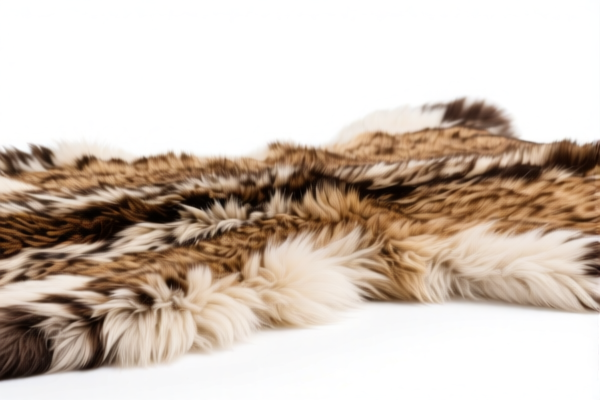
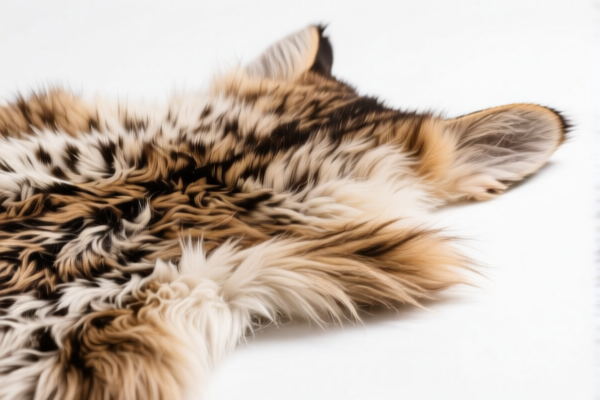
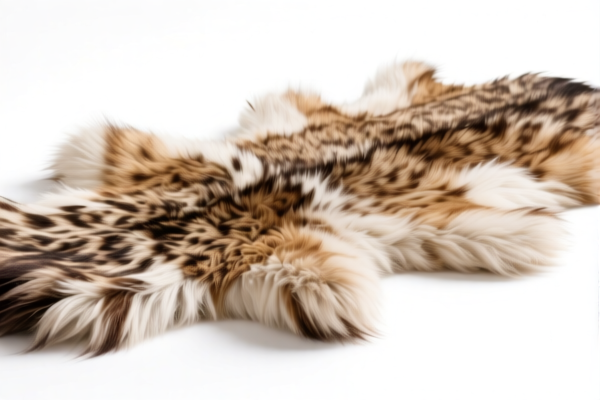
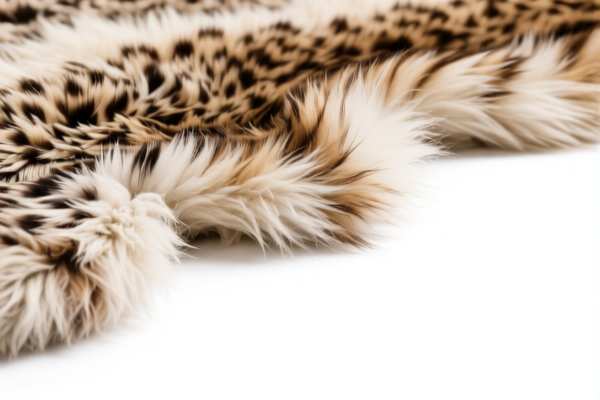
AI Analysis
🧶 Fine Animal Hair Tablecloths (Wool/Animal Fiber)
🌐 HS Code Reference & Customs Clearance Guide | 2026 Latest Tariff Analysis | Professional Clearance Strategy
📌 I. Product Definition & Classification: Do You Truly Understand "Fine Animal Hair Tablecloths"?
Fine animal hair tablecloths (primarily made of Wool) are textile products used for decorative and protective purposes on dining tables. In international trade, the classification depends heavily on the processing state (fabric vs. finished article) and the specific material composition.
The dataset provides four distinct classification paths based on how the product is defined: 1. Decorative Fabric: If classified as a woven fabric intended for further use. 2. Woven Fabric: If classified strictly by material and weaving method (combed wool). 3. Finished Tablecloth: If classified by its specific end-use (textile tablecloth). 4. Other Finished Textile Articles: If classified as a general "other made-up textile article."
⚠️ Critical Distinction:
- Raw/Unfinished Fabric: If it is just the woven textile without hemming, stitching, or final shaping →归入 Chapter 51 (Textiles).
- Finished Product: If it is cut, hemmed, and ready for sale/use as a tablecloth →归入 Chapter 63 (Other Made-Up Textile Articles).
📦 II. HS Code Classification Details (2026 Latest Tariff Authority Comparison)
| HS Code | Product Description | Application Scenario | Classification Logic |
|---|---|---|---|
5111.19.10.00 |
Decorative Wool Fabric | Combed wool fabric, classified as decorative material (tablecloth context) | 🧵 Fabric Phase Focuses on "Decorative Fabric" status. |
5111.11.20.00 |
Combed Wool Fabric | Raw combed wool textile, focuses on material attribute | 🧵 Material Phase Focuses on "Combed Wool" material. |
6302.59.30.20 |
Textile Tablecloth | Wool tablecloth, classified by specific end-use (table linen) | 🍽️ Finished Product Specific category for "Table Linens". |
6307.90.98.91 |
Other Made-Up Textile Article | Wool tablecloth, classified as a general finished textile article | 📦 General Finished Broad category for "Other Made-Ups". |
6307.90.98.75 |
Other Made-Up Textile Article (Mask/Covering Category) | Wool tablecloth, classified under specific finished good subheadings | 📦 Specific Finished Includes textile covers/masks logic. |
🔍 Key Reminder:
- Chapter 51 Codes (5111...): Apply if the item is sold as fabric rolls or uncut pieces for decoration. Tax rate: 42%.
- Chapter 63 Codes (6302.../6307...): Apply if the item is a finished tablecloth (cut, hemmed, packaged for retail). Tax rates: 24.5% - 26.3%.
💰 III. 2026 Latest Tariff Rate Breakdown (Including Surcharges & Policy Add-ons)
✅ Applicable Country: United States (US)
✅ Origin: China (CN)
✅ Effective Time: Post-2025/2026 regulations (Current High-Tariff Regime)
🎯 1. 5111.19.10.00 & 5111.11.20.00 —— Wool Fabric (Decorative/Material)
| Item | Content |
|---|---|
| Base Tariff | 7.0% |
| Section 301 Surcharge | +25.0% |
| Section 122 Tariff | +10.0% |
| Total Rate | 42.0% |
| Calculation | CIF Value × 42% |
| De Minimis Exemption | ❌ Not Eligible (High tariff goods excluded) |
| Legal Basis | Base Tariff → USITC Footnote → IEEPA Section 122 |
📌 Explanation:
- These codes are treated as industrial/intermediate goods or specific wool fabrics.
- The 42% rate is extremely high due to the combination of base duty (7%), Section 301 (25%), and Section 122 (10%).
- Risk: Misdeclaring a finished tablecloth as "fabric" to avoid higher duties is risky if customs inspect the physical state (hemmed/cut).
🎯 2. 6302.59.30.20 —— Textile Tablecloths (Specific Use)
| Item | Content |
|---|---|
| Base Tariff | 8.8% |
| Section 301 Surcharge | +7.5% |
| Section 122 Tariff | +10.0% |
| Total Rate | 26.3% |
| Calculation | CIF Value × 26.3% |
| De Minimis Exemption | ❌ Not Eligible |
| Legal Basis | Specific classification for "Table Cloths" under Chapter 63 |
📌 Explanation:
- This is the most specific and logical code for a finished wool tablecloth.
- Chapter 63 generally has lower base tariffs than Chapter 51 for specific articles.
- However, the 10% Section 122 and 7.5% Section 301 still apply.
🎯 3. 6307.90.98.91 & 6307.90.98.75 —— Other Made-Up Textile Articles
| Item | Content |
|---|---|
| Base Tariff | 7.0% |
| Section 301 Surcharge | +7.5% |
| Section 122 Tariff | +10.0% |
| Total Rate | 24.5% |
| Calculation | CIF Value × 24.5% |
| De Minimis Exemption | ❌ Not Eligible |
| Legal Basis | "Other Made-Up Articles" fallback classification |
📌 Explanation:
- These codes are fallback categories.
-6307.90.98.91is for "Other Made-Up Articles."
-6307.90.98.75mentions "Masks/Covers," which might be a loose fit but is sometimes used for textile covers.
- Advantage: This has the lowest total tax rate (24.5%) among all options.
- Caution: Using a generic code for a specific item (tablecloth) may trigger a Customs Review if the officer expects6302(Table Linens). However, if6302is restricted or unavailable for the specific wool type,6307might be accepted.
🛠️ IV. Customs Clearance Practical Advice (Avoid Pitfalls)
✅ 1. Documentation Checklist (Mandatory)
| Document | Required | Notes |
|---|---|---|
| ✅ Commercial Invoice | ✔️ | Must specify "Wool Tablecloth" or "Fine Animal Hair Tablecloth." Avoid vague terms like "Textile Goods." |
| ✅ Packing List | ✔️ | Detail items: "Finished Tablecloths, Hemmed, 100% Wool." |
| ✅ Product Photos | ✔️ | Show hemming, labels, and final shape to prove it is a finished article (Chapter 63), not fabric (Chapter 51). |
| ✅ Material Certificate | ✔️ | Proof of "Fine Animal Hair" (e.g., Wool) content. |
| ✅ HS Code Pre-Ruling | ✔️ | Recommended to confirm between 6302.59.30.20 and 6307.90.98.91. |
✅ 2. Classification Strategy (Key Mnemonic)
🔥 “Finished Tablecloth: Use Chapter 63. Fabric Rolls: Use Chapter 51. Avoid 42%, Aim for 24.5%-26.3%!”
| Scenario | Recommended HS Code | Tax Rate | Risk Level |
|---|---|---|---|
| Sold as Fabric Rolls | 5111.11.20.00 or 5111.19.10.00 |
42.0% | Low (Clear definition) |
| Finished Tablecloth (Best Fit) | 6302.59.30.20 |
26.3% | Medium (Specific to Table Linens) |
| Finished Tablecloth (Lowest Tax) | 6307.90.98.91 |
24.5% | High (May require justification) |
📌 Strategy:
- If you can prove it is a specific table linen,6302.59.30.20is safer and more accurate.
- If you seek the lowest tax rate,6307.90.98.91(24.5%) is better, but be prepared to defend why it’s not6302if asked.
- Never misdeclare a finished product as fabric to avoid Chapter 63 duties; customs will inspect the goods.
✅ 3. Special Considerations
| Situation | Handling Advice |
|---|---|
| Section 122 Tariff (10%) | Applies to most Chinese textile imports. No exemption for wool. |
| De Minimis (De Minimis) | Not Eligible. Even under $800 shipments, these HS codes are excluded from de minimis treatment due to high tariffs. |
| Wool vs. Synthetic | Ensure the invoice clearly states "100% Wool" or "Fine Animal Hair." Misdeclaration as synthetic could lead to fraud penalties. |
| Customs Inspection | Have physical samples ready. Customs may verify hemming and stitching to confirm it’s a finished article. |
🌍 V. Global Market Comparison (2026 Latest)
| Country/Region | Recommended HS Code | Total Tariff | Notes |
|---|---|---|---|
| 🇺🇸 USA | 6302.59.30.20 |
26.3% | Highest risk due to Section 301 & 122. |
| 🇨🇳 China | 6302.59.30.20 |
~8-10% | Lower base tariff, no US surcharges. |
| 🇪🇺 EU | 6302.59.30.20 |
~4-6% | No Section 301/122. CE/RoHS not required for textiles. |
| 🇬🇧 UK | 6302.59.30.20 |
~4-6% | Post-Brexit tariff regimes apply. |
📌 Conclusion:
- The USA is the most expensive market due to the 42% (fabric) or 24.5-26.3% (finished) rates.
- Chapter 63 is significantly cheaper than Chapter 51. Ensure correct product state declaration.
📌 VI. Common Errors & Pitfalls (Lessons Learned)
❌ Error 1: Declaring a finished tablecloth as "Wool Fabric" (5111...)
👉 Consequence: Incorrect classification. If discovered, customs may reclassify and charge the correct rate, but if you under-declared, you face penalties. However, note that 5111 is 42%, which is higher than 6307 (24.5%). So, misclassification here might benefit the importer if caught and corrected, but it’s illegal. Better to declare correctly.
❌ Error 2: Declaring a finished tablecloth as "Other Goods" without specifying "Textile"
👉 Consequence: Customs delays, requests for more information, potential rejection.
❌ Error 3: Ignoring Section 122 (10%) and Section 301 (7.5%-25%)
👉 Consequence: Underestimating landed cost. The total tax is not just the base rate.
✅ Correct Practice:
"Finished Wool Tablecloth, 100% Fine Animal Hair, Hemmed, Decorative Use, HS Code: 6302.59.30.20 (or 6307.90.98.91 for lower rate), Origin: China."
🎯 VII. Conclusion: Professional Declaration, Cost Optimization!
🎯 Key Takeaways:
🔹 Finished Tablecloths should generally go to Chapter 63, not Chapter 51.
🔹 Lowest Tax:6307.90.98.91(24.5%) is the cheapest option.
🔹 Most Accurate:6302.59.30.20(26.3%) is the specific code for table linens.
🔹 Avoid Chapter 51 (5111...) unless selling fabric rolls, as the tax is 42%.
🔹 No De Minimis: These goods are subject to full duties.
📌 Tip:
If your wool tablecloths are originating from Vietnam, Mexico, or Thailand, you may qualify for lower or zero tariffs under trade agreements (e.g., USMCA, GSP). Check eligibility for origin substitution or supply chain diversification.
📣 Immediate Action:
📞 Consult a customs broker for HS Code Pre-Ruling.
📸 Provide clear photos of the finished product (hemmed, labeled).
🚀 Declare correctly to avoid delays and optimize tax costs!
✨ Professional Customs Clearance Starts with Accurate Classification!
💼 Every Percent Saved is Pure Profit!
Customer Reviews
About HS Code Classification
The Harmonized System (HS) is an internationally standardized nomenclature developed by the World Customs Organization (WCO) to classify traded products. Over 200 countries use the HS system as the basis for customs tariffs, trade statistics, and import/export regulations.
Each HS code follows a hierarchical structure:
- Chapter (2 digits) — Broad category of goods (e.g., Chapter 84: Machinery and Mechanical Appliances)
- Heading (4 digits) — More specific grouping within the chapter
- Subheading (6 digits) — Internationally standardized breakdown, used by all WCO member countries
- National subdivisions (8-10 digits) — Country-specific extensions for further classification, such as US HTSUS 10-digit codes
Correct HS code classification is essential for smooth customs clearance, accurate duty payment, and compliance with trade regulations. Misclassification can lead to customs delays, overpayment of duties, or penalties.
When importing from CN to US, the applicable tariff rates may include:
- Most-Favored-Nation (MFN) rate — The standard duty rate applied to WTO members
- General rate — Applied to countries without trade agreements
- Trade remedy duties — Additional tariffs such as Section 301 (anti-dumping), Section 232 (national security), or countervailing duties
The information provided on this page is for reference purposes only. For official classification, please consult with your local customs authority or a licensed customs broker.