Fine Animal Hair Windbreaker
CN → US| HS Code | Tariff Rate | Origin | Destination | Doc |
|---|---|---|---|---|
| 6102301000 | 0.0% | CN | US | Official Doc |
| 6101301500 | 0.0% | CN | US | Official Doc |
| 6102100000 | 0.0% | CN | US | Official Doc |
| 6101900500 | 0.0% | CN | US | Official Doc |
| 6202204011 | 0.0% | CN | US | Official Doc |
Product Images
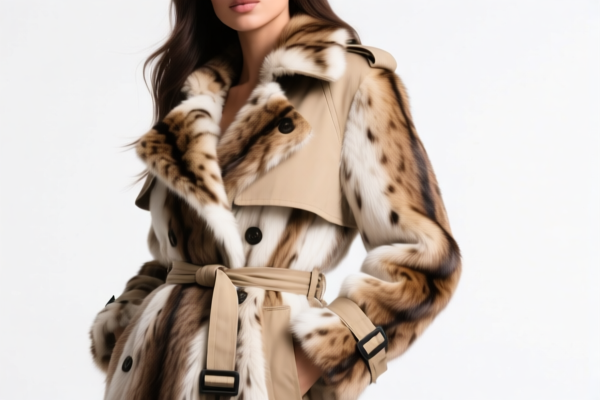
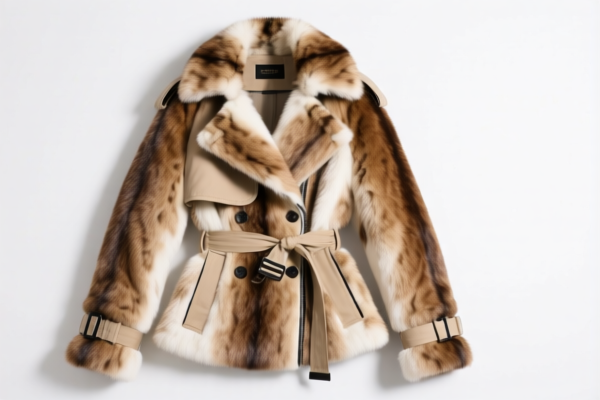
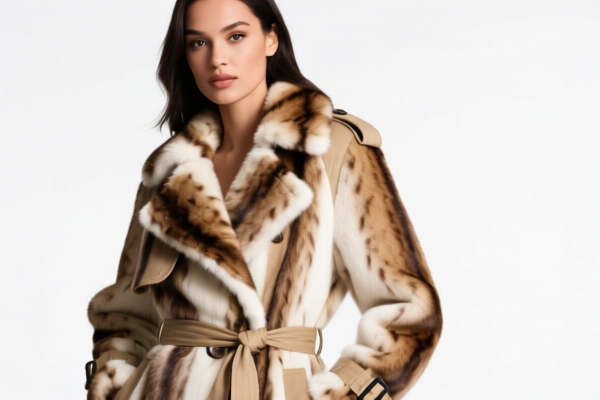

AI Analysis
🧥 Fine Animal Hair Windbreaker (Outdoor Apparel)
🌐 HS Code Classification & Customs Clearance Guide | 2026 Updated Tariff Analysis | Strategic Import Strategy
📌 I. Product Definition & Classification: Do You Know "Fine Animal Hair Windbreaker"?
A Fine Animal Hair Windbreaker is a specialized outer garment designed to block wind and provide insulation. In international trade, its classification hinges on two critical factors: 1. Material: "Fine Animal Hair" (e.g., cashmere, merino wool, alpaca, camel hair). Note: Not synthetic fibers or coarse hair like standard sheep wool. 2. Garment Type: "Windbreaker" (typically a jacket or coat with specific closure mechanisms, often categorized under Chapter 61 for knitted/crocheted or Chapter 62 for woven goods).
⚠️ Key Distinction Point:
- If knitted/crocheted (flexible, stretchable fabric) → Usually Chapter 61 (e.g., 6101/6102).
- If woven (structured, non-stretch fabric) → Usually Chapter 62 (e.g., 6202/6201).
- "Fine Animal Hair" triggers specific duty structures distinct from synthetic blends.
📦 II. HS Code Classification Details (2026 Latest Tariff Authority Match)
Based on the provided data, the following HS Codes are matched. Each represents a potential classification path depending on exact construction (knitted vs. woven) and gender/style specifics.
| HS Code | Product Description | Match Logic & Usage Scenario |
|---|---|---|
6102.30.10.00 |
Women’s/Men’s Windbreakers, Knitted/Crocheted, Fine Animal Hair | Match Success: Direct match for "Fine Animal Hair" + "Windbreaker" in knitted form. High precision match. |
6101.30.15.00 |
Men’s/Women’s Overcoats, Inhabits, etc., Knitted/Crocheted, Fine Animal Hair | Match Basis: Product name contains "Fine Animal Hair" and "Windbreaker" (treated as outerwear/coat type). Slightly broader category. |
6102.10.00.00 |
Women’s/Men’s Windbreakers, Knitted/Crocheted, Other Textile Materials | Match Success: Material and usage meet classification requirements. Note: May apply if "Fine Animal Hair" content is below threshold or considered mixed. |
6101.90.05.00 |
Other Men’s/Women’s Outerwear, Knitted/Crocheted | Match Success: Material and form fit general outerwear classification. Used if specific "windbreaker" subheading is unavailable. |
6202.20.40.11 |
Women’s/Winter Coats, Woven, Fine Animal Hair | Match Logic: Material and form meet classification requirements. Implies Woven Fabric (Chapter 62). Critical distinction from Chapter 61. |
🔍 Key Reminder:
- Knitted (61xx) vs. Woven (62xx) is the primary divider.
- "Fine Animal Hair" often incurs different base duties compared to synthetic fabrics.
- Ensure the composition label (e.g., 100% Cashmere vs. 80% Wool/20% Poly) is accurate to avoid misclassification penalties.
💰 III. 2026 Latest Tariff Rate Breakdown (Detailed Taxes)
✅ Applicable Country: United States (US)
✅ Origin: China (CN) (Inferred from "122 Section" and high duty rates typical of US-China trade)
✅ Effective Time: Current as of 2026 import regulations
🎯 1. 6102.30.10.00 —— Knitted Windbreaker, Fine Animal Hair (High Precision)
| Item | Detail |
|---|---|
| Total Tax Rate | 64.4¢/kg + 18.8% + 17.5% |
| Base Tariff | 64.4¢/kg + 18.8% (Ad Valorem) |
| Section 301 Surcharge | 7.5% (Additional duty on Chinese goods) |
| Section 122 Tariff | 10% (Specific trade remedy tariff) |
| Tax Calculation | (Value × 18.8%) + (Weight × $0.644) + (Value × 7.5%) + (Value × 10%) |
| Legal Basis | HTSUS 6102.30.10.00 → Section 301 (7.5%) → Section 122 (10%) |
📌 Explanation:
- This code offers a weight-based component (64.4¢/kg), which can be significant for heavy wool coats.
- The combination of base rate + 301 tariff + Section 122 results in a very high effective duty.
- Recommendation: Verify if the product truly qualifies for "Fine Animal Hair" to avoid underpayment penalties.
🎯 2. 6101.30.15.00 —— Knitted Outerwear, Fine Animal Hair (Broad Category)
| Item | Detail |
|---|---|
| Total Tax Rate | 38.6¢/kg + 10% + 17.5% |
| Base Tariff | 38.6¢/kg + 10% (Ad Valorem) |
| Section 301 Surcharge | 7.5% |
| Section 122 Tariff | 10% |
| Tax Calculation | (Value × 10%) + (Weight × $0.386) + (Value × 7.5%) + (Value × 10%) |
| Legal Basis | HTSUS 6101.30.15.00 → Section 301 (7.5%) → Section 122 (10%) |
📌 Note:
- Lower base ad valorem rate (10%) compared to6102.30.10.00(18.8%).
- Lower weight-based duty ($0.386/kg vs $0.644/kg).
- Potential Savings: If the garment can be legally classified here (e.g., as a general outerwear coat rather than specific windbreaker), this may be more cost-effective.
🎯 3. 6102.10.00.00 —— Knitted Windbreaker, Other Textiles
| Item | Detail |
|---|---|
| Total Tax Rate | 55.9¢/kg + 16.4% + 10.0% |
| Base Tariff | 55.9¢/kg + 16.4% (Ad Valorem) |
| Section 301 Surcharge | 0.0% (No additional 301 duty for this specific subheading) |
| Section 122 Tariff | 10% |
| Tax Calculation | (Value × 16.4%) + (Weight × $0.559) + (Value × 10%) |
| Legal Basis | HTSUS 6102.10.00.00 → Section 122 (10%) |
📌 Explanation:
- No Section 301 Duty (0%) is a major advantage.
- However, the base rate is higher (16.4% + weight duty).
- Risk: If the product is fine animal hair, misclassifying here to avoid Section 301 is high risk for customs audits. Only use if material content does not qualify as "Fine Animal Hair" under legal definitions.
🎯 4. 6101.90.05.00 —— Other Knitted Outerwear
| Item | Detail |
|---|---|
| Total Tax Rate | 61.7¢/kg + 16% + 17.5% |
| Base Tariff | 61.7¢/kg + 16% (Ad Valorem) |
| Section 301 Surcharge | 7.5% |
| Section 122 Tariff | 10% |
| Tax Calculation | (Value × 16%) + (Weight × $0.617) + (Value × 7.5%) + (Value × 10%) |
| Legal Basis | HTSUS 6101.90.05.00 → Section 301 (7.5%) → Section 122 (10%) |
📌 Note:
- Similar structure to6102.30.10.00but with slightly lower ad valorem base (16% vs 18.8%).
- Weight duty is higher ($0.617/kg).
- Suitable if the item doesn't fit specific "windbreaker" definitions but is clearly knitted outerwear.
🎯 5. 6202.20.40.11 —— Woven Women’s Coats, Fine Animal Hair
| Item | Detail |
|---|---|
| Total Tax Rate | 36¢/kg + 16.3% + 17.5% |
| Base Tariff | 36¢/kg + 16.3% (Ad Valorem) |
| Section 301 Surcharge | 7.5% |
| Section 122 Tariff | 10% |
| Tax Calculation | (Value × 16.3%) + (Weight × $0.36) + (Value × 7.5%) + (Value × 10%) |
| Legal Basis | HTSUS 6202.20.40.11 → Section 301 (7.5%) → Section 122 (10%) |
📌 Note:
- Chapter 62 (Woven) classification.
- Low weight-based duty ($0.36/kg).
- Critical: Must be woven fabric. If misclassified (knitted sold as woven), this is a major compliance violation.
- Specific to Women’s outerwear (HS 6202). Men’s would be 6201.
🛠️ IV. Customs Clearance Practical Advice (Pitfall Avoidance)
✅ 1. Required Documentation Checklist
| Document | Mandatory? | Purpose |
|---|---|---|
| ✅ Product Spec Sheet | ✔️ | Must specify: Knitted/Woven, Fiber Composition (e.g., 100% Cashmere), Garment Type. |
| ✅ Composition Label Photo | ✔️ | Crucial for proving "Fine Animal Hair" status. |
| ✅ Commercial Invoice | ✔️ | Describe as "Fine Animal Hair Windbreaker" or "Knitted Outerwear". Avoid vague terms like "Coat". |
| ✅ Packing List | ✔️ | Detail weight per piece to calculate weight-based duties accurately. |
| ✅ Third-Party Test Report | ✔️ | Fiber analysis report (e.g., from SGS/Intertek) proving "Fine Animal Hair" content. |
✅ 2. Declaration Strategy (Key Tips)
🔥 "Knitted vs. Woven, Hair Content is Key, Section 122 Applies Always!"
| Scenario | Recommended HS Code | Reasoning |
|---|---|---|
| Knitted, 100% Cashmere Windbreaker | 6102.30.10.00 or 6101.30.15.00 |
Best match for fine animal hair. Choose based on exact style (jacket vs coat). |
| Woven, 100% Wool/Alpaca Coat | 6202.20.40.11 |
Only if woven. Misclassification here is common. |
| Synthetic Blend (e.g., Polyester) | 6102.10.00.00 (if no fine hair) |
Avoid "Fine Animal Hair" claims if content < legal threshold. |
| Unspecified "Outerwear" | 6101.90.05.00 |
Fallback category if specific material/type doesn't match other codes. |
✅ 3. Special Circumstances
| Situation | Handling Advice |
|---|---|
| Mixed Materials | If fine animal hair is < 10%, do NOT classify under "Fine Animal Hair" codes. Use generic textile codes to avoid Section 301/122 disputes. |
| Sample vs. Bulk | Samples may still require HS Code declaration. Ensure consistency between samples and bulk shipment. |
| Section 122 Applicability | Always include Section 122 (10%) in calculations for these codes unless specific exemption applies (rare for apparel from China). |
| Gender Specificity | 6102/6202 are typically Women’s/Men’s specific. Ensure correct gender code. 6101 is often broader. |
🌍 V. Global Market Clearance Comparison (2026 Latest)
| Country/Region | Recommended HS Code (Example) | Tariff (China Origin) | Certification | Notes |
|---|---|---|---|---|
| 🇺🇸 USA | 6102.30.10.00 |
64.4¢/kg + 18.8% + 7.5% + 10% | None specific | High duties due to Section 301 & 122. |
| 🇨🇳 China | 6102.30.10.00 |
~5-10% | None | Lower base rates, no Section 301. |
| 🇪🇺 EU | 6102.30.00 |
~12-16% | CE (if labeled) | No Section 122/301 equivalent, but VAT applies. |
| 🇬🇧 UK | 6102.30.00 |
~12-16% | None | Post-Brexit tariffs similar to EU. |
| 🇯🇵 Japan | 6102.30.00 |
~15-20% | None | Stable tariffs, no major trade wars. |
📌 Conclusion:
- USA is the most expensive market due to cumulative tariffs (Base + 301 + 122).
- EU/UK/Japan have lower or stable tariffs but require strict fiber labeling compliance.
- Strategic Sourcing: Consider sourcing from countries not subject to Section 301 (e.g., Vietnam, India) if targeting the US market.
📌 VI. Common Errors & Pitfalls (Lessons Learned)
❌ Error 1: Classifying Knitted items under Woven (6202) codes
👉 Consequence: Customs audit, penalty, and retroactive duty payment.
👉 Fix: Submit fiber analysis report to prove fabric structure.
❌ Error 2: Overstating "Fine Animal Hair" content
👉 Consequence: If tested and found to be 5% cashmere, customs may reclassify to generic wool/synthetic codes, leading to underpayment penalties or misdeclaration fines.
👉 Fix: Accurate fiber content labeling.
❌ Error 3: Ignoring Section 122 Tariff (10%)
👉 Consequence: Underpaying duties, leading to delays and interest charges.
👉 Fix: Always include Section 122 in cost calculations for these HS codes.
❌ Error 4: Vague Product Description ("Windbreaker Jacket")
👉 Consequence: Customs officer may assign a default high-rate code.
👉 Fix: Use precise terms: "Knitted Women’s Windbreaker, 100% Fine Animal Hair".
✅ Correct Practice:
"Women’s Knitted Windbreaker, 100% Fine Animal Hair (Cashmere), Model XYZ, US Importer of Record, Section 301 & 122 Applicable"
🎯 VII. Conclusion: Precision in Classification Saves Money!
🎯 Remember the Golden Rules:
🔹 "Knitted = 61, Woven = 62"
🔹 "Fine Animal Hair = Higher Base Duty + Section 301/122"
🔹 "Accurate Fiber Content is Non-Negotiable"
📌 Pro Tip:
If your "Fine Animal Hair Windbreaker" contains less than 10% fine animal hair, consider classifying under generic textile codes (e.g., 6102.10.00.00) to potentially avoid the "Fine Animal Hair" specific duty surcharges, if legally permissible. Always consult a customs broker for fiber analysis before declaration.
📣 Immediate Action:
📞 Engage a licensed customs broker + Provide fiber test report + Apply for Advance Ruling (if high volume)
🚀 Ensure accurate HS Code classification to avoid costly delays and penalties!
✨ Professional Customs Clearance Starts with Accurate Classification!
💼 Your Profit Margin Depends on Duty Precision!
Customer Reviews
About HS Code Classification
The Harmonized System (HS) is an internationally standardized nomenclature developed by the World Customs Organization (WCO) to classify traded products. Over 200 countries use the HS system as the basis for customs tariffs, trade statistics, and import/export regulations.
Each HS code follows a hierarchical structure:
- Chapter (2 digits) — Broad category of goods (e.g., Chapter 84: Machinery and Mechanical Appliances)
- Heading (4 digits) — More specific grouping within the chapter
- Subheading (6 digits) — Internationally standardized breakdown, used by all WCO member countries
- National subdivisions (8-10 digits) — Country-specific extensions for further classification, such as US HTSUS 10-digit codes
Correct HS code classification is essential for smooth customs clearance, accurate duty payment, and compliance with trade regulations. Misclassification can lead to customs delays, overpayment of duties, or penalties.
When importing from CN to US, the applicable tariff rates may include:
- Most-Favored-Nation (MFN) rate — The standard duty rate applied to WTO members
- General rate — Applied to countries without trade agreements
- Trade remedy duties — Additional tariffs such as Section 301 (anti-dumping), Section 232 (national security), or countervailing duties
The information provided on this page is for reference purposes only. For official classification, please consult with your local customs authority or a licensed customs broker.