Fine Animal Hair Winter Pajamas
CN → US| HS Code | Tariff Rate | Origin | Destination | Doc |
|---|---|---|---|---|
| 6208299010 | 24.6% | CN | US | Official Doc |
| 6107292000 | 26.0% | CN | US | Official Doc |
| 6108398000 | 13.8% | CN | US | Official Doc |
| 6108391000 | 18.5% | CN | US | Official Doc |
| 6107299000 | 15.6% | CN | US | Official Doc |
Product Images
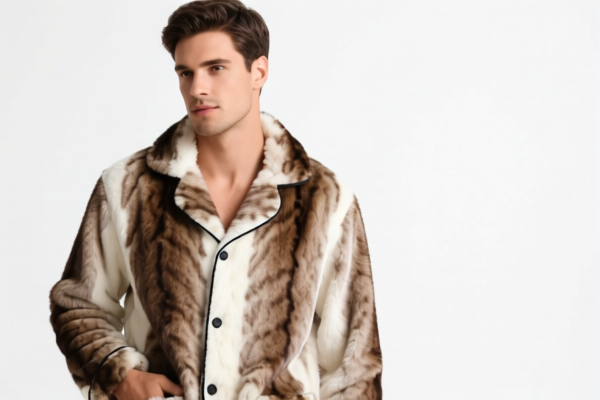
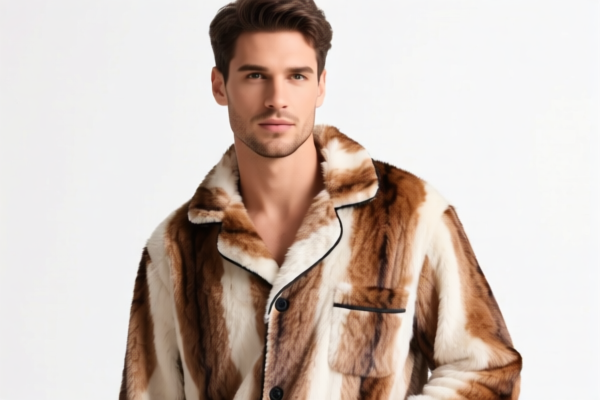
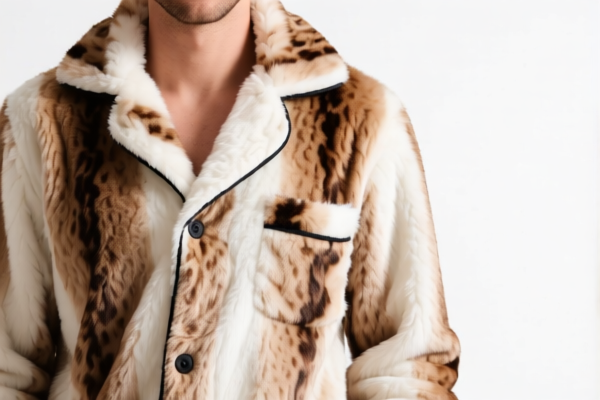
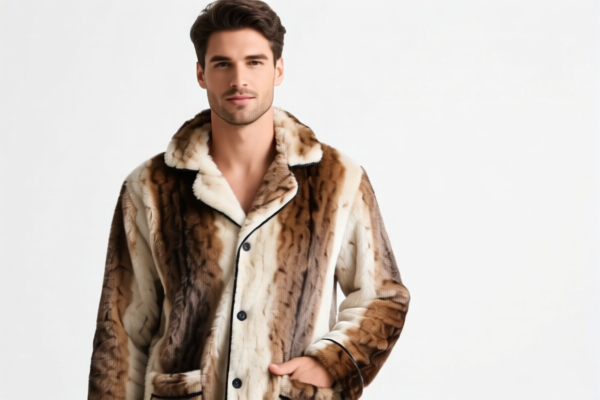
AI Analysis
👘 Fine Animal Hair Winter Pajamas (Animal Hair Short-Sleeve Pajamas)
🌐 HS Code Reference & Customs Clearance Guide | 2026 Latest Tariff Analysis | Professional Customs Strategy
📌 I. Product Definition & Classification: Understanding "Animal Hair Pajamas"
Fine animal hair winter pajamas (specifically short-sleeve styles made from or containing fine animal fibers like wool, cashmere, or mohair) are specialized sleepwear. In international trade, their classification depends heavily on two factors: 1. Manufacturing Process: Woven vs. Knitted/Crocheted. 2. Material Composition: Whether it is made wholly of fine animal hair, mixed with other fibers, or considered a specific type of "other textile material."
⚠️ Key Distinction Point:
- If the garment is Knitted/Crocheted and made of fine animal hair, it falls under Chapter 61.
- If the garment is Woven and made of fine animal hair, it falls under Chapter 62.
- Gender & Specific Material Nuance: The data provided distinguishes between "Men's" specific classifications and general "Short Sleeves" based on the exact mix of "fine animal hair" vs. "other textile materials containing animal hair."
📦 II. HS Code Classification Details (Latest Tariff Authority对照)
| HS Code | Product Description | Applicable Scenario | Material/Process Key |
|---|---|---|---|
6208.29.90.10 |
Woven Animal Hair Short-Sleeve Pajamas; material contains animal hair, meeting wool/fine animal hair requirements | Woven sleepwear with significant animal hair content | ✅ Woven + Animal Hair Content |
6107.29.20.00 |
Knitted/Crocheted Animal Hair Short-Sleeve Pajamas; material is animal hair | Knitted sleepwear, pure or dominant animal hair | ✅ Knitted + Animal Hair |
6108.39.80.00 |
Knitted/Crocheted Animal Hair Short-Sleeve Pajamas; other textile materials, containing animal hair fibers | Mixed fibers, knitted, contains some animal hair | ✅ Knitted + Mixed/Other |
6108.39.10.00 |
Knitted/Crocheted Animal Hair Short-Sleeve Pajamas; material fully matches fine animal hair | Pure fine animal hair, knitted (often women's or specific sub-category) | ✅ Knitted + 100% Fine Animal Hair |
6107.29.90.00 |
Fine Animal Hair Men's Short-Sleeve Pajamas; other textile materials, containing fine animal hair | Men's specific, knitted, mixed but with fine animal hair | ✅ Knitted + Men's + Fine Animal Hair |
🔍 Important Note:
- Woven vs. Knitted:6208is strictly for woven women's/men's nightwear.6107/6108are for knitted/crocheted.
- "Fine" vs. "Animal Hair": Some codes specify "Fine Animal Hair" (e.g., cashmere/mohair), while others use broader "Animal Hair." The tax rate varies significantly based on this specificity.
💰 III. 2026 Latest Tariff Rate Breakdown (Including Surtaxes & Policy Add-ons)
✅ Applicable Country: United States (US)
✅ Origin: China (CN)
✅ Effective Time: Ongoing (2025-2026)
🎯 1. 6208.29.90.10 —— Woven Animal Hair Pajamas
| Item | Details |
|---|---|
| Base Tariff | 7.1% (Ad Valorem) |
| Trade War Surtax | +7.5% (Section 301) |
| Section 122 Tariff | +10.0% (Specific Section 122 Levy) |
| Total Tariff Rate | 24.6% |
| Tax Calculation | CIF Value × 24.6% |
| De Minimis Exemption | ❌ Not Eligible (High rate triggers strict scrutiny) |
| Legal Basis | Base: 6208.29 → Surtax: 301-7.5 → Sec122: 122-10 |
📌 Explanation:
- This is a woven garment.
- The Section 122 tariff (10%) is a critical cost driver here, alongside the standard 301 tariff.
- 24.6% is a moderate-to-high tariff for apparel.
🎯 2. 6107.29.20.00 —— Knitted Animal Hair Pajamas (Standard Animal Hair)
| Item | Details |
|---|---|
| Base Tariff | 8.5% |
| Trade War Surtax | +7.5% |
| Section 122 Tariff | +10.0% |
| Total Tariff Rate | 26.0% |
| Tax Calculation | CIF Value × 26.0% |
| De Minimis Exemption | ❌ Not Eligible |
| Legal Basis | Base: 6107.29 → Surtax: 301-7.5 → Sec122: 122-10 |
📌 Explanation:
- Knitted garments often have higher base tariffs than woven equivalents.
- 26.0% is the highest base rate among the options.
🎯 3. 6108.39.80.00 —— Knitted Other Textile Materials (Containing Animal Hair)
| Item | Details |
|---|---|
| Base Tariff | 3.8% |
| Trade War Surtax | 0.0% (Exempted or different classification tier) |
| Section 122 Tariff | +10.0% |
| Total Tariff Rate | 13.8% |
| Tax Calculation | CIF Value × 13.8% |
| De Minimis Exemption | ❌ Not Eligible (Due to Section 122) |
| Legal Basis | Base: 6108.39 → Sec122: 122-10 |
📌 Explanation:
- Best Rate Option!
- This code applies to "other textile materials" containing animal hair, likely mixed fabrics.
- Significant Savings: 13.8% vs. 26.0%. If your product is a blend, this might be the optimal classification.
🎯 4. 6108.39.10.00 —— Knitted Fine Animal Hair Pajamas (Exact Match)
| Item | Details |
|---|---|
| Base Tariff | 8.5% |
| Trade War Surtax | 0.0% |
| Section 122 Tariff | +10.0% |
| Total Tariff Rate | 18.5% |
| Tax Calculation | CIF Value × 18.5% |
| De Minimis Exemption | ❌ Not Eligible |
| Legal Basis | Base: 6108.39.10 → Sec122: 122-10 |
📌 Explanation:
- For pure fine animal hair (e.g., 100% Cashmere/Mohair) knitted garments.
- While the base tariff is high (8.5%), the exemption from the 7.5% Section 301 surtax makes it cheaper than6107.29.20.00.
🎯 5. 6107.29.90.00 —— Fine Animal Hair Men’s Short-Sleeve Pajamas
| Item | Details |
|---|---|
| Base Tariff | 5.6% |
| Trade War Surtax | 0.0% |
| Section 122 Tariff | +10.0% |
| Total Tariff Rate | 15.6% |
| Tax Calculation | CIF Value × 15.6% |
| De Minimis Exemption | ❌ Not Eligible |
| Legal Basis | Base: 6107.29.90 → Sec122: 122-10 |
📌 Explanation:
- Men’s Specific Classification.
- Low base tariff (5.6%) and no Section 301 surtax.
- 15.6% is very competitive, especially for men’s fine animal hair products.
🛠️ IV. Customs Clearance Practical Advice (Battle-Tested Guide)
✅ 1. Documentation Checklist (Mandatory)
| Document | Required | Description |
|---|---|---|
| ✅ Product Spec Sheet | ✔️ | Must clearly state: Fiber Content % (e.g., 100% Cashmere, or 50% Wool/50% Silk). |
| ✅ Care Label Photo | ✔️ | Shows fiber content and care instructions. |
| ✅ Composition Declaration | ✔️ | Signed letter confirming "Fine Animal Hair" vs. "Other Animal Hair." |
| ✅ Commercial Invoice | ✔️ | Description must match HS Code exactly (e.g., "Knitted Men's Fine Animal Hair Pajamas"). |
| ✅ Origin Certificate | ✔️ | Proof of Chinese origin for surtax application. |
✅ 2. Classification Strategy (Key Mantra)
🔥 “Check Knit/Woven, Check Gender, Check Fiber Purity!”
| Scenario | Correct HS Code | Rate | Why? |
|---|---|---|---|
| Woven + Animal Hair | 6208.29.90.10 |
24.6% | Woven goods go to Ch 62. |
| Knitted + Pure Fine Animal Hair (Women) | 6108.39.10.00 |
18.5% | Pure fine hair, no 301 surtax. |
| Knitted + Pure Fine Animal Hair (Men) | 6107.29.90.00 |
15.6% | Men's specific, low base rate. |
| Knitted + Mixed Textiles (Animal Hair) | 6108.39.80.00 |
13.8% | Lowest Rate! No 301 surtax. |
| Knitted + Standard Animal Hair | 6107.29.20.00 |
26.0% | High base rate + 301 + 122. |
✅ 3. Critical Warnings & Pitfalls
| Pitfall | Consequence | Solution |
|---|---|---|
| Misclassifying "Mixed" as "Pure" | Audits, penalties, back taxes | If fiber content is <95% fine animal hair, do NOT use 6108.39.10.00. Use 6108.39.80.00. |
| Ignoring Gender | Wrong HS Code, delays | Men’s pajamas often fall under 6107; Women’s under 6108. Check local tariff notes. |
| Assuming "Animal Hair" = "Fine Animal Hair" | Higher Tariffs | "Fine Animal Hair" (Cashmere, Mohair) often gets better treatment than generic "Animal Hair." |
| Missing Section 122 | Unexpected 10% Levy | All codes above include a 10% Section 122 tariff. Do not forget to budget for this. |
📌 V. Conclusion: Strategic Customs Clearance
🎯 Key Takeaways:
1. Lowest Tariff Option: 6108.39.80.00 at 13.8% (Knitted, Mixed Textiles with Animal Hair).
- Strategy: If your product is a blend, ensure the description matches "other textile materials" to qualify for this lower rate.
2. Men’s Advantage: 6107.29.90.00 at 15.6% is significantly cheaper than women’s counterparts for fine animal hair.
3. Woven Penalty: Woven pajamas (6208.29.90.10) face a higher total rate (24.6%) due to cumulative surtaxes.
4. Section 122 is Universal: All classifications above incur a 10% Section 122 tariff. This is non-negotiable for Chinese-origin goods.
📌 Pro Tip:
- Always verify the exact fiber percentage. If you claim "Fine Animal Hair" but tests show "Other Animal Hair," you risk fraud allegations.
- Consider pre-classification rulings with US Customs (CBP) if you have high-volume shipments.
- For mixed blends,6108.39.80.00offers the best balance of low base tariff and no Section 301 surtax.
📣 Immediate Action:
📞 Contact a Licensed Customs Broker
📄 Provide Fiber Analysis Reports
🚀 Optimize HS Code Selection to Save Up to 12% in Tariffs!
✨ Precision in Classification = Profit in Your Pocket!
💼 Don’t let tariff traps eat your margins!
Customer Reviews
About HS Code Classification
The Harmonized System (HS) is an internationally standardized nomenclature developed by the World Customs Organization (WCO) to classify traded products. Over 200 countries use the HS system as the basis for customs tariffs, trade statistics, and import/export regulations.
Each HS code follows a hierarchical structure:
- Chapter (2 digits) — Broad category of goods (e.g., Chapter 84: Machinery and Mechanical Appliances)
- Heading (4 digits) — More specific grouping within the chapter
- Subheading (6 digits) — Internationally standardized breakdown, used by all WCO member countries
- National subdivisions (8-10 digits) — Country-specific extensions for further classification, such as US HTSUS 10-digit codes
Correct HS code classification is essential for smooth customs clearance, accurate duty payment, and compliance with trade regulations. Misclassification can lead to customs delays, overpayment of duties, or penalties.
When importing from CN to US, the applicable tariff rates may include:
- Most-Favored-Nation (MFN) rate — The standard duty rate applied to WTO members
- General rate — Applied to countries without trade agreements
- Trade remedy duties — Additional tariffs such as Section 301 (anti-dumping), Section 232 (national security), or countervailing duties
The information provided on this page is for reference purposes only. For official classification, please consult with your local customs authority or a licensed customs broker.