Fine Sandpaper
CN → US| HS Code | Tariff Rate | Origin | Destination | Doc |
|---|---|---|---|---|
| 6805200000 | 35.0% | CN | US | Official Doc |
| 6805100000 | 35.0% | CN | US | Official Doc |
| 4016996050 | 37.5% | CN | US | Official Doc |
| 4016993550 | 35.0% | CN | US | Official Doc |
| 6805200000 | 35.0% | CN | US | Official Doc |
Product Images
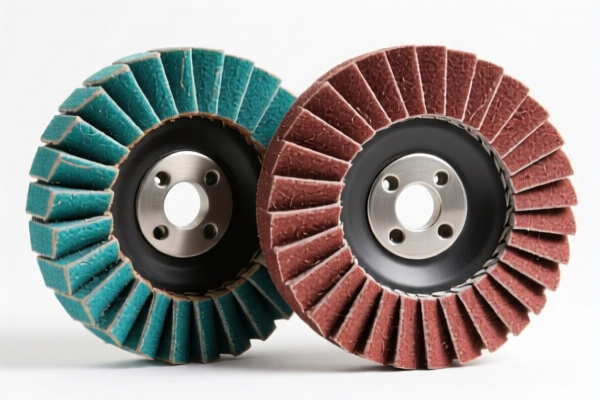
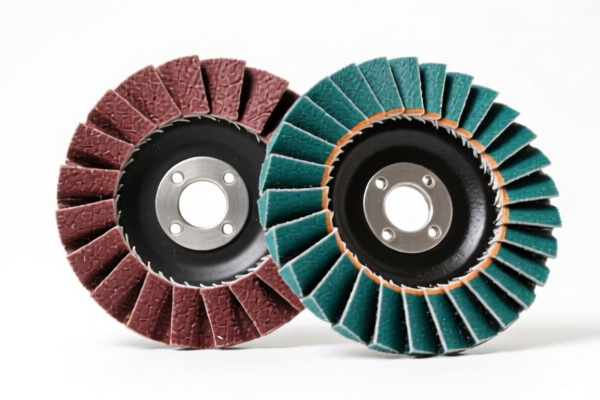
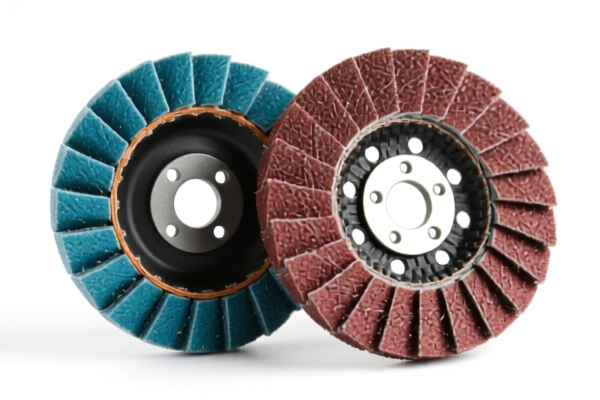
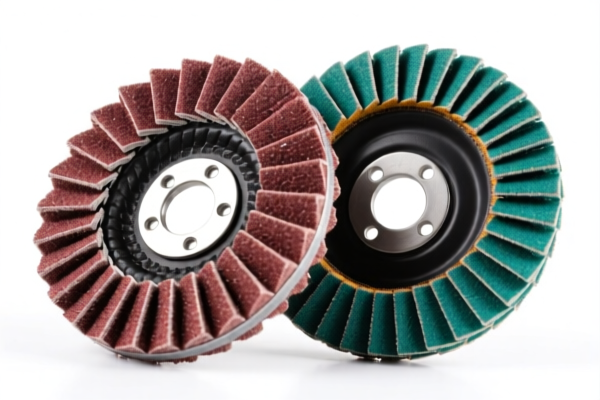
AI Analysis
📄 Fine Sandpaper (Abrasives on Paper/Board Basis)
🌐 HS Code Reference & Clearance Guide | 2026 Latest Tariff Analysis | Professional-Level Entry Strategy
📌 I. Product Definition & Classification: Do You Really Understand "Sandpaper"?
Sandpaper, in international trade, is not a single homogeneous commodity. It is classified based on its base material and abrasive bonding method. For "Fine Sandpaper," the primary distinction lies in whether the abrasive is fixed onto paper/cardboard or fabric/textile materials. Misclassification here can lead to severe customs delays or unexpected tax liabilities due to specific trade remedy measures.
⚠️ Key Distinction Point:
- If the abrasive is fixed on Paper/Cardboard → Likely 6805 series.
- If the abrasive is fixed on Textile/Fabric → Likely 6805 series (but different subheading).
- If the sandpaper contains significant Rubber/Composite binders or acts as a general tool → Might fall under 4016 (Rubber Articles) or other residual headings.
📦 II. HS Code Classification Details (2026 Latest Tariff Authority Comparison)
| HS Code | Product Description | Application Scenario | Base Material |
|---|---|---|---|
6805.20.00.00 |
Sandpaper sheets; abrasive fixed on paper or paperboard base | Standard fine grit sandpaper sheets, machine-use paper sandpaper | ✅ Paper/Cardboard |
6805.10.00.00 |
Sandpaper; abrasives fixed on textile material base | Sandpaper on fabric backing (e.g., for power sanders) | ✅ Textile/Fabric |
4016.99.60.50 |
Sandpaper inferred as other abrasive tools, no clear material conflict | General abrasive products, unclear backing material | ❓ Ambiguous/Inferred |
4016.99.35.50 |
Sandpaper potentially containing rubber binders or composites; residual category | Sandpaper with heavy rubber adhesive or composite layers | ❌ Rubber/Composite |
🔍 Key Reminder:
- Most standard "fine sandpaper" sold in hardware stores (paper-backed) falls under 6805.20.00.00 or 6805.10.00.00.
- If the sandpaper is part of a complex tool or has non-standard backing (like thick rubber), it may be pushed to 4016.99 categories, which often carry different risk profiles regarding trade disputes.
💰 III. 2026 Latest Tariff Rate Details (Including Additional Taxes & Policy Surcharges)
✅ Applicable Country: United States (US)
✅ Origin: China (CN)
✅ Effective Date: Current Trade Remedies Apply (Section 301 & IEEPA)
🎯 1. 6805.20.00.00 & 6805.10.00.00 —— Sandpaper on Paper/Textile Base (Most Common)
| Item | Content |
|---|---|
| Basic Tariff Rate | 0.0% (Ad Valorem) |
| Section 301 Additional Tariff | +25.0% (USITC Footnote 9903.01.25) |
| Section 122 / IEEPA Surcharge | +10.0% (Targeting specific Chinese goods) |
| Total Tariff Rate | 35.0% |
| Tax Calculation | CIF Value × 35% |
| De Minimis Eligibility | ❌ Not Eligible (Trade remedies apply to low-value shipments if flagged) |
| Legal Basis Path | HTSUS:6805 → USITC:9903.01.25 → IEEPA:Section 122 Surcharge |
📌 Explanation:
- 0% Basic Rate: Historically, abrasives on paper have low base duties.
- 25% Section 301: This is the standard retaliatory tariff on many Chinese-manufactured goods. Sandpaper is explicitly included in the affected lists.
- 10% Section 122/IEEPA: Additional surcharges have been applied to specific categories of Chinese imports. For sandpaper, this brings the total burden to 35%.
- Crucial Warning: Even if the unit price is low, Section 301 tariffs do not have a de minimis exemption for most HS codes in this section if declared as Chinese origin. Plan for the full 35% cost.
🎯 2. 4016.99.60.50 & 4016.99.35.50 —— Other Rubber/Abrasive Articles (Residual Categories)
| Item | Content |
|---|---|
| Basic Tariff Rate | 0.0% (for 35.5) / 2.5% (for 60.5) |
| Section 301 Additional Tariff | +25.0% |
| Section 122 / IEEPA Surcharge | +10.0% |
| Total Tariff Rate | 35.0% (for 35.5) / 37.5% (for 60.5) |
| Tax Calculation | CIF Value × Total Rate |
| De Minimis Eligibility | ❌ Not Eligible |
📌 Explanation:
-4016.99.35.50: Often used for sandpaper with rubber backing. Basic rate is 0%, Total is 35%.
-4016.99.60.50: Used when the material is inferred but not clearly paper/textile. Basic rate is 2.5%, Total is 37.5%.
- Risk Note: These codes are "residual" or "catch-all." Customs may scrutinize these more heavily if the product clearly resembles paper-backed sandpaper (6805), leading to classification disputes.
🛠️ IV. Clearance Practical Advice (Battlefield Pit-Avoidance Guide)
✅ 1. Required Documentation Checklist (Missing = Delay)
| Document | Required? | Description |
|---|---|---|
| ✅ Product Specification Sheet | ✔️ | Must state: Grit size, backing material (Paper/Fabric/Rubber), abrasive type (Alumina/Silicon Carbide). |
| ✅ Commercial Invoice | ✔️ | Clearly describe as "Sandpaper" or "Abrasive Paper," not just "Tools." Include HS Code. |
| ✅ Photo of Product & Label | ✔️ | Show the back of the sheet (paper/fabric texture) and any grit markings. |
| ✅ Origin Certificate | ✔️ | Essential for proving Chinese origin to apply correct Section 301 rates. |
| ✅ Packing List | ✔️ | Weight and dimensions must match invoice. |
✅ 2. Declaration Tips (Key Mantra)
🔥 "Specify Backing! Paper vs. Fabric Changes Code! But Tax is 35% Either Way!"
| Scenario | Correct Declaration | Wrong Practice |
|---|---|---|
| Standard Paper Sandpaper | 6805.20.00.00 - "Sandpaper on Paper Base" |
Vague term "Abrasives" → Audit Risk |
| Fabric-Backed Sandpaper | 6805.10.00.00 - "Sandpaper on Textile Base" |
Mislabeling as paper → 35% vs 35% (Same rate, but accuracy prevents penalty) |
| Rubber-Backed Sandpaper | 4016.99.35.50 - "Rubber Abrasive Product" |
Classifying as paper → Potential false declaration |
| Unknown/Inferred Material | 4016.99.60.50 |
Avoid unless material is truly ambiguous |
✅ 3. Special Circumstances Handling
| Situation | Handling Advice |
|---|---|
| Low-Value Shipments (Under $800) | ⚠️ CAUTION: While de minimis applies to basic duties, Section 301 (25%) and IEEPA (10%) may still apply depending on CBP enforcement. Do not assume tax-free! |
| Mixed Containers (Sandpaper + Tools) | Declare separately. Sandpaper must be on its own line item with specific HS Code. Do not bundle with generic "tool kits." |
| OEM Sandpaper for Distributor | Provide contract showing finished good status. Ensure the backing material is explicitly stated in the contract to justify the HS Code. |
| Dispute on Material | If Customs questions whether it's paper or fabric, provide technical test reports (burn test, tensile strength) to prove backing material. |
🌍 V. Global Market Clearance Comparison (2026 Latest)
| Country/Region | Recommended HS Code | Tariff (China Origin) | Certification | Notes |
|---|---|---|---|---|
| 🇺🇸 USA | 6805.20.00.00 / 6805.10.00.00 |
35% (0% Base + 25% Sec 301 + 10% IEEPA) | None Specific | High duty burden. Accurate classification is key to avoid penalties. |
| 🇨🇳 China | 6805.20.00.00 |
~20% (Export Duty may apply) | - | For export declarations. |
| 🇪🇺 EU | 6805.20.00 |
0% - 4.5% (Standard MFN) | REACH | No major trade war tariffs for abrasives in EU. |
| 🇬🇧 UK | 6805.20.00 |
0% - 4.5% | UKCA/CE | Post-Brexit rules apply. |
| 🇨🇦 Canada | 6805.20.00 |
0% | - | USMCA applies if originating in Canada/Mexico. |
📌 Conclusion:
- USA is the hardest market for Chinese sandpaper due to the 35% effective tariff.
- EU/UK/Canada are much more friendly (0-4.5%).
- If targeting the US, consider supply chain diversification (e.g., sourcing from Vietnam or Thailand) to potentially mitigate Section 301 duties, though origin tracing is strict.
📌 VI. Common Errors & Pitfalls (Lessons Learned)
❌ Error 1: Declaring sandpaper as "General Tools" (HS 8205)
👉 Consequence: Wrong HS code leads to customs inquiry, delay, and potential re-classification to 6805 with penalties.
❌ Error 2: Ignoring the 10% IEEPA/Section 122 Surcharge
👉 Consequence: Underpayment of duties. CBP audits will catch this, leading to interest and penalties.
❌ Error 3: Using "Sand Paper" as the only description
👉 Consequence: Too vague. Must specify backing material (Paper vs. Fabric) to justify 6805.20 vs 6805.10.
❌ Error 4: Assuming de minimis exemption for small packages
👉 Consequence: CBP has increased scrutiny on Section 301 goods under de minimis. 35% tax still applies if flagged.
✅ Correct Approach:
"Fine Grit Aluminum Oxide Sandpaper Sheets, Paper Backing, 100 Sheets/Box, Model ABC, Made in China"
🎯 VII. Conclusion: Professional Declaration Saves Money!
🎯 Remember the Mantra:
🔹 "Backing Material Defines Code: Paper 6805.20, Fabric 6805.10."
🔹 "Total Tax is 35% for Standard Sandpaper. Don't Be Fooled by 0% Base Rate!"
🔹 "Section 301 + IEEPA = 35% Burden. Plan Your Cost Accordingly!"
📌 Pro Tip:
If your sandpaper is manufactured in Vietnam, Thailand, or Malaysia, you may avoid the 35% US tariff.
Ensure transshipment rules are strictly followed to avoid "country of origin" challenges.
📣 Immediate Action:
📞 Contact a licensed Customs Broker
📤 Provide Product Specs + Photos
📝 Confirm HS Code Pre-Ruling if shipment volume is high
🚀 Clear Customs Smoothly, Maximize Profit Margins!
✨ Professional Clearance Starts with Accurate Classification!
💼 Every Percent of Duty Saved is Pure Profit!
Customer Reviews
About HS Code Classification
The Harmonized System (HS) is an internationally standardized nomenclature developed by the World Customs Organization (WCO) to classify traded products. Over 200 countries use the HS system as the basis for customs tariffs, trade statistics, and import/export regulations.
Each HS code follows a hierarchical structure:
- Chapter (2 digits) — Broad category of goods (e.g., Chapter 84: Machinery and Mechanical Appliances)
- Heading (4 digits) — More specific grouping within the chapter
- Subheading (6 digits) — Internationally standardized breakdown, used by all WCO member countries
- National subdivisions (8-10 digits) — Country-specific extensions for further classification, such as US HTSUS 10-digit codes
Correct HS code classification is essential for smooth customs clearance, accurate duty payment, and compliance with trade regulations. Misclassification can lead to customs delays, overpayment of duties, or penalties.
When importing from CN to US, the applicable tariff rates may include:
- Most-Favored-Nation (MFN) rate — The standard duty rate applied to WTO members
- General rate — Applied to countries without trade agreements
- Trade remedy duties — Additional tariffs such as Section 301 (anti-dumping), Section 232 (national security), or countervailing duties
The information provided on this page is for reference purposes only. For official classification, please consult with your local customs authority or a licensed customs broker.