Finger Toothbrush
CN → US| HS Code | Tariff Rate | Origin | Destination | Doc |
|---|---|---|---|---|
| 9603210000 | 17.5% | CN | US | Official Doc |
| 9603294090 | 0.0% | CN | US | Official Doc |
| 7326908688 | 87.9% | CN | US | Official Doc |
| 7326190080 | 87.9% | CN | US | Official Doc |
| 9503000073 | 10.0% | CN | US | Official Doc |
Product Images
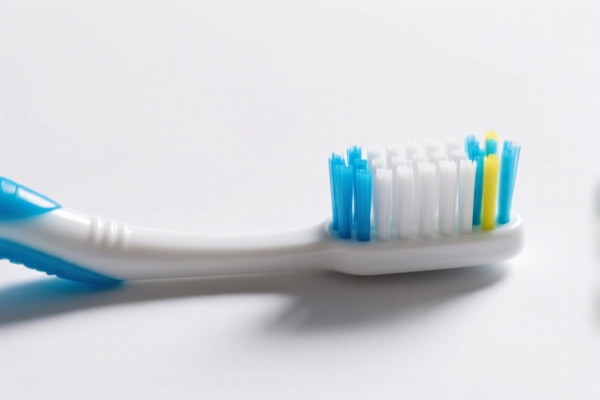
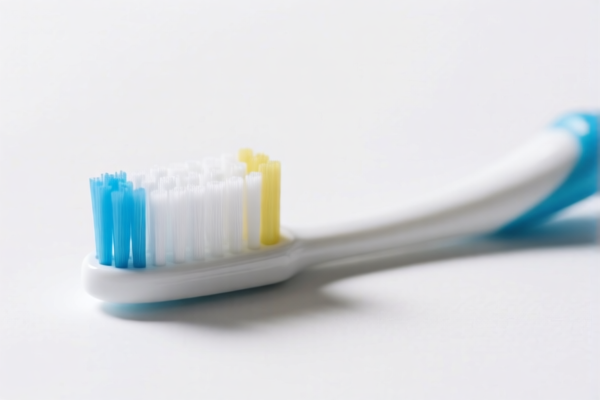
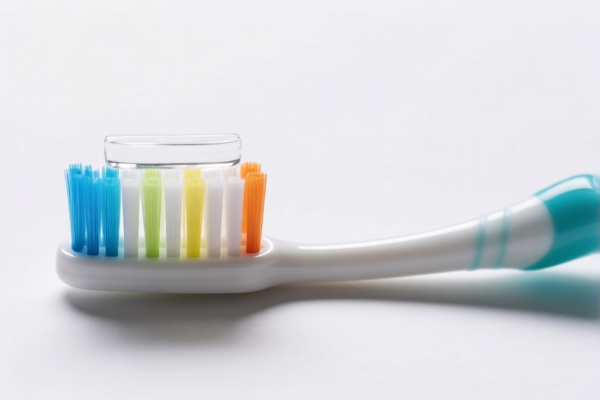
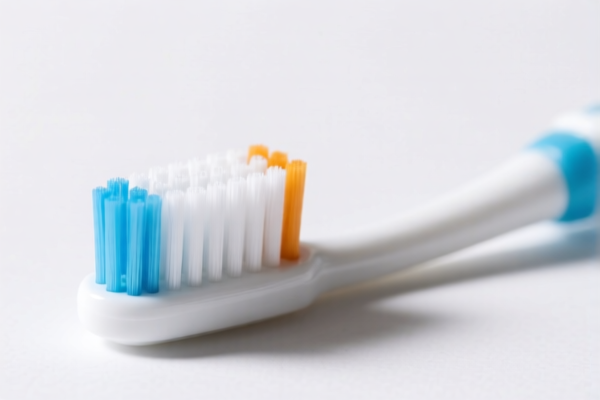
AI Analysis
👆 Finger Toothbrush & Dental Interdental Brushes
🌐 HS Code Reference & Clearance Guide | 2026 Latest Tariff Analysis | Professional Clearance Strategy
📌 Part 1: Product Definition & Classification: What Exactly Are We Shipping?
The term "Finger Toothbrush" can refer to two distinct categories in international trade, depending on the material and specific design. To avoid costly classification errors, you must distinguish between:
- Dental Interdental Brushes (Plastic/Handle): Small brushes designed to clean between teeth, often worn on a finger or held by a handle. These are classified as personal care brushes.
- Finger Toys / Finger Sleeves (Non-brush): Silicone or plastic covers for fingers, often used as toys, grips, or simple cleaning sleeves without bristles. These are classified as toys or miscellaneous manufactured articles.
⚠️ Key Distinction Point:
- If it has bristles and is used for hygiene/cleaning → It is a Brush (Chapter 96).
- If it is a solid silicone/plastic sleeve used as a toy or grip → It is a Toy (Chapter 95) or Other Article (Chapter 73/39).
📦 Part 2: HS Code Classification Details (Based on Provided Data)
| HS Code | Product Description | Summary from Data | Applicable Scenario |
|---|---|---|---|
9603.21.00.00 |
Dental Toothbrushes | "Interdental brushes belong to brushes for human use, consistent with toothbrush/dental plate brush classification." | Standard interdental brushes with bristles for oral hygiene. |
9603.29.40.90 |
Other Toiletry Brushes | "Interdental brushes belong to toiletry brushes for the human body, not explicitly hairbrushes, fitting other categories." | Non-standard shape interdental brushes or specialized dental cleaning tools. |
9503.00.00.73 |
Toys (Plastic/Rubber) | "Finger toys belong to the toy category, materials inferred as plastic or rubber with no obvious conflict." | Finger sleeves that are not bristled brushes (e.g., silicone finger cots, toys). |
7326.90.86.88 |
Other Articles of Iron/Steel | "Finger toys belong to other articles, mostly plastic or metal, fitting other iron/steel article requirements." | High-risk classification if the product contains metal parts and is not clearly a toy/brush. |
7326.19.00.80 |
Other Articles of Iron/Steel | "Finger toys are finished consumer goods made of non-metal or metal, fitting other categories of steel products." | High-risk classification for mixed-material items misclassified as general metal goods. |
🔍 Critical Analysis:
- Correct Classification: For most "Finger Toothbrushes" (bristled), use9603.21.00.00or9603.29.40.90.
- Incorrect Classification Risk: Do NOT classify bristled toothbrushes under7326...(Metal Articles). This data snippet suggests a potential misclassification scenario for "Finger Toys" that might contain metal components, leading to exorbitant tariffs.
- Toy Classification: If the product is a non-bristled silicone finger cover sold as a toy, use9503.00.00.73.
💰 Part 3: 2026 Latest Tariff Rate Breakdown (Including Surcharges & Policy Add-ons)
✅ Applicable Country: United States (US)
✅ Origin: China (CN)
✅ Effective Time: Current Trade Policies (Section 301 & IEEPA)
🎯 1. 9603.21.00.00 & 9603.29.40.90 — Dental/Toiletry Brushes
| Item | Content |
|---|---|
| Basic Duty Rate | 0.0% (Ad Valorem) |
| Section 301 Surtax | +7.5% (Additional Tariff) |
| Section 122 Tariff | +10.0% (Specific Section 122 Tariff) |
| Alternative Rate (9603.29.40.90) | 0.2¢ each + 7% + 10% (Specific Duty per unit) |
| Total Effective Rate | 7.5% (Ad Valorem) OR 10.0% (with 122) |
| Tax Calculation | CIF Value × 7.5% (or 17.5% if Section 122 is fully applied to the 0.2¢ base) |
| De Minimis Eligibility | ❌ No (High value/specific tariffs often exclude de minimis, check current CBP rulings) |
| Legal Basis Path | USITC:9603.21.00.00 → Section 301: 7.5% → Section 122: 10% |
📌 Explanation:
- Dental brushes generally have a low base duty (0%).
- However, due to Section 122 and Section 301 tariffs, the total burden is significant.
- Note: For9603.29.40.90, there is a specific duty of 0.2¢ per piece PLUS the ad valorem rates. This can be costly for high-volume, low-value items.
🎯 2. 9503.00.00.73 — Finger Toys (Non-Brush)
| Item | Content |
|---|---|
| Basic Duty Rate | 0.0% |
| Section 301 Surtax | 0.0% |
| Section 122 Tariff | +10.0% |
| Total Rate | 10.0% |
| Tax Calculation | CIF Value × 10% |
| De Minimis Eligibility | ❌ No (Generally subject to Section 122 if originating from China) |
| Legal Basis Path | USITC:9503.00.00.73 → Section 122: 10% |
📌 Note:
- If the product is truly a "toy" and not a hygiene tool, this is a cleaner tariff structure (only 10%).
- However, CBP may reclassify it as a "brush" if it is used for cleaning teeth, forcing it into the 7.5%-17.5% bracket.
🎯 3. 7326.90.86.88 & 7326.19.00.80 — Metal/Steel Articles (WARNING: High Risk)
| Item | Content |
|---|---|
| Basic Duty Rate | 2.9% |
| Section 301 Surtax | +25.0% |
| Section 122 Tariff | +10.0% |
| Steel/Aluminum/Copper Surcharge | +50.0% (If applicable under specific metal provisions) |
| Total Rate | 87.9% (or potentially higher with 50% metal surcharge) |
| Tax Calculation | CIF Value × 87.9% |
| De Minimis Eligibility | ❌ No |
| Legal Basis Path | USITC:7326.90.86.88 → Section 301: 25% → Section 122: 10% → Steel Surcharge: 50% |
🚨 CRITICAL WARNING:
- Do NOT classify finger toothbrushes under7326unless they are entirely metal mechanical parts.
- Most finger toothbrushes are plastic/silicone. Misclassifying them as "Steel Articles" triggers a 87.9% tariff.
- This is likely a misclassification error in some data sources if the product is primarily plastic. Avoid this code for plastic/silicone products.
🛠️ Part 4: Clearance Practical Advice (Avoid Pitfalls)
✅ 1. Preparation Checklist (Missing documents = Delay)
| Document | Required? | Note |
|---|---|---|
| ✅ Product Photos | ✔️ | Show bristles, handle, material (silicone/plastic). |
| ✅ Material Composition | ✔️ | Specify % of plastic, silicone, metal (if any). |
| ✅ Usage Description | ✔️ | Clearly state: "Oral hygiene interdental brush" or "Silicone finger sleeve for toys." |
| ✅ Commercial Invoice | ✔️ | Use precise description: "Nylon Bristle Interdental Toothbrush" (NOT just "Finger Toy"). |
| ✅ Country of Origin | ✔️ | Must match HS Code duty calculations. |
✅ 2. Declaration Tips (Key Mantras)
🔥 "Material Matters, Use Defines Code, Don't Mix Plastic with Steel!"
| Scenario | Correct HS Code | Mistake |
|---|---|---|
| Bristled Finger Toothbrush | 9603.21.00.00 |
Classify as Toy (9503) → Penalty for misdeclaration |
| Non-bristled Silicone Sleeve | 9503.00.00.73 |
Classify as Brush (9603) → Higher duty (17.5% vs 10%) |
| Mixed Metal/Plastic Device | Check carefully | Classify as Plastic Toy (9503) → Penalty |
| Pure Metal Dental Tool | 7326.90.86.88 |
Classify as Toy → 87.9% Duty! |
✅ 3. Special Situation Handling
| Situation | Advice |
|---|---|
| Product has Metal Handle + Plastic Head | Generally classified as Plastic/Brush (9603) if metal is minor. Declare as "Plastic Interdental Brush with Metal Core." |
| Selling as "Toy" but used for Teeth | CBP may reclassify as Brush (9603). Declare as Brush to avoid penalties. |
| High-Volume Low-Value (De Minimis) | Check if 9603 items qualify for Section 321 (800 USD exemption). Note: Section 301/122 tariffs may not be exempt under de minimis for China-origin goods. Verify current CBP guidance. |
🌍 Part 5: Market Comparison (2026)
| Country | Recommended HS Code | Est. Duty Rate | Certification |
|---|---|---|---|
| 🇺🇸 USA | 9603.21.00.00 |
7.5% - 17.5% (with surcharges) | FDA (for dental hygiene products) |
| 🇨🇳 China | 9603.21.00.00 |
0% - 5% | No special import duty |
| 🇪🇺 EU | 9603.21.00.00 |
2.7% | CE Mark (if applicable) |
| 🇬🇧 UK | 9603.21.00.00 |
2.7% | UKCA Mark |
📌 Conclusion for USA:
- The 122 Tariff (10%) and Section 301 (7.5%) make Chinese-made dental brushes expensive.
- Consider tariff engineering: If possible, design a non-bristled silicone finger sleeve (classified as Toy9503) to reduce the rate to 10% (only Section 122).
- Warning: If used for cleaning teeth, CBP may still enforce the Brush classification.
📌 Part 6: Common Errors & Pitfalls
❌ Error 1: Classifying a bristled brush as a Toy (9503)
👉 Result: CBP reclassifies → Backdated duties + Penalties.
❌ Error 2: Classifying a plastic toothbrush as a Steel Article (7326)
👉 Result: 87.9% Tariff applied to a $0.10 item → Total loss.
❌ Error 3: Ignoring the 0.2¢ per piece duty for 9603.29.40.90
👉 Result: For 100,000 units, this adds $20,000 in specific duties, not just ad valorem.
✅ Best Practice:
"Interdental Brush, Nylon Bristles, Plastic Handle, for Oral Hygiene, Made in China"
🎯 Part 7: Conclusion: Precision Saves Money!
🎯 Remember:
🔹 "Bristles = Brush (9603), No Bristles = Toy (9503)."
🔹 "Plastic is Cheap (0-10%), Steel is Expensive (87.9%)."
🔹 "Check Section 122: 10% is unavoidable for China-origin goods."
📌 Pro Tip:
If your product is a silicone finger cover (no bristles), explicitly market and declare it as a "Silicone Finger Sleeve" to qualify for 9503.00.00.73 (10% duty) instead of the higher dental brush rates. However, ensure it is not primarily marketed for dental hygiene, or CBP may override.
📣 Immediate Action:
📞 Verify Material Composition
📄 Declare Exact Usage (Hygiene vs. Toy)
🔍 Apply for Pre-Ruling if volume is high
✨ Smart Classification, Smaller Tariffs! 💼
Customer Reviews
About HS Code Classification
The Harmonized System (HS) is an internationally standardized nomenclature developed by the World Customs Organization (WCO) to classify traded products. Over 200 countries use the HS system as the basis for customs tariffs, trade statistics, and import/export regulations.
Each HS code follows a hierarchical structure:
- Chapter (2 digits) — Broad category of goods (e.g., Chapter 84: Machinery and Mechanical Appliances)
- Heading (4 digits) — More specific grouping within the chapter
- Subheading (6 digits) — Internationally standardized breakdown, used by all WCO member countries
- National subdivisions (8-10 digits) — Country-specific extensions for further classification, such as US HTSUS 10-digit codes
Correct HS code classification is essential for smooth customs clearance, accurate duty payment, and compliance with trade regulations. Misclassification can lead to customs delays, overpayment of duties, or penalties.
When importing from CN to US, the applicable tariff rates may include:
- Most-Favored-Nation (MFN) rate — The standard duty rate applied to WTO members
- General rate — Applied to countries without trade agreements
- Trade remedy duties — Additional tariffs such as Section 301 (anti-dumping), Section 232 (national security), or countervailing duties
The information provided on this page is for reference purposes only. For official classification, please consult with your local customs authority or a licensed customs broker.