Fingerprint Key Box
CN → US| HS Code | Tariff Rate | Origin | Destination | Doc |
|---|---|---|---|---|
| 8531100035 | 36.3% | CN | US | Official Doc |
| 8301106080 | 23.6% | CN | US | Official Doc |
| 8531809051 | 17.5% | CN | US | Official Doc |
| 8301406030 | 23.2% | CN | US | Official Doc |
Product Images
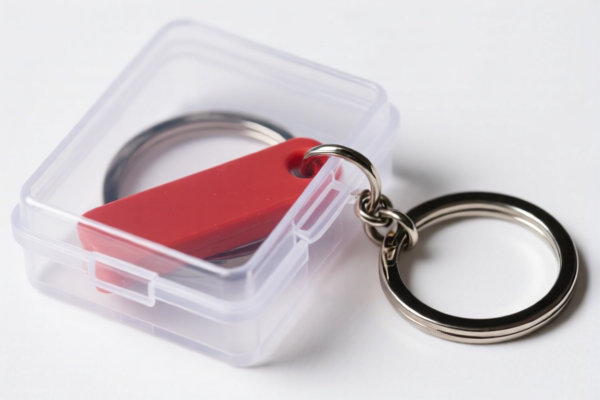
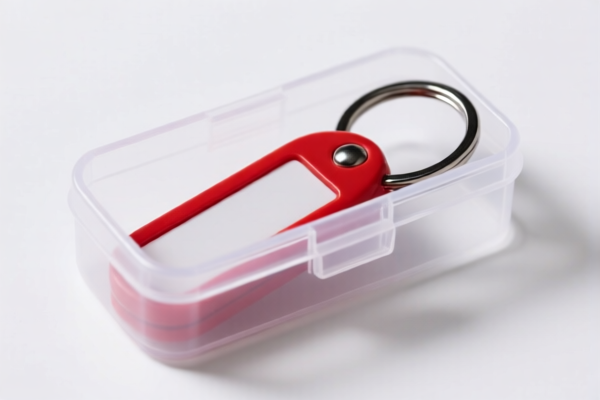
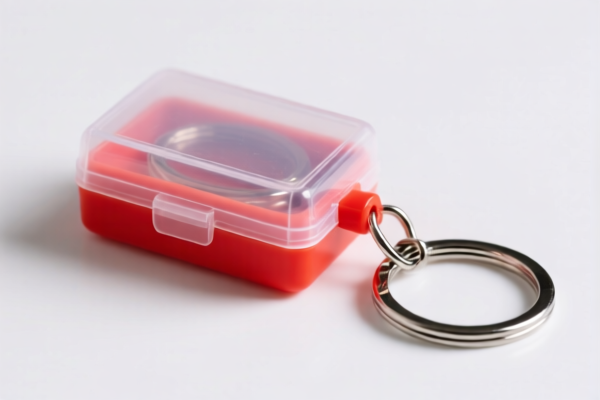
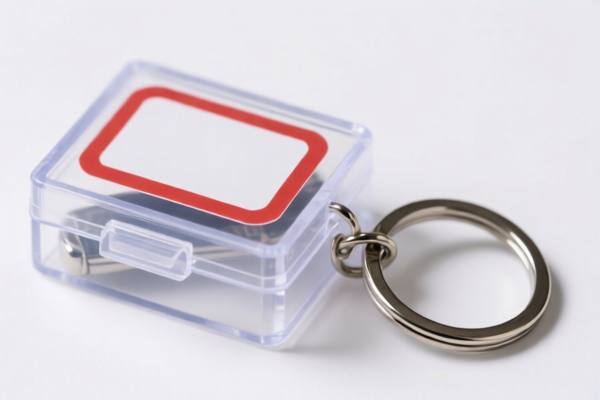
AI Analysis
🔐 Fingerprint Key Box (Smart Locks & Security Devices)
🌐 HS Code Reference & Customs Clearance Guide | 2026 Latest Tariff Analysis | Professional通关 Strategy
📌 Part 1: Product Definition & Classification: Do You Really Understand "Fingerprint Key Boxes"?
A Fingerprint Key Box is a hybrid security device combining access control (electronic locks) with storage/security signaling. In international trade, its classification depends heavily on whether it is viewed primarily as a security alarm system, an electronic signaling device, or a mechanical lock made of base metal.
⚠️ Key Distinction Point:
- Is it primarily for security signaling/alarm purposes? → Look at 8531.
- Is it primarily a mechanical/electronic lock body made of metal? → Look at 8301.
📦 Part 2: HS Code Classification Details (2026 Latest Tariff Authority Mapping)
Below are the four most relevant HS Codes for Fingerprint Key Boxes, based on functional interpretation and material composition.
| HS Code | Product Description | Application Scenario | Primary Basis for Classification |
|---|---|---|---|
8531.10.00.35 |
Other electro-acoustic or visual signaling apparatus: Other (Security Alarm/Protection) | Devices where the primary function is burglar alarm/protection signaling via visual/audible cues. | Logic aligns with security protection devices; no material conflict. |
8301.10.60.80 |
Locks, keys, etc.: Padlocks and lock cylinders: Other (Base Metal) | Viewed as a variant of padlocks; made of base metal; includes electronic structure but fits "other" under padlocks. | Common sense: material is base metal; form is padlock variant. |
8531.80.90.51 |
Other electro-acoustic or visual signaling apparatus: Other (Electronic Control/Alarms) | Devices where the fingerprint module provides electronic control/visual feedback of lock status. | Fits "other" for electronic control/alarm systems; excludes speakers/pilot lights. |
8301.40.60.30 |
Locks, keys, etc.: Other locks: Other (Electric/Combo Locks) | Viewed primarily as an "Other Lock" under the locks chapter; material is base metal. | Function: Electric/Combo lock; Material: Base metal (common sense). |
🔍 Key Reminder:
- 8531 Codes focus on the signal/alarm/electronic control aspect.
- 8301 Codes focus on the mechanical locking and metal material aspect.
- Customs may accept either, but the duty rate varies significantly due to "Section 301" and "122 Clause" tariffs.
💰 Part 3: 2026 Latest Tariff Rate Breakdown (Including Surcharges & Policy Add-ons)
✅ Applicable Country: United States (US)
✅ Origin: China (CN)
✅ Effective Time: Current rates apply (Note: Rates reflect current 301/IEEPA policies)
🎯 1. 8531.10.00.35 —— Electro-acoustic/Visual Signaling Apparatus (Security/Protection)
| Item | Details |
|---|---|
| Base Tariff | 1.3% |
| Additional Tariff (301/122) | +25.0% (Section 301) +10% (122 Clause) |
| Total Tariff | 36.3% |
| Tax Calculation | CIF Value × 36.3% |
| De Minimis Eligibility | ❌ No (High tariff rates usually deny de minimis relief for Chinese goods) |
| Legal Basis Path | USITC:8531.10.00.35 → 301:Tariff 25% → 122:Tariff 10% |
📌 Explanation:
- This code is classified under signaling apparatus. The 36.3% total rate is a combination of the low base duty and significant political surcharges.
- Suitable if the device is emphasized as a security alarm system.
🎯 2. 8301.10.60.80 —— Locks, Keys (Padlocks, Other, Base Metal)
| Item | Details |
|---|---|
| Base Tariff | 6.1% |
| Additional Tariff (301) | +7.5% (Section 301) |
| Additional Tariff (122) | +10.0% (122 Clause) |
| Total Tariff | 23.6% |
| Tax Calculation | CIF Value × 23.6% |
| De Minimis Eligibility | ❌ No |
| Legal Basis Path | USITC:8301.10.60.80 → 301:Tariff 7.5% → 122:Tariff 10% |
📌 Note:
- This is the lowest total tariff among the 4 options (23.6%).
- Classification relies on interpreting the fingerprint lock as a "padlock variant" made of base metal.
- Must ensure no conflict with flexible cable locks (8301.10.60.20).
🎯 3. 8531.80.90.51 —— Other Electro-acoustic/Visual Signaling Apparatus (Other)
| Item | Details |
|---|---|
| Base Tariff | 0.0% |
| Additional Tariff (301) | +7.5% (Section 301) |
| Additional Tariff (122) | +10.0% (122 Clause) |
| Total Tariff | 17.5% |
| Tax Calculation | CIF Value × 17.5% |
| De Minimis Eligibility | ❌ No |
| Legal Basis Path | USITC:8531.80.90.51 → 301:Tariff 7.5% → 122:Tariff 10% |
📌 Key Advantage:
- This code has a 0% base duty.
- Total rate is 17.5%, which is the second lowest.
- Best if the device is described as an electronic control unit or status indicator (visual/electrical signal) rather than a pure mechanical lock.
🎯 4. 8301.40.60.30 —— Other Locks (Electric/Combo, Other)
| Item | Details |
|---|---|
| Base Tariff | 5.7% |
| Additional Tariff (301) | +7.5% (Section 301) |
| Additional Tariff (122) | +10.0% (122 Clause) |
| Total Tariff | 23.2% |
| Tax Calculation | CIF Value × 23.2% |
| De Minimis Eligibility | ❌ No |
| Legal Basis Path | USITC:8301.40.60.30 → 301:Tariff 7.5% → 122:Tariff 10% |
📌 Note:
- Total rate is 23.2%, very close to8301.10.60.80.
- Classification is based on the "Other Locks" category, emphasizing electric/combo functionality.
- Material is assumed to be base metal (common sense for lock bodies).
🛠️ Part 4: Customs Clearance Practical Advice (Real-World Pitfall Avoidance)
✅ 1. Preparation Checklist (Must-Have Documents)
| Document | Required | Explanation |
|---|---|---|
| ✅ Product Specifications | ✔️ | Must detail: Type (Fingerprint/Code/Rfid), Material (Base Metal), Power Supply, Dimensions. |
| ✅ Circuit Diagrams | ✔️ | To prove whether it’s a "signaling device" (8531) or a "lock" (8301). |
| ✅ Product Photos | ✔️ | Clear images of the locking mechanism, keypad, and internal structure. |
| ✅ Commercial Invoice | ✔️ | Description must match the chosen HS Code logic (e.g., "Electronic Lock" vs. "Security Signaler"). |
| ✅ Material Composition | ✔️ | Confirm "Base Metal" content to support 8301 classification. |
✅ 2. Declaration Strategy (Key Mantra)
🔥 “Function Defines Code, Material Supports It, Tariff Optimization is Key!”
| Scenario | Recommended HS Code | Total Tax | Why? |
|---|---|---|---|
| Minimize Duty Cost | 8531.80.90.51 |
17.5% | Lowest total rate. Classify as "Other Signaling/Electronic Control." |
| Standard Lock Classification | 8301.40.60.30 |
23.2% | Safest "Lock" classification. Moderate duty. |
| Padlock Variant | 8301.10.60.80 |
23.6% | If it physically resembles a padlock. |
| Security System Focus | 8531.10.00.35 |
36.3% | Avoid if possible due to higher duty. |
⚠️ Critical Warning:
- Do NOT split shipments to avoid tariffs. Customs will consolidate.
- Misclassification Risk: If declared as "Locks" (8301) but customs finds no metal, they may reclassify to 8531 or 9903.33, leading to penalties.
- Material Proof: Always have metallurgy reports ready if challenged.
✅ 3. Special Cases
| Situation | Handling Advice |
|---|---|
| Plastic Body Fingerprint Lock | May not fit 8301 (Base Metal). Likely 8531 or 8302/8306 equivalents. Check material carefully. |
| OEM/Private Label | Provide design files to prove origin of design vs. manufacturing. |
| Smart Home Integration | If it primarily connects to a hub, emphasize "Electronic Control" (8531.80.90.51) for lower duty. |
🌍 Part 5: Global Market Comparison (2026)
| Country/Region | Recommended HS Code | Est. Total Duty | Certification Req. | Notes |
|---|---|---|---|---|
| 🇺🇸 USA | 8531.80.90.51 |
17.5% | FCC, UL | Best rate for China origin. |
| 🇪🇺 EU | 8301.40.60 |
~0-4% | CE, UKCA | No 301/122 tariffs. Standard MFN rates apply. |
| 🇨🇳 China | 8301.40.60 |
~5-10% | CCC | Domestic clearance varies. |
| 🇨🇦 Canada | 8301.40.60 |
~5% | IC, FCC | No Section 301 equivalent. |
| 🇲🇽 Mexico | 8301.40.60 |
0-5% | NOM | USMCA may apply if originated there. |
📌 Conclusion:
- USA is the most complex market due to Section 301 and 122 Clause tariffs.
- Option8531.80.90.51(17.5%) offers the best cost balance for US imports from China.
- EU/Canada/Mexico have much lower duties, so precise HS code matters less for cost, but more for regulation.
📌 Part 6: Common Mistakes & Pitfalls (Lessons Learned)
❌ Mistake 1: Assuming all locks are "8301" and ignoring electronic components.
👉 Consequence: Customs may reclassify to 8531 or 9903, leading to penalties and delays.
❌ Mistake 2: Claiming "De Minimis" (Section 321) for high-value fingerprint locks.
👉 Consequence: Denied. High tariff items are often excluded or flagged.
❌ Mistake 3: Ignoring the "122 Clause" tariff.
👉 Consequence: Unexpected +10% cost. Always include this in Landed Cost calculations.
❌ Mistake 4: Using vague descriptions like "Smart Lock" without specifying material/function.
👉 Consequence: Customs request for additional information, delaying clearance by weeks.
✅ Correct Practice:
"Electronic Fingerprint Lock, Base Metal Body, Battery Powered, Model XYZ, FCC Certified"
🎯 Part 7: Conclusion: Professional Classification Saves Money!
🎯 Remember the Mantra:
🔹 "Lowest Duty via 8531.80, Safest Lock via 8301.40, Avoid 8531.10 High Tax!"
🔹 "122 Clause is +10%, Plan Your Landed Cost Accordingly!"
📌 Pro Tip:
If your supplier is in Vietnam, Malaysia, or Thailand, you may be eligible for lower tariffs or exemptions.
Always apply for a Binding Ruling (Pre-classification) with US CBP if the shipment value is high.
📣 Immediate Action:
📞 Contact a Licensed Customs Broker
📤 Submit Product Specs + Circuit Diagrams
🚀 Optimize Your HS Code Choice to Save 10-20% in Duties!
✨ Professional Clearance Starts with Accurate Classification!
💼 Every Percentage Point in Duty Counts!
Customer Reviews
About HS Code Classification
The Harmonized System (HS) is an internationally standardized nomenclature developed by the World Customs Organization (WCO) to classify traded products. Over 200 countries use the HS system as the basis for customs tariffs, trade statistics, and import/export regulations.
Each HS code follows a hierarchical structure:
- Chapter (2 digits) — Broad category of goods (e.g., Chapter 84: Machinery and Mechanical Appliances)
- Heading (4 digits) — More specific grouping within the chapter
- Subheading (6 digits) — Internationally standardized breakdown, used by all WCO member countries
- National subdivisions (8-10 digits) — Country-specific extensions for further classification, such as US HTSUS 10-digit codes
Correct HS code classification is essential for smooth customs clearance, accurate duty payment, and compliance with trade regulations. Misclassification can lead to customs delays, overpayment of duties, or penalties.
When importing from CN to US, the applicable tariff rates may include:
- Most-Favored-Nation (MFN) rate — The standard duty rate applied to WTO members
- General rate — Applied to countries without trade agreements
- Trade remedy duties — Additional tariffs such as Section 301 (anti-dumping), Section 232 (national security), or countervailing duties
The information provided on this page is for reference purposes only. For official classification, please consult with your local customs authority or a licensed customs broker.