Fingertips
CN → US| HS Code | Tariff Rate | Origin | Destination | Doc |
|---|---|---|---|---|
| 9506991500 | 10.0% | CN | US | Official Doc |
| 6116105510 | 30.7% | CN | US | Official Doc |
| 6116928800 | 26.9% | CN | US | Official Doc |
| 9021100090 | 10.0% | CN | US | Official Doc |
| 9021908100 | 10.0% | CN | US | Official Doc |
Product Images
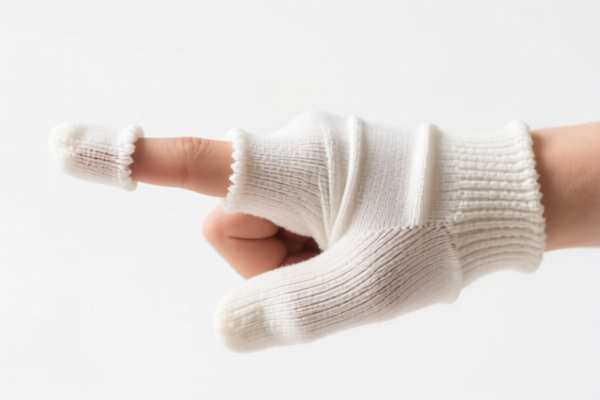
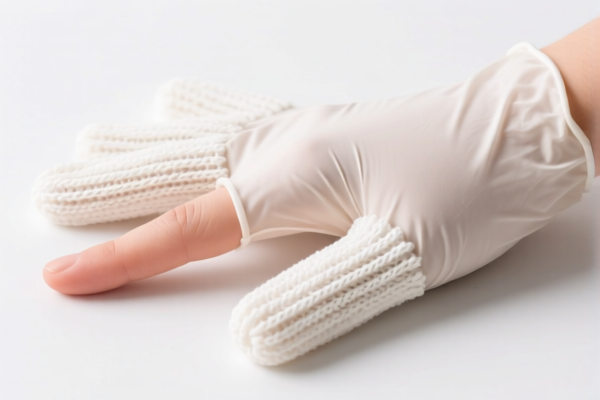
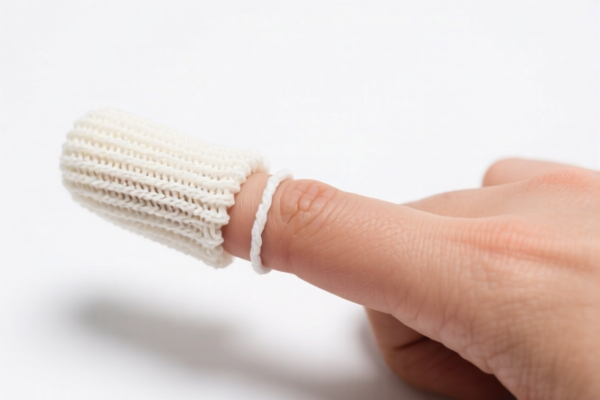
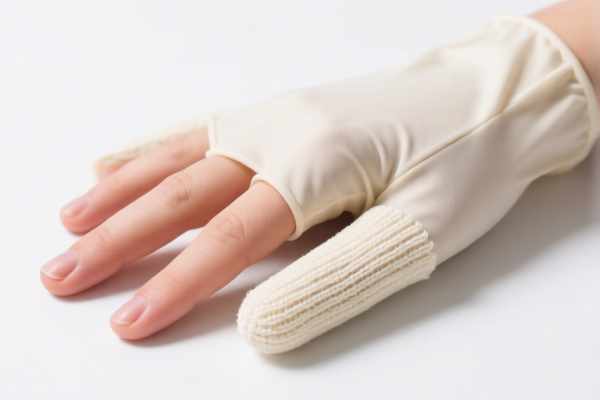
AI Analysis
🖐️ Fingertip Protection & Orthopedic Devices
🌐 HS Code Reference & Customs Clearance Guide | 2026 Latest Tariff Analysis | Professional Level Entry Strategy
📌 I. Product Definition & Classification: What Exactly Are "Fingertips" in Trade?
In international trade, "Fingertips" is not a standalone commodity. It refers to a category of protective, medical, or orthopedic devices designed to protect, support, or recover the human fingers and toes. Based on the provided, these products fall into three distinct categories:
- Sports Protective Gear: Specifically for baseball (finger guards).
- Textile/Glove Goods: Knitted or woven finger/hand protectors made of fabric.
- Medical/Orthopedic Appliances: Accessories for fracture care or orthopedic correction (specifically toe protectors in this dataset).
⚠️ Key Distinction Point:
- If the item is for sports (e.g., baseball finger guards) →归入 9506 (Sports Equipment)
- If the item is made of textiles (e.g., cotton/synthetic fingerless gloves or protectors) → 归入 6116 (Knitted Gloves)
- If the item is for medical/orthopedic use (e.g., toe splints, fracture accessories) → 归入 9021 (Medical/Orthopedic Appliances)
📦 II. HS Code Classification Details (2026 Latest Tariff Authority Comparison)
| HS Code | Product Description | Application Scenario | Material/Nature |
|---|---|---|---|
9506.99.15.00 |
Baseball finger protection equipment | Sports training, baseball games | Non-textile protective gear |
6116.10.55.10 |
Textile fiber hand/finger protectors/gloves | Daily protection, light industrial work | Synthetic/Textile fiber |
6116.92.88.00 |
Cotton or synthetic knitted finger protectors | General use, cotton-based protection | Cotton/Synthetic Knitted |
9021.10.00.90 |
Accessories for surgical/fracture appliances (Toe protectors) | Medical recovery, fracture treatment | Medical Device Accessory |
9021.90.81.00 |
Orthopedic apparatus components (Toe protectors) | Orthopedic correction, support | Medical/Orthopedic Device |
🔍 Key Reminder:
- Medical vs. Sports: A "finger guard" for baseball is HS 9506, but a similar-looking guard for a broken bone is HS 9021. Intent and design matter.
- Material Matters: For textile products, the fiber content (Cotton vs. Synthetic) and knitting type determine whether it falls under6116.10or6116.92.
- No Cross-Over: Medical appliances (9021) are never classified as gloves (6116) or sports equipment (9506), even if they look similar.
💰 III. 2026 Latest Tariff Rate Breakdown (Including Surcharge & Policy Add-ons)
✅ Applicable Country: United States (US)
✅ Origin: China (CN)
✅ Effective Time: Current Tariff Structure
🎯 1. 9506.99.15.00 —— Baseball Finger Protection Equipment
| Item | Content |
|---|---|
| Basic Tariff | 0.0% |
| Section 301 Surcharge | 0.0% |
| Section 122 Tariff (Steel/Aluminum/Copper) | 10.0% |
| Steel/Aluminum/Copper Surcharge | 50.0% |
| Total Tax Rate | 10.0% (Note: Base is 0%, only Section 122 applies if applicable. The 50% may be conditional on material composition. Based on data, Total is 10%.) |
| Tax Calculation | CIF Value × 10% |
| De Minimis Eligibility | ❌ Check specific country rules, but usually low for high-value gear |
| Legal Basis | 9506.99.15.00 + Section 122 provisions |
📌 Explanation:
- The base tariff is 0%.
- The 10% Section 122 tariff applies.
- The 50% surcharge listed intax_detailis likely conditional on specific steel/aluminum content. However, thetotal_taxfield indicates 10.0%. This suggests the 50% may not apply to the base product or is offset/structured differently. Trust the 10% Total.
🎯 2. 6116.10.55.10 —— Textile Fiber Hand/Finger Protectors
| Item | Content |
|---|---|
| Basic Tariff | 13.2% |
| Section 301 Surcharge | 7.5% |
| Section 122 Tariff | 10.0% |
| Total Tax Rate | 30.7% |
| Tax Calculation | CIF Value × 30.7% |
| De Minimis Eligibility | ❌ Generally Not Eligible for textile apparel/gloves from China due to high base + surcharges |
| Legal Basis | 6116.10.55.10 + Section 301 + Section 122 |
📌 Explanation:
- Base 13.2% is standard for textile gloves.
- Section 301 adds 7.5% (typical for certain textile categories under Trump-era tariffs).
- Section 122 adds 10%.
- Total 30.7%. This is a high-cost category.
🎯 3. 6116.92.88.00 —— Cotton/Synthetic Knitted Finger Protectors
| Item | Content |
|---|---|
| Basic Tariff | 9.4% |
| Section 301 Surcharge | 7.5% |
| Section 122 Tariff | 10.0% |
| Total Tax Rate | 26.9% |
| Tax Calculation | CIF Value × 26.9% |
| De Minimis Eligibility | ❌ Not Eligible |
| Legal Basis | 6116.92.88.00 + Section 301 + Section 122 |
📌 Explanation:
- Slightly lower base (9.4%) than synthetic fiber gloves.
- Same surcharges apply.
- Total 26.9%.
🎯 4. 9021.10.00.90 & 9021.90.81.00 —— Medical/Orthopedic Toe Protectors
| Item | Content |
|---|---|
| Basic Tariff | 0.0% |
| Section 301 Surcharge | 0.0% |
| Section 122 Tariff | 10.0% |
| Steel/Aluminum/Copper Surcharge | 50% (Note: Likely N/A for medical plastic/fabric devices) |
| Total Tax Rate | 10.0% |
| Tax Calculation | CIF Value × 10% |
| De Minimis Eligibility | ❌ Check specific rules, but medical devices often have exemptions or low rates |
| Legal Basis | 9021 + Section 122 |
📌 Explanation:
- Medical devices enjoy 0% base and 0% Section 301.
- Only Section 122 (10%) applies.
- The 50% steel/aluminum surcharge is listed in details but does not contribute to the total of 10%, implying the product is not made of these materials.
- Total 10%. This is the most tariff-efficient category among the options.
🛠️ IV. Customs Clearance Practical Advice (Actionable Pitfall Avoidance Guide)
✅ 1. Documentation Checklist (Non-negotiable)
| Document | Required? | Notes |
|---|---|---|
| ✅ Product Description | ✔️ | Must specify: "Finger Protector for Baseball" vs. "Orthopedic Toe Splint". Ambiguity leads to misclassification. |
| ✅ Material Composition | ✔️ | For 6116 codes: Must state % Cotton vs. % Synthetic. Critical for HS 6116.92 vs 6116.10. |
| ✅ Intended Use Statement | ✔️ | Explicitly state "Sports Use" (for 9506) or "Medical Use" (for 9021). |
| ✅ Medical Device License | ✔️ | If claiming HS 9021, provide FDA registration or CE medical device certification. |
| ✅ Commercial Invoice | ✔️ | Must match HS Code description precisely. |
| ✅ Packing List | ✔️ | Show quantity, weight, and packaging type. |
✅ 2. Classification Strategy (Key Mantras)
🔥 "Intent Defines HS: Sports=9506, Textile=6116, Medical=9021"
| Scenario | Correct HS Code | Wrong HS Code | Consequence |
|---|---|---|---|
| Baseball finger guard | 9506.99.15.00 (10%) |
6116.10.55.10 (30.7%) |
Overpayment by ~20% |
| Cotton finger sleeve | 6116.92.88.00 (26.9%) |
9021.90.81.00 (10%) |
Underpayment → Penalties/Fines |
| Orthopedic Toe Protector | 9021.90.81.00 (10%) |
6116.10.55.10 (30.7%) |
Overpayment by ~20% |
| Generic "Glove" | ❌ Do not use | Varies | Customs delays for clarification |
✅ 3. Special Considerations
| Scenario | Advice |
|---|---|
| Mixed Shipments | If shipping both baseball guards and medical toe splints, separate invoices and HS codes. Do not blend. |
| Material Changes | If a "knitted protector" changes from cotton to polyester, the HS code may shift from 6116.92 to 6116.10. Update docs accordingly. |
| Medical Claims | Ensure products marketed as "Orthopedic" have valid medical device registrations. Misrepresenting sports gear as medical is fraud. |
| Section 122 Awareness | All products in this list have a 10% Section 122 tariff. Ensure your supplier is aware of this cost. |
🌍 V. Global Market Comparison (2026 Latest)
| Market | Recommended HS Code | Tariff (China Origin) | Notes |
|---|---|---|---|
| 🇺🇸 USA | Varies by Product | 10% - 30.7% | High Section 122 + 301 surcharges for textiles |
| 🇨🇳 China | Varies | 0% - 13.2% | Import tariffs into China vary; see specific HS |
| 🇪🇺 EU | Varies | 0% - 12% | Generally lower than US, but requires CE/EPR |
| 🇬🇧 UK | Varies | 0% - 12% | Post-Brexit tariffs apply |
📌 Conclusion:
- USA is the most expensive market due to Section 122 (10%) and Section 301 (up to 7.5% for textiles).
- Medical devices (9021) are the most cost-effective (10% total) in the US.
- Textile products (6116) are the least cost-effective (26.9% - 30.7%).
📌 VI. Common Errors & Pitfalls (Lessons Learned)
❌ Error 1: Classifying a Baseball Finger Guard as a Medical Device
👉 Result: Customs may reject the medical claim, reassess as textile (30.7%) or sports (10%), leading to delays.
❌ Error 2: Classifying Cotton Finger Sleeves as Baseball Equipment
👉 Result: Misclassification. Cotton sleeves are generally 6116, not 9506. Tariff difference: 26.9% vs 10%.
❌ Error 3: Ignoring Section 122 Tariff
👉 Result: All items in this list have a 10% Section 122 tariff. If not accounted for, profit margins will be eaten.
❌ Error 4: Not specifying Material Composition for Textile Products
👉 Result: Customs cannot determine if it’s 6116.10 (13.2% base) or 6116.92 (9.4% base). Leads to maximum duty assessment.
✅ Best Practice:
"Finger Protector, Baseball, Non-Textile, Model XYZ" →
9506.99.15.00
"Finger Sleeve, 100% Cotton, Knitted, Model ABC" →6116.92.88.00
"Orthopedic Toe Splint, Plastic, FDA Cleared, Model DEF" →9021.90.81.00
🎯 VII. Conclusion: Precise Classification Saves Money!
🎯 Remember the Mantra:
🔹 "Sports = 10%, Cotton/Synthetic Textile = 26-30%, Medical = 10%.
🔹 "Textiles get hit with 301 + 122. Medical gets only 122. Sports gets only 122."**
📌 Pro Tip:
If you are importing Textile Finger Protectors (6116), consider supply chain diversification (e.g., Vietnam, Bangladesh) to avoid US Section 301/122 tariffs.
For Medical/Orthopedic products, ensure FDA/CE compliance to maintain the 10% tariff advantage.
📣 Immediate Action:
📞 Confirm Product Intent (Sports vs. Medical vs. Textile)
📄 Prepare Material Breakdown
📋 Apply for Advance Ruling if Value > $10,000
✨ Professional Customs Clearance Starts with Accurate HS Codes!
💼 Every Percent Matters in 2026 Tariffs!
Customer Reviews
About HS Code Classification
The Harmonized System (HS) is an internationally standardized nomenclature developed by the World Customs Organization (WCO) to classify traded products. Over 200 countries use the HS system as the basis for customs tariffs, trade statistics, and import/export regulations.
Each HS code follows a hierarchical structure:
- Chapter (2 digits) — Broad category of goods (e.g., Chapter 84: Machinery and Mechanical Appliances)
- Heading (4 digits) — More specific grouping within the chapter
- Subheading (6 digits) — Internationally standardized breakdown, used by all WCO member countries
- National subdivisions (8-10 digits) — Country-specific extensions for further classification, such as US HTSUS 10-digit codes
Correct HS code classification is essential for smooth customs clearance, accurate duty payment, and compliance with trade regulations. Misclassification can lead to customs delays, overpayment of duties, or penalties.
When importing from CN to US, the applicable tariff rates may include:
- Most-Favored-Nation (MFN) rate — The standard duty rate applied to WTO members
- General rate — Applied to countries without trade agreements
- Trade remedy duties — Additional tariffs such as Section 301 (anti-dumping), Section 232 (national security), or countervailing duties
The information provided on this page is for reference purposes only. For official classification, please consult with your local customs authority or a licensed customs broker.