Fir Timber for Agricultural Supports
CN → US| HS Code | Tariff Rate | Origin | Destination | Doc |
|---|---|---|---|---|
| 4404100080 | 35.0% | CN | US | Official Doc |
| 4404100040 | 10.0% | CN | US | Official Doc |
| 4418300100 | 38.2% | CN | US | Official Doc |
| 4418919140 | 38.2% | CN | US | Official Doc |
| 4407120058 | 35.0% | CN | US | Official Doc |
| 4407120059 | 35.0% | CN | US | Official Doc |
Product Images
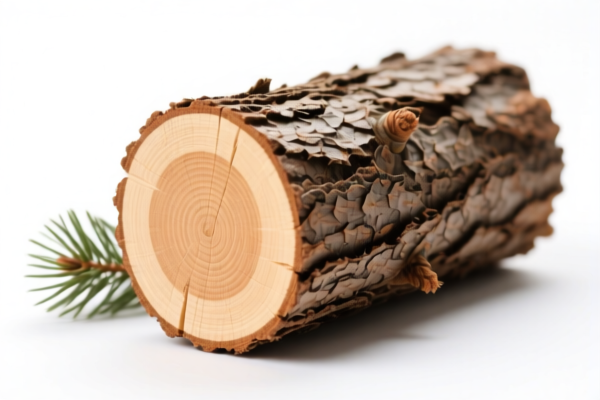
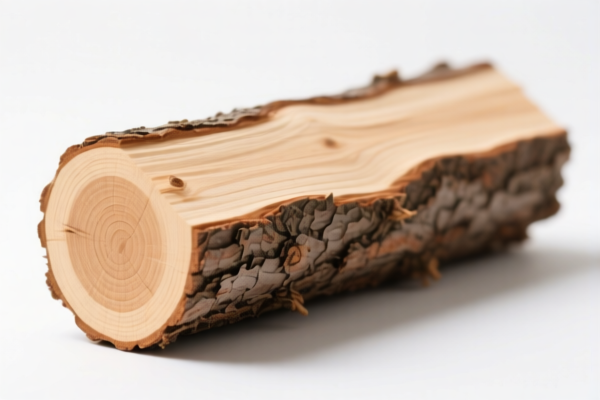
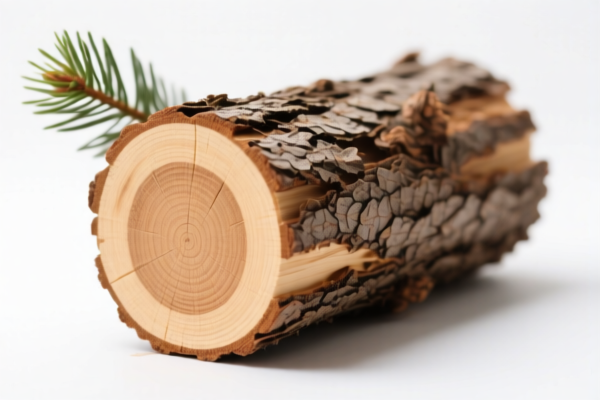
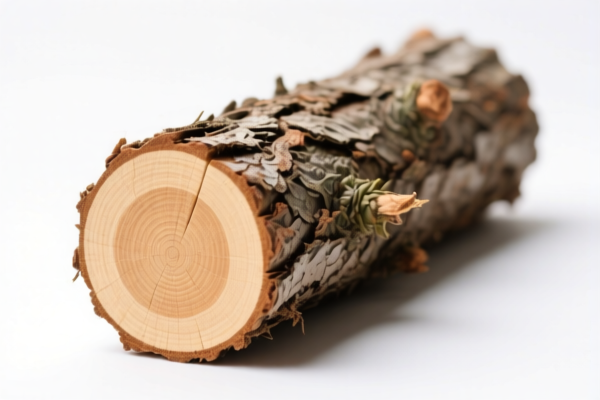
AI Analysis
🌲 Fir Timber for Agricultural Supports (Agri-Supports)
🌐 HS Code Reference & Customs Clearance Guide | 2026 Latest Tariff Analysis | Professional Clearance Strategy
📌 I. Product Definition & Classification: What is "Fir Timber for Agricultural Supports"?
Fir timber intended for agricultural supports refers to processed coniferous wood, specifically from the genus Abies (Fir), cut or shaped to be used as structural supports in farming activities (e.g., plant trellises, stake supports, frame construction). In international trade, this product is categorized based on its processing level and form. The key distinction lies in whether the wood is sawn/planned (processed into beams/beams-like structures) or split/rough (stakes/piles).
⚠️ Critical Distinction:
- If the wood is sawn, chipped lengthwise, sliced, or peeled (even if planed or sanded) with a thickness >6mm → It falls under Chapter 44, Heading 4407 (Wood Sawn).
- If the wood is split poles, stakes, or roughly trimmed sticks (not sawn lengthwise) → It falls under Chapter 44, Heading 4404 (Hoopwood/Split Poles).
- Note: The provided data does not include treated or painted fir timber, only "Not treated" categories.
📦 II. HS Code Classification Details (Based on Provided Data)
Below are the specific HS Codes from the provided dataset applicable to Fir (Abies spp.) timber used for agricultural supports.
🏗️ Category A: Sawn/Planed Wood (Structural Supports)
Used for larger agricultural structures, frames, or sturdy posts that require sawn precision.
| HS Code | Product Description | Application in Agriculture |
|---|---|---|
4407.12.00.58 |
Fir (Abies spp.): Rough Coniferous wood sawn/chipped lengthwise, thickness >6mm, Not treated. |
Ideal for rough-hewn beams, untreated support posts, or rustic agricultural frames where appearance is secondary to function. |
4407.12.00.59 |
Fir (Abies spp.): Other Coniferous wood sawn/chipped lengthwise, thickness >6mm, Not treated. |
For planed, sanded, or end-jointed fir boards used in more refined agricultural structures or greenhouses. |
🥢 Category B: Split Poles & Stakes (Direct Plant Supports)
Used for individual plant support, fencing, or rough-hewn agricultural stakes.
| HS Code | Product Description | Application in Agriculture |
|---|---|---|
4404.10.00.80 |
Coniferous: Poles, piles and posts Hoopwood; split poles; piles, pickets, and stakes of wood, pointed but not sawn lengthwise. |
Best for direct plant staking (tomatoes, vines), garden posts, or rustic fencing. These are split or roughly shaped, not sawn planks. |
4404.10.00.40 |
Coniferous: Fence pickets, palings and rails Hoopwood; split poles; pointed but not sawn lengthwise. |
Specifically for agricultural fencing, boundary markers, or palisade supports. |
🏠 Category C: Assembled/Pre-fabricated Structural Members
If the "supports" are pre-assembled into beams or frames.
| HS Code | Product Description | Application in Agriculture |
|---|---|---|
4418.30.01.00 |
Builders' Joinery: Posts and Beams Assembled flooring panels or structural members (excluding subheadings 4418.81-89). |
Pre-fabricated beams for barns, large greenhouse frames, or livestock shelter structures. |
4418.91.91.40 |
Builders' Joinery: Other Fabricated Structural Wood Members Of Bamboo (Note: Data lists Bamboo, but description says "Other fabricated structural..."). |
Caution: This specific HS code in the data is linked to Bamboo in the description column. If your product is Fir, do NOT use this code unless it is incorrectly labeled in the source. For Fir structural members, stick to 4407 or 4418.30.01.00. |
🔍 Key Reminder for Agricultural Supports:
- If the support is a single, rough stick driven into the ground → Use4404.10.00.80.
- If the support is a cut plank or beam for framing → Use4407.12.00.58or59.
- If it is a pre-made post/beam assembly → Use4418.30.01.00.
💰 III. 2026 Latest Tariff Rate Breakdown (Detailed Tax Clauses)
✅ Applicable Country: United States (US)
✅ Origin: China (CN) (Assumed based on tax structure in data: 25% additional tax)
✅ Effective Date: Current USITC/Section 301 Tariffs
🎯 1. 4407.12.00.58 & 4407.12.00.59 — Sawn Fir Timber (Rough/Other)
| Item | Detail |
|---|---|
| Base Tariff Rate | 0.0% (Ad valorem) |
| Additional Tariff (Section 301) | +25.0% |
| Total Effective Tax Rate | 25.0% |
| Tax Calculation | CIF Value × 25% |
| De Minimis Exemption? | ❌ No (Value threshold does not apply to Section 301 goods) |
| Legal Basis | USITC: 4407.12.00.58/59 → Section 301 Footnote → Total 25% |
📌 Explanation:
- Although the base MFN (Most Favored Nation) rate for sawn wood is 0%, the 25% additional tariff applies due to US-China trade measures.
- This is a flat percentage of the declared CIF value. No volume discounts or exemptions for "agricultural use" apply here.
🎯 2. 4404.10.00.80 & 4404.10.00.40 — Split Poles/Stakes (Coniferous)
| Item | Detail |
|---|---|
| Base Tariff Rate | 0.0% (Ad valorem) |
| Additional Tariff (Section 301) | +25.0% |
| Total Effective Tax Rate | 25.0% |
| Tax Calculation | CIF Value × 25% |
| De Minimis Exemption? | ❌ No |
| Legal Basis | USITC: 4404.10.00.80/40 → Section 301 Footnote → Total 25% |
📌 Explanation:
- Same as above. Whether it’s sawn planks or split stakes, coniferous wood from China faces the 25% additional duty.
🎯 3. 4418.30.01.00 — Posts and Beams (Builders' Joinery)
| Item | Detail |
|---|---|
| Base Tariff Rate | 3.2% (Ad valorem) |
| Additional Tariff (Section 301) | +25.0% |
| Total Effective Tax Rate | 28.2% |
| Tax Calculation | CIF Value × 28.2% |
| De Minimis Exemption? | ❌ No |
| Legal Basis | USITC: 4418.30.01.00 → Section 301 Footnote → Total 28.2% |
📌 Explanation:
- If the agricultural support is sold as a pre-fabricated structural member (e.g., a beam ready for installation), the base rate is higher (3.2%), leading to a total of 28.2%.
- Cost-Saving Tip: Declare as raw sawn wood (4407) or split stakes (4404) if permitted by the product’s physical form, as the rate is lower (25% vs 28.2%).
🛠️ IV. Customs Clearance Practical Advice (Real-World Pitfall Guide)
✅ 1. Documentation Checklist (Mandatory)
| Document | Required? | Notes |
|---|---|---|
| ✅ Commercial Invoice | ✔️ | Must clearly state "Fir Wood" and "Not Treated". Avoid vague terms like "Wooden Parts". |
| ✅ Packing List | ✔️ | Specify dimensions, thickness, and whether the wood is sawn or split. |
| ✅ Phytosanitary Certificate | ✔️ | Crucial for Wood Products! USDA APHIS requires this to prove freedom from pests (e.g., bark beetles). |
| ✅ ISPM 15 Mark | ✔️ | If the wood is packaged (pallets/crates), they must be heat-treated/fumigated and marked. |
| ✅ Product Photos | ✔️ | Show end-grain (to prove coniferous/Fir) and surface treatment (must be "Not Treated"). |
✅ 2. Declaration Tips (Key Mantras)
🔥 “Describe the Process: Sawn vs. Split!”
| Scenario | Correct HS Code | Risk of Misclassification |
|---|---|---|
| Raw stakes, pointed, not sawn | 4404.10.00.80 |
❌ Risk: If declared as "sawn", customs may audit for pest control discrepancies. |
| Planed boards for frames | 4407.12.00.59 |
❌ Risk: If declared as "raw", it may trigger unnecessary inspections for planed wood. |
| Pre-assembled beam | 4418.30.01.00 |
❌ Risk: Higher tax (28.2%). Declare as component parts if possible. |
| "Treated" or "Painted" Fir | Not in Data | ⚠️ Warning: The provided data only covers "Not Treated". If your wood is pressure-treated, it falls under different HS codes (e.g., 4407.12.00 with different suffixes) with potentially different tax rates. Check updated tariff schedules if treated. |
✅ 3. Special Agricultural Considerations
| Situation | Recommendation |
|---|---|
| Wood with Bark Attached | High risk of pest interception. Ensure Phytosanitary Certificate is flawless. Consider debarking to simplify clearance. |
| Mixed Species | If mixed with Spruce (Picea), it may fall under 4407.12.00.58 (Fir & Spruce). Ensure accurate species identification. |
| Small Sample Imports | Still subject to 25% tariff. De minimis does not apply to Section 301 goods. |
🌍 V. Global Market Comparison (2026)
| Market | Recommended HS Code (Fir) | Base Tariff | Additional Tax | Total Rate | Notes |
|---|---|---|---|---|---|
| 🇺🇸 USA | 4407.12.00.58 / 4404.10.00.80 |
0% | +25% | 25% | Section 301 applies. Phytosanitary strict. |
| 🇨🇳 China | 4407.12.00 / 4404.10 |
~5-10% | None | ~5-10% | Lower base rates. No US-style additional taxes. |
| 🇪🇺 EU | 4407.12 / 4404.10 |
0% | None | 0% | Often 0% base. Check for EUDR (Deforestation Regulation) compliance. |
| 🇨🇦 Canada | 4407.12 / 4404.10 |
0% | None | 0% | CUSMA free trade (if Canadian origin). |
📌 Conclusion:
- The USA is the most expensive market for Chinese Fir timber due to the 25% additional tariff.
- EU offers the best duty-free access (0%), but compliance with EUDR is becoming critical.
📌 VI. Common Errors & Pitfalls (Lessons Learned)
❌ Error 1: Declaring "Treated Wood" as "Not Treated"
👉 Consequence: False declaration, fines, and cargo seizure. The data provided only covers "Not Treated". If treated, the HS code may differ.
❌ Error 2: Using "Bamboo" HS Code (4418.91.91.40) for Fir
👉 Consequence: Misclassification. The data lists this code under "Of Bamboo". Fir is Coniferous, not Bamboo. Use 4407 or 4404.
❌ Error 3: Ignoring Phytosanitary Requirements
👉 Consequence: Cargo held at port for weeks. Wood imports always require health certificates to prevent invasive species.
❌ Error 4: Splitting Shipment to Avoid 25% Tax
👉 Consequence: Illegal circumvention. Customs tracks patterns. Consolidated shipments of Section 301 goods remain taxable.
✅ Correct Approach:
"De-barked, Sawn/Split, Not Treated, Fir (Abies spp.)"
Include: Commercial Invoice, Packing List, Phytosanitary Certificate.
🎯 VII. Conclusion: Professional Clearance, Cost Efficiency!
🎯 Remember the Mantra:
🔹 "Sawn = 4407 (25%) | Split = 4404 (25%) | Assembled = 4418 (28.2%)"
🔹 "No Treatment? Then Not Treated. Treat it? Then Different Code!"
🔹 "Phytosanitary Cert is King for Wood Imports!"
📌 Pro Tip:
If your agricultural supports are pre-fabricated beams, consider declaring them as components (sawn wood) rather than assembled structures to save 3.2% in base duties (25% vs 28.2%). Always verify with a customs broker.
📣 Immediate Action:
📞 Contact a licensed customs broker.
📄 Prepare Phytosanitary Certificate.
🏷️ Clearly label products as "Fir Wood, Not Treated".
🚀 Clear customs smoothly, save 3.2%, and protect your supply chain!
✨ Professional clearance starts with accurate classification!
💼 Your timber’s value deserves precise tax calculation!
Customer Reviews
About HS Code Classification
The Harmonized System (HS) is an internationally standardized nomenclature developed by the World Customs Organization (WCO) to classify traded products. Over 200 countries use the HS system as the basis for customs tariffs, trade statistics, and import/export regulations.
Each HS code follows a hierarchical structure:
- Chapter (2 digits) — Broad category of goods (e.g., Chapter 84: Machinery and Mechanical Appliances)
- Heading (4 digits) — More specific grouping within the chapter
- Subheading (6 digits) — Internationally standardized breakdown, used by all WCO member countries
- National subdivisions (8-10 digits) — Country-specific extensions for further classification, such as US HTSUS 10-digit codes
Correct HS code classification is essential for smooth customs clearance, accurate duty payment, and compliance with trade regulations. Misclassification can lead to customs delays, overpayment of duties, or penalties.
When importing from CN to US, the applicable tariff rates may include:
- Most-Favored-Nation (MFN) rate — The standard duty rate applied to WTO members
- General rate — Applied to countries without trade agreements
- Trade remedy duties — Additional tariffs such as Section 301 (anti-dumping), Section 232 (national security), or countervailing duties
The information provided on this page is for reference purposes only. For official classification, please consult with your local customs authority or a licensed customs broker.