Fir Wood for Furniture
CN → US| HS Code | Tariff Rate | Origin | Destination | Doc |
|---|---|---|---|---|
| 4410110060 | 35.0% | CN | US | Official Doc |
| 4410190060 | 35.0% | CN | US | Official Doc |
| 4401220000 | 35.0% | CN | US | Official Doc |
| 9403910080 | 35.0% | CN | US | Official Doc |
| 4418999195 | 38.2% | CN | US | Official Doc |
Product Images
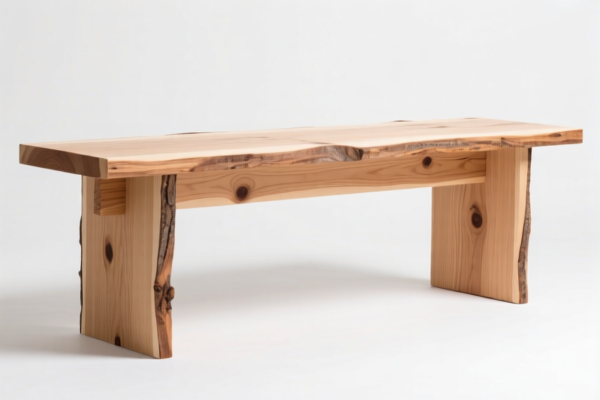
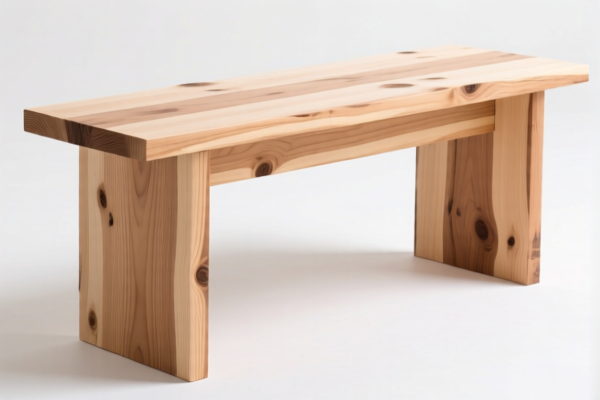
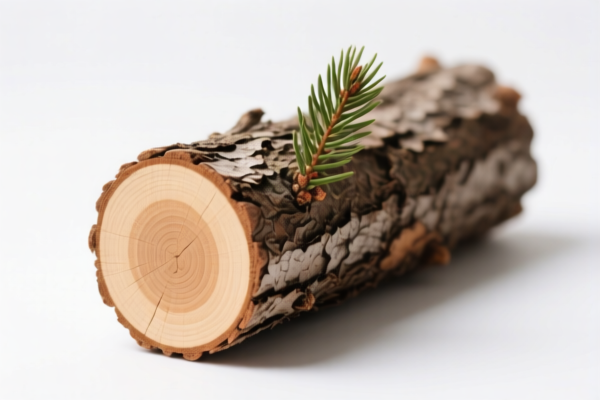
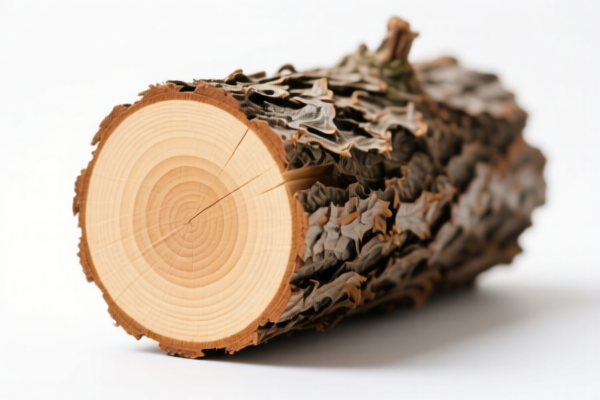
AI Analysis
🪵 Fir Wood for Furniture (Cold-Checked/Fir Timber)
🌐 HS Code Reference & Customs Clearance Guide | 2026 Latest Tariff Analysis | Professional Clearance Strategy
📌 I. Product Definition & Classification: Do You Really Understand "Fir Wood for Furniture"?
Fir wood (specifically Cold Fir or Douglas Fir commonly used in furniture) is a versatile timber resource. In international trade, its classification depends heavily on its state of processing (raw, crushed, or semi-finished) and specific use.
Raw/Processed Timber (4410/4401 Series):
- Wood Chips/Crushed Wood: Used as raw material for particle board or furniture panels.
- Wood Granules/Pellets: If intended for fuel or biomass, but here specified for furniture manufacturing, implying raw material for composite boards.
Semi-Finished Furniture Parts (9403/4418 Series):
- Pre-cut/Framed Parts: If the "Fir Wood" is already shaped into frames, legs, or structural components specifically for furniture assembly.
- Architectural/Woodwork Items: If it falls under specific joinery or structural wood products.
⚠️ Key Distinction:
- If it is raw chips/crushed wood → Classify under 4410 (Particle Board/MDF raw material) or 4401 (Wood Chips).
- If it is raw logs/planks processed for furniture parts → May fall under 9403 (Parts of Furniture) if specifically identifiable as furniture parts.
- If it is structural woodwork (e.g., beams, specific joinery) → May fall under 4418.
📦 II. HS Code Classification Details (2026 Latest Tariff Authority Comparison)
| HS Code | Product Description | Application Scenario | Processing State |
|---|---|---|---|
4410.11.00.60 |
Wood Chips for Furniture: Material: Wood; Form: Chips; Fits semi-finished characteristics of Particle Board category. | Raw material for particle board/MDF furniture panels. | ✅ Chips/Crushed |
4410.19.00.60 |
Other Wood Chips/Sheets for Furniture: Material: Wood; Form: Other sheet/board forms; Chips as primary raw material. | Alternative wood chip forms for furniture manufacturing. | ✅ Other Chips/Sheets |
4401.22.00.00 |
Non-Coniferous Wood Chips/Pellets: Material: Wood; Form: Chips; Fits definition of non-coniferous wood chips/pellets. | Note: If Fir is classified as non-coniferous in specific local interpretations, or if mixed. Fir is generally coniferous, but this code applies if specified as non-coniferous chips/pellets for furniture raw material. | ✅ Chips/Pellets |
9403.91.00.80 |
Other Wooden Furniture Parts: Material: Wooden; Use: Furniture-related; Fits "Other Wooden Furniture Parts". | Pre-cut fir wood frames, legs, or structural components for furniture assembly. | ✅ Semi-finished Parts |
4418.99.91.95 |
Fir Wood for Furniture: Material: Fir; Form/Use: Furniture Use; Fits Architectural/Woodwork products category. | Specific fir wood joinery, beams, or specialized woodwork items for furniture/construction. | ✅ Structural/Joinery |
🔍 Key Reminder:
- Chips/Crushed Wood (Raw Material) →4410or4401.
- Furniture Parts (Semi-finished) →9403.
- Specialized Woodwork →4418.
- Misclassification Risk: Declaring chips as "furniture parts" or vice versa can lead to significant tariff differences or customs delays.
💰 III. 2026 Latest Tariff Rate Details (Including Additional Taxes & Policy Surcharges)
✅ Applicable Country: United States (US)
✅ Origin: China (CN)
✅ Effective Date: From November 10, 2025 (including subsequent imports)
🎯 1. 4410.11.00.60 — Wood Chips for Furniture (Particle Board Raw Material)
| Item | Content |
|---|---|
| Base Tariff | 0.0% (ad valorem) |
| Section 301 Tariff | +25.0% (USITC Footnote 9903.88.01) |
| Section 122 Tariff | +10.0% (Against China/HK products, from Nov 10, 2025) |
| Total Rate | 35.0% |
| Tax Calculation | CIF Value × 35% |
| De Minimis Exemption | ❌ Not Eligible (deny_de_minimis) |
| Legal Basis Path | IEEPA:9903.01.25 → IEEPA:9903.01.24 → USITC:4410.11.00.60 → FOOTNOTE:9903.88.01 |
📌 Explanation:
- Section 301 (25%): Additional tariffs under US Trade Act Section 301.
- Section 122 (10%): New surcharge under International Emergency Economic Powers Act (IEEPA) for specific Chinese goods.
- Total 35%: High tariff rate, must be factored into cost structure.
🎯 2. 4410.19.00.60 — Other Wood Chips for Furniture
| Item | Content |
|---|---|
| Base Tariff | 0.0% |
| Section 301 Tariff | +25.0% |
| Section 122 Tariff | +10.0% |
| Total Rate | 35.0% |
| Tax Calculation | CIF × 35% |
| De Minimis Exemption | ❌ Not Eligible |
| Legal Basis Path | IEEPA:9903.01.25 → IEEPA:9903.01.24 → USITC:4410.19.00.60 → FOOTNOTE:9903.88.01 |
📌 Note:
- Same tariff structure as4410.11.00.60.
- Applies to other forms of wood chips/panels used as raw material for furniture.
🎯 3. 4401.22.00.00 — Non-Coniferous Wood Chips/Pellets
| Item | Content |
|---|---|
| Base Tariff | 0.0% |
| Section 301 Tariff | +25.0% |
| Section 122 Tariff | +10.0% |
| Total Rate | 35.0% |
| Tax Calculation | CIF × 35% |
| De Minimis Exemption | ❌ Not Eligible |
| Legal Basis Path | IEEPA:9903.01.25 → IEEPA:9903.01.24 → USITC:4401.22.00.00 → FOOTNOTE:9903.88.01 |
📌 Note:
- Despite the "Non-Coniferous" label in the code, if the product is Fir (a conifer), ensure correct classification. However, if declared under this code per the provided data, the tariff is 35%.
- Verify botanical classification to avoid misdeclaration penalties.
🎯 4. 9403.91.00.80 — Other Wooden Furniture Parts
| Item | Content |
|---|---|
| Base Tariff | 0.0% |
| Section 301 Tariff | +25.0% |
| Section 122 Tariff | +10.0% |
| Total Rate | 35.0% |
| Tax Calculation | CIF × 35% |
| De Minimis Exemption | ❌ Not Eligible |
| Legal Basis Path | IEEPA:9903.01.25 → IEEPA:9903.01.24 → USITC:9403.91.00.80 → FOOTNOTE:9903.88.01 |
📌 Note:
- Applies to pre-cut, semi-finished furniture parts made of wood (including Fir).
- Must be clearly identifiable as furniture parts (e.g., frames, legs) rather than raw lumber.
🎯 5. 4418.99.91.95 — Fir Wood for Furniture (Architectural/Woodwork)
| Item | Content |
|---|---|
| Base Tariff | 3.2% |
| Section 301 Tariff | +25.0% |
| Section 122 Tariff | +10.0% |
| Total Rate | 38.2% |
| Tax Calculation | CIF × 38.2% |
| De Minimis Exemption | ❌ Not Eligible |
| Legal Basis Path | IEEPA:9903.01.25 → IEEPA:9903.01.24 → USITC:4418.99.91.95 → FOOTNOTE:9903.88.01 |
📌 Note:
- This code applies to specialized woodwork products (e.g., beams, joinery, structural wood items) made of Fir.
- Base Tariff is 3.2%, leading to a slightly higher total rate (38.2%) compared to chips/parts (35%).
- Use this code if the product is structural or architectural in nature rather than simple chips or furniture parts.
🛠️ IV. Customs Clearance Practical Advice (Real-World Pitfall Guide)
✅ 1. Required Documentation Checklist (All Mandatory)
| Document | Mandatory? | Description |
|---|---|---|
| ✅ Product Specification Sheet | ✔️ | Material (Fir), Form (Chips/Parts), Use (Furniture) |
| ✅ Process Flow Diagram | ✔️ | Shows how raw wood becomes chips/parts |
| ✅ Product Photos | ✔️ | Clear images of chips, parts, or finished woodwork |
| ✅ Commercial Invoice | ✔️ | Clearly state "Fir Wood for Furniture" or "Wood Chips for Particle Board" |
| ✅ Packing List | ✔️ | Detail weight, volume, and packaging type |
| ✅ Certificate of Origin | ✔️ | Required for tariff determination |
| ✅ Phytosanitary Certificate | ✔️ | CRITICAL for wood products to prevent pest/pestilence issues |
✅ 2. Declaration Tips (Key Mnemonic)
🔥 "Form Defines Code, Use Confirms Rate!"
| Scenario | Correct Declaration | Wrong Practice |
|---|---|---|
| Raw Wood Chips | 4410.11.00.60 or 4410.19.00.60 |
Declaring as "Furniture Parts" → 35% vs Potential Misclassification |
| Pre-cut Furniture Parts | 9403.91.00.80 |
Declaring as "Raw Chips" → 35% (Same rate, but different compliance) |
| Structural Fir Wood/Beams | 4418.99.91.95 |
Declaring as "Chips" → 38.2% vs 35% |
| Mixed Shipments | Split Declaration | Combined Declaration → Higher Inspection Risk |
✅ 3. Special Situation Handling
| Scenario | Handling Advice |
|---|---|
| OEM Custom Parts | Provide customer order + design drawings to prove "Furniture Part" status |
| Fir vs. Non-Coniferous | Confirm botanical species. If Fir (Coniferous), 4401.22 may be incorrect unless specified otherwise in local rules |
| Wood Treatment | Provide Fumigation Certificate to avoid quarantine delays |
| High Value Parts | Ensure accurate CIF value declaration to avoid under-valuation penalties |
🌍 V. Global Major Market Customs Comparison (2026 Latest)
| Country/Region | Recommended HS Code | Tariff | Certification Requirement | Note |
|---|---|---|---|---|
| 🇺🇸 USA | 4410.11.00.60 / 9403.91.00.80 |
35% | Phytosanitary + Section 301/122 | High tariff for wood products |
| 🇨🇳 China | 4410.11.00.60 |
~5-10% | CCC (if applicable) | Lower base tariffs |
| 🇪🇺 EU | 4410.11.00.60 |
0-6.5% | FSC/PEFC (Sustainability) | No additional US-style tariffs |
| 🇯🇵 Japan | 4410.11.00.60 |
0-5% | Phytosanitary | Moderate tariffs |
📌 Conclusion:
- USA imposes significant additional tariffs (35-38.2%) on Chinese-origin wood products.
- Phytosanitary compliance is critical to avoid shipment rejection.
- Correct classification (Chips vs. Parts vs. Structural) is vital for accurate tax calculation.
📌 VI. Common Errors & Pitfall Guide (Lessons Learned)
❌ Error 1: Declaring Furniture Parts as Raw Chips
👉 Consequence: Potential misclassification penalty, though rates may be similar, compliance risk increases.
❌ Error 2: Missing Phytosanitary Certificate
👉 Consequence: Shipment held at customs, fumigation required, or return → High Delay Costs!
❌ Error 3: Incorrect Botanical Classification (Fir vs. Non-Coniferous)
👉 Consequence: Tariff adjustment or penalty if 4401.22 is used incorrectly for Coniferous Fir.
❌ Error 4: Under-declaring Value
👉 Consequence: Customs audit, back-tariffs + fines.
✅ Correct Practice:
"Cold Fir Wood Chips for Particle Board Manufacturing, Fumigated, CIF Value $X, HS Code 4410.11.00.60"
🎯 VII. Conclusion: Precise Classification Saves Money!
🎯 Remember the Mantra:
🔹 "Chips are Chips, Parts are Parts, Structural is Structural!"
🔹 "Tariff is 35% for Chips/Parts, 38.2% for Structural, Don't Guess!"
📌 Pro Tip:
If your fir wood products are originating from Vietnam, Mexico, Thailand, or Malaysia, you may apply for IEEPA/Section 301 Exemptions, reducing tariffs to 0-5%.
Recommend Advance Ruling application to avoid clearance risks.
📣 Take Action Now:
📞 Contact Professional Customs Broker + Provide Product Photos + Apply for HS Code Advance Ruling
🚀 Ensure Your Fir Wood Products Clear Customs Smoothly, Reduce Costs, and Maximize Profits!
✨ Professional Clearance Starts with Accurate Classification!
💼 Every Dollar of Cost Deserves Precise Calculation!
Customer Reviews
About HS Code Classification
The Harmonized System (HS) is an internationally standardized nomenclature developed by the World Customs Organization (WCO) to classify traded products. Over 200 countries use the HS system as the basis for customs tariffs, trade statistics, and import/export regulations.
Each HS code follows a hierarchical structure:
- Chapter (2 digits) — Broad category of goods (e.g., Chapter 84: Machinery and Mechanical Appliances)
- Heading (4 digits) — More specific grouping within the chapter
- Subheading (6 digits) — Internationally standardized breakdown, used by all WCO member countries
- National subdivisions (8-10 digits) — Country-specific extensions for further classification, such as US HTSUS 10-digit codes
Correct HS code classification is essential for smooth customs clearance, accurate duty payment, and compliance with trade regulations. Misclassification can lead to customs delays, overpayment of duties, or penalties.
When importing from CN to US, the applicable tariff rates may include:
- Most-Favored-Nation (MFN) rate — The standard duty rate applied to WTO members
- General rate — Applied to countries without trade agreements
- Trade remedy duties — Additional tariffs such as Section 301 (anti-dumping), Section 232 (national security), or countervailing duties
The information provided on this page is for reference purposes only. For official classification, please consult with your local customs authority or a licensed customs broker.