Fire Extinguishing Agent Conduit Pipe
CN → US| HS Code | Tariff Rate | Origin | Destination | Doc |
|---|---|---|---|---|
| 3917390050 | 13.1% | CN | US | Official Doc |
| 3917290090 | 38.1% | CN | US | Official Doc |
| 8424900500 | 17.5% | CN | US | Official Doc |
| 7307110060 | 14.8% | CN | US | Official Doc |
| 8424909080 | 85.0% | CN | US | Official Doc |
Product Images
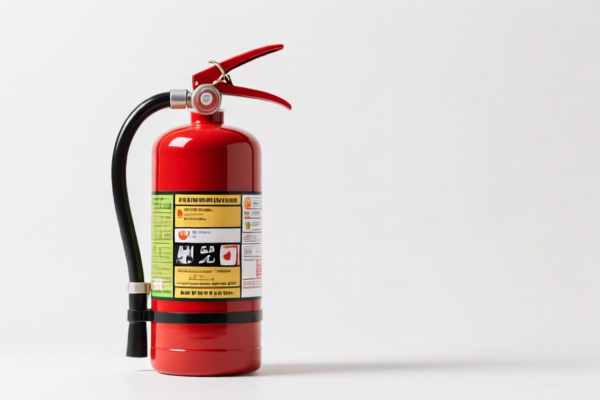
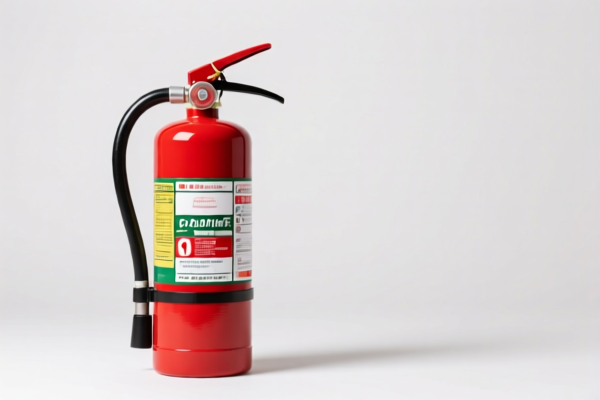
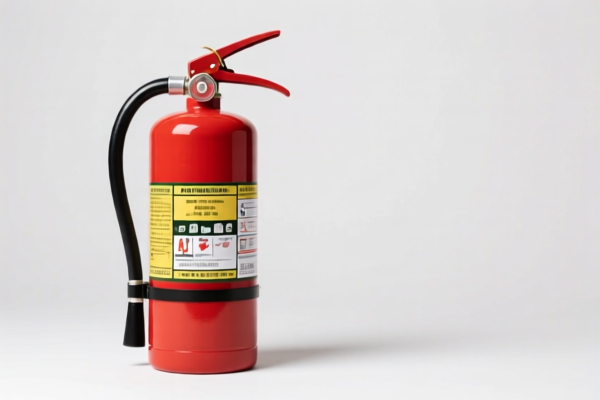
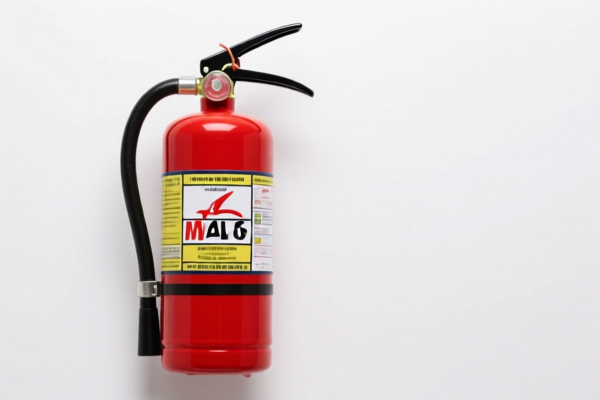
AI Analysis
🚒 Fire Extinguishing Agent Conduit Pipe
🌐 HS Code Reference & Customs Clearance Guide | 2024/2025 Latest Tariff Analysis | Professional Entry Strategy
📌 I. Product Definition & Classification: What exactly is a "Fire Extinguishing Agent Conduit Pipe"?
Fire Extinguishing Agent Conduit Pipes are critical components of fire protection systems, designed to transport extinguishing agents (such as water, foam, CO₂, or dry chemical powder) from the source to the discharge nozzles.
In international trade, these pipes are not classified as a single uniform product. The Harmonized System (HS) classification depends heavily on three factors: 1. Material: Plastic, Metal (Iron/Steel), or Rubber. 2. Function/End-Use: Is it a standalone pipe, a part of a fire extinguisher, or an accessory for piping systems? 3. Connection Type: Is it a simple tube, a fitting/connector, or a specialized hose?
⚠️ Key Distinction Point:
- If it is a plastic pipe used for conveying fluids → Likely Chapter 39.
- If it is a metal pipe/fitting used for standard piping → Likely Chapter 73.
- If it is considered a part of a fire extinguisher appliance → Likely Chapter 84.
📦 II. HS Code Classification Details (2024/2025 Latest Tariff Authority Comparison)
| HS Code | Product Description | Applicable Scenario | Material/Function |
|---|---|---|---|
3917.39.00.50 |
Other tubes, pipes, and hoses, and fittings thereof, not elsewhere specified or included | Standalone plastic conduit pipes for fire suppression systems | Plastic |
3917.29.00.90 |
Other tubes, pipes, and hoses, rigid, of plastics | Rigid plastic pipes, often with higher trade restrictions | Plastic |
8424.90.05.00 |
Parts of mechanical appliances for projecting, dispersing, or spraying liquids or powders | Fire Extinguisher Parts: Pipes/hoses specifically identified as components of extinguishers | Metal/Rubber |
7307.11.00.60 |
Tubes, pipes, and hollow profiles, of iron or steel, threaded or not (Fittings) | Iron/Steel Pipe Fittings: Connectors, joints, or fittings for metal piping systems | Iron/Steel |
8424.90.90.80 |
Parts of other apparatuses for projecting, dispersing, or spraying liquids or powders | General "Other Parts" for spraying machinery, often used when specific material codes don't fit | Various (Steel/Aluminum/Copper) |
🔍 Key Reminder:
- Plastic Pipes (3917...) are heavily impacted by Section 301 Tariffs (25%) and 122 Section Tariffs (10%).
- Metal Fittings (7307...) have lower base tariffs but still face the 122 Section tariff.
- Parts of Extinguishers (8424.90.05.00) may have 0% base tariff but still attract Section 232/122 surcharges depending on specific customs rulings.
💰 III. 2024/2025 Latest Tariff Rate Breakdown (Including Additional Duties)
✅ Applicable Country: United States (US)
✅ Origin: China (CN)
✅ Effective Time: Current as of latest trade action updates
🎯 1. 3917.39.00.50 —— Plastic Conduit Pipes
| Item | Detail |
|---|---|
| Base Tariff | 3.1% (ad valorem) |
| Section 301 Tariff | 0.0% (Not listed in current 301 exclusion for this specific subheading in some contexts, or excluded) |
| Section 122 Tariff | 10.0% (Targeted at specific Chinese imports) |
| Total Tax Rate | 13.1% |
| Tax Calculation | CIF Value × 13.1% |
| De Minimis Exemption | ❌ Not Applicable (Value usually exceeds $800) |
| Legal Basis Path | HTSUS:3917.39.00.50 → USITC:122 |
📌 Explanation:
- This code is for plastic pipes not otherwise specified.
- The 13.1% rate is significantly lower than other plastic codes because it avoids the 25% Section 301 tariff.
- Customs Warning: Ensure the product is strictly "Plastic" and not "Rigid PVC" which might fall under3917.29(see below).
🎯 2. 3917.29.00.90 —— Other Rigid Plastic Pipes
| Item | Detail |
|---|---|
| Base Tariff | 3.1% |
| Section 301 Tariff | 25.0% (Highly restricted category) |
| Section 122 Tariff | 10.0% |
| Total Tax Rate | 38.1% |
| Tax Calculation | CIF Value × 38.1% |
| De Minimis Exemption | ❌ Not Applicable |
| Legal Basis Path | HTSUS:3917.29.00.90 → USITC:301 → USITC:122 |
📌 Critical Warning:
- If your pipe is deemed "Rigid" and falls under this subheading, the tax jumps to 38.1%.
- This is due to the 25% Section 301 tariff applied to many plastic products from China.
- Strategy: Confirm with suppliers if the pipe can be classified under3917.39(softer/flexible/other) to save 25%.
🎯 3. 8424.90.05.00 —— Parts of Fire Extinguishers
| Item | Detail |
|---|---|
| Base Tariff | 0.0% |
| Section 232 Tariff | 7.5% (Steel/Aluminum related, but applied broadly in some rulings) |
| Section 122 Tariff | 10.0% |
| Total Tax Rate | 17.5% |
| Tax Calculation | CIF Value × 17.5% |
| De Minimis Exemption | ❌ Not Applicable |
| Legal Basis Path | HTSUS:8424.90.05.00 → USITC:232 → USITC:122 |
📌 Explanation:
- This code is ideal if the pipe is explicitly marketed as a replacement part for a fire extinguisher.
- Base tariff is 0%, but the 17.5% total still applies due to additional duties.
- Key Advantage: Lower than the 38.1% for rigid plastics.
🎯 4. 7307.11.00.60 —— Iron/Steel Pipe Fittings
| Item | Detail |
|---|---|
| Base Tariff | 4.8% |
| Section 301 Tariff | 0.0% (Often excluded for specific fittings) |
| Section 122 Tariff | 10.0% |
| Total Tax Rate | 14.8% |
| Tax Calculation | CIF Value × 14.8% |
| De Minimis Exemption | ❌ Not Applicable |
| Legal Basis Path | HTSUS:7307.11.00.60 → USITC:122 |
📌 Explanation:
- For metal (iron/steel) fittings (connectors, joints).
- 14.8% is a competitive rate, slightly higher than plastic3917.39but much lower than rigid plastic3917.29.
- Ensure the product is clearly a fitting (threaded/unthreaded connector) rather than a long pipe.
🎯 5. 8424.90.90.80 —— Other Parts of Spraying Appliances
| Item | Detail |
|---|---|
| Base Tariff | 0.0% |
| Section 301 Tariff | 25.0% |
| Section 122 Tariff | 10.0% |
| Steel/Aluminum/Copper Surcharge | +50.0% (If material is steel/aluminum/copper) |
| Total Tax Rate | 85.0% (Up to) |
| Tax Calculation | CIF Value × 85.0% |
| De Minimis Exemption | ❌ Not Applicable |
| Legal Basis Path | HTSUS:8424.90.90.80 → USITC:301 → USITC:122 |
🚨 DANGER ZONE:
- This is the highest risk code.
- If the pipe is made of Steel, Aluminum, or Copper, and falls under "Other Parts," you may face an additional 50% tariff.
- Total Tax: 85% is devastating for margins.
- Avoid this code if possible by using8424.90.05.00(if applicable) or7307...(if fittings).
🛠️ IV. Customs Clearance Practical Advice (Pitfall Avoidance Guide)
✅ 1. Preparation Checklist (Essential Documents)
| Document | Required | Notes |
|---|---|---|
| Product Specification Sheet | ✔️ | Must specify Material (Plastic/Metal), Diameter, Pressure Rating. |
| Product Photos | ✔️ | Show ends (threaded? smooth?), joints, and any markings. |
| Commercial Invoice | ✔️ | Description must match HS Code logic (e.g., "Plastic Conduit Pipe" vs. "Steel Fitting"). |
| Bill of Lading | ✔️ | Ensure packaging quantity matches invoice. |
| Letter of Explanation | Optional but Recommended | If borderline between 8424.90.05.00 (Parts) and 3917... (Pipes), explain why it's a part. |
✅ 2. Declaration Tips (Key Mnemonics)
🔥 "Material First, Function Second. Don't Mix Codes!"
| Situation | Correct Declaration | Common Error |
|---|---|---|
| Plastic Pipe | Use 3917.39.00.50 (13.1%) |
Using 3917.29.00.90 → 38.1% (Save 25%!) |
| Metal Connector/Fitting | Use 7307.11.00.60 (14.8%) |
Using 8424.90.90.80 → 85% (Avoid!) |
| Pipe as Extinguisher Part | Use 8424.90.05.00 (17.5%) |
Using 3917.39 if it's clearly metal/exclusive part |
| Mixed Package (Pipe+Fittings) | Declare separately or use main component | Combine into one code → Audit Risk |
✅ 3. Special Scenarios
| Scenario | Recommendation |
|---|---|
| OEM for Fire System Manufacturer | Provide a Letter from Buyer stating these are "Parts of Fire Extinguishing Systems" to support 8424.90.05.00. |
| Plastic vs. Rigid Plastic | If the pipe is flexible or semi-rigid, argue for 3917.39 (13.1%). If rigid PVC/CPVC, expect 3917.29 (38.1%). |
| Metal Pipes | If long pipes (not fittings), they may still fall under 7306 (Pipes of Iron/Steel). Check base rate (often 0-2.5%) + 301/122. If they are fittings/joints, use 7307 (14.8%). |
| Steel/Aluminum/Copper Parts | Avoid 8424.90.90.80. Use specific material chapters (73, 76, 74) + 301/122 instead of the "Other Parts" code which triggers the 50% surcharge. |
🌍 V. Global Market Clearance Comparison (2024/2025)
| Country/Region | Recommended HS Code | Tariff Rate (China Origin) | Certification Required | Notes |
|---|---|---|---|---|
| 🇺🇸 USA | 3917.39.00.50 / 7307.11.00.60 |
13.1% - 14.8% | UL, FM (Optional but recommended) | Highest complexity due to 301/122 tariffs. |
| 🇨🇳 China | 3917 / 7307 |
Low/Zero | CCC (if applicable) | No additional tariffs. |
| 🇪🇺 EU | 3917 / 7307 |
0% - 4.5% | CE, LPCB (For fire safety) | No Section 301/122 equivalents. |
| 🇬🇧 UK | 3917 / 7307 |
0% - 4.5% | UKCA | Post-Brexit rules apply. |
📌 Conclusion:
- The US market is the most challenging due to Section 301 (25%) and Section 122 (10%) tariffs.
- European Union and China have much lower barriers.
- Strategy: For US exports, prioritize3917.39(Plastic, 13.1%) and7307(Metal Fittings, 14.8%). Avoid "Parts" codes (8424.90.90) that trigger 85% rates.
📌 VI. Common Mistakes & Pitfalls (Lessons Learned)
❌ Mistake 1: Classifying Plastic Pipes as 3917.29 (Rigid)
👉 Result: Tax jumps from 13.1% to 38.1% → Loss of Profit.
👉 Fix: Prove flexibility or use "Other" subheading.
❌ Mistake 2: Classifying Steel Pipes/Fittings as 8424.90.90.80 (Other Parts)
👉 Result: Tax hits 85% (due to 50% steel surcharge) → Catastrophic Cost.
👉 Fix: Use Chapter 73 (7307) for metal fittings.
❌ Mistake 3: Ignoring Section 122 Tariff (10%)
👉 Result: Even with 0% Base Tariff, you pay 10-35% extra.
👉 Fix: Factor this into all China-origin imports.
✅ Correct Approach:
"Plastic Fire Conduit Pipe, Flexible, 2-inch Diameter, Model ABC" →
3917.39.00.50
"Steel Pipe Connector, Threaded, 1-inch, Model DEF" →7307.11.00.60
🎯 VII. Conclusion: Professional Declaration Saves Money!
🎯 Remember the Mantra:
🔹 "Plastic Flexible? 13.1%. Plastic Rigid? 38.1%!"
🔹 "Steel Fitting? 14.8%. Steel Part? 85%!"
🔹 "Part of Extinguisher? 17.5%. Other Part? 85%!"
📌 Pro Tip:
If your product is exclusively used for fire extinguishers, get a Pre-Ruling (Advance Ruling) from US CBP to confirm
8424.90.05.00(17.5%) instead of generic pipe codes. This can provide legal certainty and potentially avoid the highest tariffs.
📣 Immediate Action:
📞 Consult your customs broker with product photos and material specs.
🚀 Optimize your HS Code to save up to 70% in duties.
✨ Professional Customs Clearance Starts with Precise Classification!
💼 Your Profit Margin Depends on This 8-Digit Code!
Customer Reviews
About HS Code Classification
The Harmonized System (HS) is an internationally standardized nomenclature developed by the World Customs Organization (WCO) to classify traded products. Over 200 countries use the HS system as the basis for customs tariffs, trade statistics, and import/export regulations.
Each HS code follows a hierarchical structure:
- Chapter (2 digits) — Broad category of goods (e.g., Chapter 84: Machinery and Mechanical Appliances)
- Heading (4 digits) — More specific grouping within the chapter
- Subheading (6 digits) — Internationally standardized breakdown, used by all WCO member countries
- National subdivisions (8-10 digits) — Country-specific extensions for further classification, such as US HTSUS 10-digit codes
Correct HS code classification is essential for smooth customs clearance, accurate duty payment, and compliance with trade regulations. Misclassification can lead to customs delays, overpayment of duties, or penalties.
When importing from CN to US, the applicable tariff rates may include:
- Most-Favored-Nation (MFN) rate — The standard duty rate applied to WTO members
- General rate — Applied to countries without trade agreements
- Trade remedy duties — Additional tariffs such as Section 301 (anti-dumping), Section 232 (national security), or countervailing duties
The information provided on this page is for reference purposes only. For official classification, please consult with your local customs authority or a licensed customs broker.