Fire Extinguishing Agent Pressure Vessel
CN → US| HS Code | Tariff Rate | Origin | Destination | Doc |
|---|---|---|---|---|
| 3813001000 | 35.0% | CN | US | Official Doc |
| 3813005000 | 38.7% | CN | US | Official Doc |
| 8424100000 | 17.5% | CN | US | Official Doc |
| 8424900500 | 17.5% | CN | US | Official Doc |
| 7311000030 | 85.0% | CN | US | Official Doc |
| 7311000060 | 85.0% | CN | US | Official Doc |
Product Images
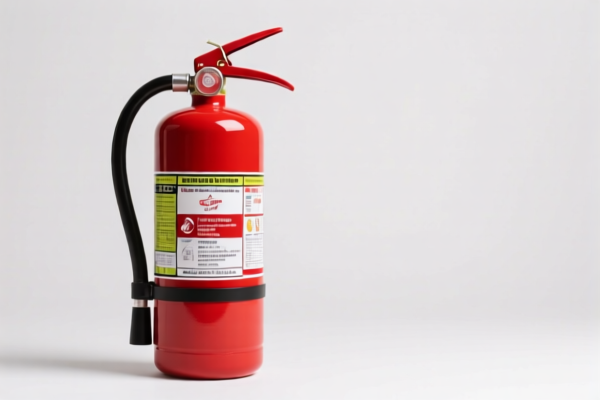
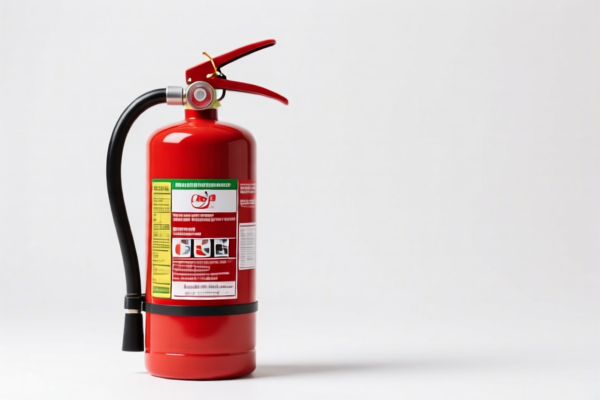
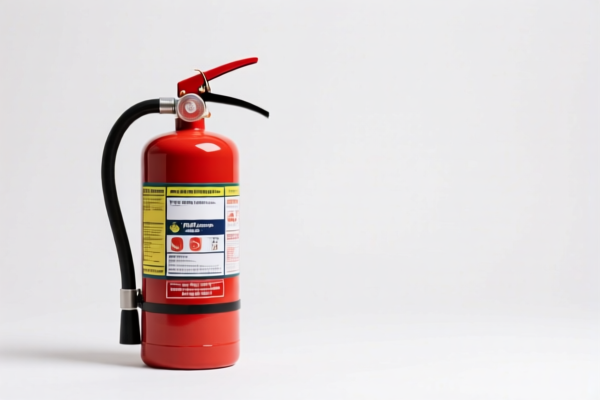
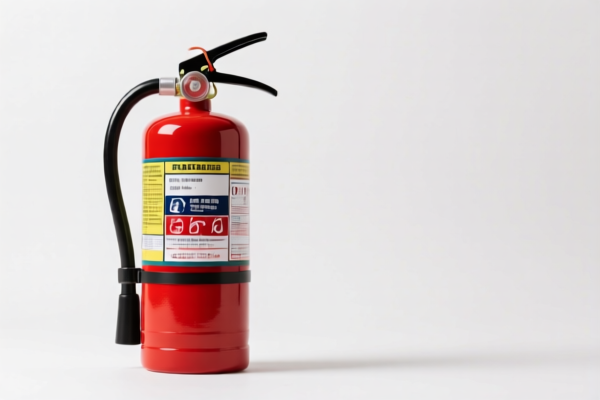
AI Analysis
🧯 Fire Extinguishing Agent Pressure Vessel
(Technical Description: Containers for compressed or liquefied gas, of iron or steel, certified under 49 CFR 178.36-68)
🌐 HS Code Reference & Clearance Guide | 2026 Latest Tariff Analysis | Professional Customs Strategy
📌 I. Product Definition & Classification: What Exactly is a "Pressure Vessel"?
In the context of international trade and US customs, a "Fire Extinguishing Agent Pressure Vessel" typically refers to the metal cylinder or tank that holds the propellant (compressed gas) and/or the extinguishing agent itself. It is not the finished fire extinguisher unit with the valve and hose (which falls under Chapter 84), but rather the integral container certified for high-pressure safety.
⚠️ Key Distinction:
- If the item is a finished, assembled fire extinguisher (with valve, handle, hose, and charge) → It falls under HS 8424.10.00.00.
- If the item is the empty or charged steel cylinder/container itself, made to DOT safety standards → It falls under HS 7311.00.00.
This guide focuses on the HS 7311.00.00 category, as "Pressure Vessel" implies the container component, not the complete appliance.
📦 II. HS Code Classification Details (2026 Latest Tariff Authority)
Based on the provided data, there are two primary HS Codes for these vessels, depending on their construction type:
| HS Code | Product Description | Applicable Scenario | Certification Requirement |
|---|---|---|---|
7311.00.00.30 |
Seamless steel containers, marked DOT 3A, 3AX, 3AA, 3AAX, 3B, 3E, 3HT, 3T or DOT-E | High-pressure seamless steel cylinders (e.g., for CO2, Halon alternatives, or high-pressure propellants) | Must be certified per 49 CFR 178.36–178.68 |
7311.00.00.60 |
Other containers for compressed/liquefied gas, of iron or steel | Welded steel cylinders, standard compressed gas tanks, or non-seamless designs | Must be certified per 49 CFR 178.36–178.68 |
🔍 Critical Note:
- Both codes require pre-export certification that the vessel was made in accordance with the safety requirements of sections 178.36 through 178.68 of Title 49 CFR (U.S. DOT Hazardous Materials Regulations) or under a specific exemption.
- If the vessel is not DOT-certified, it may be rejected at US ports or misclassified, leading to severe penalties.
💰 III. 2026 Latest Tariff Rate Breakdown (Including Surtaxes)
✅ Applicable Country: United States (US)
✅ Origin: China (CN)
✅ Effective Date: Current enforcement (Steel surtax applies)
🎯 1. 7311.00.00.30 – Seamless Steel Containers
| Item | Detail |
|---|---|
| Base Tariff Rate | 0.0% |
| Section 301 Surtax | +25.0% |
| Steel/Aluminum/Copper Surtax | +50.0% (Specific to steel products under recent trade actions) |
| Total Tax Rate | 75.0% |
| Tax Calculation | CIF Value × 75% |
| De Minimis Exemption | ❌ Not Eligible |
| Legal Basis Path | USITC:7311.00.00.30 → FOOTNOTE:Steel Surtax + Section 301 |
📌 Explanation:
- The 25% is the standard Section 301 tariff on Chinese steel products.
- The 50% is the additional surtax specifically imposed on steel, aluminum, and copper products from China.
- Total: 75%. This is an extremely high tariff barrier.
🎯 2. 7311.00.00.60 – Other Iron or Steel Containers
| Item | Detail |
|---|---|
| Base Tariff Rate | 0.0% |
| Section 301 Surtax | +25.0% |
| Steel/Aluminum/Copper Surtax | +50.0% |
| Total Tax Rate | 75.0% |
| Tax Calculation | CIF Value × 75% |
| De Minimis Exemption | ❌ Not Eligible |
| Legal Basis Path | USITC:7311.00.00.60 → FOOTNOTE:Steel Surtax + Section 301 |
📌 Note:
- Identical tariff treatment as seamless containers.
- Any steel container for compressed/liquefied gas from China faces a 75% total tax.
🛠️ IV. Customs Clearance Practical Advice (Real-World Pitfall Avoidance)
✅ 1. Required Documentation Checklist (Non-Negotiable)
| Document | Mandatory? | Purpose |
|---|---|---|
| ✅ DOT Certification Certificate | ✔️ Yes | Proof that the vessel was manufactured under 49 CFR 178.36–178.68. Must include manufacturer’s ID, test pressure, and serial numbers. |
| ✅ Product Specification Sheet | ✔️ Yes | Must specify: Material (Steel/Aluminum), Capacity, Max Pressure, Seamless vs. Welded. |
| ✅ Commercial Invoice | ✔️ Yes | Must clearly state: "Steel Pressure Vessel for Fire Extinguishing Agent" – NOT "Fire Extinguisher" (which is different). |
| ✅ Packing List | ✔️ Yes | Detail quantity, weight, and dimensions. |
| ✅ Manufacturer’s Declaration | ✔️ Yes | Confirming compliance with US DOT safety standards. |
✅ 2. Declaration Tips (Critical Keywords)
🔥 “DOT Certified, Steel Cylinder, Not a Complete Extinguisher!”
| Scenario | Correct Declaration | Incorrect Declaration |
|---|---|---|
| Empty steel tank for CO2 | 7311.00.00.30 – "Seamless Steel Container for Compressed Gas" |
8424.10.00.00 – "Fire Extinguisher" (Wrong HS, wrong tax) |
| Welded steel tank for foam agent | 7311.00.00.60 – "Other Steel Container for Liquefied Gas" |
8424.10.00.00 – "Fire Extinguisher" |
| Assembled Fire Extinguisher (with valve/hose) | 8424.10.00.00 – "Fire Extinguisher, Whether or Not Charged" |
7311.00.00.30 – "Pressure Vessel" (Under-declares component value) |
📌 Warning:
- Do not declare a bare steel cylinder as a "Fire Extinguisher" (HS 8424) to avoid the 75% tax. It will be rejected because it lacks the valve, handle, and agency markings of a complete extinguisher.
- Do not declare a complete extinguisher as a "Pressure Vessel" (HS 7311). It will be reclassified as a Fire Extinguisher (HS 8424), and you may face penalties for misdeclaration.
✅ 3. Special Cases & Exemptions
| Situation | Handling Advice |
|---|---|
| Refilled/Requalified Cylinders | If the cylinder is old and being refilled, it must have a current requalification date stamp. Provide the requalification certificate. |
| Non-DOT Cylinders | If the cylinder is for industrial use but not DOT-certified (e.g., non-US standard), it may not be allowed for fire extinguishing agents in the US. Ensure it meets US standards. |
| Aluminum vs. Steel | The 50% steel surtax applies to steel. If the vessel is aluminum, check if it falls under the same steel surtax interpretation (data suggests "Steel, Aluminum, Copper" are grouped). Confirm with current USITC rulings. |
🌍 V. Global Market Comparison (2026 Latest)
| Country/Region | Recommended HS Code | Tariff Rate (China Origin) | Certification Requirement | Notes |
|---|---|---|---|---|
| 🇺🇸 United States | 7311.00.00.30 / .60 |
75.0% (25% Sec 301 + 50% Steel) | DOT 49 CFR 178.36-68 | Extremely high tax. Consider sourcing from non-China origins if possible. |
| 🇨🇳 China | 7311.00.00 |
Varies (Import duty ~5-10%) | GB Standards (GB 5099/GB 5100) | Domestic market focuses on Chinese standards, not US DOT. |
| 🇪🇺 European Union | 7311.00.00 |
0% (if PA not applied) | UN Transport Model, CE | No steel surtax. UN certification required for transport. |
| 🇬🇧 United Kingdom | 7311.00.00 |
0% | UKCA, UN Transport | Post-Brexit, aligns with UN standards. |
📌 Conclusion:
- The US market imposes a prohibitive 75% tariff on Chinese-made steel fire extinguisher pressure vessels.
- Clearance is strictly dependent on DOT Certification. Without it, the goods will be seized or returned.
📌 VI. Common Errors & Pitfall Guide (Lessons Learned)
❌ Error 1: Declaring a steel cylinder as "Fire Extinguisher" (HS 8424)
👉 Consequence: Lower tax rate (7.5%) might seem attractive, but if it lacks a valve/handle, CBP will reject it as an incomplete article. Seizure risk.
❌ Error 2: Failing to provide DOT Certification for HS 7311
👉 Consequence: CBP cannot verify safety compliance. Held at port until documentation is provided, or denied entry.
❌ Error 3: Not distinguishing between Seamless (.30) and Other (.60)
👉 Consequence: While the tax rate is the same (75%), misclassification can lead to audits. Ensure the physical vessel matches the description (seamless vs. welded).
✅ Correct Approach:
“Steel Pressure Vessel, Seamless, DOT 3AL, Uncharged, For Fire Extinguishing Agent Use, Model XYZ”
HS Code:7311.00.00.30
Tax: 75%
🎯 VII. Conclusion: Professional Declaration, Save Costs, Avoid Risks!
🎯 Remember the Golden Rule:
🔹 “Cylinder = HS 7311 (75% Tax) | Complete Extinguisher = HS 8424 (7.5% Tax)”
🔹 “No DOT Cert = No Entry. No Valve = Not a Fire Extinguisher.”
📌 Pro Tip:
If your business involves importing these vessels, consider supply chain restructuring. Sourcing from countries not subject to the 50% steel surtax (e.g., Vietnam, Mexico, if rules of origin are met) could drastically reduce costs.
Request an Advance Ruling (CBP P99) if you are unsure about the classification of semi-finished vessels.
📣 Immediate Action:
📞 Contact your freight forwarder + Provide DOT Certification + Verify HS Code Pre-Shipment
🚀 Ensure your steel pressure vessels clear US customs smoothly and profitably!
✨ Professional customs clearance starts with precise classification!
💼 Every 75% tax saved is pure profit earned!
Customer Reviews
About HS Code Classification
The Harmonized System (HS) is an internationally standardized nomenclature developed by the World Customs Organization (WCO) to classify traded products. Over 200 countries use the HS system as the basis for customs tariffs, trade statistics, and import/export regulations.
Each HS code follows a hierarchical structure:
- Chapter (2 digits) — Broad category of goods (e.g., Chapter 84: Machinery and Mechanical Appliances)
- Heading (4 digits) — More specific grouping within the chapter
- Subheading (6 digits) — Internationally standardized breakdown, used by all WCO member countries
- National subdivisions (8-10 digits) — Country-specific extensions for further classification, such as US HTSUS 10-digit codes
Correct HS code classification is essential for smooth customs clearance, accurate duty payment, and compliance with trade regulations. Misclassification can lead to customs delays, overpayment of duties, or penalties.
When importing from CN to US, the applicable tariff rates may include:
- Most-Favored-Nation (MFN) rate — The standard duty rate applied to WTO members
- General rate — Applied to countries without trade agreements
- Trade remedy duties — Additional tariffs such as Section 301 (anti-dumping), Section 232 (national security), or countervailing duties
The information provided on this page is for reference purposes only. For official classification, please consult with your local customs authority or a licensed customs broker.