Fire resistant Rapid Repair Material
CN → US| HS Code | Tariff Rate | Origin | Destination | Doc |
|---|---|---|---|---|
| 2530908015 | 10.0% | CN | US | Official Doc |
| 6815994110 | 35.0% | CN | US | Official Doc |
| 3801300000 | 39.9% | CN | US | Official Doc |
Product Images
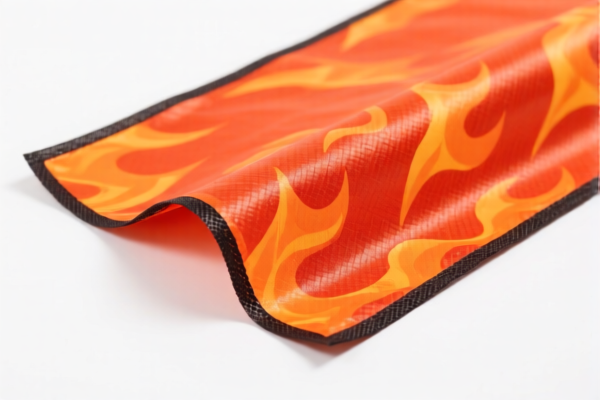

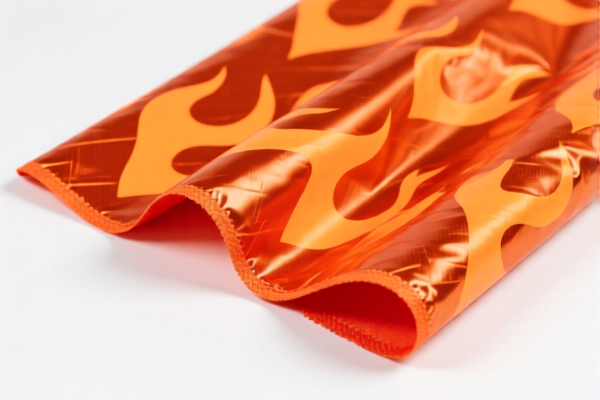
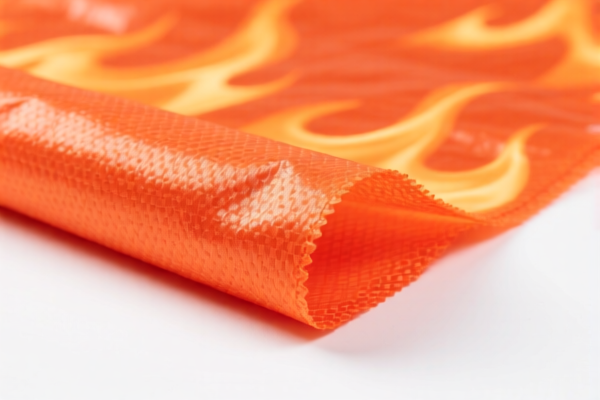
AI Analysis
🔥 Fire-Resistant Rapid Repair Material: HS Code Classification & Customs Clearance Guide (2026)
🌐 HS Code Reference & Customs Clearance Strategy | 2026 Latest Tariff Analysis | Professional Import Compliance
📌 I. Product Definition & Classification: What is "Fire Resistant Rapid Repair Material"?
"Fire Resistant Rapid Repair Material" refers to specialized industrial compounds designed for the quick restoration of damaged refractory linings, kilns, furnaces, or industrial vessels. These materials are critical for maintaining thermal efficiency and safety in high-temperature environments.
In international trade, classification depends heavily on physical state (powder, paste, monolithic), chemical composition (magnesium-based, carbon-based, ceramic-based), and specific application (general lining vs. electrode paste).
⚠️ Key Distinction:
- If it is a generic mineral-based repair compound (e.g., magnesium oxide-based mortar) → Usually falls under Chapter 25 or 68.
- If it is a specialized carbon/ceramic paste for electrical or high-tech furnace linings → May fall under Chapter 38.
📦 II. HS Code Classification Details (2026 Authoritative Correspondence)
Based on the provided data, there are three potential classifications. The correct one depends on the precise composition and intended use.
| HS Code | Product Description | Application Scenario | Material Type | Tax Implication |
|---|---|---|---|---|
2530.90.80.15 |
Other mineral substances; not elsewhere specified. | General-purpose refractory repair, generic mineral mortars. | Mineral inorganic substances (e.g., magnesium, aluminum oxides). | Lowest Risk/Tax: 10% Total. |
6815.99.41.10 |
Articles of stone or other mineral substances; not elsewhere specified. | Refractory repair materials containing magnesium or carbon, structured as "repair kits" or specific non-electrode products. | Stone/Mineral articles (e.g., refractory bricks/pastes not for electrodes). | High Tax: 35% Total. |
3801.30.00.00 |
Graphite or other carbon-based pastes of a kind used for electrode purposes. | Furnace lining pastes with high carbon/ceramic content, specifically resembling electrode pastes in nature. | Carbon/Ceramic-based pastes. | Highest Tax: 39.9% Total. |
🔍 Critical Analysis:
-2530.90.80.15is the most favorable if the material is a basic mineral mix.
-6815.99.41.10applies if it’s a structured mineral article but not an electrode paste.
-3801.30.00.00is the riskiest due to the high tax rate, applying if the material is deemed a "carbon paste" for electrical/electrode use.
💰 III. 2026 Latest Tariff Rate Breakdown (Including Additional Duties & Policy Surcharges)
✅ Applicable Country: United States (US)
✅ Origin: China (CN)
✅ Effective Date: November 10, 2025 onwards
🎯 1. 2530.90.80.15 —— Mineral Substances (General Refractory Repair)
| Item | Details |
|---|---|
| Base Duty Rate | 0.0% |
| Section 301 Additional Duty | 0.0% |
| Section 122 Duty | 10.0% |
| Total Duty Rate | 10.0% |
| Tax Calculation | CIF Value × 10% |
| De Minimis Exemption | ❌ Not Applicable |
| Legal Basis Path | USITC:2530.90.80.15 → FOOTNOTE:122 |
📌 Explanation:
- This is the most cost-effective classification.
- The 10% duty is specific to "Section 122" (often related to specific trade remedies or targeted goods).
- No Section 301 (25%) or IEEPA (10%) applies here, making it significantly cheaper than other options.
🎯 2. 6815.99.41.10 —— Articles of Stone/Mineral (Refractory Repair)
| Item | Details |
|---|---|
| Base Duty Rate | 0.0% |
| Section 301 Additional Duty | 25.0% |
| Section 122 Duty | 10.0% |
| Total Duty Rate | 35.0% |
| Tax Calculation | CIF Value × 35% |
| De Minimis Exemption | ❌ Not Applicable |
| Legal Basis Path | USITC:6815.99.41.10 → FOOTNOTE:301 → FOOTNOTE:122 |
📌 Explanation:
- This classification triggers both Section 301 (25%) and Section 122 (10%).
- It applies if the repair material is classified as a "mineral article" rather than a bulk mineral substance.
🎯 3. 3801.30.00.00 —— Carbon/Ceramic Pastes (Furnace Lining Paste)
| Item | Details |
|---|---|
| Base Duty Rate | 4.9% |
| Section 301 Additional Duty | 25.0% |
| Section 122 Duty | 10.0% |
| Total Duty Rate | 39.9% |
| Tax Calculation | CIF Value × 39.9% |
| De Minimis Exemption | ❌ Not Applicable |
| Legal Basis Path | USITC:3801.30.00.00 → FOOTNOTE:301 → FOOTNOTE:122 |
📌 Explanation:
- This is the most expensive classification.
- It includes a base duty (4.9%) plus both additional duties.
- It applies if customs officials determine the material is a "paste" similar to those used for electrodes, regardless of whether it’s for electrical or thermal insulation purposes.
🛠️ IV. Customs Clearance Practical Advice (Risk Avoidance Guide)
✅ 1. Preparation Checklist (Non-Negotiable)
| Document | Required | Purpose |
|---|---|---|
| ✅ Product Specification Sheet | ✔️ | Must detail chemical composition (e.g., % MgO, % Carbon, % Ceramic). |
| ✅ Material Safety Data Sheet (MSDS) | ✔️ | Confirms hazardous nature (if any) and physical state (powder vs. paste). |
| ✅ Product Photos (Packaging & Content) | ✔️ | Show container type, labeling, and actual material appearance. |
| ✅ Certificate of Origin (CO) | ✔️ | Crucial for origin verification (China vs. other). |
| ✅ Commercial Invoice | ✔️ | Must accurately describe the product as "Fire Resistant Repair Material" or "Refractory Mortar." |
| ✅ Bill of Lading | ✔️ | Standard shipping document. |
✅ 2. Declaration Strategy (Key Keywords)
🔥 “Describe Composition, Not Just Function”
| Scenario | Correct Declaration | Incorrect Declaration | Risk |
|---|---|---|---|
| Mineral-Based | "Fire-Resistant Refractory Mortar, Magnesium Oxide Based" | "Industrial Paste" | Ambiguity may lead to 3801 (39.9%). |
| Carbon-Based | "Carbon-Enhanced Refractory Castable" | "Electrode Paste" | Mislabeling as "electrode" triggers 3801. |
| General Repair | "Mineral-Based Fire Repair Compound" | "Construction Material" | May be misclassified as 6815 (35%). |
✅ 3. Special Circumstances
| Situation | Handling Advice |
|---|---|
| Mixed Shipments | Declare separately. Do not mix 2530 goods with 3801 goods to avoid audit flags. |
| New Formulations | If the formula changes (e.g., higher carbon content), re-evaluate HS Code. A small change in carbon % may shift classification from 2530 to 3801. |
| Pre-Ruling Request | For large volumes, apply for a Binding Tariff Information (BTI) or Pre-Ruling from CBP to lock in the 2530 classification. |
🌍 V. Global Market Comparison (2026 Update)
| Country/Region | Recommended HS Code | Estimated Duty (CN Origin) | Certification Requirements | Notes |
|---|---|---|---|---|
| 🇺🇸 USA | 2530.90.80.15 |
10% (Lowest) | None specific | Avoid 3801 (39.9%) and 6815 (35%). |
| 🇨🇳 China | 2530.90.80.15 |
5-10% | N/A | Domestic trade varies. |
| 🇪🇺 EU | 6815.99 |
0-6.5% | REACH | EU does not apply Section 122/301. |
| 🇯🇵 Japan | 6815.99 |
0-5% | PSE/JIS | Lower tariffs than US. |
📌 Conclusion:
- USA is the most critical market due to additional duties.
- Optimize for2530.90.80.15to minimize costs.
- Avoid3801.30.00.00unless the product is explicitly an electrical electrode paste.
📌 VI. Common Mistakes & Pitfalls (Lessons Learned)
❌ Mistake 1: Using vague terms like "Industrial Paste"
👉 Consequence: Customs may assume it’s an adhesive or chemical paste (3801), leading to 39.9% tax.
❌ Mistake 2: Failing to disclose Carbon Content
👉 Consequence: If carbon content is high, 3801 may be applied retroactively with penalties.
❌ Mistake 3: Mixing HS Codes in One Shipment
👉 Consequence: Audit delay, potential disallowance of lower tax rates for the entire batch.
✅ Correct Approach:
"Fire-Resistant Refractory Repair Mortar, Magnesium Oxide Based, Non-Electrode, Mineral Origin."
🎯 VII. Conclusion: Precision in Classification Saves Costs!
🎯 Key Takeaways:
🔹 “Mineral is King”: If it’s a basic mineral repair material, fight for
2530.90.80.15(10%).
🔹 “Avoid Carbon Paste”: If it’s not for electrodes, never use3801.
🔹 “Document Composition”: Your SDS and spec sheet are your best defense.
📌 Pro Tip:
If you are importing significant quantities, consider applying for a Customs Ruling before shipment. This provides legal certainty and prevents unexpected 35-40% duties at the border.
📣 Immediate Action:
📞 Consult a licensed customs broker with your MSDS and Technical Data Sheet.
🚀 Secure the 10% rate. Avoid the 35-40% traps.
✨ Professional Clearance Starts with Accurate Classification!
💼 Your Margin Depends on Your HS Code!
Customer Reviews
About HS Code Classification
The Harmonized System (HS) is an internationally standardized nomenclature developed by the World Customs Organization (WCO) to classify traded products. Over 200 countries use the HS system as the basis for customs tariffs, trade statistics, and import/export regulations.
Each HS code follows a hierarchical structure:
- Chapter (2 digits) — Broad category of goods (e.g., Chapter 84: Machinery and Mechanical Appliances)
- Heading (4 digits) — More specific grouping within the chapter
- Subheading (6 digits) — Internationally standardized breakdown, used by all WCO member countries
- National subdivisions (8-10 digits) — Country-specific extensions for further classification, such as US HTSUS 10-digit codes
Correct HS code classification is essential for smooth customs clearance, accurate duty payment, and compliance with trade regulations. Misclassification can lead to customs delays, overpayment of duties, or penalties.
When importing from CN to US, the applicable tariff rates may include:
- Most-Favored-Nation (MFN) rate — The standard duty rate applied to WTO members
- General rate — Applied to countries without trade agreements
- Trade remedy duties — Additional tariffs such as Section 301 (anti-dumping), Section 232 (national security), or countervailing duties
The information provided on this page is for reference purposes only. For official classification, please consult with your local customs authority or a licensed customs broker.