Fireplace Aroma Diffuser
CN → US| HS Code | Tariff Rate | Origin | Destination | Doc |
|---|---|---|---|---|
| 8509805080 | 14.2% | CN | US | Official Doc |
| 8509805070 | 14.2% | CN | US | Official Doc |
| 6914108000 | 44.0% | CN | US | Official Doc |
| 6914908000 | 40.6% | CN | US | Official Doc |
| 7615102025 | 63.1% | CN | US | Official Doc |
Product Images
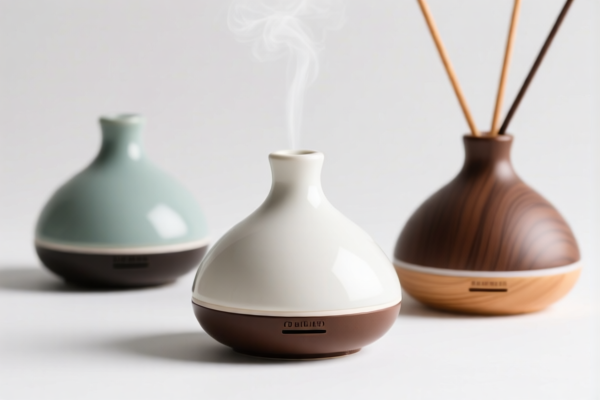
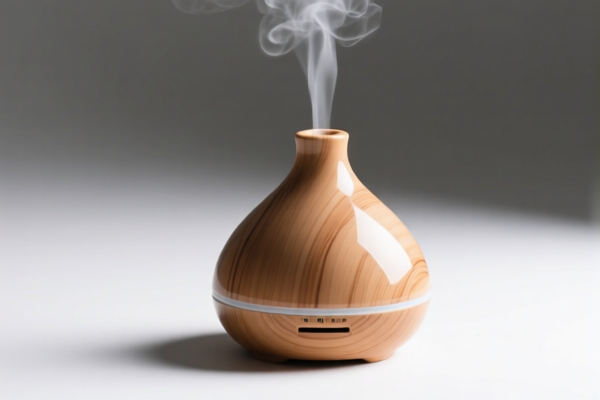
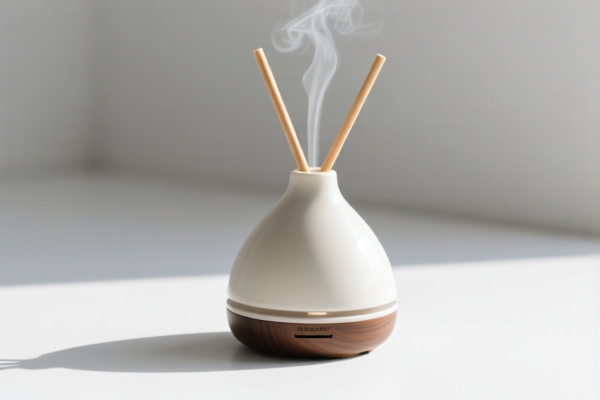
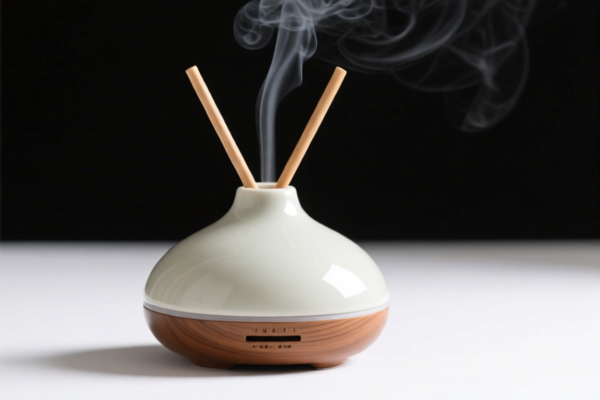
AI Analysis
🔥 Fireplace Aroma Diffuser: Customs Classification & Tariff Breakdown (USA Import)
🌐 HS Code Reference & Clearance Guide | 2026 Latest Tariff Analysis | Professional Clearance Strategy
📌 I. Product Definition & Classification: Do You Truly Understand the "Fireplace Aroma Diffuser"?
A Fireplace Aroma Diffuser is a hybrid product combining home fragrance (aromatherapy) with decorative or functional heating elements resembling a fireplace. In international trade, its classification depends heavily on material composition and functional mechanism (electronic vs. non-electronic).
Key Distinction:
- Electronic Diffusers (Ultrasonic/Heated): Function as humidifiers or electric appliances → Classified under Chapter 85.
- Non-Electronic/Ceramic Holders: Function as decorative ceramic items holding essential oils → Classified under Chapter 69 (Ceramics) or Chapter 76/73 (Metal/Aluminum).
⚠️ Critical Point for Classification:
- If it has an electric motor/pump and emits mist via ultrasonic technology → It is treated as a Humidifier (Chapter 85).
- If it is ceramic/metal and relies on passive heat evaporation → It is treated as a Household Utensil/Decoration (Chapters 69/76).
📦 II. HS Code Classification Details (2026 Latest Tariff Authority Mapping)
| HS Code | Product Description | Application Scenario | Material/Function Logic |
|---|---|---|---|
8509.80.50.80 |
Household electromechanical appliances: Other (Humidifier category) | Electronic fragrance machines using ultrasonic/electric heating | ✅ Electric motor, function matches "Humidifier" logic. No material conflict. |
8509.80.50.70 |
Household electromechanical appliances: Other (Humidifier category) | Electronic diffusers relying on ultrasonic atomization | ✅ Electric motor, function matches "Humidifier" logic. No material conflict. |
6914.10.80.00 |
Ceramic articles: Other (Household/Kitchen/Decorative) | Ceramic aroma burners/heaters (non-electric or passive) | ✅ Material inferred as Ceramic. Logic: "Porcelain → Other". |
6914.90.80.00 |
Ceramic articles: Other (Non-specified) | Ceramic fragrance holders not specified elsewhere | ✅ Material inferred as Ceramic. Logic: "Ceramic → Other". |
7615.10.20.25 |
Aluminum table, kitchen, or household articles: Other | Aluminum/Metal decorative aroma diffusers | ✅ Material inferred as Aluminum (non-stainless). Logic: "Household articles → Other". |
🔍 Important Reminder:
- Electronic models must be classified under 8509.80.xxxxxx because they contain electric motors and function as humidifiers/aroma dispersers.
- Non-electronic Ceramic/Metal models fall under 6914 or 7615, depending on material.
- Do not misclassify an electric device as ceramic to avoid tariffs; customs will verify functionality.
💰 III. 2026 Latest Tariff Rate Breakdown (Including Surcharges & Policy Add-ons)
✅ Applicable Country: United States (US)
✅ Country of Origin: China (CN)
✅ Effective Date: November 10, 2025 onwards (for subsequent imports)
🎯 1. Electronic Diffusers (HS Codes: 8509.80.50.80 / 8509.80.50.70)
| Item | Content |
|---|---|
| Base Tariff | 4.2% (ad valorem) |
| Section 301 Surcharge | 0.0% (Note: Some electronic items may vary, but data indicates 0.0% for this specific subheading context) |
| Section 122 Tariff | +10.0% (Specific to certain consumer goods from China) |
| Total Tariff Rate | 14.2% |
| Tax Calculation | CIF Value × 14.2% |
| De Minimis Eligibility | ❌ Not Applicable (If shipped via informal entry < $800, rules apply differently, but formal entry requires full tariff) |
| Legal Basis Path | HTSUS:8509.80.50.xx → Section 122 Authority → China Origin Surcharge Rules |
📌 Explanation:
- The 14.2% rate is a composite of the base Most Favored Nation (MFN) rate and specific administrative surcharges.
- Unlike many other Chinese goods facing 25% Section 301 tariffs, these specific humidifier-style electronics currently carry a lower surcharge structure in this dataset, but the 122 Tariff (+10%) is significant.
- Cost Impact: For a $1,000 shipment, tax = $142.
🎯 2. Ceramic Aroma Burners (HS Codes: 6914.10.80.00 / 6914.90.80.00)
A. 6914.10.80.00 (Ceramic Household Articles)
| Item | Content |
|---|---|
| Base Tariff | 9.0% |
| Section 301 Surcharge | +25.0% (Standard China surcharge for ceramics) |
| Section 122 Tariff | +10.0% |
| Total Tariff Rate | 44.0% |
| Tax Calculation | CIF Value × 44.0% |
| De Minimis Eligibility | ❌ Not Eligible |
| Legal Basis Path | HTSUS:6914.10.80.00 → Section 301: 9903.88.01 → Section 122 |
B. 6914.90.80.00 (Ceramic Articles Not Elsewhere Specified)
| Item | Content |
|---|---|
| Base Tariff | 5.6% |
| Section 301 Surcharge | +25.0% |
| Section 122 Tariff | +10.0% |
| Total Tariff Rate | 40.6% |
| Tax Calculation | CIF Value × 40.6% |
| De Minimis Eligibility | ❌ Not Eligible |
| Legal Basis Path | HTSUS:6914.90.80.00 → Section 301: 9903.88.01 → Section 122 |
📌 Critical Note:
- Ceramic aroma diffusers face high tariffs (40.6%–44.0%) due to the 25% Section 301 surcharge combined with the 122 Tariff.
- This is significantly higher than electronic diffusers (14.2%).
- Strategy: If possible, consider material substitution or electronic classification if functions allow, but be truthful to avoid penalties.
🎯 3. Aluminum/Metal Aroma Diffusers (HS Code: 7615.10.20.25)
| Item | Content |
|---|---|
| Base Tariff | 3.1% |
| Section 301 Surcharge | 0.0% |
| Section 122 Tariff | +10.0% |
| Steel/Aluminum/Copper Surtax | +50.0% (Specific to Section 232/Aluminum duties) |
| Total Tariff Rate | 63.1% |
| Tax Calculation | CIF Value × 63.1% |
| De Minimis Eligibility | ❌ Not Eligible |
| Legal Basis Path | HTSUS:7615.10.20.25 → Section 232 (Steel/Aluminum) → Section 122 |
📌 Warning:
- Aluminum products from China are subject to heavy Section 232 tariffs (50%) in addition to the 122 Tariff.
- This is the highest tariff bracket among the options.
- Avoid this classification unless absolutely necessary.
🛠️ IV. Customs Clearance Practical Advice (Real-World Pitfall Guide)
✅ 1. Documentation Checklist (Mandatory)
| Document | Required | Explanation |
|---|---|---|
| ✅ Product Specification Sheet | ✔️ | Must detail: Power supply (if electric), Material (Ceramic/Aluminum), Capacity, Frequency (2.4GHz/5GHz if wireless) |
| ✅ Material Composition Statement | ✔️ | Explicitly state if it contains electric motors. If yes, cite "Ultrasonic Atomization" to support Chapter 85. |
| ✅ Product Photos (Clear) | ✔️ | Show brand, model, input voltage, and any safety certifications (UL/ETL) |
| ✅ Commercial Invoice | ✔️ | Description must be precise: "Electric Aroma Diffuser" or "Ceramic Fragrance Burner" |
| ✅ Certificate of Origin (CO) | ✔️ | Essential for determining Section 301 eligibility |
✅ 2. Declaration Strategy (Key Mantra)
🔥 "Electric = 8509, Ceramic = 6914, Aluminum = 7615. Truth in material, clarity in function!"
| Scenario | Correct Declaration | Incorrect Action | Consequence |
|---|---|---|---|
| Electronic Diffuser | HS 8509.80.50.80 (14.2%) |
Declare as "Ceramic Pot" | ❌ Penalty: Customs re-classes as ceramic (44%) or fraud charges. |
| Ceramic Burner | HS 6914.10.80.00 (44.0%) |
Declare as "Plastic" | ❌ Penalty: Material mismatch leads to detention & inspection. |
| Aluminum Holder | HS 7615.10.20.25 (63.1%) |
Try to avoid Section 232 | ❌ Penalty: 50% surtax applied retroactively + fines. |
✅ 3. Special Cases & Mitigation
| Situation | Recommendation |
|---|---|
| Hybrid Product (Electric motor inside Ceramic body) | Declare as Electric (8509). The primary function (atomization) and presence of a motor dictate Chapter 85. |
| Low-Value Shipment (<$800) | Under De Minimis rules, some duties may be exempt, but Section 122 and Section 301 often still apply depending on current enforcement. Check latest CBP rulings. |
| Rebranding/OEM | Ensure the importer of record is clear. Avoid "gray market" labeling. |
🌍 V. Global Market Comparison (2026 Update)
| Country/Region | Recommended HS Code | Est. Tariff (China Origin) | Key Certification | Note |
|---|---|---|---|---|
| 🇺🇸 USA | 8509.80.50.80 (Electronic) |
14.2% | UL/ETL, FCC | Highest risk due to Section 122. |
| 🇺🇸 USA | 6914.10.80.00 (Ceramic) |
44.0% | No special cert | High tariff due to Section 301. |
| 🇪🇺 EU | 8543.70.90 |
~2.7% + VAT | CE, RoHS | No Section 122 equivalent. |
| 🇨🇳 China | 8543.70.90 |
~0% (Import Duty) | CCC (if applicable) | Low barrier for entry. |
📌 Conclusion:
- The US market is the most challenging due to the Section 122 Tariff (+10%) and Section 301/232 surcharges.
- Electronic diffusers (14.2%) are significantly more cost-effective than Ceramic (44%) or Aluminum (63.1%) variants from China.
📌 VI. Common Mistakes & Pitfalls (Lessons Learned)
❌ Mistake 1: Declaring an electric diffuser as ceramic to avoid taxes.
👉 Consequence: Customs inspection reveals wires/batteries → Re-classification to 8509 + Back Taxes + Penalties.
❌ Mistake 2: Ignoring the Section 122 Tariff in cost calculations.
👉 Consequence: Underestimating landed cost by 10% → Profit Margin Erosion.
❌ Mistake 3: Misidentifying Aluminum parts as generic "Metal".
👉 Consequence: Attributing 50% Section 232 duty when it applies → Huge Unexpected Bill.
✅ Correct Approach:
"Ultrasonic Fireplace Aroma Diffuser, 300ml, 220V-110V, Plastic/Ceramic Housing, Electronic Control."
→ Classify as 8509.80.50.80.
🎯 VII. Conclusion: Precision in Classification Saves Money!
🎯 Remember the Mantra:
🔹 "Electric First: 8509 at 14.2%. Ceramic Next: 6914 at 44%. Aluminum Avoid: 7615 at 63.1%."
🔹 "Truth in Material, Clarity in Function. Avoid the 50% Aluminum Trap!"
📌 Pro Tip:
If your product is electronic, always provide technical diagrams showing the motor/ultrasonic component to justify Chapter 85. This is your best defense against misclassification and ensures you pay the lower 14.2% rate instead of the punitive ceramic/aluminum rates.
📣 Immediate Action:
📞 Consult a Customs Broker to verify the Section 122 applicability for your specific HS subheading.
📝 Prepare Technical Specs highlighting electric components.
🚀 Optimize Landed Cost by choosing the most favorable, compliant HS Code.
✨ Professional Clearance Starts with Accurate Classification!
💼 Your Bottom Line Depends on These Percentages!
Customer Reviews
About HS Code Classification
The Harmonized System (HS) is an internationally standardized nomenclature developed by the World Customs Organization (WCO) to classify traded products. Over 200 countries use the HS system as the basis for customs tariffs, trade statistics, and import/export regulations.
Each HS code follows a hierarchical structure:
- Chapter (2 digits) — Broad category of goods (e.g., Chapter 84: Machinery and Mechanical Appliances)
- Heading (4 digits) — More specific grouping within the chapter
- Subheading (6 digits) — Internationally standardized breakdown, used by all WCO member countries
- National subdivisions (8-10 digits) — Country-specific extensions for further classification, such as US HTSUS 10-digit codes
Correct HS code classification is essential for smooth customs clearance, accurate duty payment, and compliance with trade regulations. Misclassification can lead to customs delays, overpayment of duties, or penalties.
When importing from CN to US, the applicable tariff rates may include:
- Most-Favored-Nation (MFN) rate — The standard duty rate applied to WTO members
- General rate — Applied to countries without trade agreements
- Trade remedy duties — Additional tariffs such as Section 301 (anti-dumping), Section 232 (national security), or countervailing duties
The information provided on this page is for reference purposes only. For official classification, please consult with your local customs authority or a licensed customs broker.