Fireproof Cement (Rapid Setting)
CN → US| HS Code | Tariff Rate | Origin | Destination | Doc |
|---|---|---|---|---|
| 3214905000 | 38.25% | CN | US | Official Doc |
| 3214100090 | 38.7% | CN | US | Official Doc |
| 2523900000 | 35.0% | CN | US | Official Doc |
| 6810110010 | 38.2% | CN | US | Official Doc |
Product Images
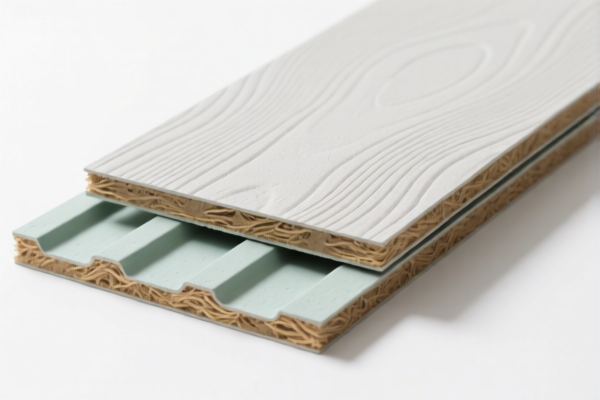
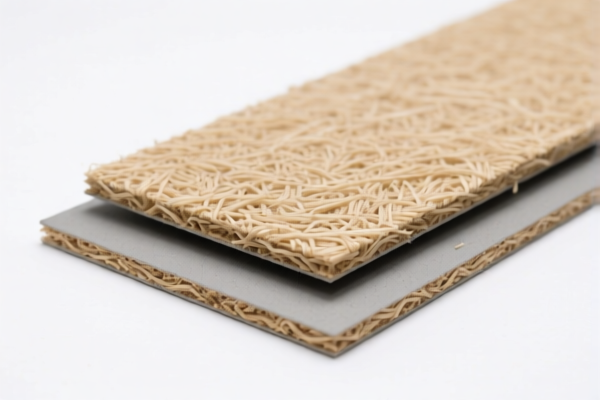
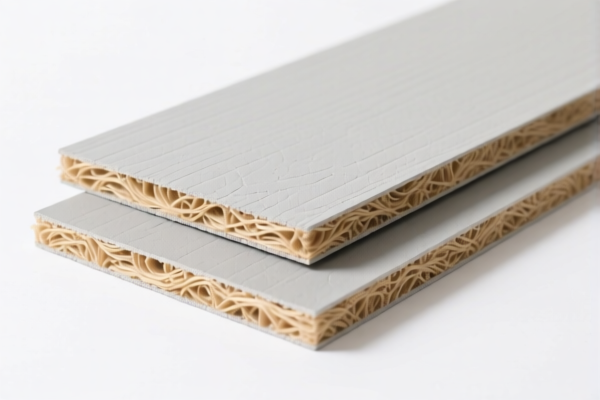
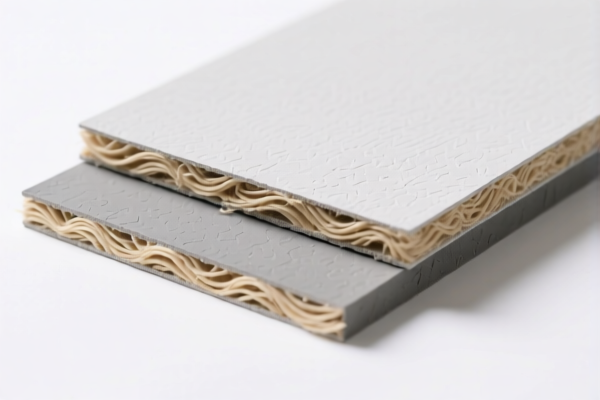
AI Analysis
🧱 Fireproof Cement (Rapid Setting)
🌐 HS Code Reference & Customs Clearance Guide | 2024 Latest Tariff Analysis | Professional Entry Strategy
📌 I. Product Definition & Classification: Do You Really Understand "Fireproof Cement"?
Fireproof Cement (Rapid Setting), often referred to as Fireproof Repair Material or Refractory Concrete, is a specialized chemical construction material. It is primarily used for sealing, filling, and repairing high-temperature environments, such as furnace linings, exhaust systems, and industrial kilns.
In international trade, its classification depends heavily on its physical state (powder/paste vs. liquid/compound) and primary function (structural filling vs. surface treatment).
⚠️ Key Distinction Points:
- If it is a chemical compound for surface treatment or sealing (e.g., pastes, coatings, sealants) →归入 3214 (Non-refractory surface preparation preparations).
- If it is a hydraulic cement or concrete mixture (structural, concrete-like) →归入 2523 or 6810 (Cement/Concrete products).
📦 II. HS Code Classification Details (2024 Latest Tariff Reference)
Based on the provided data, here are the specific HS Codes, summaries, and tax implications for "Fireproof Cement (Rapid Setting)":
| HS Code | Product Description | Summary / Characteristics | Tax Category |
|---|---|---|---|
3214.90.50.00 |
Fireproof Repair Material (Surface Preparation) | Classified under surface preparation agents/sealants. Material is chemical preparation/filler. | Non-refractory surface treatment |
3214.10.00.90 |
Fireproof Repair Material (Filler/Sealant) | Classified under fillers/compounds with filling or sealing functions. | Non-refractory surface treatment |
2523.90.00.00 |
Refractory Concrete (Hydraulic Cement) | Classified as a type of hydraulic cement. Fits the definition of hydraulic cement materials. | Cement/Concrete |
6810.11.00.10 |
Refractory Concrete (Construction Product) | Corresponds to concrete classification, fits characteristics of construction articles. | Construction Concrete |
3214.90.50.00 |
Rapid-Setting Fireproof Material | Classified as non-refractory surface preparation agent. No conflict in material attributes. | Non-refractory surface treatment |
🔍 Critical Note:
- The term "Cement" in "Fireproof Cement" can be misleading. If the product is a rapid-setting paste or sealant used for repair (not structural concrete pouring), it is more likely classified under 3214 (Surface Preparation).
- If the product is a dry mix or pre-mixed concrete intended for structural refractory lining, it falls under 2523 or 6810.
- Misclassification Risk: Declaring a surface sealant as "Concrete" (6810) or vice versa can lead to significant duty differences and customs delays.
💰 III. 2024 Latest Tariff Rate Details (Including Surtaxes & Policy Add-ons)
✅ Applicable Country: United States (US)
✅ Origin: China (CN)
✅ Effective Date: Ongoing (Subject to 301 and Section 122 tariffs)
🎯 1. 3214.90.50.00 & 3214.10.00.90 —— Fireproof Repair Materials (Surface Preparation)
| Item | Content |
|---|---|
| Base Duty Rate | 3.25% (for 3214.90.50.00) / 3.7% (for 3214.10.00.90) |
| Section 301 Surcharge | +25.0% (Trade Remedy Duties) |
| Section 122 Tariff | +10.0% (Specific to certain chemical/construction materials under Section 122) |
| Total Tax Rate | 38.25% (for 3214.90.50.00) 38.70% (for 3214.10.00.90) |
| Tax Calculation | CIF Value × Total Tax Rate |
| De Minimis Eligibility | ❌ Not Eligible (Section 301 and Section 122 duties apply to low-value shipments) |
| Legal Basis Path | Section 301 → Section 122 → USITC:3214.XX.XX.XX |
📌 Explanation:
- The 25% surcharge is standard for Chinese-origin goods under Section 301.
- The 10% Section 122 tariff applies specifically to certain construction and chemical materials.
- Total effective tax is high (~38-39%). Importers must budget accordingly.
- "Rapid Setting" does not exempt these materials from surcharges; they are treated as standard chemical/construction imports.
🎯 2. 2523.90.00.00 —— Refractory Concrete (Hydraulic Cement)
| Item | Content |
|---|---|
| Base Duty Rate | 0.0% |
| Section 301 Surcharge | +25.0% |
| Section 122 Tariff | +10.0% |
| Total Tax Rate | 35.0% |
| Tax Calculation | CIF Value × 35% |
| De Minimis Eligibility | ❌ Not Eligible |
| Legal Basis Path | Section 301 → Section 122 → USITC:2523.90.00.00 |
📌 Explanation:
- While the base duty is 0%, the 35% total tax rate (25% + 10%) still applies.
- This code is suitable if the product is explicitly a hydraulic cement (sets and hardens with water, used structurally).
🎯 3. 6810.11.00.10 —— Refractory Concrete (Construction Article)
| Item | Content |
|---|---|
| Base Duty Rate | 3.2% |
| Section 301 Surcharge | +25.0% |
| Section 122 Tariff | +10.0% |
| Total Tax Rate | 38.2% |
| Tax Calculation | CIF Value × 38.2% |
| De Minimis Eligibility | ❌ Not Eligible |
| Legal Basis Path | Section 301 → Section 122 → USITC:6810.11.00.10 |
📌 Explanation:
- This code is for concrete articles (pre-formed or mixed for construction).
- The rate is 38.2%, slightly lower than the surface preparation codes but higher than hydraulic cement base.
🛠️ IV. Customs Clearance Practical Advice (Real-World Pitfall Guide)
✅ 1. Document Checklist (Mandatory)
| Document | Required | Notes |
|---|---|---|
| ✅ Product Specification Sheet | ✔️ | Must state: Setting time, compressive strength, max temp, composition (chemical vs. cementitious). |
| ✅ Safety Data Sheet (SDS) | ✔️ | Critical for chemical classification. Shows if it’s a hazardous material or simple filler. |
| ✅ Photos (Including Label) | ✔️ | Clear view of "Rapid Setting" label, packaging, and any technical markings. |
| ✅ Commercial Invoice | ✔️ | Must clearly state "Fireproof Repair Material" or "Refractory Concrete," not just "Cement." |
| ✅ Certificate of Origin (CO) | ✔️ | Required to verify China origin for surtax calculation. |
| ✅ Packing List | ✔️ | Details net/gross weight. Helps distinguish between liquid/sealant and dry concrete mix. |
✅ 2. Classification Strategy (Key Rules)
🔥 “Function Dictates Code, Not Just Name!”
| Scenario | Correct HS Code | Why? |
|---|---|---|
| Paste/Sealant for Joint Repair | 3214.90.50.00 |
It’s a surface preparation/filler, not a structural cement. |
| Liquid/Compound for Sealing | 3214.10.00.90 |
Explicitly a filling/sealing compound. |
| Dry Mix for Furnace Lining | 2523.90.00.00 |
If it behaves like hydraulic cement (hardens with water, structural). |
| Pre-formed Concrete Bricks/Pieces | 6810.11.00.10 |
If it’s already formed into a concrete article. |
⚠️ Warning:
- Do not declare "Rapid Setting Cement" as2523if it’s a chemical sealant. Customs may reclassify it to3214, leading to penalties.
- Do not declare "Chemical Sealant" as6810. It may be rejected for misdescription.
✅ 3. Special Handling for "Rapid Setting"
| Situation | Advice |
|---|---|
| High Moisture Sensitivity | Ensure packaging is airtight. Moisture activation during transit can cause premature setting, leading to damage claims. |
| Chemical Hazard Classification | Check SDS for flammability or corrosivity. If hazardous, additional IMDG/ADR documentation is needed. |
| Mixed Shipments | If shipping with other tools, declare "Fireproof Cement" separately. Mixing can complicate valuation. |
🌍 V. Global Market Comparison (2024)
| Country/Region | Recommended HS Code | Estimated Duty | Notes |
|---|---|---|---|
| 🇺🇸 USA | 3214.90.50.00 / 2523.90.00.00 |
35% - 38.7% | High surtaxes (301 + 122) apply. No de minimis. |
| 🇨🇳 China | 3214.90.50.00 |
~5-10% | No Section 301/122. Import duty is lower. |
| 🇪🇺 EU | 3214.90 |
~6.5% | Standard NMF duty. No surtaxes. |
| 🇬🇧 UK | 3214.90 |
~6.5% | Post-Brexit tariff. |
| 🇯🇵 Japan | 3214.90 |
~5% | Low standard duty. |
📌 Conclusion:
- USA is the most expensive market due to Section 301 (25%) and Section 122 (10%) tariffs.
- For US importers, accurate classification is critical to avoid overpaying or underpaying (which leads to audits).
- Consider supply chain diversification if possible, as goods from Vietnam/Mexico may have lower tariffs.
📌 VI. Common Errors & Pitfalls (Lessons Learned)
❌ Error 1: Declaring all fireproof materials as 3002 (Chemicals)
👉 Result: Incorrect classification. Fireproof cement is specifically covered under 3214 or 2523/6810. Penalties apply.
❌ Error 2: Ignoring Section 122 Tariff
👉 Result: Underpaying by 10%. Customs will assess back-taxes + interest.
❌ Error 3: Using "Cement" for a chemical paste
👉 Result: Customs may reject the shipment for misdescription. "Cement" implies hydraulic binding; "Paste/Sealant" implies surface treatment.
❌ Error 4: Assuming De Minimis Applies
👉 Result: Section 301 and 122 duties do not apply to the $800 de minimis exemption. All shipments from China are taxable.
✅ Best Practice:
“Use precise technical descriptions: ‘Rapid-Setting Refractory Sealant, Chemical-Based, for High-Temp Repair’ for
3214. Use ‘Hydraulic Refractory Concrete Mix’ for2523.”
🎯 VII. Conclusion: Professional Declaration for Cost Efficiency
🎯 Key Takeaway:
🔹 “Name is not Class. Function is King.”
🔹 “US Tariffs are High: 35-39% is Normal.”
🔹 “SDS is Your Best Friend for Classification.”
📌 Pro Tip:
- Request a Binding Ruling from US Customs (CBP) before shipping large volumes. This provides legal certainty on HS Code classification.
- Review SDS carefully. If the product contains hazardous chemicals, additional fees (HMST) may apply.
📣 Immediate Action:
📞 Contact your freight forwarder with the SDS and product specs.
🚀 Verify HS Code against the latest HTSUS (Harmonized Tariff Schedule of the United States).
💼 Budget for 35-39% duty in your cost analysis for US imports from China.
✨ Accurate Classification, Smoother Clearance!
💼 Every percentage point of duty saved is profit earned!
Customer Reviews
About HS Code Classification
The Harmonized System (HS) is an internationally standardized nomenclature developed by the World Customs Organization (WCO) to classify traded products. Over 200 countries use the HS system as the basis for customs tariffs, trade statistics, and import/export regulations.
Each HS code follows a hierarchical structure:
- Chapter (2 digits) — Broad category of goods (e.g., Chapter 84: Machinery and Mechanical Appliances)
- Heading (4 digits) — More specific grouping within the chapter
- Subheading (6 digits) — Internationally standardized breakdown, used by all WCO member countries
- National subdivisions (8-10 digits) — Country-specific extensions for further classification, such as US HTSUS 10-digit codes
Correct HS code classification is essential for smooth customs clearance, accurate duty payment, and compliance with trade regulations. Misclassification can lead to customs delays, overpayment of duties, or penalties.
When importing from CN to US, the applicable tariff rates may include:
- Most-Favored-Nation (MFN) rate — The standard duty rate applied to WTO members
- General rate — Applied to countries without trade agreements
- Trade remedy duties — Additional tariffs such as Section 301 (anti-dumping), Section 232 (national security), or countervailing duties
The information provided on this page is for reference purposes only. For official classification, please consult with your local customs authority or a licensed customs broker.