Fireproof Repair Material
CN → US| HS Code | Tariff Rate | Origin | Destination | Doc |
|---|---|---|---|---|
| 3801300000 | 39.9% | CN | US | Official Doc |
| 6902901010 | 35.0% | CN | US | Official Doc |
| 6808000000 | 35.0% | CN | US | Official Doc |
| 6902905010 | 35.0% | CN | US | Official Doc |
Product Images
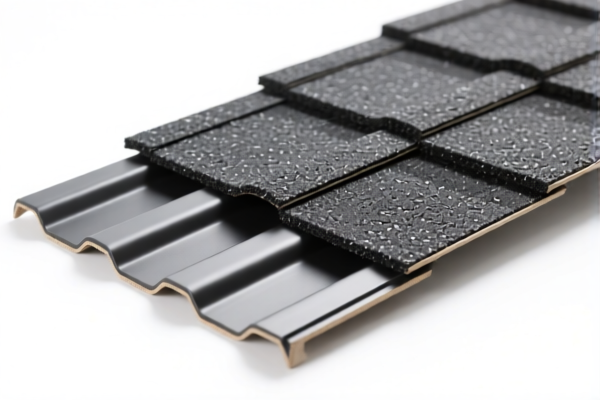
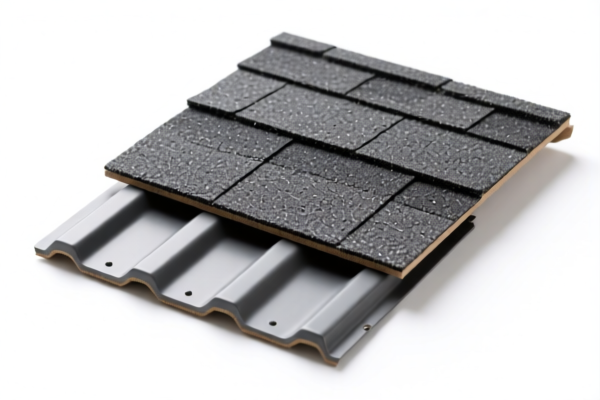
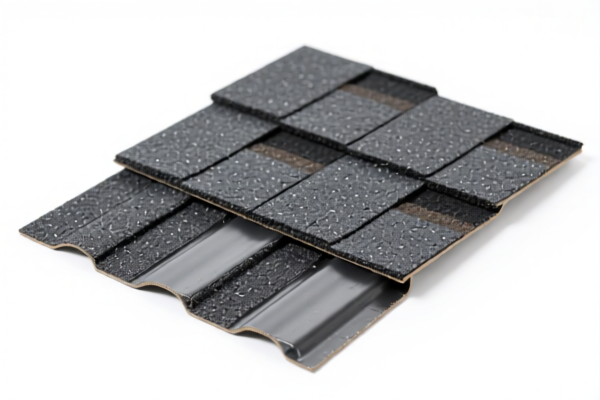
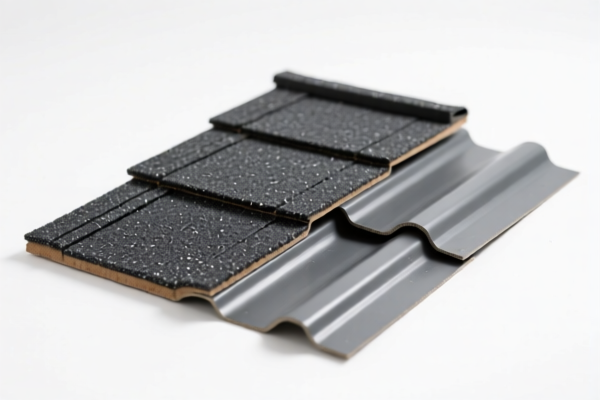
AI Analysis
🧱 Fireproof Repair Material (Fireproof Repair Material)
🌐 HS Code Reference & Customs Clearance Guide | 2026 Latest Tariff Analysis | Professional Clearance Strategy
📌 I. Product Definition & Classification: Do You Really Understand "Fireproof Repair Material"?
Fireproof repair material is a specialized industrial consumable used for maintaining and repairing high-temperature environments such as kilns, furnaces, and industrial boilers. In international trade, these materials are complex because they can fall into different categories based on their base material (carbon vs. ceramic) and form (paste vs. solid/brick).
Carbon-based Paste/Slurry: Often used for lining electrodes or furnace bottoms. Ceramic/Mica-based Repair Material: Used for structural refractory repairs, often appearing as powder, granules, or pre-formed patches.
⚠️ Key Distinction Point:
- If the material is primarily carbon-based and used as a paste for electrode linings or furnace bottoms → Classify under 3801.30.00.00
- If the material is ceramic/stone-based (clay, magnesia, alumina) used for structural repair → Classify under 6902 or 6808 depending on specific composition and form.
📦 II. HS Code Classification Details (2026 Latest Tariff Authority Cross-Reference)
| HS Code | Product Description | Application Scenario | Material Basis |
|---|---|---|---|
3801.30.00.00 |
Carbon pastes and similar pastes for electrode making or for other uses | Electrode paste, furnace bottom lining paste | Carbon/Graphite |
6902.90.10.10 |
Other fireproof ceramic goods, including fireproof ceramic building articles | Repair materials made of fireproof ceramic, structural repair | Ceramic (Non-clay/Other) |
6808.00.00.00 |
Asbestos-cement, mica-cement, or similar composition articles; other articles of a kind described in heading 68.12 or 68.13 | Granular/powdered repair materials containing mineral components (e.g., bauxite, magnesia) | Mineral Composite |
6902.90.50.10 |
Other fireproof ceramic goods (Clay-based) | Repair materials with clay-based refractory components, semi-finished form | Clay-based Ceramic |
🔍 Key Reminder:
- If the product is a carbon paste, it must be classified under 3801.30.00.00. Misclassifying it as ceramic will lead to severe penalties. - For ceramic/mineral repair materials, the distinction between6902(Ceramic) and6808(Mineral/Composite) depends on whether the primary matrix is vitrified ceramic or a mineral bond. - "Fireproof Material" is too vague: Customs requires specific composition details (e.g., "Clay-based refractory repair mix" vs. "Carbon paste for furnace lining").
💰 III. 2026 Latest Tariff Rate Details (Including Surtaxes & Policy Add-ons)
✅ Applicable Country: United States (US)
✅ Country of Origin: China (CN)
✅ Effective Date: November 10, 2025 (for subsequent imports)
🎯 1. 3801.30.00.00 —— Carbon Pastes (Electrode/Furnace Lining)
| Item | Content |
|---|---|
| Base Tariff | 4.9% (ad valorem) |
| Section 301 Surtax | +25.0% (from USITC Footnote 9903.88.01) |
| Section 122 Tariff | +10.0% (Targeting China/HK products, effective Nov 10, 2025) |
| Total Tariff Rate | 39.9% |
| Tax Calculation | CIF Value × 39.9% |
| De Minimis Eligibility | ❌ Not Eligible (deny_de_minimis) |
| Legal Basis Path | USITC:3801.30.00.00 → FOOTNOTE:9903.88.01 → Section 122 Regulation |
📌 Explanation:
- The 25% Section 301 tariff applies to all carbon-based products from China as part of the broader trade restrictions. - The 10% Section 122 tariff is a new national security-related surcharge targeting specific industrial materials, including carbon pastes. - Combined rate of 39.9% is significant. Importers must budget for this high cost. - No de minimis exemption: This means even small packages (under $800) are subject to full duty declaration and payment.
🎯 2. 6902.90.10.10 & 6902.90.50.10 —— Other Fireproof Ceramic Goods
| Item | Content |
|---|---|
| Base Tariff | 0.0% (ad valorem) |
| Section 301 Surtax | +25.0% |
| Section 122 Tariff | +10.0% |
| Total Tariff Rate | 35.0% |
| Tax Calculation | CIF Value × 35.0% |
| De Minimis Eligibility | ❌ Not Eligible |
| Legal Basis Path | USITC:6902.90.xx.xx → FOOTNOTE:9903.88.01 → Section 122 Regulation |
📌 Note:
- Both6902.90.10.10(Non-clay ceramic) and6902.90.50.10(Clay-based ceramic) have the same surtax structure. - Although the base tariff is 0%, the 35% total effective rate is still high due to Section 301 and Section 122. - Key Risk: Customs may challenge the classification if the "clay-based" vs. "other ceramic" distinction is not clear in the product description.
🎯 3. 6808.00.00.00 —— Mineral Composite Articles (e.g., Mica-Cement, Bauxite-based)
| Item | Content |
|---|---|
| Base Tariff | 0.0% (ad valorem) |
| Section 301 Surtax | +25.0% |
| Section 122 Tariff | +10.0% |
| Total Tariff Rate | 35.0% |
| Tax Calculation | CIF Value × 35.0% |
| De Minimis Eligibility | ❌ Not Eligible |
| Legal Basis Path | USITC:6808.00.00.00 → FOOTNOTE:9903.88.01 → Section 122 Regulation |
📌 Note:
- This category covers repair materials that are not strictly ceramic but are mineral composites (e.g., magnesium-based, bauxite-based powders/granules). - If the product is a powder or granule used for casting or ramming repair,6808is often a more accurate fit than6902(which implies fired ceramic bricks). - Same 35% total rate, but correct classification avoids potential customs audits for misclassification.
🛠️ IV. Customs Clearance Practical Advice (Real-World Pitfall Avoidance Guide)
✅ 1. Required Documentation Checklist (All Mandatory)
| Document | Must Provide | Explanation |
|---|---|---|
| ✅ Product Specification Sheet | ✔️ | Must detail chemical composition, base material (Carbon vs. Ceramic vs. Mineral), and temperature resistance. |
| ✅ Product Photos | ✔️ | Show packaging, texture (paste vs. granule vs. brick), and labeling. |
| ✅ Certificate of Origin (CO) | ✔️ | Essential for proving Chinese origin (triggers surtaxes). |
| ✅ Commercial Invoice | ✔️ | Must explicitly state: "Fireproof Repair Material, [Specific Material Type], Not for Personal Use." |
| ✅ Packing List | ✔️ | Detail gross/net weight, package dimensions. |
| ✅ Usage Declaration | ✔️ | Specify application (e.g., "Repairing industrial kiln lining," not just "Construction material"). |
✅ 2. Declaration Tips (Key Mantra)
🔥 "Material First, Form Second, Specific Name, Lower Risk!"
| Scenario | Correct Declaration Method | Incorrect Practice |
|---|---|---|
| Carbon-based paste for furnace lining | 3801.30.00.00 + "Carbon Paste for Furnace Lining" |
Misdeclare as "Construction Adhesive" → Higher scrutiny |
| Ceramic brick/powder for kiln repair | 6902.90.50.10 or 6902.90.10.10 |
Vague term "Fireproof Material" → Delayed clearance |
| Mineral-based repair granule (Bauxite/Magnesia) | 6808.00.00.00 |
Misdeclare as "Ceramic" → Potential reclassification & penalty |
| General Rule | Be specific about BASE MATERIAL | Do NOT use generic terms like "Fireproof Stuff" |
✅ 3. Special Case Handling
| Situation | Handling Advice |
|---|---|
| OEM Custom Mixes | Provide the formula or primary ingredient list. If >50% carbon, use 3801. If >50% ceramic/mineral, use 6902/6808. |
| Mixed Shipments | Do NOT mix carbon paste with ceramic bricks in one shipment if possible. Separate HS codes may require separate entry lines, increasing complexity. |
| Re-imports (Repair in US) | If the material is being returned for repair, ensure it is declared as "Returned Goods" if eligible, but note that surtaxes may still apply depending on value changes. |
| Small Quantity Samples | Remember: No De Minimis. Even a 1kg sample is subject to 35-40% duty. Factor this into R&D costs. |
🌍 V. Global Market Clearance Comparison (2026 Latest)
| Country/Region | Recommended HS Code | Tariff (China Origin) | Certification/Note | Remarks |
|---|---|---|---|---|
| 🇺🇸 USA | 3801.30 / 6902 / 6808 |
35% - 39.9% | Section 301 + Section 122 | Highest cost. Strict classification required. |
| 🇨🇳 China | 3801.30 / 6902 / 6808 |
4.9% - 0% | No additional surtaxes | Low cost, but check local environmental regulations. |
| 🇪🇺 EU | 3801.30 / 6902 / 6808 |
4.5% - 6.5% | CE (if applicable), REACH | No Section 301 equivalent, but REACH compliance needed for chemicals. |
| 🇨🇦 Canada | 3801.30 / 6902 / 6808 |
5% - 10% | CSA | Generally lower than US, but still subject to standard MFN rates. |
📌 Conclusion:
- The US market is uniquely expensive due to the combination of Section 301 (25%) and Section 122 (10%) tariffs. - Total landed cost in the US can exceed 35-40% of the product value. - European and Asian markets are significantly more favorable, with no similar political surtaxes.
📌 VI. Common Errors & Pitfall Avoidance (Lessons Learned)
❌ Error 1: Declaring "Fireproof Repair Material" without specifying carbon vs. ceramic.
👉 Consequence: Customs cannot determine the HS code → Hold, Audit, and Penalty.
❌ Error 2: Misclassifying Carbon Paste as "Construction Adhesive" (e.g., 3906 or 3824).
👉 Consequence: Base tariff might be lower, but Section 301/122 still apply, and misclassification leads to fraud allegations.
❌ Error 3: Assuming small shipments are exempt.
👉 Consequence: De Minimis does not apply to these HS codes → Unexpected duty bills for samples.
❌ Error 4: Confusing 6902 (Ceramic) with 6808 (Mineral).
👉 Consequence: If the material is mineral-based (not vitrified ceramic), 6902 is wrong. Correction leads to delays.
✅ Correct Practice:
"Carbon Paste for Furnace Lining, 3801.30.00.00"
OR
"Clay-based Refractory Repair Mortar, 6902.90.50.10"
OR
"Bauxite-based Granular Repair Material, 6808.00.00.00"
🎯 VII. Conclusion: Precision Classification Saves Money!
🎯 Remember the Mantra:
🔹 "Carbon = 3801 (39.9%), Ceramic/Mineral = 6902/6808 (35%)"
🔹 "No De Minimis, No Excuses!"
🔹 "Be Specific: Carbon vs. Ceramic vs. Mineral!"
📌 Pro Tip:
If your fireproof material is originating from Vietnam, Mexico, or Thailand, you MAY avoid the Section 301 and Section 122 surtaxes (subject to current trade agreements and rules of origin).
👉 Recommendation: Apply for Advance Ruling from US CBP before shipping to confirm the exact HS code and tariff liability.
📣 Immediate Action:
📞 Contact a licensed US Customs Broker
📄 Provide detailed Material Safety Data Sheet (MSDS) and Composition Report
🚀 Ensure Smooth Clearance, Avoid Delays, and Protect Your Margins!
✨ Professional Classification, From the Ground Up!
💼 Every Percent of Tariff Counts in Industrial Trade!
Customer Reviews
About HS Code Classification
The Harmonized System (HS) is an internationally standardized nomenclature developed by the World Customs Organization (WCO) to classify traded products. Over 200 countries use the HS system as the basis for customs tariffs, trade statistics, and import/export regulations.
Each HS code follows a hierarchical structure:
- Chapter (2 digits) — Broad category of goods (e.g., Chapter 84: Machinery and Mechanical Appliances)
- Heading (4 digits) — More specific grouping within the chapter
- Subheading (6 digits) — Internationally standardized breakdown, used by all WCO member countries
- National subdivisions (8-10 digits) — Country-specific extensions for further classification, such as US HTSUS 10-digit codes
Correct HS code classification is essential for smooth customs clearance, accurate duty payment, and compliance with trade regulations. Misclassification can lead to customs delays, overpayment of duties, or penalties.
When importing from CN to US, the applicable tariff rates may include:
- Most-Favored-Nation (MFN) rate — The standard duty rate applied to WTO members
- General rate — Applied to countries without trade agreements
- Trade remedy duties — Additional tariffs such as Section 301 (anti-dumping), Section 232 (national security), or countervailing duties
The information provided on this page is for reference purposes only. For official classification, please consult with your local customs authority or a licensed customs broker.