Fish Net
CN → US| HS Code | Tariff Rate | Origin | Destination | Doc |
|---|---|---|---|---|
| 9507906000 | 65.0% | CN | US | Official Doc |
| 5608110090 | 43.0% | CN | US | Official Doc |
| 5608110010 | 43.0% | CN | US | Official Doc |
Product Images
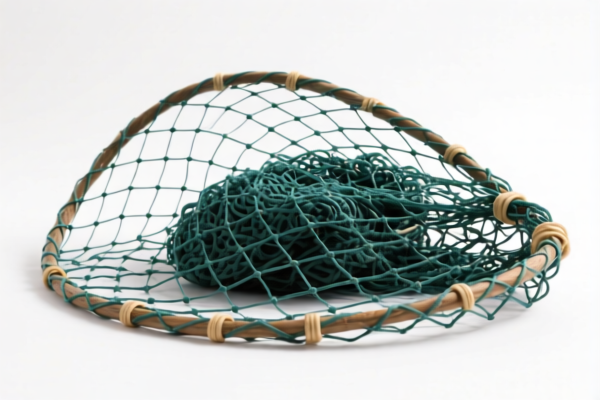
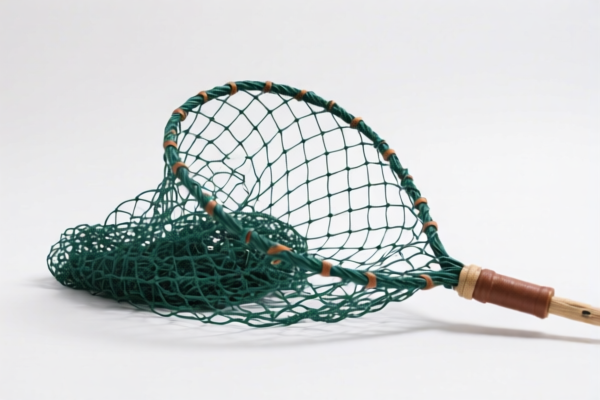
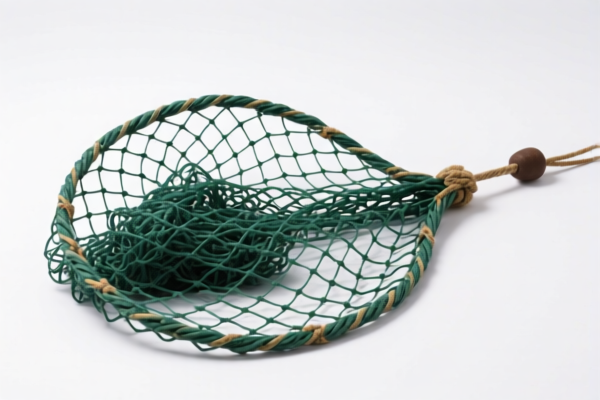
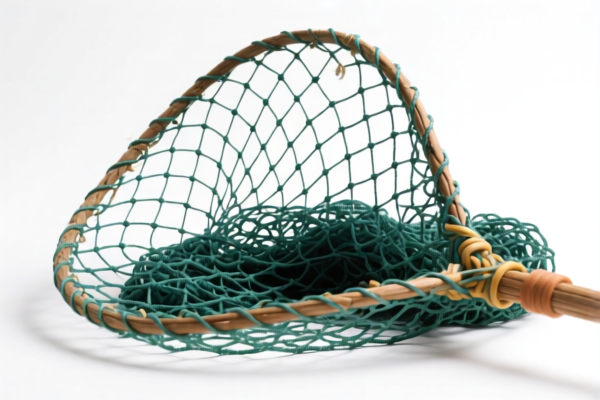
AI Analysis
🎣 Fish Nets (Fishing Nets)
🌐 HS Code Reference & Customs Clearance Guide | 2026 Latest Tariff Analysis | Professional Clearance Strategy
📌 I. Product Definition & Classification: Do You Really Understand "Fish Nets"?
Fish nets are essential tools in the fishing industry, primarily designed for catching fish, crustaceans, or other marine life. In international trade, their classification depends heavily on:
- Material Composition: Are they made from textile materials (e.g., nylon, polyethylene) or metal/alloy materials?
- Construction & Usage: Are they traditional fishing nets or part of sporting equipment?
- Origin: Products originating from China are subject to specific additional tariffs (Section 301 & Section 122) when entering the US market.
⚠️ Key Distinction Point:
- If made from textile materials (synthetic fibers) → Classified under Chapter 56 (Textiles).
- If made from metal/alloys (steel, aluminum, copper) or classified as sporting goods → Classified under Chapter 95 (Toys/Sporting Goods) or specific metal categories.
- Crucial Note for China-Origin Goods: Additional tariffs apply significantly to textile nets (25% + 10%), while some metal/non-textile nets may face different rates (50% for specific metals under certain conditions).
📦 II. HS Code Classification Details (2026 Latest Tariff Authority Reference)
| HS Code | Product Description | Application Scenario | Material/Key Feature | Total Tax Rate |
|---|---|---|---|---|
5608.11.00.10 |
Fishing nets, for use in fishing, made of textile materials | Commercial fishing, aquaculture, general fishing | Textile materials (nylon, polypropylene, etc.) | 43.0% |
5608.11.00.90 |
Fishing nets, for use in fishing, made of other textile materials | Similar to above, but non-specified textile types | Fibers/Artificial textile materials | 43.0% |
9507.90.60.00 |
Fishing nets, fit for fishing, within the category of nets | Sporting fishing, recreational gear, or non-textile nets | Steel, Aluminum, Copper products or specific sporting nets | 65.0% |
🔍 Important Reminder:
- Textile Nets (5608.11): These are the most common fishing nets. They are subject to 8% Base Tariff + 25% Section 301 Tariff + 10% Section 122 Tariff = 43%.
- Non-Textile/Sporting Nets (9507.90.60.00): These often include nets made of metal alloys or classified as sporting goods. They face a 5% Base Tariff + 0% Section 301 + 10% Section 122 + 50% Steel/Aluminum/Copper Additional Tariff = 65% (depending on specific metal composition and rule application).
- Do Not Misclassify: Declaring a textile net as a sporting good to avoid taxes is risky. Customs will inspect material composition.
💰 III. 2026 Latest Tariff Rate Breakdown (Including Surtaxes & Policy Add-ons)
✅ Applicable Country: United States (US)
✅ Origin: China (CN)
✅ Effective Date: Rates apply to imports from November 10, 2025, onwards (subject to current trade policies)
🎯 1. 5608.11.00.10 & 5608.11.00.90 —— Fishing Nets (Textile Materials)
| Item | Content |
|---|---|
| Base Tariff | 8.0% (ad valorem) |
| Section 301 Surcharge | +25.0% (Under USITC Footnote 9903.88.01) |
| Section 122 Tariff | +10.0% (Specific to China-origin goods under IEEPA) |
| Total Tax Rate | 43.0% |
| Tax Calculation | CIF Value × 43% |
| De Minimis Eligibility | ❌ No (Section 122 and 301 tariffs generally deny de minimis exemptions for Chinese goods in this category) |
| Legal Basis Path | IEEPA:9903.01.24 → Section 122 → USITC:5608.11.00.10/90 → FOOTNOTE:9903.88.01 |
📌 Explanation:
- The 25% is the standard Section 301 tariff on Chinese textiles/garments/fishing nets.
- The 10% is an additional penalty tariff under Section 122, specifically targeting China-origin goods.
- Total 43% is a high cost. Many importers seek alternatives or reclassification, but must ensure material accuracy.
🎯 2. 9507.90.60.00 —— Fishing Nets (Sporting/Non-Textile/Metal)
| Item | Content |
|---|---|
| Base Tariff | 5.0% |
| Section 301 Surcharge | 0.0% (Note: Some sporting goods may be exempt from 301, but check specific subheadings) |
| Section 122 Tariff | +10.0% |
| Steel/Aluminum/Copper Surtax | +50.0% (Under IEEPA for certain metal products) |
| Total Tax Rate | 65.0% |
| Tax Calculation | CIF Value × 65% |
| De Minimis Eligibility | ❌ No |
| Legal Basis Path | IEEPA:9903.01.24 → Section 122 → USITC:9507.90.60.00 → FOOTNOTE:Steel/Aluminum/Copper |
📌 Note:
- This code is often used for metal fishing nets or sporting fishing nets that do not fall under textile chapters.
- The 50% surtax applies to steel, aluminum, and copper products. If the net is made of these metals, the tax burden is extremely high (65%).
- Do not assume this code is cheaper; 65% > 43%. The choice of HS code must reflect the actual product.
🛠️ IV. Customs Clearance Practical Advice (Real-World Pitfall Avoidance Guide)
✅ 1. Required Documentation Checklist (Non-Negotiable)
| Document | Must Provide | Description |
|---|---|---|
| ✅ Product Specifications | ✔️ | Include material composition (e.g., "100% Polyethylene"), mesh size, knot type, weight. |
| ✅ Product Photos | ✔️ | Clear images showing the net, tags, and any packaging. Must show material texture. |
| ✅ Commercial Invoice | ✔️ | Clearly state "Fishing Net" and specify material. Do not use vague terms like "Fishing Gear." |
| ✅ Packing List | ✔️ | Detail weight and quantity per box. |
| ✅ Certificate of Origin (CO) | ✔️ | Required for determining Section 122 applicability. |
| ✅ Material Declaration | ✔️ | Explicitly declare if the net contains steel, aluminum, or copper fibers. |
✅ 2. Declaration Tips (Key Mantras)
🔥 “Material First, Usage Second, Name Accurate, Taxes Predictable!”
| Scenario | Correct Declaration | Incorrect Practice |
|---|---|---|
| Standard Fishing Net (Nylon/PP) | 5608.11.00.10 or 5608.11.00.90 |
Misclassifying as 9507.90.60.00 → Risk of penalty for misdeclaration. |
| Metal Mesh Net (Steel/Aluminum) | 9507.90.60.00 (if for fishing/sporting) |
Declaring as textile → 65% vs 43% difference + penalties. |
| Recreational/Sporting Net | Verify if it falls under Chapter 95 | If made of textiles, still likely 5608.11. Material dictates Chapter. |
| Nets with Metal Hooks/Weights | Declare net separately from metal accessories | Combining may trigger higher metal tariffs on the whole shipment. |
✅ 3. Special Circumstances Handling
| Scenario | Handling Advice |
|---|---|
| OEM Custom Nets | Provide client order + design specs. Ensure material list is accurate to avoid "hidden" metal content claims. |
| Mixed Materials (e.g., Nylon Net with Steel Floats) | Declare net and floats separately if possible. Steel floats may incur 50% surtax alone. |
| Second-Hand Nets | Import of second-hand fishing nets may be restricted or require additional sanitation certificates. |
| Nets with Integrated Electronics | If electronic, may fall under Chapter 85. Consult customs broker for hybrid classification. |
🌍 V. Global Market Comparison (2026 Latest)
| Country/Region | Recommended HS Code | Tariff (China Origin) | Certification Required | Notes |
|---|---|---|---|---|
| 🇺🇸 USA | 5608.11.00.10 |
43.0% | None specific for nets | High tariff due to 301 + 122. |
| 🇺🇸 USA | 9507.90.60.00 |
65.0% | None specific for nets | Higher tax for metal/sporting nets. |
| 🇨🇳 China | 5608.11.00.10 |
5% (Import) | None | Low domestic tariff. |
| 🇪🇺 EU | 5608.11.00 |
0-4% (varies) | CE (if safety gear) | No Section 301/122 equivalents. |
| 🇦🇺 Australia | 5608.11.00 |
5% | None | Standard MFN rates apply. |
| 🇯🇵 Japan | 5608.11.00 |
0-6% | None | No major surcharges. |
📌 Conclusion:
- The US market is the most costly for fish nets from China due to multiple layered tariffs (Base + 301 + 122 + potentially 50%).
- No other major market imposes such high combined surcharges on fishing nets.
- Strategy: If targeting the US, consider sourcing from Vietnam, Thailand, or Bangladesh to avoid China-origin surcharges (subject to Rules of Origin verification).
📌 VI. Common Errors & Pitfall Guide (Lessons Learned from Blood)
❌ Error 1: Declaring a nylon net as 9507.90.60.00 to avoid 301 tariffs.
👉 Consequence: Customs inspection reveals textile material → Audit, penalties, and potential seizure. Tax difference is 22%.
❌ Error 2: Ignoring metal components (e.g., steel weights, aluminum floats) in textile nets.
👉 Consequence: If declared as a single unit, the entire value may be subject to 50% metal surtax → Total tax jumps to 65%.
❌ Error 3: Vague description: "Fishing Tools."
👉 Consequence: Customs delays for classification review → Storage fees and demurrage charges.
❌ Error 4: Not declaring Section 122 applicability.
👉 Consequence: If imported from China without proper declaration, goods may be held or retroactively taxed at 43%.
✅ Correct Practice:
"Fishing Net, 100% High-Density Polyethylene (HDPE), Mesh Size 50mm, Knotless, Commercial Use, Made in China"
🎯 VII. Conclusion: Professional Classification Saves Money!
🎯 Remember the Mantra:
🔹 "Textile = 43%, Metal/Sporting = 65%. Don't Mix Up Materials!"
🔹 "Section 301 + 122 = High Cost for China Origins. Plan Ahead!"
🔹 "Declare Accurately, Avoid Audits, Save Thousands!"
📌 Pro Tip:
If your fishing nets are originating from Vietnam, Thailand, Malaysia, or Indonesia, you may avoid Section 301 and Section 122 tariffs, reducing the rate to 8% (Base) or 5% (Base) depending on the code.
Recommendation:
- Pre-clearance Ruling: Apply for an Advance Ruling from US Customs (CBP) to confirm HS Code and tax liability.
- Supply Chain Diversification: Consider sourcing from non-China countries to mitigate tariff risks.
📣 Immediate Action:
📞 Contact a Licensed Customs Broker + Provide Material Specs + Apply for Advance Ruling
🚀 Let your fish nets clear customs smoothly, reduce costs, and boost profits!
✨ Professional Customs Clearance Starts with Accurate Classification!
💼 Every dollar saved on tariffs is pure profit!
Customer Reviews
About HS Code Classification
The Harmonized System (HS) is an internationally standardized nomenclature developed by the World Customs Organization (WCO) to classify traded products. Over 200 countries use the HS system as the basis for customs tariffs, trade statistics, and import/export regulations.
Each HS code follows a hierarchical structure:
- Chapter (2 digits) — Broad category of goods (e.g., Chapter 84: Machinery and Mechanical Appliances)
- Heading (4 digits) — More specific grouping within the chapter
- Subheading (6 digits) — Internationally standardized breakdown, used by all WCO member countries
- National subdivisions (8-10 digits) — Country-specific extensions for further classification, such as US HTSUS 10-digit codes
Correct HS code classification is essential for smooth customs clearance, accurate duty payment, and compliance with trade regulations. Misclassification can lead to customs delays, overpayment of duties, or penalties.
When importing from CN to US, the applicable tariff rates may include:
- Most-Favored-Nation (MFN) rate — The standard duty rate applied to WTO members
- General rate — Applied to countries without trade agreements
- Trade remedy duties — Additional tariffs such as Section 301 (anti-dumping), Section 232 (national security), or countervailing duties
The information provided on this page is for reference purposes only. For official classification, please consult with your local customs authority or a licensed customs broker.