Fish Protein Concentrate
CN → US| HS Code | Tariff Rate | Origin | Destination | Doc |
|---|---|---|---|---|
| 2301200010 | 35.0% | CN | US | Official Doc |
| 2301200090 | 35.0% | CN | US | Official Doc |
Product Images
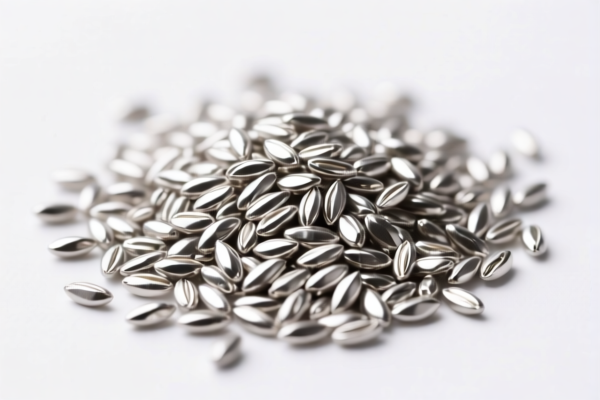
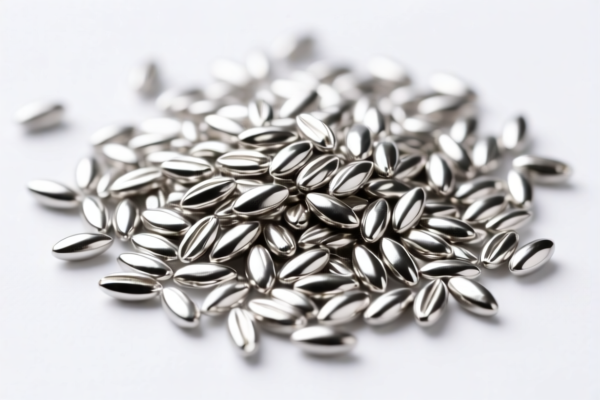
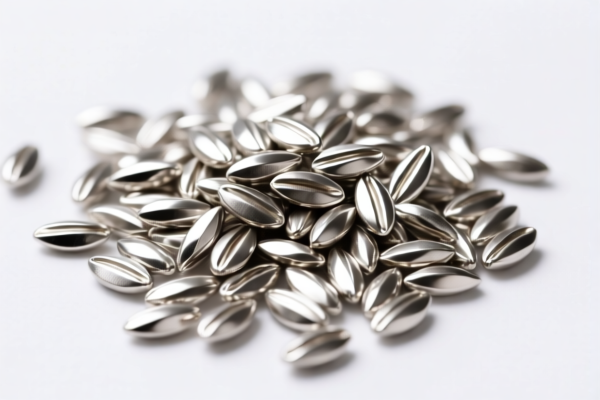

AI Analysis
🐟 Fish Protein Concentrate (Fish Meal)
🌐 HS Code Reference & Customs Clearance Guide | 2026 Latest Tariff Analysis | Professional Entry Strategy
📌 I. Product Definition & Classification: Do You Really Understand "Fish Meal"?
Fish Protein Concentrate (FPC), commonly referred to in international trade as Fish Meal, is a powdered or granular protein-rich product made from whole fish or fish by-products (heads, bones, trimmings). It is primarily used as a high-protein feed ingredient for aquaculture, poultry, and livestock.
In international trade, it is strictly categorized based on human consumption suitability:
- Unfit for Human Consumption: This is the standard classification for almost all commercial fish meal used in animal feed. It is processed at lower grades or from species not suitable for direct human eating.
- Fit for Human Consumption: Rarely classified under HS 2301 unless specifically processed for human dietary supplements, but even then, it often falls under different chapters. For the scope of this guide, we focus on the standard unfit classification under Chapter 23.
⚠️ Key Distinction:
- If the product is unfit for human consumption (standard fish meal for feed) → Classified under 2301.
- If the product is fit for human consumption (e.g., high-grade FPC for supplements) → Likely classified under Chapter 05 or 04 (e.g., 0504.00 or 0409), NOT under 2301.
- Do not mix these two. Misclassification leads to severe penalties.
📦 II. HS Code Classification Details (2026 Latest Tariff Authority Comparison)
| HS Code | Product Description | Application Scenario | Human Consumption Status |
|---|---|---|---|
2301.20.00.10 |
Flours, meals, pellets of fish or crustaceans/molluscs: Herring meal; Pilchard meal | Specifically herring or sardine/pilchard-based fish meal for animal feed | ❌ Unfit for human consumption |
2301.20.00.90 |
Flours, meals, pellets of fish or crustaceans/molluscs: Other | All other fish meals (e.g., anchovy, menhaden, cod, etc.) for animal feed | ❌ Unfit for human consumption |
🔍 Critical Note:
- Both HS codes fall under Chapter 23 (Residues from the food industries) because they are explicitly stated as "unfit for human consumption". - The distinction between.10and.90is purely species-specific. If your fish meal is made from Herring or Pilchard, use.10. For all other fish, use.90.
💰 III. 2026 Latest Tariff Rate Breakdown (Including Additional Taxes)
✅ Applicable Country: United States (US)
✅ Country of Origin: China (CN)
✅ Effective Date: 2025 onwards (subject to current USITC rulings)
🎯 1. 2301.20.00.10 —— Herring Meal / Pilchard Meal
| Item | Content |
|---|---|
| Base Tariff Rate | 0.0% (ad valorem) |
| USITC Additional Tariff | +25.0% (Section 301 / Trade Act) |
| IEEPA Additional Tariff | Not explicitly listed in the provided data, but standard Section 301 applies. Note: Some fish products may have specific exclusions, but generally, fish meal from China is subject to 25%. |
| Total Tariff Rate | 25.0% |
| Tax Calculation | CIF Value × 25% |
| De Minimis Eligibility | ❌ Not Eligible (Usually, fish meal is excluded from de minimis due to its commercial nature and specific agricultural/feed regulations) |
| Legal Basis Path | HTSUS: 2301.20.00.10 → Section 301: 9903.88.01 (if applicable) → Footnote 9903.88.01 |
📌 Explanation:
- 0% Base Rate: Fish meal is generally considered a raw material with low base duties.
- 25% Additional Tariff: This is the standard Section 301 tariff imposed on Chinese goods.
- Total 25%: This is a high tariff for an agricultural/animal feed product. Importers must factor this into cost analysis.
- No De Minimis: Shipments under $800 are typically not exempt for fish meal due to US Customs and Border Protection (CBP) restrictions on agricultural imports.
🎯 2. 2301.20.00.90 —— Other Fish Meal
| Item | Content |
|---|---|
| Base Tariff Rate | 0.0% (ad valorem) |
| USITC Additional Tariff | +25.0% (Section 301 / Trade Act) |
| IEEPA Additional Tariff | Same as above. |
| Total Tariff Rate | 25.0% |
| Tax Calculation | CIF Value × 25% |
| De Minimis Eligibility | ❌ Not Eligible |
| Legal Basis Path | HTSUS: 2301.20.00.90 → Section 301: 9903.88.01 → Footnote 9903.88.01 |
📌 Note:
- This code covers all fish meals not made from herring or pilchard (e.g., Anchovy, Menhaden, Pollock).
- The tariff rate is identical to Herring meal: 25% total.
- Ensure your supplier provides a clear species breakdown in the commercial invoice to avoid misclassification.
🛠️ IV. Customs Clearance Practical Advice (Real-World Pitfall Avoidance)
✅ 1. Required Documentation Checklist (Mandatory)
| Document | Must Provide | Explanation |
|---|---|---|
| ✅ Commercial Invoice | ✔️ | Must clearly state "Unfit for Human Consumption", species (e.g., Anchovy, Herring), and protein content. |
| ✅ Packing List | ✔️ | Detail net/gross weight, number of bags, and batch numbers. |
| ✅ Certificate of Origin (CO) | ✔️ | To prove Chinese origin and apply Section 301 tariffs correctly. |
| ✅ Phytosanitary Certificate | ✔️ | Critical! Required by USDA APHIS to prevent disease introduction. |
| ✅ FDA Prior Notice | ✔️ | Must be filed before arrival. Fish meal is a regulated food/feed item. |
| ✅ Bill of Lading/Air Waybill | ✔️ | Standard shipping documents. |
| ✅ Product Specification Sheet | ✔️ | Include moisture content, ash content, and protein percentage. |
✅ 2. Declaration Tips (Key Mnemonics)
🔥 "Specify Species, Declare Unfit, FDA Notice is Fit!"
| Situation | Correct Declaration Method | Incorrect Practice |
|---|---|---|
| Herring/Pilchard Meal | Use 2301.20.00.10 |
Use 2301.20.00.90 → Potential misclassification audit |
| Other Fish Meal (e.g., Anchovy) | Use 2301.20.00.90 |
Use 2301.20.00.10 → Overpay duties on wrong code |
| Human-Grade FPC | NOT 2301.20.xxxx → Use 0504.00 or 0409 |
Misclassify as 2301 → High Risk of Rejection |
| Mixed Species | Declare the primary species or use 2301.20.00.90 |
Leave species blank → CBP will detain and reclassify |
✅ 3. Special Handling Cases
| Situation | Handling Advice |
|---|---|
| OEM Private Label | Ensure the invoice matches the CO. If re-exported, ensure no US origin marking is present. |
| Bulk vs. Packaged | Tariff is the same, but bulk shipments may require additional biosecurity checks at port. |
| Origin Diversification | If shipped from Vietnam, Peru, or Chile, tariffs may be 0% (check FTA status). Do not assume China-origin rates apply to all fish meal. |
| Perishability | Fish meal can spoil. Ensure proper ventilation and moisture control in containers to avoid CBP rejection for "adulterated" goods. |
🌍 V. Global Market Clearance Comparison (2026 Latest)
| Country/Region | Recommended HS Code | Tariff (China Origin) | Certification Requirements | Notes |
|---|---|---|---|---|
| 🇺🇸 United States | 2301.20.00.10 / .90 |
25% | FDA Prior Notice + USDA Phyto | High tariff burden. |
| 🇨🇳 China | 2301.20.00 |
~0-5% | N/A | Major importer. Low tariff. |
| 🇪🇺 European Union | 2301.20 |
0% | EU Feed Hygiene Regulation | No additional tariffs for fish meal. |
| 🇦🇺 Australia | 2301.20 |
5% | DAFF Import Conditions | Strict biosecurity. |
| 🇯🇵 Japan | 2301.20 |
0% | Ministry of Agriculture Certification | Low tariff, high quality standards. |
📌 Conclusion:
- US is the only major market with a 25% surcharge on Chinese fish meal.
- EU, Japan, and China have near-zero tariffs, making them more cost-effective for non-US markets.
- Diversify origin: If possible, source fish meal from Peru, Chile, or Vietnam to avoid the 25% US tariff.
📌 VI. Common Mistakes & Pitfall Guide (Blood Lessons)
❌ Mistake 1: Declaring "Fish Meal" without specifying the species
👉 Consequence: CBP may reject the entry or force a reclassification to a higher-tariff code.
👉 Fix: Always specify Species (e.g., Peru Anchovy) in the invoice.
❌ Mistake 2: Using "Fish Protein Concentrate" for human-grade FPC but declaring it under 2301
👉 Consequence: Severe Penalty. 2301 is for unfit for human consumption. Human-grade FPC belongs in Chapter 05 or 04.
👉 Fix: Verify end-use. If for human supplements, do NOT use 2301.
❌ Mistake 3: Ignoring FDA Prior Notice
👉 Consequence: Detention at Port. Fish meal is a regulated feed item.
👉 Fix: File FDA Prior Notice before loading the cargo.
❌ Mistake 4: Assuming all fish meal is "Unfit"
👉 Consequence: If you ship high-grade FPC for human consumption and declare it as 2301, you are committing fraud.
👉 Fix: Accurately declare the intended use.
✅ Correct Practice:
"Fish Meal, Unfit for Human Consumption, Made from Anchovy (Engraulis ringens), Protein ≥60%, Moisture ≤10%, Model XYZ, FDA Prior Notice Filed, Phyto Certificate Attached"
🎯 VII. Conclusion: Professional Declaration Saves Money!
🎯 Remember the Mnemonic:
🔹 "Species Matter, Unfit is Key, FDA Notice is Duty!"
🔹 "Herring is .10, Others are .90, 25% Tax on Chinese Origin!"
🔹 "Human-Grade FPC is NOT 2301, Check Chapter 05 or 04!"
📌 Pro Tip:
If your fish meal is originally from Vietnam, Peru, or Chile, you may qualify for 0% tariffs in the US. Always verify the Country of Origin on the Bill of Lading and Certificate of Origin.
Consider Advance Ruling from CBP if your product is on the borderline between "Human-Grade" and "Feed-Grade."
📣 Immediate Action:
📞 Contact a licensed Customs Broker + Provide Species Breakdown + File FDA Prior Notice
🚀 Let your fish meal, clear customs smoothly, avoid 25% penalties, and maximize profit!
✨ Professional Customs Clearance Starts with Accurate Classification!
💼 Every Percent of Tariff Saved is Profit Gained!
Customer Reviews
About HS Code Classification
The Harmonized System (HS) is an internationally standardized nomenclature developed by the World Customs Organization (WCO) to classify traded products. Over 200 countries use the HS system as the basis for customs tariffs, trade statistics, and import/export regulations.
Each HS code follows a hierarchical structure:
- Chapter (2 digits) — Broad category of goods (e.g., Chapter 84: Machinery and Mechanical Appliances)
- Heading (4 digits) — More specific grouping within the chapter
- Subheading (6 digits) — Internationally standardized breakdown, used by all WCO member countries
- National subdivisions (8-10 digits) — Country-specific extensions for further classification, such as US HTSUS 10-digit codes
Correct HS code classification is essential for smooth customs clearance, accurate duty payment, and compliance with trade regulations. Misclassification can lead to customs delays, overpayment of duties, or penalties.
When importing from CN to US, the applicable tariff rates may include:
- Most-Favored-Nation (MFN) rate — The standard duty rate applied to WTO members
- General rate — Applied to countries without trade agreements
- Trade remedy duties — Additional tariffs such as Section 301 (anti-dumping), Section 232 (national security), or countervailing duties
The information provided on this page is for reference purposes only. For official classification, please consult with your local customs authority or a licensed customs broker.