Fish Sauce
CN → US| HS Code | Tariff Rate | Origin | Destination | Doc |
|---|---|---|---|---|
| 2103902000 | 17.5% | CN | US | Official Doc |
| 2103100000 | 38.0% | CN | US | Official Doc |
| 1603009090 | 35.0% | CN | US | Official Doc |
| 1603001000 | 43.5% | CN | US | Official Doc |
| 2209000000 | 0.0% | CN | US | Official Doc |
| 2209000000 | 0.0% | CN | US | Official Doc |
Product Images
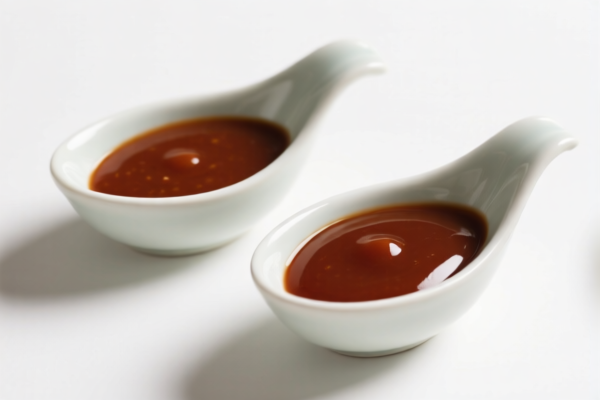
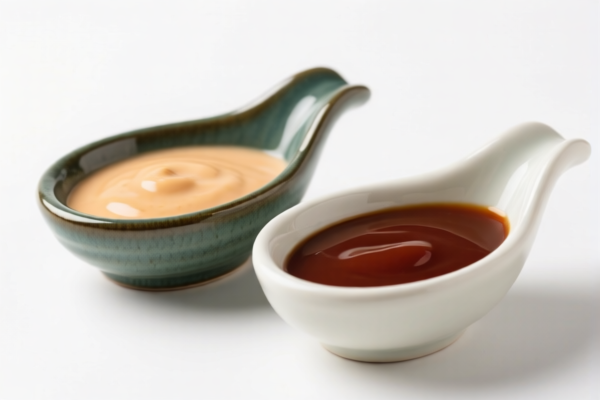
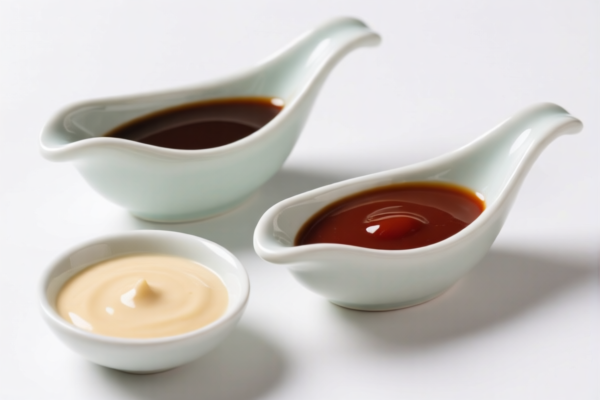

AI Analysis
🌊 Fish Sauce (Sauces Derived or Prepared from Fish)
🌐 HS Code Reference & Customs Clearance Guide | 2026 Updated Tariff Analysis | Pro-Level Import Strategy
📌 One, Product Definition & Classification: What Exactly Is Fish Sauce?
Fish sauce is a pungent, savory liquid condiment made by fermenting fish (typically anchovies) with salt over several months. It is a cornerstone of Southeast Asian cuisine—especially in Vietnam, Thailand, and Cambodia—and is widely used in cooking, dipping, and marinades.
In international trade, fish sauce is classified under HS Code 2103.90.20.00, which specifically covers:
"Sauces and preparations therefore; mixed condiments and mixed seasonings; mustard flour and meal and prepared mustard: Other: Sauces derived or prepared from fish"
⚠️ Critical Distinction:
- If it’s fermented fish-based liquid (e.g., Vietnamese nước mắm, Thai nam pla) → 2103.90.20.00
- If it's soy-based (like soy sauce) → 2103.10.00.00 (different tax treatment!)
- If it’s fish extract/juice (e.g., clam juice) → 1603.00.10.00 or 1603.00.90.90
📦 Two, HS Code Classification Details (2026 Official Tariff Breakdown)
| HS Code | Product Description | Applicable Use Case | Key Feature |
|---|---|---|---|
2103.90.20.00 |
Sauces derived or prepared from fish (e.g., fish sauce, fish paste) | Commercial fish sauce, condiments, culinary ingredients | ✅ Fermented fish-based liquid |
2103.10.00.00 |
Soy sauce | Soy-based fermented sauce (e.g., Japanese shoyu, Chinese jiangyou) | ❌ Not fish-based → different tariff |
1603.00.10.00 |
Clam juice (extracts/juices of molluscs) | Seafood extracts, broths, cooking bases | ❌ Not fish sauce → different category |
1603.00.90.90 |
Other extracts/juices of fish or crustaceans | Non-fish-sauce seafood extracts (e.g., shrimp extract) | ❌ Not fermented fish sauce |
🔍 Key Insight:
- Only fermented, fish-based liquid condiments fall under2103.90.20.00
- Do not confuse with soy sauce — even if both are dark, salty, and used in cooking, they are legally distinct and taxed differently.
💰 Three, 2026 Updated Tariff Breakdown (Including附加 Taxes & Policy Triggers)
✅ Applicable Country: United States (US)
✅ Origin: China (CN), Vietnam (VN), Thailand (TH), Cambodia (KH)
✅ Effective Date: November 10, 2025 (post-301/IEEPA update)
🎯 1. 2103.90.20.00 — Fish Sauce (Fermented from Fish)
| Item | Detail |
|---|---|
| Base Tariff | 0.0% (ad valorem) |
| USITC Additional Duty | +7.5% (under Section 301 of U.S. Trade Act) |
| IEEPA Additional Duty | +0.0% (not currently applied to fish sauce) |
| Total Effective Duty | 7.5% |
| Tax Calculation | CIF Value × 7.5% |
| De Minimis Threshold | ✅ Yes (5% de minimis applies) → No duty if value ≤ 5% of CIF |
| Legal Basis Path | USITC:2103.90.20.00 → FOOTNOTE:9903.88.01 → SECTION 301: 301-101 |
📌 Explanation:
- The 7.5% is only from Section 301 (China-specific trade actions), not from IEEPA (which targets broader national security threats). - No IEEPA surcharge applies to fish sauce — this is critical for cost planning. - De minimis applies: If your shipment is small (<5% of CIF value), you can avoid paying any duty at the border.
🎯 2. 2103.10.00.00 — Soy Sauce (For Contrast & Comparison)
| Item | Detail |
|---|---|
| Base Tariff | 3.0% |
| USITC Additional Duty | +25.0% (Section 301) |
| IEEPA Additional Duty | +0.0% |
| Total Effective Duty | 28.0% |
| Tax Calculation | CIF × 28.0% |
| De Minimis | ✅ Yes (5%) |
| Legal Basis | USITC:2103.10.00.00 → FOOTNOTE:9903.88.01 → SECTION 301: 301-101 |
📌 Why This Matters:
- Soy sauce is taxed at 28% — nearly 4x higher than fish sauce! - Misclassifying fish sauce as soy sauce = massive overpayment and potential penalties.
🎯 3. 1603.00.10.00 — Clam Juice (Extracts from Molluscs)
| Item | Detail |
|---|---|
| Base Tariff | 0.0% |
| USITC Additional Duty | +0.0% |
| IEEPA Additional Duty | +0.0% |
| Total Effective Duty | 0.0% |
| Tax Calculation | CIF × 0% |
| De Minimis | ✅ Yes |
| Legal Basis | 1603.00.10.00 → FOOTNOTE:9903.88.01 (no 301 applied) |
📌 Note:
- Clam juice is not subject to 301 tariffs — it’s duty-free. - But do not use this code for fish sauce — it’s for seafood extracts, not fermented fish condiments.
🛠️ Four, Customs Clearance Best Practices (Pro Tips to Avoid Penalties)
✅ 1. Essential Documentation (Must-Have Checklist)
| Document | Required? | Why It Matters |
|---|---|---|
| ✅ Commercial Invoice | ✔️ | Must clearly state: "Fish Sauce, Fermented from Anchovies, 100% Fish-Based" |
| ✅ Product Description & Ingredients List | ✔️ | Prove it's not soy sauce or extract |
| ✅ Lab Test Report (pH, salt content, protein) | ✔️ | Validates fermentation process |
| ✅ Certificate of Origin (CO) | ✔️ | If from Vietnam or Thailand, may qualify for lower rates |
| ✅ Packing List | ✔️ | Show total volume, weight, and packaging |
| ✅ Label Sample (if sold retail) | ✔️ | Must not mislead (e.g., “soy sauce” on fish sauce) |
✅ 2.申报技巧(Key Rules to Remember)
🔥 "Fish ≠ Soy, Sauce ≠ Extract, Label ≠ Tax!"
| Scenario | Correct HS Code | Common Mistake |
|---|---|---|
| Fermented fish liquid (e.g., Vietnamese nước mắm) | 2103.90.20.00 |
Misclassified as 2103.10.00.00 → 28% vs 7.5% |
| Fish extract (e.g., fish stock) | 1603.00.90.90 |
Not fish sauce → wrong code |
| Clam juice | 1603.00.10.00 |
Not fish sauce → no 301 duty, but not applicable |
| Fish sauce with added sugar/vegetables | 2103.90.20.00 |
Still fish sauce — as long as fish is primary ingredient |
📌 Golden Rule:
- If the primary ingredient is fish (e.g., anchovies) and it's fermented, it’s fish sauce →2103.90.20.00
- If soybeans are primary →2103.10.00.00→ 28% tax
✅ 3. Special Cases & Risk Mitigation
| Situation | Recommended Action |
|---|---|
| Fish sauce with added herbs or sugar | Still 2103.90.20.00 — as long as fish is dominant |
| Private label / OEM fish sauce | Provide formulation + ingredient list to avoid misclassification |
| High-value shipment (>$1,000) | Apply for Advance Ruling (Pre-Clearance) to lock in tariff |
| Shipment from Vietnam or Thailand | Check if Free Trade Agreement (FTA) applies (e.g., US-Vietnam, US-Thailand) → 0% duty possible |
| Retail packaging with "soy sauce" label | STOP! — This triggers misclassification risk and potential penalties |
🌍 Five, Global Market Tariff Comparison (2026)
| Country/Region | Recommended HS Code | Duty Rate | Certification | Notes |
|---|---|---|---|---|
| 🇺🇸 United States | 2103.90.20.00 |
7.5% (China origin) | FDA, USDA (if applicable) | ✅ De minimis applies |
| 🇨🇳 China | 2103.90.20.00 |
0% | CCC, QS | No 301 duty |
| 🇪🇺 European Union | 2103.90.20.00 |
0% (if from Vietnam/Thailand) | CE, EFSA | No additional tariffs |
| 🇦🇺 Australia | 2103.90.20.00 |
0% | RCM, FSANZ | No 301 tariff |
| 🇯🇵 Japan | 2103.90.20.00 |
0% | JAS, Pesticide Test | No extra duties |
📌 Conclusion:
- Only the U.S. applies 301 tariffs to fish sauce — 7.5%
- All other major markets are duty-free or low-duty
- Vietnam & Thailand are preferred sources to avoid U.S. tariffs
📌 Six, Common Mistakes & How to Avoid Them (Real-World Pitfalls)
❌ Mistake 1: Labeling fish sauce as “soy sauce” on packaging
👉 Result: Customs may reclassify → 28% duty, fines, seizure
❌ Mistake 2: Not providing ingredient list → Customs rejects declaration
👉 Result: Delayed shipment, extra inspection, higher risk of rejection
❌ Mistake 3: Using 1603.00.90.90 for fish sauce (thinking it’s "extract")
👉 Result: Incorrect code → penalty, reclassification, audit risk
❌ Mistake 4: Assuming all fermented sauces are taxed the same
👉 Result: Overpaying by 20%+ due to misclassification
✅ Correct Approach:
“Fish Sauce, Fermented Anchovy Extract, 100% Fish-Based, 45% Salt, No Added Soy, Origin: Vietnam”
→ Use exact language in invoice and label.
🎯 Seven, Final Verdict: Accurate Classification = Big Savings!
🎯 Remember This Rule:
🔹 "Fish sauce = 7.5% in the U.S. — Soy sauce = 28%!"
🔹 "If it’s fish-based and fermented, use 2103.90.20.00 — not 2103.10.00!"
🔹 "De minimis is your friend — if value ≤ 5% of CIF, no duty!"
📌 Pro Tip:
✅ Apply for an Advance Ruling (Pre-Clearance) if importing > $10,000/month
✅ Use Vietnam or Thailand as origin to avoid U.S. 301 tariffs
✅ Always include a clear ingredient list and product description
📣 Take Action Now:
📞 Contact a licensed customs broker + provide product samples + request HS Code pre-ruling
🚀 Ensure smooth, low-cost, high-speed customs clearance for your fish sauce exports
✨ Smart Importing Starts with Smart Classification!
💼 Your profit margin depends on getting the HS Code right — every time.
Customer Reviews
About HS Code Classification
The Harmonized System (HS) is an internationally standardized nomenclature developed by the World Customs Organization (WCO) to classify traded products. Over 200 countries use the HS system as the basis for customs tariffs, trade statistics, and import/export regulations.
Each HS code follows a hierarchical structure:
- Chapter (2 digits) — Broad category of goods (e.g., Chapter 84: Machinery and Mechanical Appliances)
- Heading (4 digits) — More specific grouping within the chapter
- Subheading (6 digits) — Internationally standardized breakdown, used by all WCO member countries
- National subdivisions (8-10 digits) — Country-specific extensions for further classification, such as US HTSUS 10-digit codes
Correct HS code classification is essential for smooth customs clearance, accurate duty payment, and compliance with trade regulations. Misclassification can lead to customs delays, overpayment of duties, or penalties.
When importing from CN to US, the applicable tariff rates may include:
- Most-Favored-Nation (MFN) rate — The standard duty rate applied to WTO members
- General rate — Applied to countries without trade agreements
- Trade remedy duties — Additional tariffs such as Section 301 (anti-dumping), Section 232 (national security), or countervailing duties
The information provided on this page is for reference purposes only. For official classification, please consult with your local customs authority or a licensed customs broker.